Author name: Carlos Candido

Top Features to Look for in an Adjustable Medical Bed
Adjustable Medical Beds, Uncategorized

Top Features to Look for in a Medical Adjustable Bed

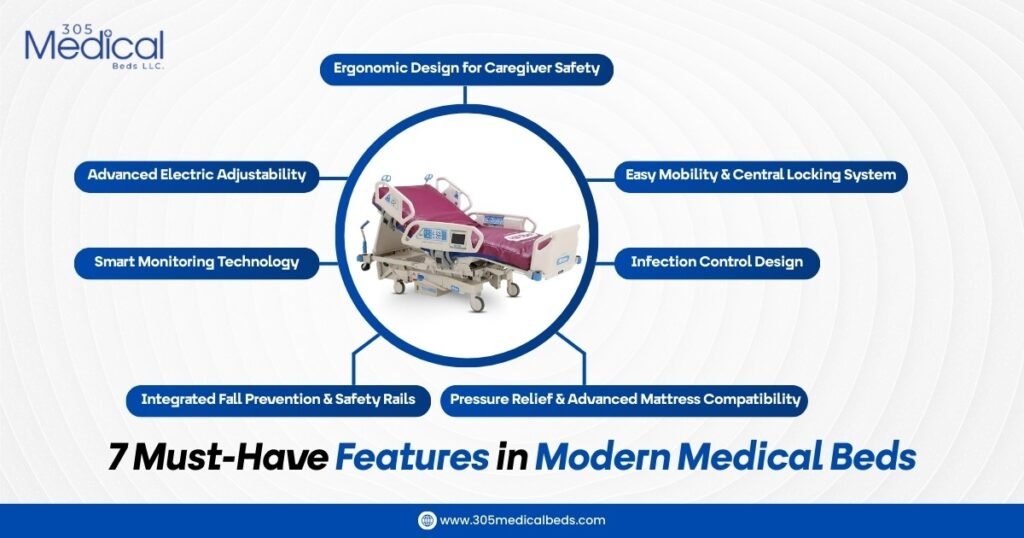
Choosing the Right Medical Bed Can Change Daily Care When someone needs extra care at home, comfort alone is no longer enough. Sitting up, sleeping, breathing, or even getting out of bed can become difficult without proper support. This is where a medical adjustable bed makes a real difference. But not all adjustable beds are built for medical needs. Knowing which features truly matter helps you make a safe, practical, and long-term decision—whether for recovery, elderly care, or ongoing medical conditions. This guide explains the top features to look for in a medical adjustable bed so you can choose one that supports comfort, safety, and daily care at home. What Is a Medical Adjustable Bed? Medical adjustable beds are medical-grade bed designed to support patients who need special positioning, mobility assistance, or long-term care at home. Unlike standard adjustable beds, medical models are built to: Choosing the right features ensures the bed meets both patient and caregiver needs. Top Features to Look for in a Medical Adjustable Bed 1. Head-and-foot adjustability One of the most essential features of a medical adjustable bed is independent head and foot adjustment. Why it matters: This feature is especially important for patients with respiratory issues, heart conditions, or limited mobility. 2. Adjustable Bed Height Height adjustability is a critical safety feature. Benefits include: A medical adjustable bed with height control helps prevent injuries for both patients and caregivers. 3. Medical-Grade Frame and Weight Capacity Not all adjustable beds are designed for medical use. A medical adjustable bed should have a strong, durable frame. Look for: This ensures long-term safety and reliability, especially for daily or extended use. 4. Compatibility With Medical Mattresses A medical adjustable bed should support specialized mattresses. Important options include This feature is essential for patients at risk of bedsores or those who spend extended time in bed. 5. Easy-to-Use Controls Controls should be simple and accessible. Key features to look for: Easy controls allow patients to adjust positions independently and reduce caregiver involvement when possible. 6. Safety Side Rails (Optional but Important) Side rails add an extra layer of safety for patients with limited mobility or fall risk. Benefits of side rails: Rails should be sturdy, easy to lower, and securely attached. 7. Quiet and Smooth Motor System A medical adjustable bed should operate smoothly and quietly. Why this matters: Reliable motor systems also ensure consistent performance over time. 8. Ease of Cleaning and Maintenance Medical beds require regular cleaning for hygiene. Look for: This is especially important for infection control and long-term use. 9. Space-Efficient Design for Home Use A medical adjustable bed should fit comfortably in a standard bedroom. Important considerations: A well-designed bed blends functionality with home comfort. 10. Rental or Purchase Flexibility Depending on care duration, flexibility matters. Choose a provider that offers: This allows you to match the bed to your care timeline and budget. Who Should Consider a Medical Adjustable Bed? A medical adjustable bed is ideal for: Why Choosing the Right Features Matters The right features: Choosing the wrong bed can lead to discomfort, safety issues, and unnecessary stress. Conclusion: Invest in Comfort, Safety, and Care A medical adjustable bed is more than a piece of furniture—it’s a critical part of home healthcare. By focusing on the top features to look for in a medical adjustable bed, you ensure better comfort, safer mobility, and reliable support for both patients and caregivers. When medical needs arise at home, the right adjustable bed can make everyday care easier and more effective.

Benefits of Choosing Hill Rom Medical Beds for Patient Care
Hill Rom Beds, Uncategorized

Benefits of Choosing Hill-Rom Medical Beds for Patient Care

When someone is recovering from illness or managing long-term health conditions, the bed they rest on becomes more than just furniture—it becomes part of their healing process. Hill-Rom medical beds are designed with this exact understanding in mind. They support patient comfort, enhance safety, and make caregiving more efficient, whether in hospitals, rehabilitation centres, or home healthcare environments. Healthcare providers across the U.S. rely on Hill-Rom beds for hospitals and clinics because of their proven reliability, safety standards, and ability to support high-acuity patient care environments. Why Are Hill-Rom Medical Beds So Popular? Hill-Rom medical beds are advanced healthcare beds designed to improve patient comfort, safety, mobility, and recovery while reducing physical strain on caregivers through smart, ergonomic features. This balance between patient care and caregiver support is what sets Hill-Rom apart. What Are Hill-Rom Medical Beds? Hill-Rom medical beds are professional-grade hospital and home-care beds engineered to support patients with varying medical needs. They are widely used in: These beds are known for durability, advanced positioning, pressure injury prevention, and integrated safety systems that help improve patient outcomes. 1. Superior Patient Comfort for Better Healing Comfort directly affects recovery speed and emotional well-being. Hill-Rom medical beds are designed to adapt to the patient—not the other way around. Comfort Benefits Include: By allowing patients to reposition easily, Hill-Rom TotalCare beds offer advanced positioning and pressure-management features that help minimise pain, stiffness, and restlessness—especially for patients confined to bed for long periods. 2. Enhanced Patient Safety and Fall Prevention Patient safety is a critical concern in hospitals, nursing homes, and home care. Hill-Rom medical beds include multiple features specifically designed to reduce fall risks and injuries. Safety-Focused Features: These features are especially valuable for elderly patients, post-surgical recovery, and individuals with limited mobility. 3. Effective Pressure Injury Prevention Pressure injuries are a serious issue in patient care. Hill-Rom medical beds are designed to help reduce this risk through intelligent pressure redistribution. Pressure Management Advantages: These features make Hill-Rom beds ideal for ICU patients, long-term care residents, and patients with limited movement. 4. Encourages Mobility and Faster Recovery Early and safe movement plays a major role in recovery. Hill-Rom medical beds support patient mobility while maintaining safety. Mobility-Support Features: Patients who can move safely tend to recover faster and experience fewer complications. 5. Designed to Reduce Caregiver Strain Caregivers face physical demands every day. Hill-Rom medical beds help reduce injury risk and improve efficiency. Caregiver Benefits: These features are especially valuable in busy hospital settings and home care environments where caregiver support may be limited. 6. Smart Technology for Proactive Care Modern healthcare relies on technology, and Hill-Rom medical beds integrate smart systems that enhance monitoring and safety. Smart Features May Include: These features allow caregivers to respond proactively rather than reactively. 7. Ideal for Home Healthcare Settings Hill-Rom medical beds are increasingly used in home care due to their adaptability and ease of use. Why They Work Well at Home: For families managing care at home, Hill-Rom beds for home recovery provide hospital-grade support while maintaining patient comfort, independence, and dignity in a familiar environment. 8. Built for Long-Term Durability Healthcare equipment must perform reliably under constant use. Hill-Rom medical beds are built with high-quality materials and tested for long-term performance. Durability Highlights: This durability makes Hill-Rom beds a cost-effective investment for facilities and families alike. 9. Cost-Effective Option with Refurbished Hill-Rom Medical Beds Before buying a refurbished Hill-Rom bed, it’s important to understand key factors such as inspection standards, warranty coverage, and overall bed condition to ensure long-term reliability and patient safety. Benefits of Refurbished Options: 10. Trusted by Healthcare Providers Worldwide Hill-Rom medical beds are used by hospitals and healthcare facilities across major regions, including the U.S., because of their proven performance and safety standards. Why Providers Trust Hill-Rom: Who Should Choose Hill-Rom Medical Beds? Hill-Rom medical beds are ideal for: A Smarter Choice for Patient-Centred Car The benefits of choosing Hill-Rom medical beds for patient care go beyond comfort. These beds improve safety, encourage mobility, support caregivers, and enhance recovery outcomes. Whether in hospitals, rehabilitation centres, or home healthcare settings, Hill-Rom medical beds deliver reliable, patient-focused solutions that truly make a difference. For anyone seeking trusted, durable, and advanced medical beds, Hill-Rom remains one of the most dependable choices in modern healthcare. Frequently Asked Questions Q1: Are Hill-Rom medical beds good for home care? Yes, Hill-Rom medical beds are widely used in home healthcare because they combine hospital-grade features with easy operation and patient comfort. Q2: Why do hospitals prefer Hill-Rom medical beds? Hospitals choose Hill-Rom beds for their safety features, durability, pressure injury prevention, and caregiver support. Q3: Are refurbished Hill-Rom medical beds reliable? Professionally refurbished Hill-Rom medical beds are tested, inspected, and restored to ensure reliable performance at a lower cost. Q4: Do Hill-Rom beds help prevent pressure ulcers? Yes, their design supports pressure redistribution and works with advanced mattresses to reduce pressure injury risk. Q5: Can Hill-Rom medical beds support long-term patients? Absolutely. They are designed for continuous use in long-term and critical care environments.

What Is a Bariatric Hospital Bed and Who Need One
Bariatric Beds, Uncategorized

What is a Bariatric Hospital Bed and Who Needs One?

When medical care requires more than standard equipment, choosing the right hospital bed becomes critical. A bariatric hospital bed is specifically designed to support patients with higher body weight, limited mobility, and complex medical needs—while maintaining comfort, dignity, and safety. Whether used in hospitals, long-term care facilities, or home healthcare settings, bariatric beds play a vital role in improving patient outcomes and protecting caregivers. Their impact on bariatric bed recovery and mobility support makes them an essential part of modern patient care. What Is a Bariatric Hospital Bed? A bariatric hospital bed is a specialized medical bed engineered to accommodate patients who exceed the weight and size limits of traditional hospital beds. These beds are built with reinforced frames, wider sleep surfaces, and powerful motors to ensure safe positioning and long-term durability. The importance of bariatric beds for heavier patients becomes evident when standard beds fail to provide adequate stability, safety, and long-term performance. Key Characteristics of Bariatric Hospital Beds: Unlike standard beds, bariatric hospital beds are designed to reduce risk, improve comfort, and support complex care needs. How Is a Bariatric Hospital Bed Different from a Standard Hospital Bed? Understanding the difference helps caregivers and facilities make informed decisions. Bariatric vs. Standard Hospital Bed Bariatric Hospital Bed Standard Hospital Bed For patients who exceed standard limits, using a regular hospital bed can lead to discomfort, equipment failure, and safety risks. Who Needs a Bariatric Hospital Bed? A bariatric hospital bed is not only about weight—it’s about safety, comfort, and proper medical support. Proper bariatric bed selection for larger patients ensures both patient dignity and caregiver safety. 1. Patients with Higher Body Weight Patients whose weight exceeds the safe working load of standard hospital beds require bariatric beds to prevent: A bariatric hospital bed ensures stability and reliable performance under continuous use. 2. Patients with Limited Mobility Patients who have difficulty repositioning, standing, or transferring benefit greatly from bariatric beds. These beds: 3. Long-Term Care and Chronic Condition Patients Patients receiving long-term care often require specialized beds that can withstand daily use while maintaining comfort. A bariatric hospital bed is ideal for: 4. Post-Surgical and Rehabilitation Patients After surgery—especially orthopedic or weight-related procedures—patients benefit from advanced bariatric ICU bed support that helps maintain stability and safe repositioning during recovery. Bariatric hospital beds help support recovery while minimizing complications. 5. Home Healthcare Patients Bariatric hospital beds are increasingly used in home settings, providing hospital-grade care in a familiar environment. They are suitable for: Key Benefits of a Bariatric Hospital Bed Enhanced Patient Comfort A strong focus on bariatric patient comfort in ICU and long-term care beds plays a major role in improving rest quality and reducing pressure-related complications. Improved Safety Better Caregiver Support Long-Term Durability In critical care environments, bariatric ICU bed support for critical care patients plays an important role in maintaining stability, safety, and continuous patient monitoring. Important Features to Look for in a Bariatric Hospital Bed When selecting a bariatric hospital bed, these features are essential: Modern designs highlighted in advanced bariatric bed technology and design combine safety, comfort, and caregiver efficiency. Are Bariatric Hospital Beds Only for Obese Patients? No. While commonly associated with obesity, bariatric hospital beds are also used for patients who need: The focus is proper support, not labeling. Are Refurbished Bariatric Hospital Beds a Suitable Option? Many healthcare providers choose refurbished solutions based on bariatric patient care efficiency and safety benefits. Benefits of Refurbished Bariatric Beds: They are ideal for healthcare facilities and home caregivers looking for quality within a budget. When Should You Consider a Bariatric Hospital Bed? You should consider a bariatric hospital bed if: Choosing the Right Bed Makes a Real Difference Understanding what a bariatric hospital bed is and who needs one is essential for providing safe, effective, and dignified care. These specialized beds offer superior strength, comfort, and safety for patients who require more support than standard hospital beds can provide. Whether used in hospitals, long-term care facilities, or home healthcare environments, bariatric hospital beds play a critical role in improving patient outcomes and protecting caregivers—making them a smart, responsible choice in modern healthcare. Frequently Asked Questions What weight capacity does a bariatric hospital bed support? Most bariatric hospital beds support between 600 and 1,000+ pounds, depending on the model. Can bariatric hospital beds be used at home? Yes, many bariatric hospital beds are designed for home healthcare use with simple controls and safe operation. Do bariatric hospital beds prevent pressure sores? Yes, especially when paired with bariatric mattresses, they help redistribute weight and reduce pressure injury risk. Are bariatric beds wider than standard hospital beds? Yes, bariatric beds offer a wider sleeping surface for improved comfort and stability. Is a bariatric hospital bed necessary for short-term care? If safety, comfort, or weight capacity is a concern—even short-term—using a bariatric hospital bed is strongly recommended.

When Do You Need Hospital Bed at Home
Hospital Home Care, Uncategorized

When Do You Need a Hospital Bed at Home?

Knowing When Home Comfort Needs Medical Support Home is where most people feel safest and most comfortable. Whether recovering from illness, caring for an aging parent, or supporting a loved one after surgery, staying at home often feels like the best choice. However, there comes a point when a regular bed no longer meets medical or caregiving needs. Pain increases, mobility becomes difficult, or daily care starts feeling unsafe. This is when many families begin asking an important and practical question: When do you need a hospital bed at home? A hospital bed at home is not only for critical patients. It is a medical solution designed to improve comfort, safety, and recovery while allowing patients to remain in a familiar environment. Understanding when it’s needed can make a meaningful difference in health outcomes and quality of life. What ‘s a Hospital Bed at Home? A hospital bed at home is a medical-grade bed designed for patients who require special positioning, mobility assistance, or ongoing care at home. Unlike a standard bed, it offers: These features make a hospital bed at home essential when daily comfort, safety, and medical support become priorities. When Do You Need a Hospital Bed at Home? 1. After Surgery or Hospital Discharge Many patients are discharged earlier than expected, but recovery continues long after leaving the hospital. A hospital bed at home is often needed after: Why it helps: For post-surgical recovery, a hospital bed at home reduces strain and lowers the risk of complications. 2. Limited Mobility or Physical Disabilities When a person struggles with movement, even simple tasks like sitting up or turning in bed can become challenging. A hospital bed at home is commonly required for: Key benefits include: In these situations, a hospital bed at home becomes a vital part of daily living. 3. Chronic illnesses or Long-Term Medical Conditions Chronic conditions often require ongoing positioning, symptom management, and comfort support. A hospital bed at home is beneficial for patients with: Adjustable positioning helps: For long-term care, a hospital bed at home provides consistent medical-grade comfort. 4. Elderly Care and Aging at Home As people age, balance, strength, and mobility naturally decline. This increases the risk of falls and injuries, especially when getting in and out of bed. A hospital bed at home for elderly care provides several benefits, including: For families choosing to age in place, having a hospital bed at home is often a preventive and safety-focused decision. 5. Palliative or Hospice Care at Home During serious illness or end-of-life care, comfort and dignity are essential. A hospital bed at home allows: In palliative care, a hospital bed at home is not just helpful—it is often necessary. 6. Risk of Pressure Sores or Extended Bed Rest Patients who spend long periods in bed are at risk of developing pressure ulcers. A hospital bed at home helps prevent this by: This is especially important for patients with limited mobility or chronic illness. How a Hospital Bed at Home Improves Daily Life Benefits for Patients Benefits for Caregivers A hospital bed at home supports both physical health and emotional well-being. Signs: You May Need a Hospital Bed at Home You may need a hospital bed at home if: Recognizing these signs early can prevent injuries and improve outcomes. Hospital Bed at Home: Renting vs. Buying Rent a Hospital Bed at home. If: Buy a Hospital Bed at Home. If: Choosing the right option depends on medical needs, duration of care, and budget. Why a Hospital Bed at Home Is Better Than a Regular Bed A regular bed is designed for comfort, not care. A hospital bed at home offers: When health and safety matter, a hospital bed at home provides the right level of support. Conclusion: Making the Right Decision at the Right time. Understanding when you need a hospital bed at home helps families make informed, confident care decisions. Whether it’s for post-surgery recovery, chronic illness management, elderly care, or hospice support, a hospital bed at home improves safety, comfort, and quality of life—without leaving the comfort of home. Choosing the right time to transition can ease recovery, protect caregivers, and ensure proper care every day. Frequently Asked Questions Q1: When do you need a hospital bed at home? You need a hospital bed at home when medical positioning, mobility support, or safe caregiving is required beyond what a regular bed can provide. Q2: Who typically needs a hospital bed at home? Patients recovering from surgery, seniors aging at home, people with limited mobility, and individuals with chronic or long-term medical conditions often need a hospital bed at home. Q3: Why is a hospital bed at home better than a regular bed? A hospital bed at home offers adjustable positioning, safer transfers, and better caregiver access, which a regular bed cannot provide. Q4: How does a hospital bed at home help caregivers? It reduces physical strain by allowing easier repositioning, safer transfers, and better access during daily care routines. Q15: Should a hospital bed at home be rented or purchased? Renting is best for short-term recovery, while buying is more suitable for long-term or ongoing care needs.

How Quality Hospital Bed Impact Patient Outcomes
Hospital Beds, Uncategorized

How Quality Hospital Beds Improve Patient Outcomes

A Hospital Bed Is More Than Just a Place to Rest When someone is admitted to a hospital or recovering at home, the hospital bed becomes their main support system—day and night. It’s where they rest, recover, eat, sleep, and often begin healing. Yet many people underestimate the impact of high-quality hospital beds on patient comfort. A well-designed hospital bed can reduce pain, prevent complications, support faster recovery, and even improve a patient’s emotional well-being. On the other hand, a poor-quality bed can delay healing, increase discomfort, and lead to serious issues like pressure sores or falls. In this guide, we’ll explore how quality hospital beds directly impact patient outcomes, why they are essential in healthcare and home care settings, and what makes them such a critical part of modern patient care. Why Quality Hospital Beds Matter in Patient Care Hospital beds are not ordinary beds. They are medical tools designed to support patients with limited mobility, pain, or long recovery periods. Every feature—from adjustability to mattress type—plays a role in patient safety and recovery. Quality hospital beds impact patient outcomes by: 1. Enhanced Patient Comfort Leads to Better Outcomes Comfort is one of the most important factors in recovery—patients who are comfortable experience less stress, better sleep, and improved healing. High-quality hospital beds allow patients to adjust their position easily, helping relieve pain in the back, joints, and muscles. Proper positioning also improves circulation and breathing, which is especially important for post-surgical and long-term care patients. Comfort Features That Improve Patient Outcomes Patients who can rest comfortably are better able to heal, and a well-chosen hospital bed can prevent common issues like discomfort or improper support. 2. Reducing the Risk of Pressure Sores (Bedsores) Pressure sores are one of the most common and serious complications for patients who spend extended time in bed. These injuries develop when constant pressure reduces blood flow to the skin. Quality hospital beds significantly reduce this risk. How Quality Hospital Beds Prevent Bedsores Preventing pressure sores can also reduce long-term costs associated with hospital bed care. 3. Improved Mobility and Patient Independence Limited mobility can negatively affect both physical and mental health. Quality hospital beds empower patients by allowing them to change positions independently. Adjustable hospital beds help patients: This independence boosts confidence, reduces frustration, and encourages gentle movement—all of which contribute to better recovery outcomes. 4. Faster Recovery and More Effective Rehabilitation Recovery and rehabilitation depend heavily on proper positioning and movement. Whether a patient is recovering from surgery, injury, or chronic illness, quality hospital beds support the healing process. How Adjustable Hospital Beds Support Recovery For those exploring the best hospital beds for 2025, models with advanced adjustability features can greatly aid recovery. 5. Preventing Falls and Improving Patient Safety Falls are a major concern in healthcare environments, especially for elderly or weakened patients. Quality hospital beds are designed with safety in mind. Safety Features That Protect Patients For comprehensive guidance on choosing the right hospital bed for better care, it’s important to consider all safety and support features. 6. Supporting Caregivers and Healthcare Professionals Hospital beds don’t just support patients—they also help caregivers. Nurses, family members, and home care providers perform daily tasks such as repositioning, bathing, and administering care. Quality hospital beds help caregivers by: When caregivers experience less physical strain, they can provide better, more attentive care—leading to improved patient outcomes. 7. Infection Control and Hygiene Benefits Infection prevention is critical in hospitals and home care environments. Quality hospital beds are designed with materials and surfaces that support cleanliness and hygiene. Infection-Control Features in Quality Hospital Beds For patients transitioning from hospital to home, understanding how hospital beds compare to home care setups is essential for continued safety. 8. Psychological and Emotional Benefits of Quality Hospital Beds Recovery isn’t just physical—it’s emotional too. A patient’s mental state plays a major role in healing. Quality hospital beds help improve mental well-being by: Patients who feel comfortable and supported are more optimistic, cooperative with care, and motivated to recover. Why Quality Hospital Beds Are Essential for Home Care Home care is becoming increasingly common, and the need for reliable hospital beds at home is growing. In home settings, the bed often becomes the center of care. Quality hospital beds for home use: Choosing the right bed at home ensures continuity of care and better outcomes outside of a clinical environment. Conclusion: There is no doubt that high-quality hospital beds impact patient outcomes in meaningful, measurable ways. From improving comfort and safety to supporting faster recovery and better mental health, hospital beds play a central role in patient care. Whether in hospitals, nursing facilities, or home care settings, investing in high-quality hospital beds leads to: Choosing the right hospital bed is not just about comfort—it’s about delivering better care and improving lives. For a detailed breakdown of hospital bed types and features, exploring all options ensures you make the most informed decision. If you’re evaluating hospital beds for patients requiring advanced support, it’s also worth considering why newer ICU beds aren’t always better than refurbished Hill-Rom models for both cost and functionality. If you’re looking for reliable, high-quality hospital beds designed to support patient recovery and safety, explore the options available at 305 Medical Beds.

Hill Rom Totalcare Beds Features, Benefits and Use Cases
Hill Rom Beds, Uncategorized

Hill-Rom TotalCare Beds: Features, Benefits, and Use Cases

Caring for someone who spends most of their time in bed is not easy. Small tasks—like turning, sitting up, or transferring—can quickly become exhausting, stressful, and risky for both the patient and caregiver. That’s exactly why Hill-Rom TotalCare Beds were created. They aren’t “just hospital beds.”They’re advanced care systems designed to: They aren’t just standard hospital beds. They are advanced care systems designed to improve comfort, reduce complications, support mobility, and make caregiving safer and more efficient. To fully understand their value, it also helps to look at the broader benefits of Hill-Rom medical beds, which form the foundation of Hill-Rom’s patient-centered design philosophy. Below, we’ll dive deep into features, benefits, real-world use cases, and smart buying considerations—so you can confidently decide if a Hill-Rom TotalCare Bed is right for your needs. What Makes Hill-Rom TotalCare Beds Different? Hill-Rom TotalCare Beds are engineered for complex care environments such as hospitals, rehab centers, and advanced home care. They stand out because they combine: Patients benefit—and caregivers avoid unnecessary lifting, strain, and risk. Because of this reliability, Hill-Rom beds for hospitals and clinics are widely trusted in high-acuity environments where patient safety and clinical performance are critical. To understand more about hospital bed safety, healthcare organizations like the FDA provide useful guidelines. Key Features of Hill-Rom TotalCare Beds Advanced Positioning and Repositioning These beds allow smooth transitions into: This helps with: ✔ breathing✔ digestion✔ comfort✔ therapy positioning Pressure Injury Protection The support surfaces help: Critical for long-term bed-bound patients. Mobility Assistance and Fall Prevention Hill-Rom TotalCare Beds often include: Less risk. More independence. Built-In Safety Systems Designed for clinical reliability: Peace of mind for both families and professionals. Caregiver-Friendly Controls Caregivers benefit too: Safer care → fewer caregiver injuries. Benefits of Hill-Rom TotalCare Beds ✔ Greater Patient comfort.Better positioning = better sleep, less pain, and faster recovery. ✔ Reduced Falls and injuries.Lower transfer risk—especially for seniors. ✔ Improved Breathing & CirculationElevated positions help respiratory support and swelling. ✔ Professional Care at home.Families can provide safer, hospital-level care without moving loved ones unnecessarily. For many patients transitioning out of clinical settings, Hill-Rom beds for home recovery provide the ideal balance of medical support and everyday comfort. Real-World Use Cases When Should You Consider a Hill-Rom TotalCare Bed? A TotalCare bed may be ideal if the patient: Buying Guide: What to Look For For budget-conscious buyers, buying a refurbished Hill-Rom bed can be a smart option when inspection standards, warranties, and supplier credibility are carefully evaluated. Final Thoughts For many people, Hill-Rom TotalCare Beds are life-changing. They deliver: ✔ more comfort✔ fewer complications✔ safer mobility✔ easier caregiving✔ peace of mind If you’re comparing options or upgrading equipment, they’re absolutely worth serious consideration. About 305 Medical Beds For years, we’ve helped caregivers, families, hospitals, and rehab centers choose the right medical beds based on real-world needs—not guesswork. We ship across the U.S. and support customers throughout Florida and neighboring regions. If you’re unsure what you need, we’ll guide you. Frequently Asked Questions Q1: Are Hill-Rom TotalCare Beds safe for home use? Yes—when installed correctly, they provide hospital-grade safety at home. Q2: Do Hill-Rom beds help prevent bedsores? Yes. Pressure-relief surfaces reduce friction and pressure buildup. Q3: Are refurbished Hill-Rom TotalCare Beds reliable? When purchased from reputable suppliers, refurbished models can be cost-effective and dependable. Q4: What is the weight capacity of Hill-Rom TotalCare Beds? Capacity varies by model—always confirm specifications when purchasing.

The Role of Adjustable Beds in faster Patient Recovery
Adjustable Hospital Beds, Uncategorized

The Role of Adjustable Beds in Faster Recovery

Recovery is not just about medication or medical procedures—it’s also about rest, comfort, and proper body positioning. Whether in a hospital, clinic, or home care setting, the bed a patient uses can significantly influence how quickly and comfortably they recover. This is where adjustable beds play a crucial role. Designed to adapt to the body’s needs, adjustable beds help patients rest in optimal positions, reduce discomfort, and support healing. These benefits are especially noticeable for individuals receiving adjustable hospital beds for home care, where comfort and recovery must work together outside a clinical environment. What Are Adjustable Beds? Adjustable beds are specialized beds that allow users to change the position of different sections of the bed—such as the head, foot, or overall height. These adjustments can be made manually or electronically, depending on the model. Key Characteristics of Adjustable Beds Adjustable beds are widely used in hospitals, rehabilitation centers, long-term care facilities, and increasingly in home healthcare. Why Recovery Depends on Proper Bed Positioning The human body heals best when it is supported correctly. Poor positioning can lead to discomfort, pressure injuries, restricted circulation, and delayed healing. Adjustable beds allow patients to maintain positions that promote healing rather than hinder it. Proper positioning helps: These benefits directly contribute to faster and safer recovery. 1. Improved Comfort Leads to Better Rest Rest is one of the most important factors in recovery. Adjustable beds allow patients to find a position that feels natural and comfortable, reducing pain and discomfort. How Comfort Speeds Recovery This is particularly important when how adjustable beds improve senior sleep becomes a key factor in recovery for aging patients who need consistent, high-quality rest. 2. Enhanced Blood Circulation and Reduced Swelling One of the major advantages of adjustable beds is their ability to improve circulation. Elevating the legs slightly can help reduce swelling, while proper upper-body elevation supports blood flow. Recovery Benefits of Better Circulation For post-surgical patients or those with limited mobility, improved circulation can significantly speed up recovery time. 3. Reduced Risk of Pressure Injuries Patients who spend long hours in bed are at higher risk of developing pressure injuries. Adjustable beds help minimize this risk by allowing frequent repositioning. How Adjustable Beds Help By reducing pressure-related complications, adjustable beds help prevent setbacks that can delay recovery. 4. Better Respiratory Support Proper breathing is essential for recovery, especially for patients with respiratory conditions or those recovering from surgery. Adjustable beds allow the upper body to be elevated, which supports lung function. Respiratory Benefits Elevating the head section can make a noticeable difference in how comfortably a patient breathes, especially during rest and sleep. 5. Increased Patient Mobility and Independence Recovery is faster when patients can move safely and independently. Adjustable beds make it easier for patients to change positions, sit up, or get out of bed. Mobility Advantages For aging individuals, these features work best when paired with guidance on choosing the right adjustable bed for seniors to ensure safety, comfort, and long-term support. 6. Reduced Caregiver Strain and Better Support Adjustable beds don’t just benefit patients—they also support caregivers and healthcare professionals. Beds with adjustable height and positioning reduce the physical effort required during care routines. Caregiver Benefits When caregivers can work comfortably and safely, patients receive more consistent and attentive care. 7. Support for Post-Surgical Recovery After surgery, the body needs proper alignment and minimal stress to heal effectively. Adjustable beds allow patients to maintain positions recommended by healthcare providers. Post-Surgical Advantages These features help patients recover with fewer complications and better overall outcomes. Adjustable Beds in Different Care Settings Hospitals In hospitals, adjustable beds are essential for acute care, post-operative recovery, and intensive monitoring. Rehabilitation Centers They support physical therapy, gradual mobility, and long-term recovery needs. Home Care Adjustable beds allow patients to recover comfortably at home while maintaining medical support and independence. How to Choose the Right Adjustable Bed for Recovery When selecting an adjustable bed, consider: Choosing the right adjustable bed ensures maximum recovery benefits while maintaining comfort and safety. Conclusion The role of adjustable beds in faster recovery is clear. By improving comfort, circulation, respiratory support, and mobility, adjustable beds create an environment where the body can heal more efficiently. Whether in a hospital, clinic, or home setting, adjustable beds are no longer a luxury—they are an essential part of modern recovery-focused care. Investing in the right adjustable bed—especially when considering adjustable bed options for elderly patients—can make a meaningful difference in how quickly and comfortably patients return to health. Frequently Asked Questions Q1: Do adjustable beds really help with recovery? Yes, adjustable beds support better positioning, comfort, circulation, and mobility—all of which contribute to faster and safer recovery. Q2: Are adjustable beds only for hospitals? No, adjustable beds are widely used in hospitals, rehabilitation centers, and home care environments. Q3: Who benefits most from adjustable beds? Patients recovering from surgery, individuals with limited mobility, and those requiring long-term care benefit greatly from adjustable beds.

Top 5 Hill Rom Beds for Hospitals and Clinics
Hill Rom Beds, Uncategorized

Top 5 Hill-Rom Beds for Hospitals and Clinics

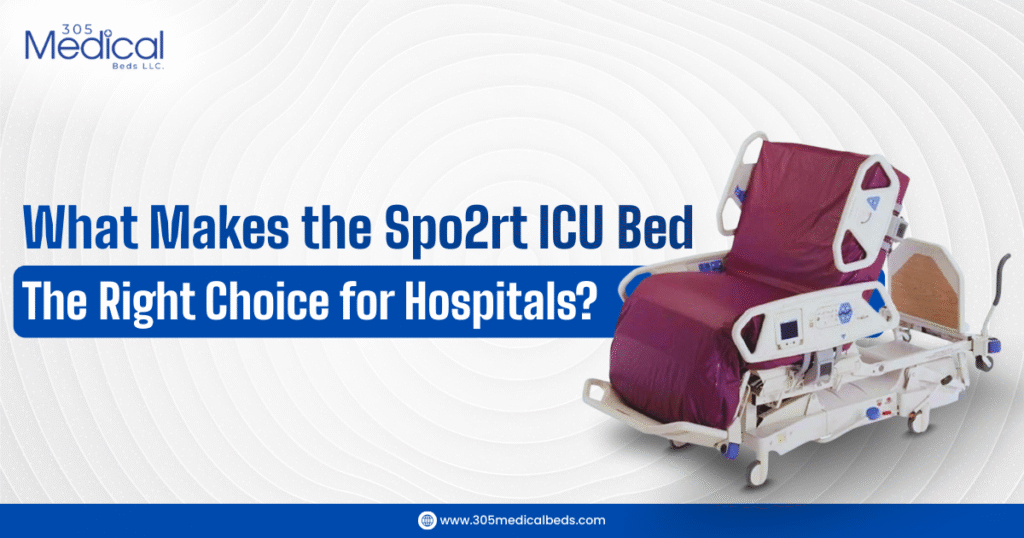
In hospitals and clinics, patient care doesn’t begin with medication or machines—it begins with the bed. From intensive care units to general wards, the right hospital bed plays a critical role in patient comfort, safety, and recovery. Hill-Rom beds for hospitals and clinics are trusted worldwide for their innovation, durability, and clinical performance. Designed with both patients and caregivers in mind, Hill-Rom hospital beds help reduce complications, improve workflow efficiency, and support better health outcomes. To understand why healthcare facilities rely on this brand, it’s helpful to review the broader benefits of Hill-Rom medical beds, which form the foundation of Hill-Rom’s clinical design approach. In this guide, we’ll explore the top 5 Hill-Rom beds widely used across ICUs and hospital departments, focusing on real-world use cases, key features, and which bed is best for specific care needs. Why Choose Hill-Rom Beds for Hospitals and Clinics? Hill-Rom is a globally recognized healthcare brand known for advanced patient support systems. Hospitals and Clinics choose Hill-Rom beds because of their features like: These beds are commonly used in: Many of these same systems are also adapted for post-discharge care, which is why Hill-Rom beds for home recovery have become an increasingly popular option for patients transitioning out of hospital settings. 1. Hill-Rom TotalCare SpO₂rt ICU Bed Best Hill-Rom Bed for Critical Care & ICU Monitoring The Hill-Rom TotalCare SpO₂rt ICU Bed is specifically engineered for high-acuity patients who require constant monitoring and advanced support. It integrates clinical technology directly into the bed to reduce dependency on external devices. 2. Hill-Rom TotalCare Bariatric Plus ICU Bed Best Hill-Rom Bed for Bariatric ICU Patients The Hill-Rom TotalCare Bariatric Plus ICU Bed is designed to safely support bariatric patients without compromising comfort or caregiver safety. Its reinforced design ensures stability while maintaining advanced care features. 3. Hill-Rom Progressa 7500 Pulmonary ICU Bed Best Hill-Rom Bed for Pulmonary & Respiratory Care The Hill-Rom Progressa 7500 Pulmonary ICU Bed is purpose-built for patients with respiratory conditions. It supports pulmonary therapy while helping clinicians manage ventilation and positioning more effectively. 4. Hill-Rom Total Care P1900 Hospital Bed Best Hill-Rom Bed for General Hospital Wards The Hill-Rom Total Care P1900 Hospital Bed is a dependable solution for everyday patient care. It balances simplicity, comfort, and durability, making it suitable for a wide range of clinical settings. 5. Hill-Rom VersaCare Bed Best All-Purpose Hill-Rom Bed for Hospitals and Clinics The Hill-Rom VersaCare Bed is one of the most versatile patient beds available. It adapts to different levels of care, making it a cost-effective and flexible choice for hospitals. Comparison: Best Hill-Rom Beds by Use Case Use Case Recommended Hill-Rom Bed ICU Monitoring TotalCare SpO₂rt ICU Bed Bariatric Care TotalCare Bariatric Plus ICU Bed Pulmonary Care Progressa 7500 Pulmonary ICU Bed General Hospital Use Total Care P1900 Hospital Bed Multi-Department Use VersaCare Bed How to Choose the Right Hill-Rom Bed for Your Facility When selecting Hill-Rom beds for hospitals and clinics, consider: Facilities exploring cost-saving options should also understand key factors involved in buying a refurbished Hill-Rom bed, such as inspection standards, warranty coverage, and supplier reliability. Conclusion Choosing the right hospital bed is a critical investment in patient safety, caregiver efficiency, and clinical outcomes. These Hill-Rom beds for hospitals and clinics offer reliable solutions for ICU care, bariatric support, pulmonary treatment, and general patient recovery. By aligning your facility’s needs with the right Hill-Rom model, you can deliver better care while optimizing hospital operations. Frequently Asked Questions Q1: Which Hill-Rom bed is best for ICU patients? The Hill-Rom TotalCare SpO₂rt ICU Bed is ideal for ICU patients due to its integrated monitoring and advanced pressure redistribution. Q2: Are Hill-Rom beds suitable for bariatric care? Yes, the Hill-Rom TotalCare Bariatric Plus ICU Bed is specifically designed to support bariatric patients safely and comfortably. Q3: What makes Hill-Rom hospital beds different from others? Hill-Rom beds combine clinical technology, patient safety, and ergonomic design, making them a trusted choice for hospitals worldwide.

How the Right Hospital Bed Enhance Patient Comfort
Hospital Beds, Uncategorized

How the Right Hospital Bed Enhances Patient Comfort

Comfort is not just about feeling good—it plays a direct role in healing, recovery, and quality of life. For patients who spend extended time resting or recovering, the bed becomes the centre of daily life. A poorly designed bed can cause discomfort, pain, restless sleep, and even slow recovery. In contrast, the right bed enhances patient comfort by supporting the body, improving safety, and allowing natural movement throughout the day. Whether used in hospitals, rehabilitation centres, or home care environments, choosing the right medical bed can significantly improve both physical and emotional well-being. This guide explains how the right hospital bed enhances patient comfort, what features matter most, and why the right choice makes such a meaningful difference. Why Patient Comfort Is Essential for Health and Recovery Patient comfort is closely connected to health outcomes. When patients are comfortable, they are more relaxed, better rested, and more responsive to care. Comfort affects: Discomfort, on the other hand, can lead to restlessness, fatigue, and frustration. Over time, this can negatively impact both physical healing and emotional health. That’s why the bed itself plays such a critical role in patient care. Understanding how quality hospital beds impact patient outcomes can help caregivers and facilities choose the right equipment. How the Right Hospital Bed Enhances Patient Comfort 1. Proper Body Support Reduces Pain and Pressure One of the most important ways the right hospital bed enhances patient comfort is through proper body support. Medical beds are designed to distribute weight evenly and maintain healthy body alignment. This helps reduce: By minimising pressure points, patients experience less discomfort and can rest more easily. Pairing the right bed with pressure-relief mattresses and supportive accessories further improves comfort and skin health. 2. Adjustable Positioning Improves Daily Comfort Unlike standard beds, medical beds allow patients to adjust their position with ease. This flexibility improves comfort throughout the day and night. Adjustable positioning supports: Being able to change positions without strain prevents stiffness and improves overall comfort. For post-surgery or rehabilitation patients, beds with advanced adjustability make daily care more comfortable and effective. 3. Better Sleep Quality Supports Healing Sleep is essential for physical and mental recovery. The right hospital bed enhances patient comfort by promoting deeper, uninterrupted sleep. Benefits include: When patients sleep well, they heal faster and feel more comfortable during the day. Choosing a hospital bed suitable for long-term home care ensures comfort is maintained outside of clinical settings. Safety and Comfort Go Hand in Hand Stable Design Creates a Sense of Security Comfort is closely linked to how safe a patient feels. A stable, well-designed hospital bed enhances comfort by reducing fear and anxiety. A secure bed: When patients feel secure, they relax more easily—leading to better comfort and peace of mind. Height Adjustability Makes Movement Easier Beds that adjust in height make everyday activities smoother and safer. The right hospital bed enhances patient comfort by allowing: This ease of movement reduces frustration and discomfort throughout the day. Standard Bed vs Medical Bed: Comfort Comparison Understanding the difference helps clarify why hospital bed choice matters so much. Standard Bed Medical Bed This comparison highlights why choosing the right hospital bed makes a tangible difference in patient comfort and recovery. How the Right Hospital Bed Enhances Comfort for Different Patient Needs Long-Term Care Patients For patients spending extended periods in bed, comfort is critical. The right hospital bed helps by: This improves both daily comfort and long-term health. Post-Surgery and Recovery Patients After surgery, patients often experience pain and limited mobility. The right hospital bed enhances comfort by: Comfort during recovery encourages movement and faster healing. Home Care Patients In home care settings, the right hospital bed improves daily life by: Comfort at home supports emotional well-being and independence. Key Hospital Bed Features That Maximise Patient Comfort Pressure-Relief Mattress Compatibility The right hospital bed works seamlessly with pressure-relief mattresses to minimise discomfort and protect skin health. Electric Controls for Ease of Use Electric adjustments allow patients or caregivers to change positions effortlessly, improving comfort without physical strain. Supportive Bed Rails Bed rails provide stability and reassurance, helping patients reposition safely and comfortably. Quiet and Smooth Operation Beds that operate quietly prevent sleep disruption and maintain a calm, restful environment. Emotional Comfort: An Often Overlooked Benefit Comfort is not only physical—it’s emotional. The right hospital bed enhances emotional comfort by: This aspect is especially important for patients in home care or rehabilitation, where mental well-being significantly affects recovery. How to Choose the Right Hospital Bed for Maximum Comfort When selecting a hospital bed, consider: A well-informed choice prevents common hospital bed issues and ensures long-term comfort. How Does the Right Hospital Bed Improve Patient Comfort? The right hospital bed improves patient comfort by providing proper body support, adjustable positioning, pressure relief, enhanced safety, and improved sleep quality. Together, these features reduce pain, promote relaxation, and support recovery. Final Thoughts The right hospital bed enhances patient comfort by supporting the body, improving sleep, increasing safety, and promoting emotional well-being. From adjustable positioning to stable design and pressure relief, the right hospital bed plays a vital role in everyday comfort and long-term health. For a complete guide on types and features of hospital beds, and understanding why newer ICU beds aren’t always better, reviewing detailed options ensures the patient receives the best comfort and support. Whether in a healthcare facility or at home, investing in the right hospital bed means less discomfort, better rest, and a higher quality of life for patients.

How Bariatric Beds Improve Patient Recovery and Mobility
Bariatric Beds, Uncategorized

How Bariatric Beds Improve Recovery and Mobility

Recovery should feel supportive—not stressful. For bariatric patients, the journey toward healing and better movement often comes with added physical challenges, from joint pressure to limited mobility. A standard bed may not offer the stability, comfort, or safety needed during this process. That’s where bariatric beds‘ recovery and mobility support truly makes a difference. Designed specifically for higher weight capacities and wider body dimensions, bariatric beds help patients heal comfortably while encouraging safer movement. Their role in the importance of bariatric beds for heavier patients highlights why specialized equipment is essential for positive recovery outcomes In this guide, you’ll learn how bariatric beds improve recovery and mobility, what features matter most, and why choosing the right bed can significantly impact patient outcomes. What Is a Bariatric Bed? A bariatric bed is a specialised medical bed engineered to support individuals with higher body weight and broader frames. Unlike standard hospital beds, bariatric beds are built with reinforced materials and advanced adjustability to ensure safety, comfort, and durability. Key characteristics include: Modern designs discussed in advanced bariatric bed construction and performance demonstrate how these beds are built to support both healing and mobility. If you want a deeper understanding, learn what is a bariatric hospital bed and how it differs from standard hospital beds. Why Recovery and Mobility Are More Challenging for Bariatric Patients Bariatric patients often face unique physical barriers during recovery, such as: Without proper support, these challenges can slow healing and reduce independence. Bariatric beds, recovery, and mobility solutions are designed to address these issues directly. How Bariatric Beds Improve Recovery 1. Superior Comfort That Promotes Healing Comfort is not a luxury—it’s a critical part of recovery. Bariatric beds provide: A strong emphasis on exceptional comfort for bariatric patients in medical beds helps improve sleep quality, pain management, and overall healing. 2. Reduced Risk of Pressure Injuries Pressure injuries are a serious concern during extended bed rest. Bariatric beds help prevent them by: By reducing skin breakdown, bariatric beds contribute to safer and more effective recovery. 3. Advanced Positioning for Better Recovery Outcomes Electric adjustability allows patients and caregivers to customise positioning, including: Advanced positioning systems commonly found in bariatric ICU bed solutions for critical care support both recovery and clinical monitoring. How Bariatric Beds Improve Mobility 4. Safer Transfers In and Out of Bed One of the biggest mobility milestones is safely getting in and out of bed. Bariatric beds improve this by: In clinical environments, bariatric ICU bed support for patient transfers plays an important role in mobility safety. 5. Encouraging Independent Movement Independence plays a key role in mobility recovery. Bariatric beds support this by offering: Patients who move independently tend to regain strength and confidence faster. 6. Supporting Caregiver-Assisted Mobility For patients who require assistance, bariatric beds help protect caregivers by: Features highlighted in bariatric patient care efficiency and safety design help create safer caregiving environments. Key Bariatric Bed Features That Enhance Recovery and Mobility Heavy-Duty Weight Capacity Built with reinforced frames and motors, bariatric beds provide stable, reliable support without compromising safety. Extra-Wide Sleep Surface A wider bed allows: This directly improves both recovery and mobility confidence. Full Electric Adjustability Electric controls allow patients or caregivers to easily adjust bed position, encouraging regular  movement and proper positioning. Supportive Bed Rails Optional or integrated rails provide: These features significantly improve mobility safety. Bariatric Beds in Home Care vs. Medical Facilities Home Care Recovery Benefits In a home environment, bariatric beds: They turn home recovery into a safer, more dignified experience. Hospital and Rehabilitation Use In clinical settings, bariatric beds: Early and safe movement is proven to shorten recovery timelines. How to Choose the Right Bariatric Bed for Recovery and Mobility When selecting a bariatric bed, consider: Following bariatric bed selection guidance for larger patients helps ensure the best match for recovery and mobility needs. Why Bariatric Beds Are a Long-Term Investment in Health Beyond recovery, bariatric beds support: For both short-term healing and long-term care, bariatric beds provide unmatched value. Final Thoughts Bariatric beds, recovery, and mobility solutions are essential for patients who need safe, comfortable, and supportive care. From reducing pressure injuries to encouraging independent movement, these beds directly impact healing speed and overall well-being. Whether for home care or clinical use, investing in the right bariatric bed means safer movement, faster recovery, and greater independence. Explore our range of bariatric beds designed to support recovery and mobility at 305medicalbeds.com.

305 Medical Beds LLC |  2739 W 79 St, Unit 15, Hialeah, Florida 33016 |  Phone: 1.305.562.7960
© Copyright 2012 – 2024 | All Rights Reserved.

You have been successfully Subscribed! Ops! Something went wrong, please try again.

About Us

We are passionate about our customer service, assuring that our equipment is in appropriate conditions and operating correctly. We also offer guidance before purchasing any equipment, making sure that your purchase is the best choice for your needs.

305 Medical Beds LLC |  2739 W 79 St, Unit 15, Hialeah, Florida 33016 |  Phone: 1.305.562.7960
© Copyright 2012 – 2024 | All Rights Reserved.