Medical Beds

What Should You Check When Buying Refurbished Medical Bed
Hospital Beds, Medical Beds, Refurbished Hospital Beds, Refurbished Medical Beds

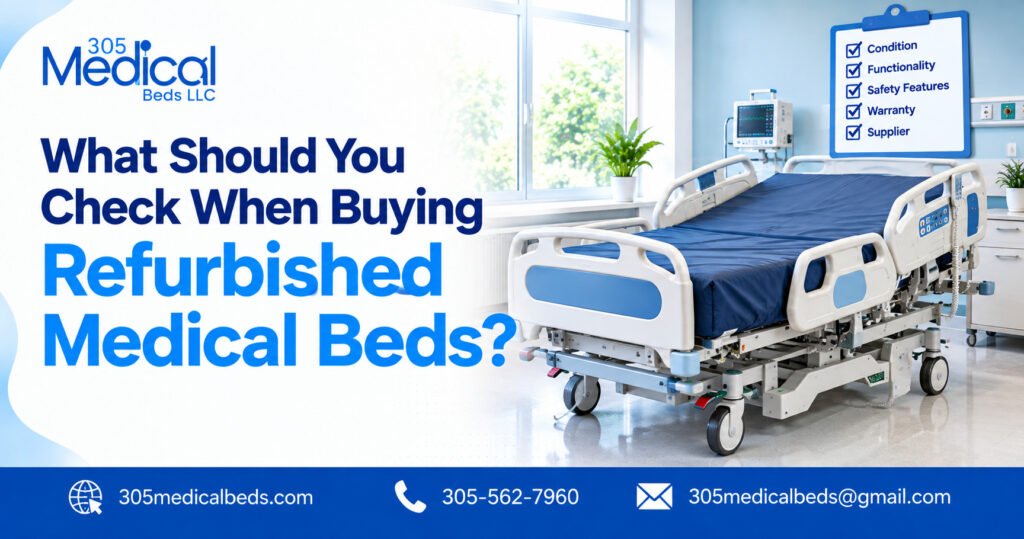
What Should You Check When Buying Refurbished Medical Beds?

Buying refurbished medical beds can be a practical option for hospitals, nursing facilities, rehabilitation centers, healthcare providers, and home-care environments. However, a lower price should not be the only consideration. Before purchasing a refurbished medical bed, buyers should check its overall condition, weight capacity, mechanical and electrical functions, safety features, included components, and the supplier’s refurbishment process. A careful inspection helps ensure that the medical bed is appropriate for its intended patient, environment, and level of care. What Is a Refurbished Medical Bed? A refurbished medical bed is a previously used medical bed that has been inspected, serviced, repaired, cleaned, or restored for continued use. The exact refurbishment process can vary between suppliers and individual beds. Some refurbished beds may receive replacement parts or components, while others may require only inspection and servicing. Because refurbishment standards can differ, it is important to ask the medical bed supplier what work was performed before purchasing. 1. Check the Bed’s Overall Condition Start by examining the overall physical condition of the bed. Look for signs of excessive wear, damage, corrosion, cracks, loose components, or missing parts. Pay particular attention to the frame, mattress platform, side rails, headboard, footboard, and other structural components. Normal cosmetic wear may be expected on used equipment, but significant structural damage should be investigated before purchase. 2. Verify the Weight Capacity Weight capacity is one of the most important specifications to confirm before purchasing a refurbished medical bed. Check the manufacturer’s specifications and verify that the bed’s stated capacity is appropriate for the intended patient and use. Do not assume that two medical beds with similar appearances have the same weight capacity. For specialized beds, including bariatric models, the manufacturer’s specified safe working load should be confirmed before use. 3. Test the Bed’s Adjustable Functions Many medical beds provide adjustable positioning to support patient care and caregiver access. Depending on the model, functions may include: Before purchasing, confirm that the available functions operate properly and that the bed moves smoothly through its intended range of adjustment. 4. Inspect the Electrical System For an electric medical bed, the electrical system should be checked carefully. Inspect the: The controls should respond correctly, and the bed should operate according to the manufacturer’s specifications. If replacement electrical components have been installed during refurbishment, ask the supplier which components were replaced and whether they are compatible with the specific bed model. 5. Check the Side Rails and Safety Features Side rails and other safety components should be inspected for damage, proper operation, and secure attachment. Check that side rails move, lock, and release as intended. Also review other available safety features, such as wheel locks, emergency functions, and patient-control systems. The appropriate safety features depend on the bed model and the patient’s care requirements. 6. Inspect the Casters and Braking System Medical beds are frequently moved within healthcare environments, making the condition of their casters and brakes important. Check that: Damaged or poorly functioning casters can affect the bed’s mobility and stability. 7. Confirm Mattress Compatibility Do not assume that any medical mattress will fit a refurbished medical bed. Check the bed’s required mattress dimensions and compatibility before purchasing. The mattress should be appropriate for the specific bed design and intended use. For specialized medical beds, the correct mattress can also be important for maintaining the bed’s intended functions. 8. Ask What Was Included in the Refurbishment One of the most important questions to ask a supplier is: What exactly was done to refurbish this medical bed? A reputable supplier should be able to explain the refurbishment process as clearly as possible. Depending on the bed and supplier, refurbishment may involve: The refurbishment process can vary, so buyers should ask for specific details rather than assuming that every refurbished bed has received the same level of service. 9. Check the Manufacturer and Model Before purchasing, identify the medical bed’s manufacturer and model number. This information can help you verify: Knowing the exact model also makes it easier to determine whether the bed is suitable for your intended application. 10. Ask About Warranty or Service Support Ask the medical bed supplier whether the refurbished equipment comes with a warranty, return policy, or service support. Warranty terms can vary significantly between suppliers and products. Before purchasing, clarify what is covered, how long coverage lasts, and what happens if a component requires repair or replacement. For healthcare facilities purchasing multiple beds, it can also be useful to understand whether the supplier provides ongoing parts or service support. 11. Consider the Intended Environment The right medical bed depends on where and how it will be used. A bed intended for a hospital may have different requirements from one used in a nursing facility, rehabilitation center, or home-care environment. Consider: These factors can help determine whether a particular refurbished medical bed is appropriate for the intended environment. 12. Compare the Supplier, Not Just the Price Price is an important part of a purchasing decision, but it should not be the only factor. When comparing a medical bed supplier, consider the supplier’s ability to provide information about the bed’s condition, specifications, refurbishment work, available components, warranty, and after-sales support. A cheaper bed may not provide the same specifications, condition, service support, or included components as another refurbished medical bed. The goal should be to compare the complete value of the equipment rather than simply comparing the purchase price. Refurbished Medical Beds vs. New Medical Beds Both new and refurbished medical beds can serve different purchasing needs. Consideration Refurbished Medical Bed New Medical Bed Previous use Previously used New Condition Depends on refurbishment and prior use New condition Cost May offer a lower purchase cost Typically higher initial cost Components May include original or replacement components New components Warranty Depends on supplier Depends on manufacturer/supplier Availability May depend on used inventory Depends on manufacturer availability The right option depends on the buyer’s budget, equipment requirements, intended use, and the specific product available. Questions to Ask a Medical Bed Supplier Before
Should You Buy a New or Refurbished Hospital Bed
Hospital Beds, Medical Beds, Refurbished Hospital Beds, Refurbished Medical Beds

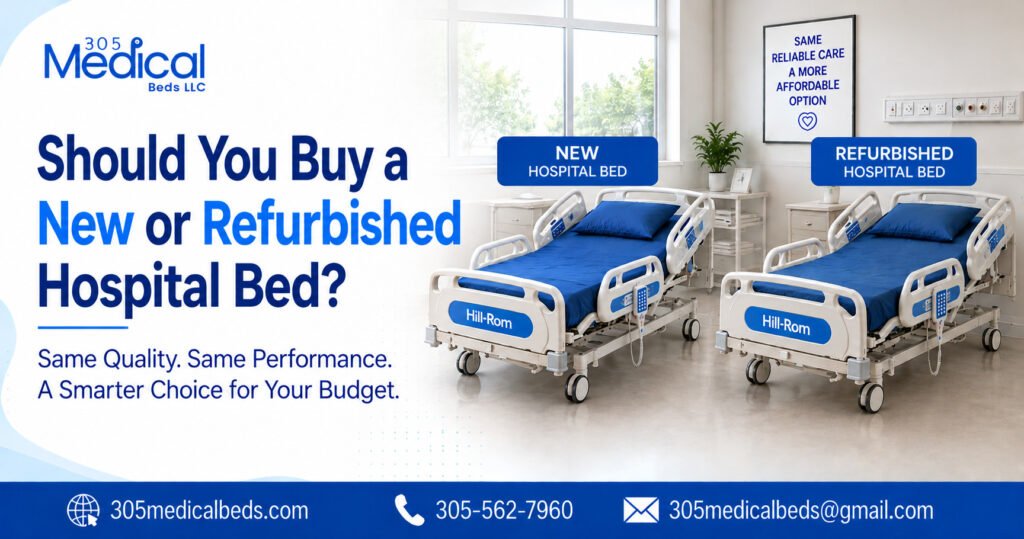
Should You Buy a New or Refurbished Hospital Bed?

When a hospital, care facility, rehabilitation center, or home-care provider needs a dependable medical bed, one of the first questions is whether to purchase a new bed or choose a refurbished model. While new equipment may seem like the obvious choice, it is not always the most practical or cost-effective option. For many buyers, refurbished hospital beds offer an excellent balance between price, reliability, functionality, and availability. A properly refurbished hospital bed can provide many of the features and capabilities expected from hospital-grade equipment while costing considerably less than purchasing new. At 305 Medical Beds, we help buyers explore practical hospital bed options based on their needs and budget. From standard hospital medical beds to specialized bariatric and advanced-care models, choosing the right equipment is about more than simply buying something new. It is about finding a bed that delivers the right combination of quality, functionality, fit, and value. Why Consider a Refurbished Hospital Bed? Healthcare equipment can be a significant investment. Hospitals and care providers may need multiple beds at once, while individual buyers may be looking for reliable equipment without taking on the high cost associated with brand-new models. This is where refurbished equipment can make a real difference. A quality refurbished hospital bed has already been manufactured and used, but it can be inspected, serviced, cleaned, tested, and prepared for continued use. Instead of paying a premium simply for new equipment, buyers can potentially access established hospital-grade equipment at a more affordable price. For budget-conscious healthcare providers, that can make refurbished equipment a particularly attractive option. Refurbished Hospital Beds Can Be More Cost-Friendly One of the biggest advantages of buying refurbished is the potential for significant cost savings. New hospital beds can be expensive, particularly when they include advanced positioning systems, electronic controls, specialized surfaces, or other clinical features. Buying several beds can quickly increase the total investment. A refurbished bed can provide access to many of those same types of features at a lower purchase price. The money saved can then be allocated toward other important healthcare needs, including mattresses, accessories, replacement components, maintenance, or additional patient-care equipment. For facilities working with a limited equipment budget, choosing affordable hospital beds does not necessarily mean compromising on quality. The key is selecting equipment from a dependable source and understanding exactly what has been inspected and serviced. Reliability Matters More Than Whether a Bed Is New A common misconception is that a new hospital bed is automatically more reliable than a refurbished one. In reality, reliability depends on the condition of the equipment, refurbishment process, components, maintenance, and supplier. A properly evaluated refurbished hospital bed can remain a dependable piece of equipment for hospitals, nursing facilities, rehabilitation environments, and other care settings. Before purchasing, buyers should look for beds that have been thoroughly checked for important functions such as: The goal should not simply be to find the cheapest bed available. Instead, buyers should look for a high-quality hospital bed that has been appropriately inspected and is suitable for its intended use. Refurbished Can Give You Access to Established Hospital-Grade Models Another advantage of buying refurbished is the opportunity to find established models that may otherwise be outside your budget when purchased new. For example, buyers researching a Hill-Rom Progressa bed may be interested in the capabilities of an established advanced-care platform without necessarily wanting to pay the cost of acquiring brand-new equipment. The same applies to specialized models such as the Hill-Rom Progressa Pulmonary Bed or Hill-Rom VersaCare P3200 hospital bed. Availability will vary depending on inventory and condition, but refurbished equipment can give buyers another route to finding the type of hospital bed they need. Instead of limiting your search to brand-new equipment, it can be worthwhile to compare new and refurbished options side by side. What About Bariatric Hospital Beds? Not every patient has the same mobility, size, or support requirements. For patients who require additional weight capacity and a wider sleeping surface, a standard bed may not be appropriate. A bariatric hospital bed is specifically designed to accommodate higher patient weight capacities and provide an appropriate platform for patient care. For facilities that need to purchase multiple beds, refurbished bariatric equipment may offer a more budget-friendly way to expand their available patient-care options. When considering a bariatric patient bed, however, buyers should pay close attention to specifications such as: The right choice should always be based on the patient’s requirements and the manufacturer’s specifications rather than price alone. Is a Refurbished Bed a Good Fit for Your Facility? Refurbished hospital beds can be particularly useful for organizations that need to balance equipment quality with budget requirements. They may be a practical option for: The important factor is matching the bed to the application. A basic medical bed may be appropriate for one patient-care environment, while another situation may require an advanced bed with specialized positioning or pulmonary-care capabilities. New vs. Refurbished: What Should You Choose? There is no single answer for every buyer. New equipment can make sense when a facility specifically requires the latest model, a particular manufacturer warranty, or features available only on newer equipment. However, if the priority is value, functionality, reliability, and cost control, refurbished equipment deserves serious consideration. Here is a simple comparison: Consideration New Hospital Bed Refurbished Hospital Bed Purchase cost Usually higher Usually more affordable Equipment age Brand new Previously used Potential savings Lower Higher Established models Available Often available Functionality New equipment features Depends on model and refurbishment Availability Depends on manufacturer Depends on inventory Best for Buyers prioritizing new equipment Buyers prioritizing value and budget The right decision ultimately comes down to your facility’s requirements, budget, and the condition and specifications of the equipment being considered. What Should You Check Before Buying a Refurbished Hospital Bed? Buying refurbished does not mean you should lower your standards. Before purchasing, ask the supplier about the bed’s condition and refurbishment process. Find out whether the equipment has been inspected and whether important functions have been tested. It

Refurbished Hospital Beds
Hospital Beds, Medical Beds, Refurbished Hospital Beds, Refurbished Medical Beds

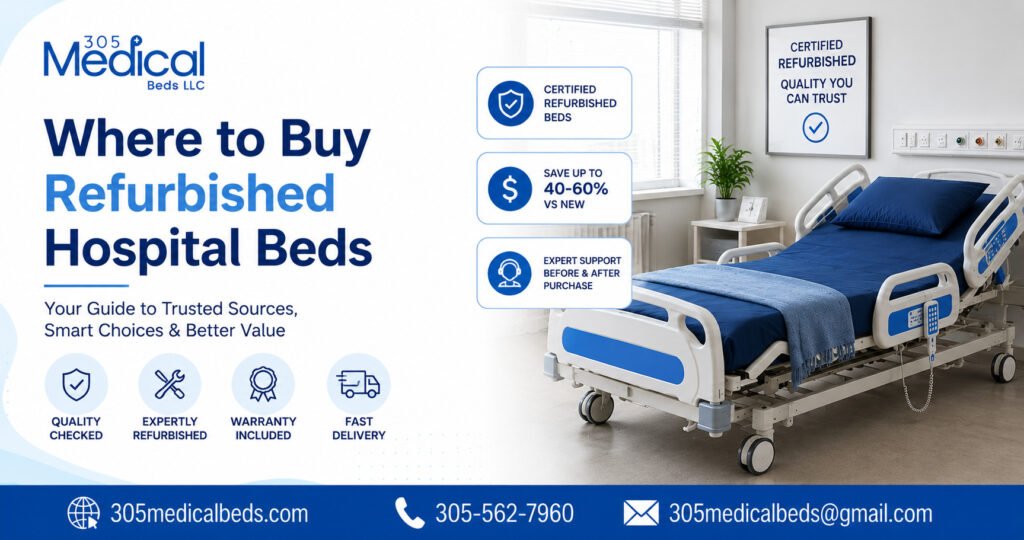
Where to Buy Refurbished Hospital Beds: A Complete Buyer’s Guide

Finding the right refurbished hospital bed can be a smart way to get hospital-grade equipment without paying the price of new equipment. But where should you buy one? A quick search can bring up used equipment listings, private sellers, marketplaces, and medical equipment suppliers. The challenge is knowing whether the bed you’re considering has actually been inspected, tested, and prepared for its next use. When the equipment will be used for patient care, the seller matters just as much as the bed itself. At 305 Medical Beds, we specialize in certified refurbished hospital, ICU, bariatric, and adjustable medical beds, serving healthcare facilities and home-care patients across Florida and the United States. This guide explains what to look for when deciding where to buy refurbished hospital beds and what makes a supplier worth considering. What Are Refurbished Hospital Beds? Refurbished hospital beds are previously used medical beds that have been restored, inspected, and tested before being offered for sale. At 305 Medical Beds, refurbished equipment goes through a 47-point inspection performed by certified technicians. The company’s process includes testing mechanical, electrical, and structural components and repairing components when needed before delivery. That process is an important distinction between a professionally refurbished hospital bed and a used bed simply being resold. For buyers, the goal isn’t simply to find an older bed at the lowest possible price. It’s to find a bed that provides the features, functionality, condition, and support needed for the intended use. Where Can You Buy Refurbished Hospital Beds? There are several places where buyers may encounter used or refurbished medical beds. However, when you’re purchasing equipment for patient care, it is important to understand exactly what you’re getting. 1. Specialized Medical Equipment Suppliers A dedicated medical equipment supplier can provide a more focused buying experience because the business specializes in medical equipment rather than selling unrelated products. 305 Medical Beds specializes in refurbished hospital and medical beds, including ICU beds, bariatric beds, and adjustable beds. The current inventory includes refurbished Hill-Rom models such as: Availability and specific configurations can vary, so buyers should contact the supplier about the model that fits their requirements. 2. Online Marketplaces Online marketplaces can make it easy to find used medical equipment. But the listing price alone doesn’t tell you everything you need to know. Before purchasing, consider asking: The more expensive and complex the bed, the more important these questions become. Why Buy From 305 Medical Beds? 305 Medical Beds focuses specifically on refurbished medical equipment and provides several advantages for buyers looking for hospital beds. Certified Refurbished Equipment The company describes its beds as certified refurbished and says each bed undergoes a 47-point inspection by certified technicians. Lower Cost Than New Equipment 305 Medical Beds states that its refurbished beds can save buyers 40–60% compared with new equipment. That can make refurbished equipment an attractive option for facilities and individuals working with a limited equipment budget. Multiple Hospital Bed Options The current inventory includes ICU, bariatric, and adjustable hospital beds, with different configurations and mattress options. Professional Installation According to 305 Medical Beds, deliveries include professional installation and a demonstration of the bed’s functions by trained technicians. Local Miami-Dade Delivery For customers in Miami-Dade County, the company offers same-day delivery and professional installation, subject to availability. Nationwide shipping is also available, with the website stating a typical 1–5 business day lead time for most orders. What Should You Check Before Buying a Refurbished Hospital Bed? Don’t make your decision based on price alone. Use this checklist before purchasing. 1. Ask About the Inspection Process One of the first questions should be: “What exactly was inspected?” A reputable supplier should be able to explain its refurbishment and testing process. 305 Medical Beds states that its certified technicians perform a 47-point inspection covering mechanical, electrical, and structural components. 2. Check Which Features You Actually Need Not every patient or facility needs the same type of hospital bed. For example, you may be looking for: 305 Medical Beds offers different types of refurbished beds to accommodate different care environments and requirements. The right question isn’t: “What is the most expensive bed?” It’s: “Which bed has the features we actually need?” 3. Ask About the Mattress The mattress configuration can differ between hospital beds. For example, current 305 Medical Beds inventory includes configurations with foam mattresses, air mattresses, and scales, depending on the model. Always confirm exactly what is included with the specific bed you’re purchasing. 4. Ask About Delivery and Installation Hospital beds aren’t ordinary household furniture. They can be large, heavy, and technically complex. Before ordering, confirm: For Miami-Dade customers, 305 Medical Beds currently offers same-day delivery and professional installation when available. 5. Ask About Support After Purchase The buying process shouldn’t necessarily end when the bed arrives. If you’re unfamiliar with the equipment, having someone explain its functions can make the transition much easier. 305 Medical Beds says its team provides professional installation and a full demonstration of bed functions at delivery. The company also offers pre-purchase consultation for customers who aren’t sure which bed is appropriate for their situation. How Much Do Refurbished Hospital Beds Cost? There isn’t one universal price for a refurbished hospital bed. The price depends on factors such as: 305 Medical Beds currently lists refurbished hospital beds starting at $1,990, while higher-end ICU and specialty models are priced higher. For example, current listings include: VersaCare P3200 with Foam Mattress: $1,990 Total Care P1900: $2,290 VersaCare P3200 with Air Mattress: $2,490 Prices and availability can change, so check the current product listings before making a purchasing decision. Refurbished Hospital Beds vs. Buying New One of the biggest reasons people consider refurbished equipment is cost. A new hospital bed can require a significant investment, especially when you’re looking at advanced hospital or ICU equipment. A properly refurbished bed can provide another option. 305 Medical Beds positions its refurbished equipment as a way to obtain high-performance medical equipment at a lower cost, with the website stating savings of 40–60%

Medical Bed for Sale How to Choose the Right Bed for Long-Term Home Care
Hospital Beds, Medical Beds

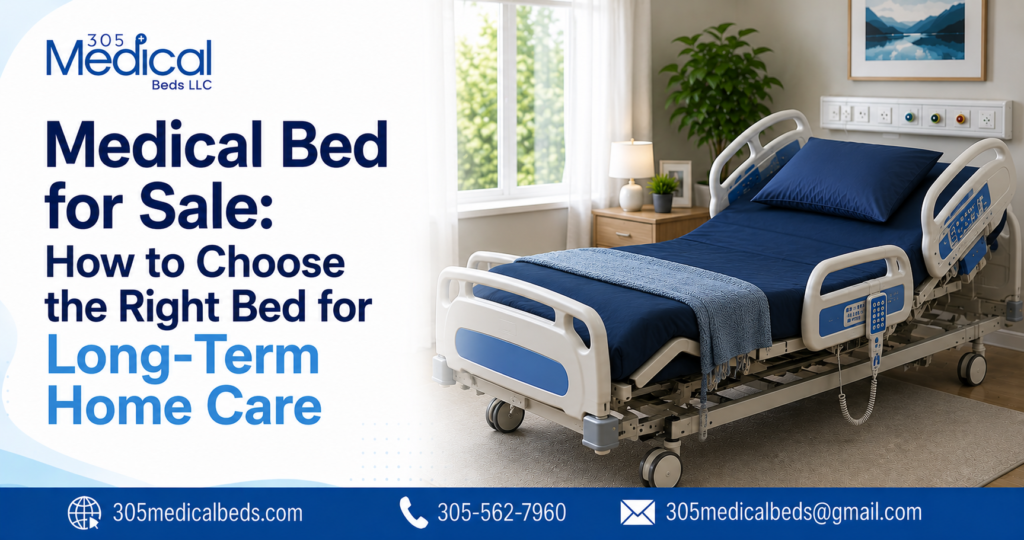
Medical Bed for Sale: How to Choose the Right Bed for Long-Term Home Care

When caring for a loved one at home, having the right medical equipment can make everyday life safer, more comfortable, and less stressful. One of the most important investments is selecting a high-quality medical bed for sale that meets both the patient’s medical needs and the caregiver’s daily responsibilities. Modern home medical beds are designed to provide hospital-level support while fitting comfortably into residential environments. Whether the bed is needed for recovery after surgery, elderly care, chronic illness, or long-term rehabilitation, choosing the right model can improve comfort, mobility, and overall quality of life. This guide explains what to look for before purchasing a medical bed and why working with a trusted medical bed supplier is essential. Why Invest in a Medical Bed for Home Care? Unlike a standard bed, a medical bed is specifically engineered to support patients who spend extended periods resting or require assistance with mobility. A quality hospital bed for home offers adjustable positioning, improved safety, and easier access for caregivers. These features can reduce physical strain while helping patients maintain greater independence. Some of the key benefits include: Understanding Different Types of Medical Beds Before purchasing a medical bed for sale, it’s important to understand the available options. Manual Medical Beds Manual beds use hand cranks to adjust the head and foot sections. They are typically the most affordable option and work well for patients who require only occasional adjustments. Semi-Electric Medical Beds Semi-electric models use electric motors for head and foot positioning while requiring manual adjustment for bed height. They provide a good balance between affordability and convenience. Fully Electric Hospital Beds Fully electric beds allow patients or caregivers to control every adjustment using a remote. These models are ideal for long-term home care because they improve comfort while minimizing physical effort. Key Features to Consider Choosing the right bed goes beyond selecting an electric or manual model. Consider these important features before making a purchase. Adjustable Positioning Multiple positioning options help patients sleep, rest, eat, and recover more comfortably. Raising the head can assist with breathing, while elevating the legs may improve circulation and reduce swelling. Mattress Compatibility A supportive mattress is essential for preventing discomfort and pressure injuries. Many medical beds are compatible with foam, gel, and alternating pressure mattresses designed specifically for long-term care. Safety Rails Integrated side rails provide stability during movement and help reduce the risk of accidental falls. Many beds include rails that can be folded down for easier patient transfers. Weight Capacity Always verify that the bed supports the patient’s weight comfortably. Bariatric models are available for individuals requiring additional support. Quiet Electric Motors High-quality electric motors provide smooth, quiet adjustments without disturbing the patient during rest. Choosing the Right Size Most home medical beds are available in standard and extended sizes. A larger bed may provide greater comfort, while a standard size often fits better in residential bedrooms. Before ordering, measure the available space to ensure there is enough room for caregivers to move around safely. Who Can Benefit from a Medical Bed? A home medical bed is beneficial for many situations, including: The right bed helps patients remain comfortable while making daily care much easier for family members and healthcare providers. Why Work with a Trusted Medical Bed Supplier? The supplier you choose is just as important as the bed itself. A professional medical bed supplier should offer: Buying from an experienced supplier provides confidence that your investment will deliver reliable performance for years to come. Questions to Ask Before Buying Before selecting a medical bed for sale, ask yourself: Answering these questions can help narrow your options and prevent costly mistakes. Tips for Maintaining Your Medical Bed Proper maintenance extends the lifespan of your investment. Here are a few simple tips: Routine care helps ensure reliable operation and patient safety. Final Thoughts Finding the right medical bed for sale is an important step toward creating a safer and more comfortable home care environment. By considering features such as adjustability, mattress compatibility, safety rails, durability, and ease of operation, you can choose a bed that supports both patient recovery and caregiver convenience. Whether you’re purchasing a bed for short-term recovery or ongoing care, working with an experienced medical bed supplier ensures you receive dependable products, expert guidance, and long-term support. Investing in the right hospital bed for home can significantly improve comfort, independence, and peace of mind for everyone involved.

7 Must-Have Features in Modern Medical Beds
Medical Beds

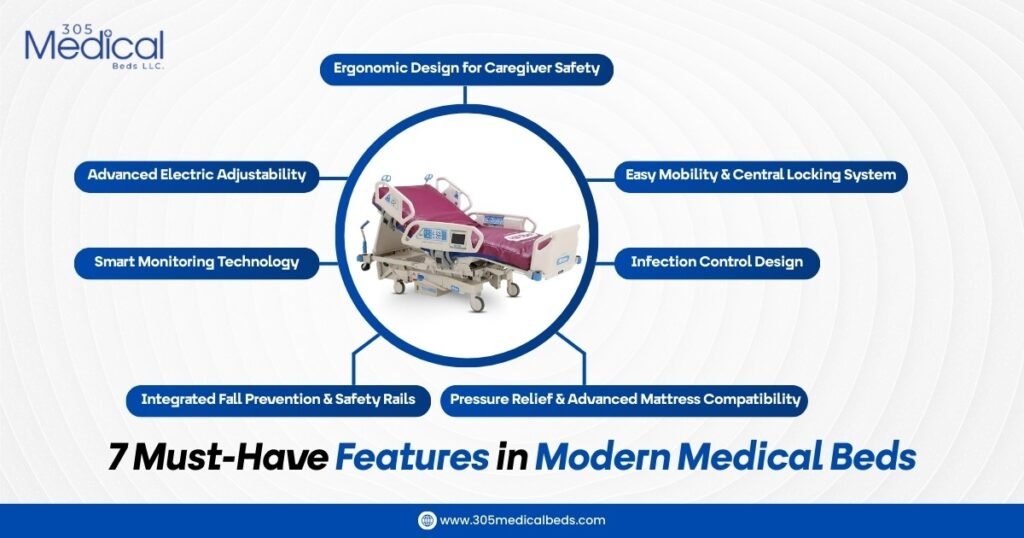
7 Must-Have Features in Modern Medical Beds

Modern medical beds are advanced electric hospital beds equipped with safety rails, smart monitoring systems, pressure relief compatibility, and infection-control design to enhance patient comfort, safety, and healthcare efficiency. A hospital bed is no longer just a bed. It’s a recovery platform.It’s a safety system.It’s a smart healthcare tool. Modern medical beds are transforming patient care by combining technology, comfort, and efficiency into one integrated system. Whether you manage a hospital, clinic, ICU, or long-term care facility, investing in the right modern medical beds directly impacts patient outcomes and operational performance. Before we explore the 7 must-have features, let’s clearly define what modern medical beds really are. What Are Modern Medical Beds? Modern medical beds are advanced hospital beds designed with electric adjustment, integrated safety systems, pressure-relief compatibility, infection-control materials, and smart monitoring technology to improve patient comfort and healthcare efficiency. They go far beyond traditional manual hospital beds. Why Modern Medical Beds Matter in Today’s Healthcare Environment Healthcare facilities today face: Modern medical beds address all these challenges simultaneously. 1. Advanced Electric Adjustability Electric adjustability is the foundation of modern medical beds. Must-Have Functions: Benefits: Electric hospital beds significantly outperform manual systems in efficiency and safety. 2. Integrated Fall Prevention & Safety Rails Patient falls remain a major concern in healthcare settings. Modern medical beds must include: These features reduce fall-related injuries and liability risks. 3. Pressure Relief & Advanced Mattress Compatibility Pressure ulcers can develop within hours in immobile patients. Modern medical beds must support: Why It Matters: 4. Smart Monitoring Technology Technology integration defines true modern medical beds. Look for: Smart hospital beds improve response time and patient monitoring accuracy. 5. Easy Mobility & Central Locking System Hospital workflows depend on mobility. Modern medical beds should include: This ensures safe patient transport across departments. 6. Infection Control Design Infection prevention is non-negotiable. Modern medical beds should feature: These features support hygiene protocols recommended by global health authorities. You can reference infection control standards from organizations like: Adding outbound links to these authorities increases content trustworthiness. 7. Ergonomic Design for Caregiver Safety Healthcare professionals experience high rates of musculoskeletal injuries. Modern medical beds reduce physical strain through: This improves staff productivity and reduces workplace injuries. Basic Beds vs Modern Medical Beds Feature Basic Hospital Beds Modern Medical Beds Adjustment Manual Fully Electric Safety Rails Basic Integrated Smart Rails Monitoring None Digital Monitoring Infection Control Standard Surface Antimicrobial Design Mobility Limited Central Locking System Pressure Relief Basic Mattress Advanced Compatibility This comparison helps buyers make informed decisions — improving commercial intent alignment. Cost vs Value of Modern Medical Beds While modern medical beds may require higher initial investment, the long-term value is significant. Cost Considerations: Long-Term Value: Hospitals that invest in advanced medical beds often see measurable ROI within a few years. How to Choose the Right Modern Medical Beds Before purchasing, evaluate: Also, review your facility’s existing infrastructure to ensure compatibility. Why Trust 305 Medical Beds for Modern Medical Beds? We specialize in healthcare equipment designed to improve patient safety and hospital efficiency. Our experience in medical infrastructure solutions allows us to understand both clinical and operational requirements. Every recommendation in this guide focuses on real-world healthcare needs. Ready to Transform Patient Care? Final Thoughts Modern medical beds are no longer optional upgrades — they are essential healthcare infrastructure. Facilities that prioritize advanced hospital beds improve patient satisfaction, reduce risks, and enhance operational performance. If you’re planning to upgrade your healthcare facility, investing in high-quality modern medical beds is a strategic and future-ready decision. FAQs

When Should You Consider a Medical Bed for Home Care
Home Care

When Should You Consider a Medical Bed for Home Care?

A medical bed for home care is recommended when a patient has limited mobility, increased fall risk, chronic illness, or requires special positioning for recovery. It improves safety, comfort, and caregiver efficiency at home. Caring for a loved one at home is an act of love — but it also comes with challenges. As health conditions change, regular beds may no longer provide the comfort, safety, or support needed. That’s when a medical bed for home care becomes more than just equipment — it becomes essential support for both the patient and caregiver. If you’re wondering whether it’s time to consider one, this guide will help you make a confident and informed decision. What Is a Medical Bed for Home Care? A medical bed for home care is an adjustable hospital-style bed designed for residential use. It provides enhanced safety, positioning support, and comfort for individuals recovering from illness, surgery, injury, or managing chronic conditions. Unlike standard beds, medical beds offer electric adjustability, side rails, and pressure-relief compatibility to improve quality of care at home. 7 Signs You Should Consider a Medical Bed for Home Care Recognizing the right time is critical. Here are the most common situations where a medical bed becomes necessary. 1. Limited Mobility or Difficulty Moving If your loved one: A medical bed for home care allows head, foot, and height adjustment, making movement safer and easier. Risk of Falls Falls are a serious concern, especially for elderly individuals. A medical bed helps reduce fall risk through: If falls are becoming frequent, it’s time to consider upgrading to a safer sleeping solution. Chronic Illness or Long-Term Condition Conditions such as: Often require special positioning and long periods in bed. A medical bed for home care supports comfortable positioning that improves breathing, circulation, and pain management. Post-Surgery Recovery After surgery, patients need controlled positioning and limited strain. Medical beds provide: This promotes faster recovery and reduces complications. Pressure Ulcer (Bedsores) Risk If someone spends extended time in bed, pressure sores can develop quickly. Medical beds support: This reduces skin breakdown and improves blood circulation. Caregiver Physical Strain If caregivers experience: A medical bed for home care reduces physical effort through electric adjustments and optimal working height. Caregiver safety is just as important as patient comfort. Transition from Hospital to Home When a patient is discharged but still requires medical-level support, a home medical bed bridges the gap between hospital and home recovery. It ensures: Benefits of Using a Medical Bed for Home Care Investing in the right equipment improves both comfort and outcomes. For Patients: For Caregivers: Types of Medical Beds for Home Care Understanding your options helps you choose wisely. Manual Medical Beds Semi-Electric Beds Fully Electric Medical Beds Fully electric models are often the preferred choice for extended home care needs. How Much Does a Medical Bed for Home Care Cost? The cost depends on: While prices vary, investing in a high-quality medical bed often reduces long-term healthcare costs by preventing injuries and complications. For accurate pricing, request a personalized quote based on your specific care needs. How to Choose the Right Medical Bed for Home Care Before purchasing, consider: Choosing the right model ensures safety and long-term value. Why Choose 305 Medical Beds for Home Care Solutions? At 305 Medical Beds, we understand the challenges families face when transitioning care to the home. We provide: Our goal is to make home recovery safer, easier, and more comfortable. Final Thoughts Knowing when to consider a medical bed for home care can make a life-changing difference. If mobility is declining, safety risks are increasing, or recovery requires extra support, investing in a medical bed ensures dignity, comfort, and proper care in a familiar environment. FAQs

Home Care Setup with the right medical bed
Medical Beds

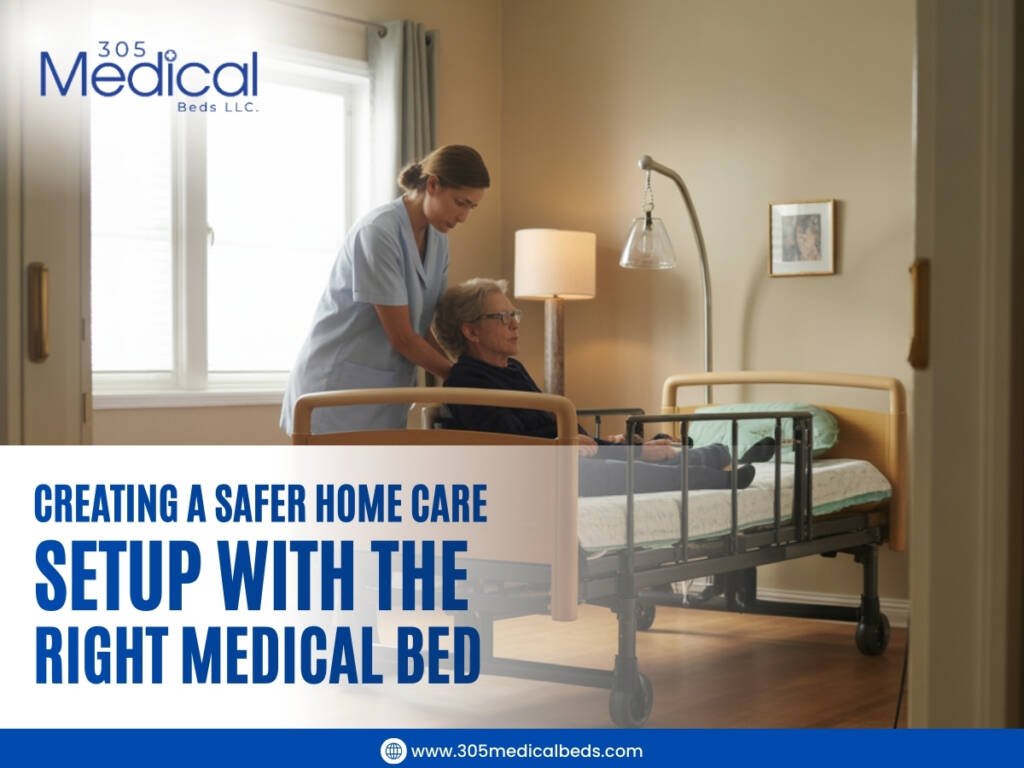
Creating a Safer Home Care Setup with the Right Medical Bed

Creating a safe home care environment is one of the most important responsibilities when caring for a loved one at home. Whether the patient is recovering from surgery, managing a chronic condition, or aging in place, safety and comfort must come first. One of the most effective ways to achieve this is by creating a safer home care setup with the right medical bed. Unlike standard beds, medical beds are designed specifically to support patient safety, improve mobility, and reduce caregiver strain. Choosing the right one can transform home care from stressful to manageable—while promoting dignity, comfort, and peace of mind. Why a Safe Home Care Setup Is Essential Home environments are not naturally designed for medical care. Without proper equipment, patients face higher risks of: This is why creating a safer home care setup with the right medical bed is not a luxury—it is a necessity. A properly selected medical bed brings hospital-grade safety and functionality into the home. What Makes a Medical Bed Ideal for Home Care? A medical bed for home use is designed to support both patients and caregivers. These beds provide adjustable positioning, enhanced stability, and safety features that traditional beds cannot offer. Key advantages include: When planning a home care environment, the medical bed should always be the foundation. Essential Safety Features to Look for in a Medical Bed Choosing the right bed starts with understanding which features directly improve safety. Adjustable Height for Fall Prevention Medical beds that lower closer to the floor help minimize injury risk if a patient attempts to exit the bed independently. Adjustable height also allows caregivers to work at a safe, comfortable level. Side Rails for Support and Stability Side rails provide added protection and help patients reposition safely. They also reduce the likelihood of accidental falls during sleep or movement. Electric Controls for Smooth Positioning Electric adjustments allow gradual changes in position, reducing sudden movements that can cause discomfort or dizziness. Lockable Wheels for Bed Stability Locking casters ensure the bed remains firmly in place during transfers, cleaning, or daily care routines. All of these features are critical when creating a safer home care setup with the right medical bed. How the Right Medical Bed Enhances Patient Comfort Safety alone is not enough—comfort directly affects recovery and well-being. A medical bed improves comfort by allowing: Comfortable patients are calmer, sleep better, and move more safely—further reducing accident risks. Reducing Caregiver Strain and Injury Caregiving often involves repetitive lifting, bending, and repositioning, which can lead to chronic pain or injury. A medical bed significantly reduces caregiver strain by: This makes creating a safer home care setup with the right medical bed beneficial for everyone involved—not just the patient. Choosing the Right Mattress for Home Medical Beds The mattress is just as important as the bed frame when it comes to safety and comfort. Pressure-Relief Mattresses These mattresses help prevent pressure ulcers for patients who spend extended time in bed. Firm Edge Support Firm edges make it easier and safer for patients to sit up or stand when exiting the bed. Hygienic, Easy-to-Clean Materials Water-resistant and antimicrobial covers improve cleanliness and reduce infection risks in home care settings. Matching Medical Beds to Specific Home Care Needs Different care situations require various features. Elderly Home Care Low-height beds with side rails help prevent falls while supporting independence. Post-Surgery Recovery Adjustable positioning aids circulation, pain management, and proper healing. Long-Term or Chronic Care Durable medical beds with advanced positioning features provide reliable, long-term safety and comfort. Selecting the correct configuration ensures success when creating a safer home care setup with the right medical bed. Proper Placement of the Medical Bed at Home Where the bed is placed matters almost as much as the bed itself. Best placement practices: A well-organized room supports safe movement and easier daily care. Importance of Professional Setup and Maintenance Proper installation ensures all safety features function correctly from day one. Professional services help with: Routine maintenance keeps the medical bed safe, reliable, and functional over time. Refurbished Medical Beds: Safe, Reliable, and Cost-Effective High-quality refurbished medical beds offer the same safety features as new models at a significantly lower cost. When sourced from trusted providers, these beds are: For many families across the United States, refurbished options are a smart solution when creating a safer home care setup with the right medical bed. Conclusion Creating a safe, supportive home care environment starts with the right foundation. By creating a safer home care setup with the right medical bed, families can reduce risks, improve comfort, and ensure better daily care outcomes. A well-chosen medical bed supports recovery, protects caregivers, and restores confidence in home care. With the right planning and equipment, a home can truly become a safe place for healing. Frequently Asked Questions

Top Features to Look for in an Adjustable Medical Bed
Adjustable Medical Beds

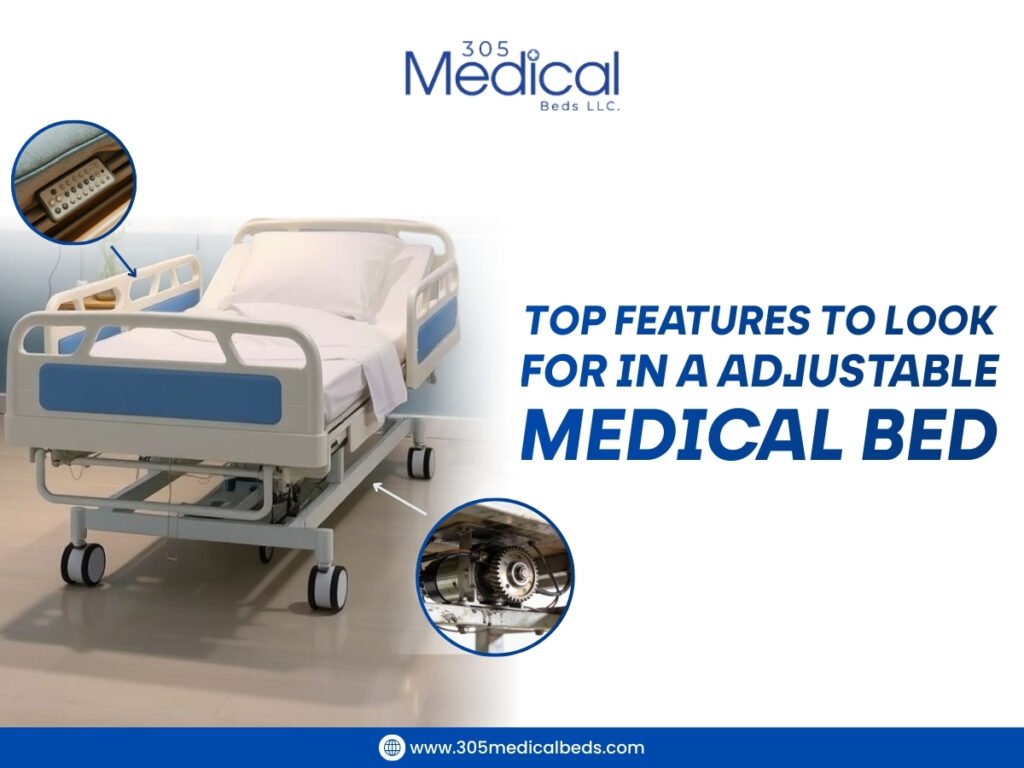
Top Features to Look for in a Medical Adjustable Bed

Choosing the Right Medical Bed Can Change Daily Care When someone needs extra care at home, comfort alone is no longer enough. Sitting up, sleeping, breathing, or even getting out of bed can become difficult without proper support. This is where a medical adjustable bed makes a real difference. But not all adjustable beds are built for medical needs. Knowing which features truly matter helps you make a safe, practical, and long-term decision—whether for recovery, elderly care, or ongoing medical conditions. This guide explains the top features to look for in a medical adjustable bed so you can choose one that supports comfort, safety, and daily care at home. What Is a Medical Adjustable Bed? Medical adjustable beds are medical-grade bed designed to support patients who need special positioning, mobility assistance, or long-term care at home. Unlike standard adjustable beds, medical models are built to: Choosing the right features ensures the bed meets both patient and caregiver needs. Top Features to Look for in a Medical Adjustable Bed 1. Head-and-foot adjustability One of the most essential features of a medical adjustable bed is independent head and foot adjustment. Why it matters: This feature is especially important for patients with respiratory issues, heart conditions, or limited mobility. 2. Adjustable Bed Height Height adjustability is a critical safety feature. Benefits include: A medical adjustable bed with height control helps prevent injuries for both patients and caregivers. 3. Medical-Grade Frame and Weight Capacity Not all adjustable beds are designed for medical use. A medical adjustable bed should have a strong, durable frame. Look for: This ensures long-term safety and reliability, especially for daily or extended use. 4. Compatibility With Medical Mattresses A medical adjustable bed should support specialized mattresses. Important options include This feature is essential for patients at risk of bedsores or those who spend extended time in bed. 5. Easy-to-Use Controls Controls should be simple and accessible. Key features to look for: Easy controls allow patients to adjust positions independently and reduce caregiver involvement when possible. 6. Safety Side Rails (Optional but Important) Side rails add an extra layer of safety for patients with limited mobility or fall risk. Benefits of side rails: Rails should be sturdy, easy to lower, and securely attached. 7. Quiet and Smooth Motor System A medical adjustable bed should operate smoothly and quietly. Why this matters: Reliable motor systems also ensure consistent performance over time. 8. Ease of Cleaning and Maintenance Medical beds require regular cleaning for hygiene. Look for: This is especially important for infection control and long-term use. 9. Space-Efficient Design for Home Use A medical adjustable bed should fit comfortably in a standard bedroom. Important considerations: A well-designed bed blends functionality with home comfort. 10. Rental or Purchase Flexibility Depending on care duration, flexibility matters. Choose a provider that offers: This allows you to match the bed to your care timeline and budget. Who Should Consider a Medical Adjustable Bed? A medical adjustable bed is ideal for: Why Choosing the Right Features Matters The right features: Choosing the wrong bed can lead to discomfort, safety issues, and unnecessary stress. Conclusion: Invest in Comfort, Safety, and Care A medical adjustable bed is more than a piece of furniture—it’s a critical part of home healthcare. By focusing on the top features to look for in a medical adjustable bed, you ensure better comfort, safer mobility, and reliable support for both patients and caregivers. When medical needs arise at home, the right adjustable bed can make everyday care easier and more effective.

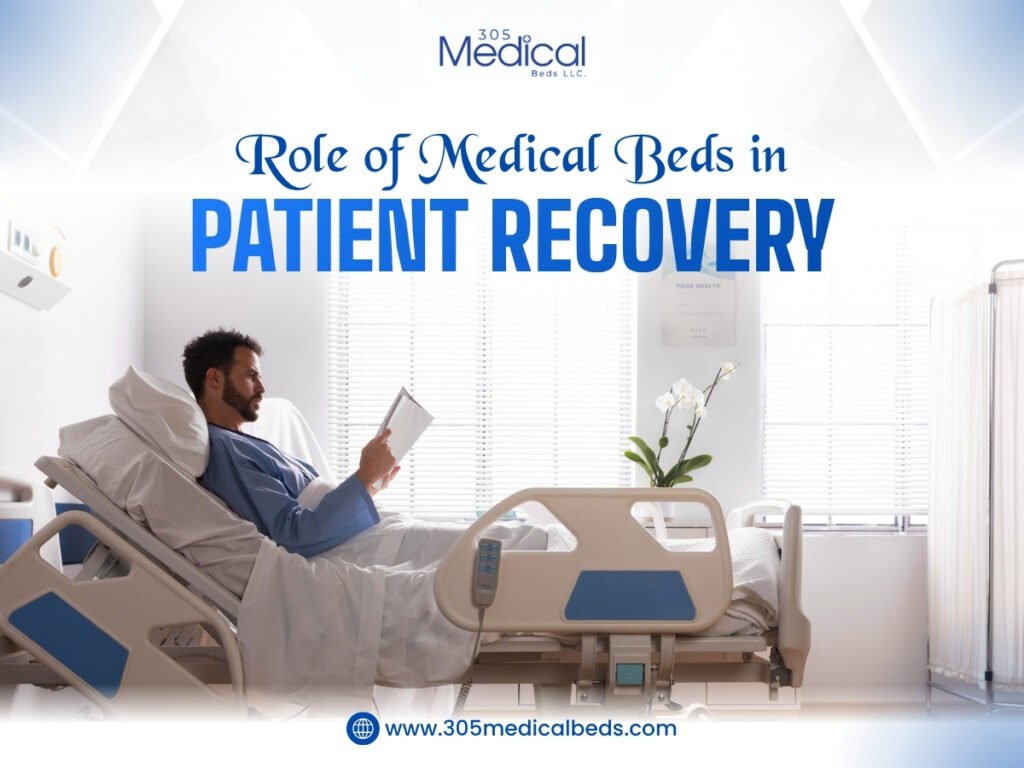
Blog Featured Image showcasing a patient lying on the medical bed for health recovery
Medical Beds

Role of Medical Beds in Patient Recovery

When recovering from an illness, injury, or surgery, the environment where you rest can have a significant impact on how quickly and effectively your body heals. Imagine the comfort and relief that comes with being able to adjust your position effortlessly while you recover, easing pressure and alleviating pain. This is exactly what medical beds are designed to do. They are not just for resting—they are an essential tool that actively supports patient recovery in a variety of settings, from hospitals to home care. In this blog, we’ll explore the pivotal role medical beds play in patient recovery and how their specialized features contribute to healing, comfort, and overall well-being. Whether used in healthcare facilities or at home, medical beds are integral in improving patient care and recovery outcomes. Why Medical Beds Matter in Recovery When we think of recovery, we often focus on medical treatments, medications, and therapy. But one of the most important—and frequently overlooked—factors in the healing process is where the patient rests: their bed. Medical beds go beyond simply providing a surface for sleep; they are carefully designed to offer the comfort, adjustability, and support needed for recovery. Let’s dive into the many ways medical beds aid the recovery process. How Medical Beds Facilitate Recovery Medical beds offer a range of features that significantly impact the recovery process. Let’s look at the key ways these beds provide critical support for patients in various stages of healing. 1. Proper Positioning for Comfort and Healing One of the standout features of medical beds is their ability to adjust to various positions, which is vital for patient comfort and recovery. 2. Preventing Pressure Ulcers and Bedsores Pressure ulcers, also known as bedsores, are a major concern for patients who are bedridden for extended periods. These painful sores can complicate recovery and lead to long-term health problems. 3. Supporting Mobility and Independence For patients recovering at home or in a healthcare facility, maintaining some degree of mobility can be important for both physical and mental well-being. 4. Enhancing Respiratory Function and Circulation For patients with respiratory or circulation issues, proper bed adjustments can support better healing and prevent complications. 5. Improving Mental Health and Comfort The physical comfort provided by medical beds has a direct impact on a patient’s emotional and mental well-being. Choosing the Right Medical Bed for Recovery Choosing the right medical bed for a patient depends on their individual needs and specific recovery requirements. Here are a few considerations to keep in mind when selecting a medical bed: 1. Type of Bed 2. Mattress Quality The quality of the mattress is crucial for patient comfort and preventing bedsores: 3. Bed Height and Adjustability Conclusion: The Crucial Role of Medical Beds in Recovery Medical beds are far more than just a place for patients to rest—they are an essential tool in the recovery process. From providing critical comfort and proper positioning to reducing the risk of pressure ulcers and enhancing mobility, the right medical bed can significantly impact patient recovery and well-being. Whether in a hospital, nursing home, or home care setting, investing in the right medical bed is an investment in a patient’s health and comfort. As healthcare providers and caregivers strive to offer the best care possible, selecting the right medical bed plays a critical role in promoting recovery, preventing complications, and improving overall patient outcomes. A medical bed can truly make a difference in a patient’s recovery journey, ensuring they heal with the support and comfort they need.

The Ultimate Guide to Medical Beds
Medical Beds, Medical Beds Guide

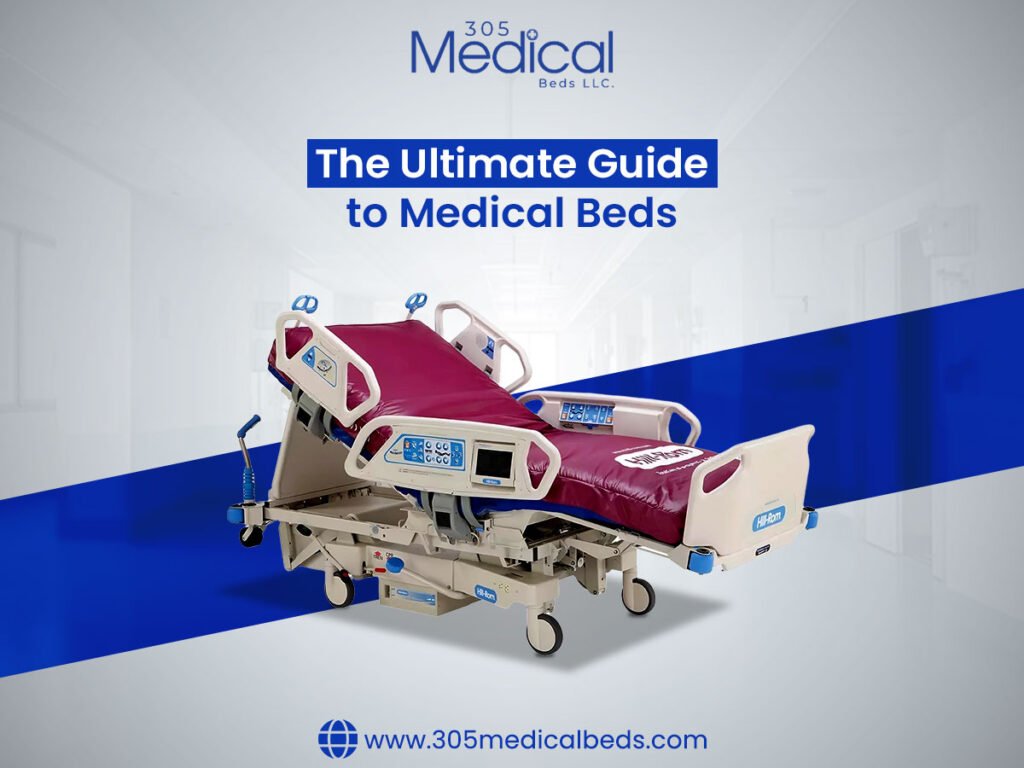
The Ultimate Guide to Medical Beds

When it comes to choosing the right medical bed, the decision isn’t just about comfort—it’s about safety, recovery, quality of life, and long-term value. Whether you’re buying for a healthcare facility, home care, or a loved one recovering post-surgery, understanding your options is essential. That’s why we’ve created this comprehensive master guide, categorizing our top blogs so you can explore every aspect of medical beds in one place. From comparing medical beds vs standard beds, discovering benefits of refurbished hospital beds, to finding the best medical beds for seniors, this guide connects you with the information you need to make smart, informed choices. Understanding Medical Beds: What Sets Them Apart? Before investing, it’s crucial to understand what makes a medical bed different from a regular bed and why this investment truly matters. Medical Beds vs. Standard Beds: Why Investing in Quality Matters This article outlines the key differences in design, safety, and adjustability between medical and traditional beds—and why the latter often falls short in healthcare settings. 7 Must-Know Features Every Medical Bed Should Have Learn about the essential features that define a reliable and patient-friendly medical bed—from height adjustability to side rails, safety locks, and more. 5 Key Features to Look For When Buying a Medical Bed Get an easy checklist that helps caregivers and medical professionals make smarter buying decisions based on patient needs. Choosing a Medical Bed for Home Use Whether you’re taking care of an aging parent or setting up recovery support at home, this category helps you identify the best medical bed for home care. Top 10 Benefits of Using a Medical Bed for Home Care This blog breaks down how a medical bed improves mobility, independence, safety, and healing—especially when transitioning from hospital to home. Hospital Comfort at Home: What to Know Before Buying a Medical Bed Discover everything from mattress types to positioning features that bring hospital-level comfort into your living room. How the Right Medical Bed Can Transform Home Care A must-read for family caregivers—this post explains how a smart bed choice can ease caregiving and elevate recovery outcomes. Specialized Solutions: Beds for Seniors and Specific Needs Some patients have unique needs—especially seniors. This section focuses on choosing the right medical bed for elderly care and specialty requirements. Top 5 Medical Beds for Seniors & Patients: Find Your Perfect Fit Explore the best options tailored for seniors, focusing on ease of use, mobility support, fall prevention, and comfort. How to Choose the Right Medical Bed for Your Home or Facility A detailed guide that walks you through choosing beds based on usage environment, patient conditions, and budget. The Value of Refurbished Medical Beds Refurbished medical beds can offer premium quality at an affordable price—if you know what to look for. These blogs explain why refurbished options are worth your attention. Refurbished Medical Beds: Are They Worth It? Learn how refurbished Hill-Rom beds provide long-term reliability without breaking the bank. The Benefits of Refurbished Medical Beds for Healthcare Facilities This article is tailored for hospital administrators and decision-makers—highlighting cost savings and safety compliance benefits. Why Refurbished Medical Beds Are a Smart Investment A value-packed read on how to evaluate refurbished beds for safety, performance, and regulatory standards. How Our Refurbished Medical Beds Ensure Quality and Safety Take a look behind the scenes at our refurbishing process, quality checks, and the standards that make our beds like new. Affordable Medical Beds Without Compromising on Quality Find out how we deliver affordability and performance—without cutting corners. Safety and Recovery: Why Bed Design Matters Patient safety and healing are deeply tied to the design and functionality of a medical bed. These blogs focus on improving patient outcomes through smarter bed choices. Patient Safety First: Key Considerations When Selecting Medical Beds Covers must-know safety features that reduce risks of falls, pressure sores, and caregiver injury. The Role of Comfortable Medical Beds in Accelerating Recovery Comfort and healing go hand in hand. Learn how the right medical bed design can shorten recovery time. Explore the Full Range of Medical Beds We Offer Discover the Types of Medical Beds Offered by 305 Medical Beds This post provides an overview of all Hill-Rom models available, including their use cases, features, and benefits. About 305 Medical Beds At 305 Medical Beds, we specialize in refurbished, high-quality medical beds from the most trusted name in healthcare equipment—Hill-Rom. Whether you’re a home caregiver, a hospital administrator, or a rehab center manager, we’re here to help you choose the right bed for the right need. Our Products Include: Hill-Rom VersaCare Bed Ideal for acute care and transitional care environments with advanced comfort features. Products: Hill-Rom Versacare P3200 – Foam Mattress (Option 4) Hill-Rom Versacare P3200 – Air Mattress (Option 4A) Hill-Rom TotalCare Bed A top-tier ICU bed known for patient mobility, skin protection, and pressure management. Products: Refurbished Hill-Rom Total Care P1900 Hospital Bed (Option 3) Refurbished Hill-Rom Total Care P1900 Hospital Bed (Option 5) Hill-Rom Progressa Bed The gold standard for ICU use with integrated therapy functions and pulmonary support. Product: Refurbished Hill-Rom Progressa P7500 Pulmonary ICU Bed (Option 1A) Hill-Rom Spo2rt Bed Designed for post-acute patients and those requiring rehabilitation, with mobility-focused features. Products: Refurbished Hill-Rom TotalCare Spo2rt 2 P1900 ICU Bed (Option 1) Refurbished Hill-Rom Total Care Spo2rt P1900 ICU Bed (Option 2) Hill-Rom Bariatric Plus Bed Built for larger patients, offering superior weight capacity and unmatched stability. Product: Refurbished Hill-Rom TotalCare P1840 Bariatric Plus ICU Bed (Option 1B)   Location & Contact Address: 2739 W 79 St, Unit 15, Hialeah, Florida 33016 Phone: 305-562-7960 Website: https://305medicalbeds.com Ready to Upgrade Your Care Experience? Whether you’re seeking affordable refurbished hospital beds, high-end ICU-grade beds, or support in choosing the right product—305 Medical Beds is your partner in care. Explore our blogs, browse our product listings, or call us today for expert guidance tailored to your needs.  Contact us now at 305-562-7960 or visit 305medicalbeds.com to get started.

305 Medical Beds LLC |  2739 W 79 St, Unit 15, Hialeah, Florida 33016 |  Phone: 1.305.562.7960
© Copyright 2012 – 2024 | All Rights Reserved.

You have been successfully Subscribed! Ops! Something went wrong, please try again.

About Us

305 Medical Beds LLC is a certified supplier of refurbished hospital, ICU, and adjustable medical beds. Serving healthcare facilities and home care patients across Florida and the United States since 2020

305 Medical Beds LLC |  2739 W 79 St, Unit 15, Hialeah, Florida 33016 |  Phone: 1.305.562.7960
© Copyright 2012 – 2026 | All Rights Reserved.