Author name: Carlos Candido

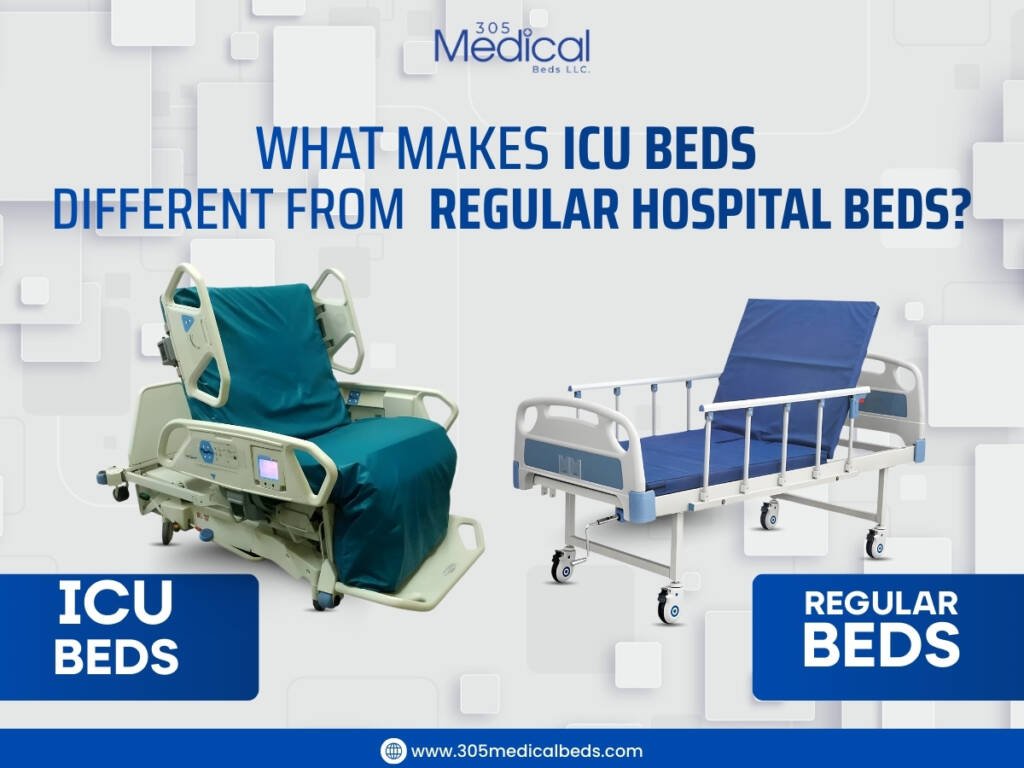
what makes ICU-beds different from regular hospital beds
ICU Beds Comparison, Regular Hospital Beds Comparison

What Makes ICU Beds Different from Regular Hospital Beds

When it comes to hospital care, the type of bed a patient uses plays a crucial role in their recovery. ICU beds and regular hospital beds may seem similar at first glance, but they have significant differences that make ICU beds ideal for patients requiring critical care and constant monitoring. In this blog, we’ll explore the key features that differentiate ICU beds from regular hospital beds, explaining why ICU beds are a vital part of intensive care units and critical care settings. What is an ICU Bed? An ICU bed (Intensive Care Unit bed) is a specialized bed designed for patients who are critically ill and require constant monitoring, frequent position changes, and advanced medical interventions. ICU beds are often equipped with advanced features that help healthcare providers closely monitor the patient’s condition and provide life-saving care. These beds are designed to provide maximum comfort and safety for patients who may be in a life-threatening situation. ICU beds also come with unique features such as built-in monitoring systems, adjustable side rails, and pressure-relieving mattresses to provide the necessary care for patients who are often in need of intensive and long-term medical attention. What is a Regular Hospital Bed? A regular hospital bed, on the other hand, is designed for patients who are generally in less critical or stable conditions. While they also offer adjustability and comfort, regular hospital beds don’t have the same specialized features needed for intensive monitoring and medical care. These beds are suitable for recovery after surgery, childbirth, or treatment for non-life-threatening conditions. Regular hospital beds are typically used for post-operative recovery or care for patients in need of basic medical attention or rehabilitation. Key Differences Between ICU Beds and Regular Hospital Beds Let’s dive into the main features that distinguish ICU beds from regular hospital beds. While both beds are designed with patient comfort in mind, ICU beds come with several unique features that cater to patients in critical care. 1. Adjustability and Positioning 2. Advanced Monitoring and Support Features 3. Weight Capacity and Durability 4. Mobility and Ease of Use 5. Infection Control and Hygiene 6. Patient Access and Comfort Why Are ICU Beds Necessary for Critical Care? ICU beds are crucial in providing the highest level of care for critically ill patients. The advanced monitoring systems, adjustability features, and durability make them indispensable for intensive care units where patients require constant supervision and advanced medical interventions. These beds are designed to enhance patient comfort, improve recovery, and make it easier for medical professionals to provide life-saving care. Conclusion While both ICU beds and regular hospital beds are essential in healthcare settings, ICU beds are specifically designed to cater to the needs of critically ill patients. With their advanced features for positioning, monitoring, and patient comfort, ICU beds play a pivotal role in critical care environments, making them far more specialized than regular hospital beds. Understanding the differences between these two types of beds can help you make informed decisions, whether you’re a healthcare professional or a patient seeking care options for a loved one. ICU beds are engineered for intensive care, providing safety, monitoring, and comfort for patients in need of constant care. FAQs: 1. What are the main features of an ICU bed? ICU beds offer advanced adjustability, built-in monitoring, and pressure-relieving mattresses. These beds also come with higher weight capacities and more durable frames compared to regular hospital beds. 2. Can ICU beds be used in regular hospital rooms? While ICU beds are designed for critical care settings, they can be used in regular hospital rooms if needed. However, they are typically more expensive and are primarily intended for use in intensive care units. 3. How do ICU beds help prevent pressure ulcers? ICU beds are equipped with specialized mattresses that redistribute body weight to prevent pressure sores (bedsores). Some ICU beds feature alternating pressure systems or air-flow mattresses that help maintain circulation and comfort. 4. What is the weight capacity of an ICU bed? ICU beds typically have a weight capacity of around 500-600 pounds, depending on the model. This is significantly higher than regular hospital beds, which usually have a weight capacity of 350-450 pounds.
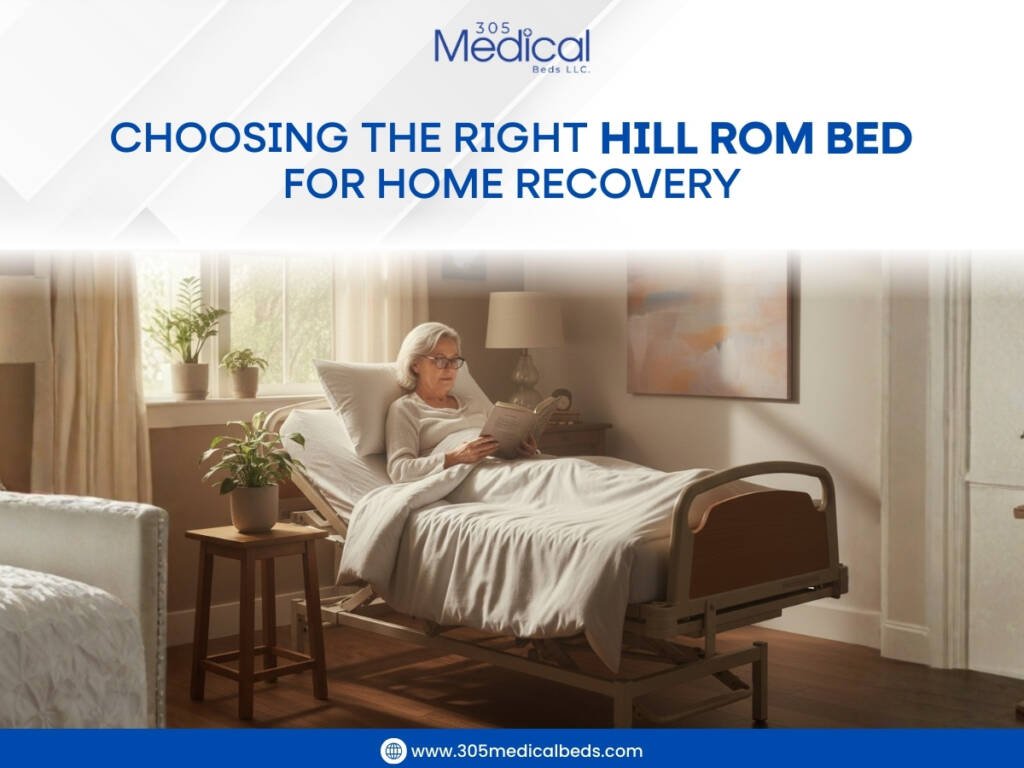
Choosing the right hill-rom bed for home recovery
Hill Rom Beds

Choosing the Right Hill Rom Bed for Home Recovery

Recovering from surgery or a serious injury can be challenging, especially when you are at home and need a bed that offers more than just a place to sleep. Hill-Rom beds have long been a trusted choice in hospitals, but did you know they are also an excellent option for home recovery? With adjustable features, pressure relief technology, and enhanced safety, a Hill-Rom bed could be the key to ensuring a smoother, more comfortable recovery at home. Many of these recovery advantages align closely with the benefits of Hill-Rom medical beds, which are designed specifically to support healing, comfort, and patient safety across care environments. In this guide, we’ll walk you through the essential features of a Hill-Rom bed, why it’s an ideal choice for recovery, and how to choose the best model for your needs. What is a Hill Rom Bed? A Hill Rom bed is a medical bed designed with various features to aid in recovery, especially for patients who need specialized care after surgery or during prolonged illness. These beds are equipped with functions like adjustable head, foot, and height positioning, pressure-relieving mattresses, and safety mechanisms to enhance patient comfort and recovery. Many advanced recovery features found in home-use models are derived from systems such as the Hill-Rom TotalCare bed features, which are widely used in clinical settings for high-acuity care. Why Choose a Hill Rom Bed for Home Recovery? If you’re recovering at home, having the right bed can make all the difference. Here are some reasons why a Hill-Rom bed could be a great investment: These same design principles are why Hill-Rom beds for hospitals and clinics are widely trusted by healthcare professionals, while still being highly effective for home recovery use. Key Features to Look for in a Hill-Rom Bed for Home Recovery When selecting a Hill-Rom bed for home recovery, several features need to be carefully considered to ensure that the bed suits your or the patient’s needs. Below are the key features you should look for: 1. Adjustability One of the most important aspects of a Hill-Rom bed is its adjustability. Look for models that allow you to adjust: 2. Pressure Relief Mattresses Pressure sores (bedsores) are a major concern for patients who spend long periods in bed. To address this, Hill-Rom beds come equipped with pressure-relieving mattresses. These mattresses redistribute the patient’s weight, relieving pressure from vulnerable areas like the back, hips, and heels. Options include: 3. Size and Weight Capacity Before purchasing a Hill-Rom bed, check both the size and weight capacity to ensure it fits the patient’s needs: 4. Control and Ease of Use Hill-Rom beds are often equipped with electric controls that make adjusting the bed’s position quick and easy. Some models even feature remote controls, allowing patients to change their position without help. It’s essential to look for a model with easy-to-read controls and user-friendly interfaces. 5. Safety Features For added peace of mind, especially if the patient is at risk of falling out of bed, look for the following safety features: If you’re considering refurbished equipment, it’s critical to review key things to check before buying a refurbished Hill-Rom bed to ensure safety, warranty coverage, and performance reliability. How to Choose the Right Hill-Rom Bed for Home Recovery Here’s a step-by-step approach to help you choose the right Hill-Rom bed for home recovery: Step 1: Assess the Patient’s Specific Needs First, consider the patient’s medical condition and mobility: Step 2: Measure the Space Available Ensure that the bed will fit comfortably in the room. Measure the space and compare it to the bed’s dimensions. Bariatric models are generally wider and may require more space than standard beds. Step 3: Check for Warranty and Support Look for a reliable warranty and customer support. Hill-Rom offers various warranties, some extending up to 5 years, depending on the model. This is crucial for peace of mind and long-term care. Step 4: Consult a Healthcare Professional Before making a final decision, it’s a good idea to speak with a healthcare provider, such as a physical therapist or your doctor. They can offer expert advice on which Hill-Rom bed best fits your recovery plan. Benefits of a Hill-Rom Bed for Home Recovery Using a Hill-Rom bed for home recovery offers numerous advantages that go beyond comfort: Conclusion Choosing the right Hill-Rom bed for home recovery is an important decision that can significantly impact the patient’s comfort, safety, and healing process. With features like adjustable positioning, pressure-relieving mattresses, and robust safety features, Hill-Rom beds are designed to provide the best possible support during recovery. Whether you are caring for a loved one or preparing for your own recovery, investing in a Hill-Rom bed will provide the necessary support to help ensure a smooth and effective recovery journey. FAQs: 1. What are the benefits of a Hill-Rom bed for home recovery? Adjustability, pressure relief, and safety features all make Hill-Rom beds ideal for individuals recovering from surgery or illness at home. They help improve circulation, prevent bedsores, and offer comfort. 2. Can I adjust the height of a Hill-Rom bed? Yes, most Hill-Rom beds allow for height adjustability, which helps patients get in and out of bed more easily, as well as providing easier access for caregivers. 3. How much does a Hill-Rom bed cost? The price varies depending on the model, size, and features. Standard models typically start around $2,000, while bariatric or specialty models can cost significantly more. 4. How do I maintain a Hill-Rom bed? Regularly check the mattress for wear and ensure the bed’s controls and side rails are functioning properly. It’s also important to clean the bed according to the manufacturer’s instructions.

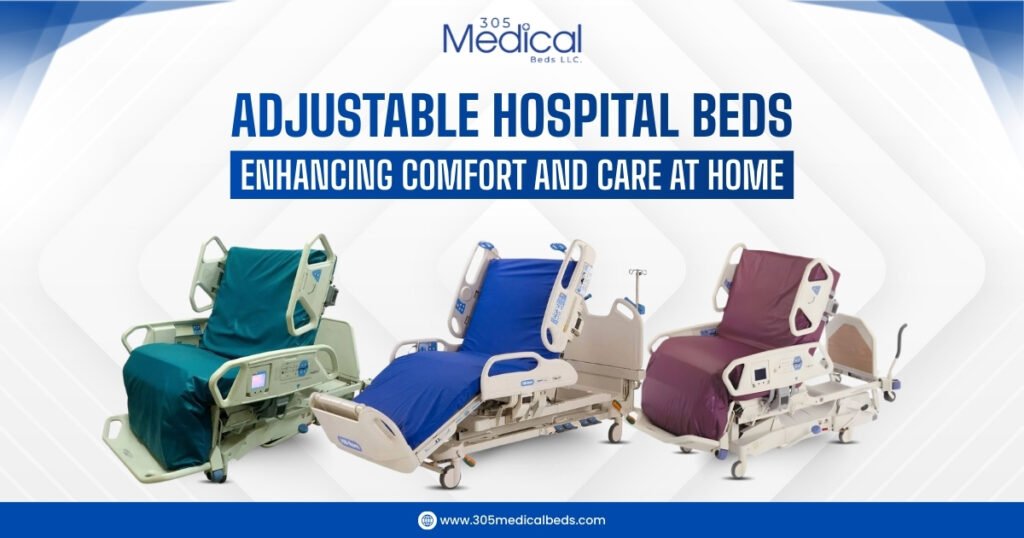
Blog Featured Image showcasing three different types of Hospital Adjustable Beds for enhancing comfort and care at home
Adjustable Hospital Beds

Adjustable Hospital Beds: Enhancing Comfort and Care at Home

Adjustable hospital beds have become an essential part of modern home care. Whether supporting elderly individuals, patients recovering from surgery, or those with chronic medical conditions, these beds offer comfort, flexibility, and safety that traditional beds cannot match. Their customizable positions and medical-grade features improve healing, reduce caregiver strain, and enhance a patient’s overall quality of life. Beyond daily comfort, adjustable hospital beds also play a meaningful role in recovery outcomes. Proper positioning, improved circulation, and respiratory support all align closely with the role of adjustable beds in faster recovery, making them a critical tool for both short-term and long-term healing at home. This comprehensive guide explains everything you need to know about adjustable hospital beds—features, types, benefits, safety considerations, and how to choose the right one for home use. What Are Adjustable Hospital Beds for Home Use? Adjustable hospital beds are specially designed medical beds that allow users to modify the head, foot, and height settings to achieve a comfortable and therapeutic resting position. These beds are commonly used at home for: Their customizability helps prevent pressure injuries, support breathing, improve circulation, and enable safer movement. Key Features of Adjustable Hospital Beds 1. Independent Head & Foot Adjustments Patients can raise or lower the head and foot sections to achieve personalized comfort. This helps with: Independent adjustments also make daily activities—reading, watching TV, or eating—much easier from bed. 2. Height Adjustability One of the most important features for home caregivers. Lowering the bed: ✔ Easier for patients to get in and out ✔ Reduces fall risk Raising the bed: ✔ Helps with cleaning, repositioning, dressing, and transfers ✔ Prevents caregiver back strain Height adjustability significantly improves efficiency and safety in daily care routines. 3. Safety Rails Most adjustable hospital beds come with rails to: Detachable or foldable rails offer flexibility based on the patient’s needs. 4. Remote Control Operation With a simple, easy-to-use remote, patients can: For individuals with limited mobility, this feature greatly improves autonomy and confidence—an important factor when choosing an adjustable bed for seniors who value both safety and independence. Types of Adjustable Hospital Beds for Home Use 1. Manual Adjustable Beds 2. Semi-Electric Adjustable Beds 3. Fully Electric Adjustable Beds Comparison Table: Manual vs Semi-Electric vs Fully Electric Beds Feature Manual Bed Semi-Electric Bed Fully Electric Bed Head Adjustment Manual Electric Electric Foot Adjustment Manual Electric Electric Height Adjustment Manual Manual Electric Ease of Use Moderate Good Excellent Caregiver Effort High Medium Low Cost Low Medium High Best For Short-term, budget Moderate use Long-term care, elderly Benefits of Adjustable Hospital Beds for Home Care 1. Improved Comfort & Pain Relief Adjustable beds help reduce: By redistributing body weight and relieving pressure points, they support better sleep and faster recovery. 2. Enhanced Caregiver Safety Caregivers can adjust the bed to a comfortable working height—reducing the risk of: This leads to safer, more efficient daily care. 3. Increased Patient Independence Patients can adjust their bed without assistance, allowing them to: Independence directly boosts emotional well-being. 4. Better Safety & Fall Prevention Adjustable beds enhance safety through: Some models also include optional alarms if patients attempt to exit unassisted. Choosing the Right Adjustable Hospital Bed for Home When selecting a home hospital bed, consider the following: 1. Patient Needs & Medical Condition Evaluate: Patients with limited mobility often benefit most from fully electric beds. 2. Budget & Long-Term Value Manual beds = Lowest cost Semi-electric = Balanced choice Fully electric = Best for long-term or complex care Insurance may cover part or all of the cost depending on medical necessity. 3. Build Quality & Durability Choose beds with: Durability is crucial for long-term safety and stability. 4. Additional Comfort Features Optional features include: These upgrades significantly improve the patient’s comfort and daily ease. Setting Up a Home Hospital Bed: Tips for Safety & Comfort 1. Choose the Right Room Make sure the space has: 2. Proper Assembly 3. Use Supportive Bedding & Accessories Enhance comfort with: These additions create a relaxing and functional care environment. Conclusion Adjustable hospital beds are a cornerstone of safe, comfortable, and effective home care. Their ability to customize positions, reduce caregiver strain, support healing, and improve patient independence makes them invaluable for long-term or short-term medical needs at home. For older adults in particular, pairing the right bed with strategies for improving sleep quality for seniors can dramatically enhance recovery, comfort, and overall well-being. With the right preparation and thoughtful setup, an adjustable hospital bed transforms a standard home setting into a supportive, healing-focused environment. Frequently Asked Questions 1. Do adjustable hospital beds help with breathing? Yes—elevating the head can reduce breathing difficulty, help with COPD, asthma, and sleep apnea, and improve lung expansion. 2. Can hospital beds prevent bedsores? Adjustable positioning helps reduce pressure points, lowering the risk of pressure injuries when used with a proper mattress. 3. Are adjustable beds suitable for older adults? Absolutely. They help prevent falls, improve mobility, reduce pain, and offer independence through remote control adjustments. 4. Are fully electric hospital beds worth it? For long-term care, yes. They provide maximum comfort, ease of use, and safety for both patients and caregivers. 5. What mattress should be used on a home hospital bed? A medical-grade pressure-relief mattress or memory foam mattress designed for adjustable frames is recommended.

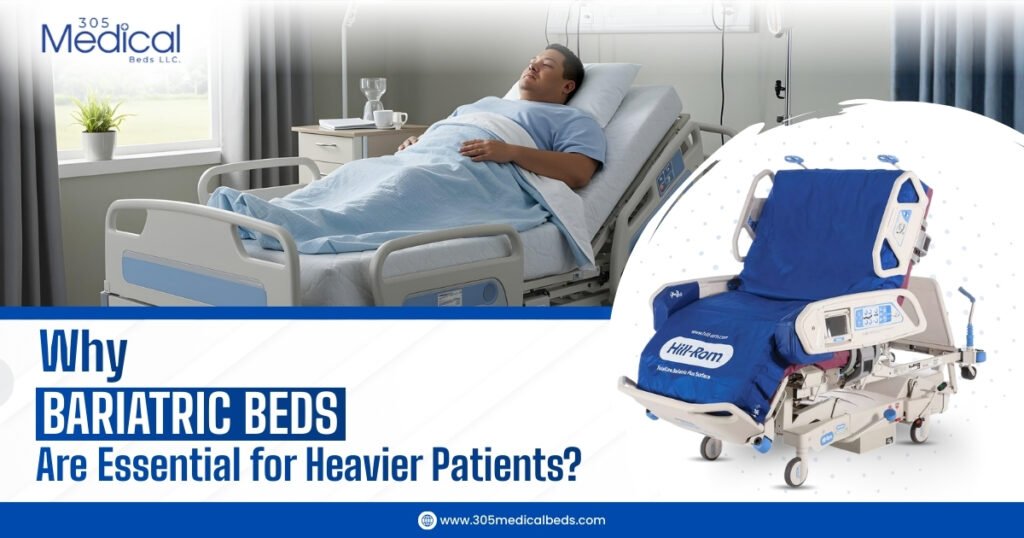
Blog Featured Image showing a bariatric patient lying on the
Bariatric Beds

Why Bariatric Beds are Essential for Heavier Patients?

Patient comfort, safety, and proper medical support are critical elements in any healthcare environment. For overweight and obese patients, these needs become even more important due to increased pressure risk, mobility challenges, and the limitations of standard hospital beds. This is where bariatric beds improve recovery and mobility play a vital role. Bariatric hospital beds are specifically designed to accommodate higher weight capacities, provide wider sleeping surfaces, and enhance patient comfort and caregiver safety. In this updated guide, we explore why bariatric beds matter, their features and benefits, their types, and how choosing the right one can significantly improve patient outcomes. What Is a Bariatric Bed? A bariatric bed is a heavy-duty hospital bed engineered to support patients weighing 350-1,000 lbs or more, depending on the model. Unlike standard hospital beds, bariatric beds provide: These beds ensure a safe, comfortable, and medically supportive environment for heavier patients who are at greater risk of pressure sores, falls, and mobility challenges. Learn more about what is a bariatric hospital bed for a detailed explanation. Why Bariatric Beds Are Essential for Heavier Patients Traditional hospital beds often do not provide adequate stability or comfort for heavier individuals. Research shows that: A bariatric bed solves these issues by offering a stable platform, wider space, and improved weight distribution, reducing pressure points and preventing skin breakdown. This highlights the importance of bariatric beds for heavier patients in modern healthcare settings. Key Benefits for Patients ✔ Even weight distribution reduces pressure ulcers ✔ Wider space provides comfort and prevents falls ✔ Stronger frames enhance safety ✔ Specialized mattresses support heavy weights without sagging ✔ Adjustable positioning improves breathing, circulation, and healing For more details on exceptional comfort for bariatric patients in medical beds, check our dedicated guide. Key Features of Bariatric Beds 1. Increased Weight Capacity These beds are built to hold significantly higher weights, ensuring the patient rests securely. 2. Wider Frame for Comfort Extra width (usually 42–48 inches) gives obese patients adequate room, reducing friction and discomfort. 3. Electric Height & Position Adjustments Most bariatric beds include easy-to-use electric controls that allow: For an in-depth look at features, see bariatric bed guide for larger patients. 4. Pressure-Reducing Mattresses Bariatric mattresses redistribute weight evenly, preventing painful pressure ulcers. 5. Durable Steel Construction Heavy-gauge metal ensures stability, durability, and long-term performance. 6. Safety Rails & Mobility Assistance Rails and grab bars help patients move independently and prevent accidental falls. To understand how these features enhance healing, refer to bariatric beds improve recovery and mobility. How Bariatric Beds Support Healthcare Providers A bariatric bed is as beneficial to caregivers as it is to patients. Features such as electric height adjustment, wider access points, and sturdy support structures reduce the risk of caregiver injury while making repositioning and transfers easier. Benefits for caregivers include: Advanced solutions discussed in the ultimate guide to the Hill-Rom Bariatric Plus bed highlight caregiver safety and efficiency. How Bariatric Beds Improve Recovery & Rehabilitation Patient recovery depends heavily on comfort, mobility support, and proper sleep posture. Bariatric beds enable: Electric adjustability allows patients to sit upright, engage in therapy exercises, and reposition themselves without strain. Explore why the Hill-Rom TotalCare Bariatric Plus is ideal for bariatric patient care for advanced recovery solutions. Standard Hospital Beds vs Bariatric Hospital Beds Below is a quick comparison to highlight why bariatric beds are necessary: Feature Standard Hospital Bed Bariatric Hospital Bed Weight Capacity 250–350 lbs 500–1,000+ lbs Bed Width 36 inches 42–48 inches Mattress Type Standard foam Pressure-relief bariatric mattress Stability Moderate High stability for heavy weight Mobility Support Basic Advanced rails, support bars Caregiver Safety Lower Much higher Types of Bariatric Beds 1. Manual Bariatric Beds Budget-friendly but requires manual adjustment. Sturdy and reliable for basic needs. 2. Electric Bariatric Beds Most recommended for hospitals and home care due to: ✔ Electric height control ✔ Easy back/leg adjustment ✔ Smooth mobility ✔ Greater caregiver safety 3. Premium Bariatric Beds (Hill-Rom, Stryker, etc.) These beds come with: Factors to Consider When Choosing a Bariatric Bed When selecting the right bed, keep these factors in mind: Hill-Rom TotalCare P1840 Bariatric Plus If you need a reliable and high-performance bariatric hospital bed, the Hill-Rom TotalCare P1840 Bariatric Plus is one of the best options used in hospitals nationwide. Conclusion Bariatric beds are a vital component in delivering safe, comfortable, and effective care for overweight and obese patients. With specialized features such as enhanced weight capacity, wider frames, advanced support surfaces, and electric adjustments, they drastically improve patient outcomes and make caregiver tasks safer. Choosing the right bariatric bed—such as the Hill-Rom TotalCare P1840 Bariatric Plus—ensures both comfort and stability for patients who need extra support. Investing in the proper equipment not only improves recovery and safety but also elevates the overall quality of healthcare. Frequently Asked Questions 1. What weight can a bariatric bed support? Most models support 500–1,000 lbs, depending on the manufacturer and design. 2. Can bariatric hospital beds be used at home? Yes, especially electric models that are designed for home caregivers and long-term comfort. 3. Are bariatric beds covered by insurance? In many cases, yes—if medically necessary and prescribed by a doctor. 4. What mattress is used for a bariatric bed? A pressure-relieving bariatric mattress designed to distribute weight evenly and prevent skin damage. 5. Do bariatric beds help reduce bedsores? Absolutely. They reduce pressure points and friction, significantly lowering the risk.

Blog Featured Image showcasing a patient lying on the medical bed for health recovery
Medical Beds

Role of Medical Beds in Patient Recovery

When recovering from an illness, injury, or surgery, the environment where you rest can have a significant impact on how quickly and effectively your body heals. Imagine the comfort and relief that comes with being able to adjust your position effortlessly while you recover, easing pressure and alleviating pain. This is exactly what medical beds are designed to do. They are not just for resting—they are an essential tool that actively supports patient recovery in a variety of settings, from hospitals to home care. In this blog, we’ll explore the pivotal role medical beds play in patient recovery and how their specialized features contribute to healing, comfort, and overall well-being. Whether used in healthcare facilities or at home, medical beds are integral in improving patient care and recovery outcomes. Why Medical Beds Matter in Recovery When we think of recovery, we often focus on medical treatments, medications, and therapy. But one of the most important—and frequently overlooked—factors in the healing process is where the patient rests: their bed. Medical beds go beyond simply providing a surface for sleep; they are carefully designed to offer the comfort, adjustability, and support needed for recovery. Let’s dive into the many ways medical beds aid the recovery process. How Medical Beds Facilitate Recovery Medical beds offer a range of features that significantly impact the recovery process. Let’s look at the key ways these beds provide critical support for patients in various stages of healing. 1. Proper Positioning for Comfort and Healing One of the standout features of medical beds is their ability to adjust to various positions, which is vital for patient comfort and recovery. 2. Preventing Pressure Ulcers and Bedsores Pressure ulcers, also known as bedsores, are a major concern for patients who are bedridden for extended periods. These painful sores can complicate recovery and lead to long-term health problems. 3. Supporting Mobility and Independence For patients recovering at home or in a healthcare facility, maintaining some degree of mobility can be important for both physical and mental well-being. 4. Enhancing Respiratory Function and Circulation For patients with respiratory or circulation issues, proper bed adjustments can support better healing and prevent complications. 5. Improving Mental Health and Comfort The physical comfort provided by medical beds has a direct impact on a patient’s emotional and mental well-being. Choosing the Right Medical Bed for Recovery Choosing the right medical bed for a patient depends on their individual needs and specific recovery requirements. Here are a few considerations to keep in mind when selecting a medical bed: 1. Type of Bed 2. Mattress Quality The quality of the mattress is crucial for patient comfort and preventing bedsores: 3. Bed Height and Adjustability Conclusion: The Crucial Role of Medical Beds in Recovery Medical beds are far more than just a place for patients to rest—they are an essential tool in the recovery process. From providing critical comfort and proper positioning to reducing the risk of pressure ulcers and enhancing mobility, the right medical bed can significantly impact patient recovery and well-being. Whether in a hospital, nursing home, or home care setting, investing in the right medical bed is an investment in a patient’s health and comfort. As healthcare providers and caregivers strive to offer the best care possible, selecting the right medical bed plays a critical role in promoting recovery, preventing complications, and improving overall patient outcomes. A medical bed can truly make a difference in a patient’s recovery journey, ensuring they heal with the support and comfort they need.

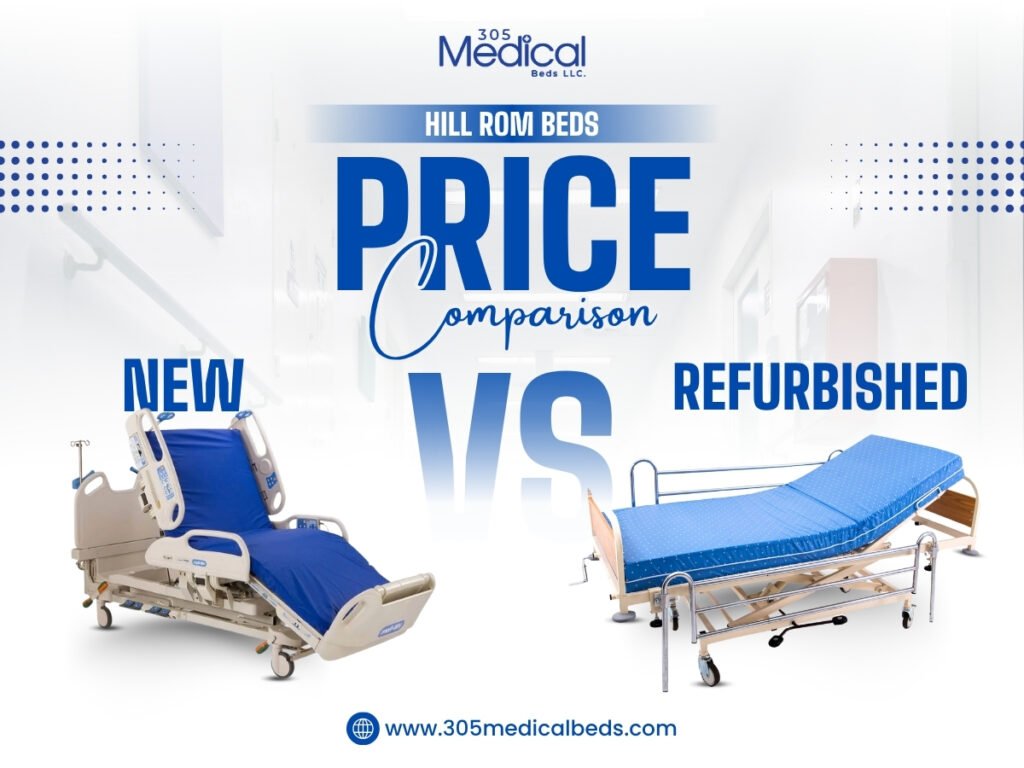
Blog Featured Image showcasing two price comparison of two different hospital hill rom beds; one new hill rom hospital bed and second hill rom refurbished bed
Comparisons, New Hill Rom Bed Price Comparison, Refurbished Hill Rom Bed Price Comparison

Price Comparison: New vs. Refurbished Hill Rom Beds

Quick answer: At 305 Medical Beds, refurbished Hill-Rom hospital beds cost $1,990 to $7,290 (prices checked November 2026). A refurbished VersaCare P3200 starts at $1,990, a TotalCare P1900 at $2,790, the bariatric TotalCare P1840 is $5,890 and the Progressa P7500 ICU bed is $7,290. The price depends mainly on the model and on the mattress (foam or air). When purchasing Hill Rom beds, the price difference between new and refurbished models is one of the biggest factors healthcare facilities must consider. Whether you’re a small healthcare provider or a large institution, balancing quality and budget is critical. But how do the costs stack up? Should you invest in a new Hill Rom bed with all the latest features, or is a refurbished Hill Rom bed a more cost-effective option that still meets your needs? In this guide, we’ll dive deep into a price comparison between new and refurbished Hill Rom beds. By the end of this article, you’ll understand the cost difference, the factors that influence the price, and how to determine which option fits your budget while still delivering excellent patient care. What Are Hill Rom Beds and Why Are They So Important? Before we break down the pricing, let’s quickly touch on what makes Hill Rom beds such an essential piece of equipment in healthcare. Hill Rom beds are designed to provide comfort, safety, and support to patients in medical settings. They come equipped with features like adjustable height, electronic controls, side rails, and even integrated patient monitoring systems to improve care efficiency. Whether used in hospitals, nursing homes, or home care, Hill Rom beds are built to meet the high standards of the healthcare industry, ensuring both patient safety and comfort. With these benefits in mind, it’s easy to see why price is an important consideration for any healthcare facility purchasing a Hill Rom bed. Price of New Hill Rom Beds: What to Expect When considering new Hill Rom beds, you’re paying for the latest technology, warranty, and premium features. These beds come straight from the manufacturer and are in pristine condition, but that also comes with a higher price tag. Why Choose New Hill Rom Beds? What’s the Price Range of New Hill Rom Beds? On average, new Hill Rom beds range between $5,000 and $15,000, depending on the model, features, and specifications. However, certain high-end models or specialized beds can cost upwards of $20,000. Here’s a quick breakdown: Additional Costs: Price of Refurbished Hill Rom Beds: A More Affordable Option Opting for a refurbished Hill Rom bed offers a more budget-friendly solution while still providing the same reliable care. These beds are previously owned, carefully restored, and tested to ensure they meet safety standards. Why Choose Refurbished Hill Rom Beds? What’s the Price Range of Refurbished Hill Rom Beds? Refurbished Hill Rom beds typically range between $1,990 and $7,290 at 305 Medical Beds (November 2026), which is significantly more affordable than their new counterparts. Prices can vary depending on the condition of the bed, its age, and the level of refurbishment it underwent: Additional Considerations for Refurbished Beds: Refurbished Hill-Rom Bed Prices by Model (Updated November 2026) Hill-Rom model Type of bed Mattress and features 305 price VersaCare P3200 (Option 4) Medical-surgical, long-term care, home care Foam mattress, built-in scale $1,990 VersaCare P3200 (Option 4A) Medical-surgical, long-term care, home care Air mattress, built-in scale $2,490 TotalCare P1900 (Option 5) ICU / critical care Foam mattress, built-in scale $2,790 TotalCare P1900 (Option 3) ICU / critical care Air mattress, built-in scale $2,890 TotalCare SpO2RT P1900 (Option 2) ICU / pulmonary care Air mattress, rotation, percussion, vibration, scale $3,590 TotalCare SpO2RT 2 P1900 (Option 1) ICU / pulmonary care Air mattress, low air loss, rotation, percussion, vibration, scale $4,090 TotalCare P1840 Bariatric Plus Bariatric ICU Air mattress, low air loss, rotation, percussion, vibration, scale $5,890 Progressa P7500 (Option 1A) ICU / pulmonary care Air mattress, low air loss, rotation, scale $7,290 Prices are 305 Medical Beds’ current sale prices. Delivery, bedding and warranty upgrades are chosen at checkout. See all refurbished Hill-Rom beds for sale. Price Comparison Table: New vs. Refurbished Hill-Rom Beds Let’s break down the price differences between new and refurbished Hill-Rom beds in a simple comparison table: Feature New Hill Rom Bed Refurbished Hill Rom Bed Price Range $5,000 to $15,000 $1,990 to $7,290 (305 Medical Beds, Nov 2026) Warranty Full Manufacturer Warranty Limited Warranty (varies) Technology Latest Features Older Features (may vary) Condition Brand New Restored to Original Condition Longevity Long-Term Durability May have some wear and tear Which Option is Best for Your Budget? When to Choose New Hill Rom Beds: When to Choose Refurbished Hill Rom Beds: Hill-Rom Bed Price FAQs Conclusion: Making the Right Cost-Effective Choice Ultimately, the decision between a new or refurbished Hill Rom bed will depend on your specific needs, budget, and long-term plans. New beds offer the latest features, extensive warranties, and long-term durability, but they come at a higher price point. Refurbished beds, on the other hand, are an affordable and sustainable alternative that can provide excellent patient care without breaking the bank. If cost is a primary concern, refurbished Hill Rom beds are an excellent way to save significantly while still ensuring quality care. However, if you need the latest technology and are willing to invest more upfront, new HillRom beds may be the best choice.

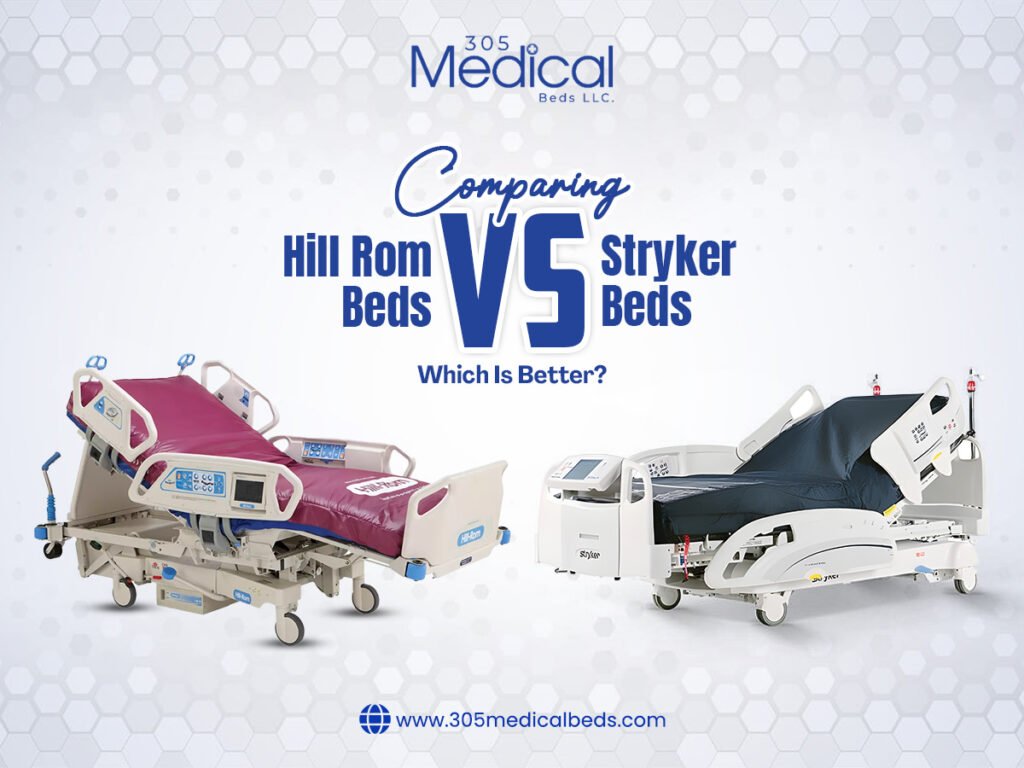
Comparison of Hill Rom hospital bed vs Stryker hospital bed showing features and design differences
Comparisons, Hill Rom Beds Comparison, Stryker Beds Comparison

Comparing Hill-Rom vs. Stryker Beds: Which Is Better?

When it comes to patient care, the right hospital bed can make all the difference in comfort, safety, and recovery. Whether you’re equipping a hospital, clinic, or home care setup, two brands dominate the market: Hill-Rom beds and Stryker beds. Both are known for durability, advanced features, and patient comfort—but which is the right choice for your needs? In this comprehensive guide, we’ll break down Hill-Rom vs. Stryker beds, comparing features, safety, comfort, mattress compatibility, price, and caregiver convenience. By the end, you’ll have a clear understanding of which bed fits your care requirements. 305 Medical Beds specializes in refurbished Hill-Rom beds, with delivery across Miami-Dade. Overview of Hill-Rom Beds Hill-Rom has been a trusted name in hospital beds for decades. Known for innovation, safety, and patient comfort, Hill-Rom beds are used widely in ICUs, long-term care facilities, and home care. Key Features Pros Cons Overview of Stryker Beds Stryker beds are designed for versatility, ergonomic use, and patient safety. They are popular in hospitals, surgical units, and home care settings. Key Features Pros Cons Hill-Rom vs. Stryker Beds: Feature Comparison Feature Hill-Rom Beds Stryker Beds Patient Comfort Advanced pressure relief, low air loss options Compatible with air or foam mattresses, good pressure management Adjustability Electric controls, Trendelenburg, and more Electric controls, Trendelenburg, semi-Fowler, and more Safety Side rails, fall-prevention, bed exit alarms Side rails, fall-prevention, optional bed exit alarms Caregiver Ease Ergonomic, programmable positions, mobility Ergonomic design, smooth maneuverability Durability High High Price Higher Moderate to high Maintenance Professional setup recommended for advanced features Easier setup, fewer advanced built-ins This table can help you match your patient needs and budget with the features that matter most. Mattress Compatibility Patient comfort depends heavily on mattress choice. Both Hill-Rom and Stryker beds support: Who Should Choose Hill-Rom Beds? Who Should Choose Stryker Beds? Cost Considerations Tip: Pairing refurbished beds from 305 Medical Beds with compatible mattresses can save money without sacrificing comfort. Long-Term Maintenance Hospital Bed Accessories Accessories enhance both patient comfort and caregiver efficiency: Conclusion: Hill-Rom vs. Stryker Beds Choosing between Hill-Rom and Stryker beds depends on your patient’s needs, budget, and care environment: Pair either brand with a high-quality foam or air mattress for hospital beds to maximize patient comfort and support. Combining Comfort with Refurbished Beds At 305 Medical Beds, our refurbished Hill-Rom and Stryker beds provide: Frequently Asked Questions Q1: Which bed is better for preventing pressure sores? A: Hill-Rom beds often feature integrated low-air-loss or alternating-pressure systems. Stryker beds support external air mattresses for pressure relief. Q2: Can I use these beds at home? A: Yes, both Hill-Rom and Stryker beds are compatible with home care setups, especially when purchased as refurbished hospital beds from 305 Medical Beds. Q3: Are these beds compatible with all hospital mattresses? A: Yes. Both brands support foam mattresses, air mattresses, and low-air-loss mattresses. Q4: Which is more affordable? A: Stryker beds are generally more cost-effective upfront, while Hill-Rom beds offer more built-in features. Q5: Are there bariatric options? A: Yes, both brands offer bariatric beds designed for higher weight capacities.

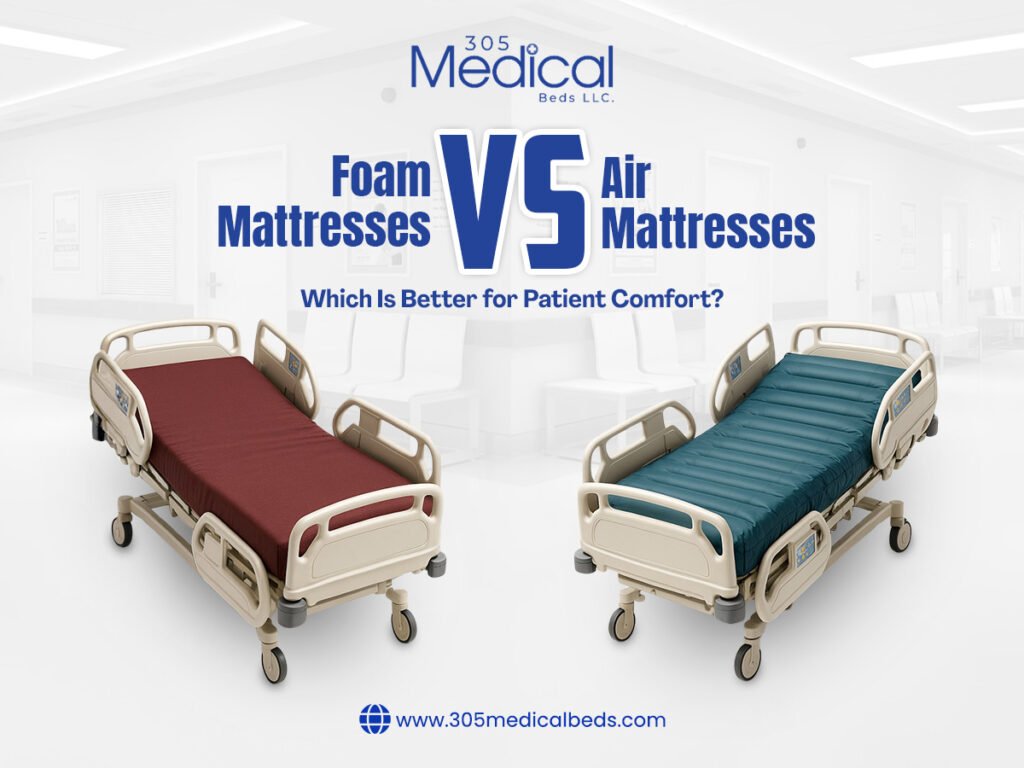
Foam mattress vs air mattress comparison on a hospital bed to evaluate patient comfort
Air Mattresses Comparison, Comparisons, Foam Mattresses Comparison

Foam vs. Air Mattresses: Which Is Better for Patient Comfort?

When it comes to patient care, comfort is not a luxury—it’s a necessity. Whether your patient is recovering from surgery, bedridden, or needs long-term care, the right mattress for a hospital bed can make a huge difference in preventing pressure sores, improving sleep quality, and supporting overall recovery. Two of the most common options are foam mattresses for hospital beds and air mattresses for hospital beds, but which one provides the best patient comfort? In this guide, we’ll explore the differences, benefits, drawbacks, and practical considerations so caregivers, hospitals, and home care providers can make informed decisions. Understanding Foam Mattresses for Hospital Beds Foam mattresses, including memory foam hospital bed mattresses, are designed to contour to a patient’s body. They distribute weight evenly, reduce pressure points, and provide consistent support. Benefits of Foam Mattresses Drawbacks Suggested Image Placement 1 Understanding Air Mattresses for Hospital Beds Air mattresses use adjustable air chambers to provide customizable support. They are particularly effective for patients at high risk of developing pressure sores. Advanced options, like low-air-loss mattresses for hospital beds, automatically alternate pressure to enhance blood circulation and reduce skin breakdown. Benefits of Air Mattresses Drawbacks Suggested Image Placement 2 Foam vs. Air Mattresses: Key Differences Feature Foam Mattress Air Mattress Comfort Contours to body Adjustable firmness Pressure Relief Good Excellent with alternating pressure Temperature Can retain heat Cooler due to airflow Durability Long-lasting Requires maintenance Weight Heavy Lightweight Noise Silent Pump noise possible Cost Moderate Higher for advanced models Special Considerations for Hospital Beds When selecting a mattress, especially for refurbished hospital beds, consider the following: Who Should Choose Foam Mattresses? Foam mattresses are ideal for: Recommended Foam Mattress Options Who Should Choose Air Mattresses? Air mattresses are ideal for: Recommended Air Mattress Options Long-Term Care & Maintenance Tips Proper maintenance ensures longevity and patient safety: Combining Comfort with Refurbished Medical Beds At 305 Medical Beds, our refurbished hospital beds are compatible with both foam and air mattresses, ensuring: Conclusion: Choosing the Right Mattress When deciding between foam vs. air mattresses for hospital beds: The best approach often combines refurbished hospital beds with a high-quality mattress, ensuring both comfort and affordability. Frequently Asked Questions Q1: Which mattress is better for bedridden patients? A: Air mattresses with alternating pressure or low air loss features are generally better for long-term bedridden patients, while foam is suitable for moderate care. Q2: Can foam mattresses prevent bedsores? A: High-density memory foam mattresses help reduce pressure but may not be as effective as specialized air mattresses for high-risk patients. Q3: Are air mattresses suitable for bariatric patients? A: Yes, bariatric air mattresses for hospital beds provide adjustable support for heavier patients and prevent pressure-related injuries.

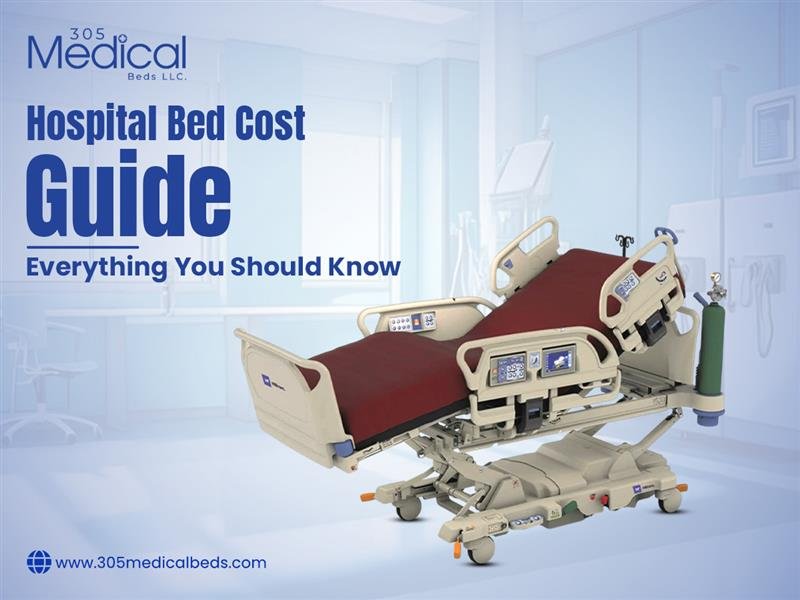
Hospital Bed Cost Guide Everything You Should Know
Hospital Beds, Hospital Beds Guide

Hospital Bed Cost Guide: Everything You Should Know

Understanding the Real Cost of a Hospital Bed If you’re preparing a loved one’s home for recovery or equipping a healthcare facility, one of the first questions that arises is: “How much does a hospital bed cost?” The answer isn’t always simple. Prices depend on the type of bed, features, brand, and whether you choose to buy or rent. At 305 Medical Beds, we help families and caregivers make sense of these costs every day. Beyond pricing, understanding how quality hospital beds impact patient outcomes can help you make a more informed long-term care decision. This detailed guide explains everything you should know about hospital bed cost—from factors that affect pricing and rental options to Hill-Rom bed costs, accessories, and money-saving tips. For current model-by-model numbers, see our Hill-Rom hospital bed prices, or browse refurbished hospital beds for sale. What Is a Hospital Bed? A hospital bed is a medical bed built for patients who need additional positioning, safety, or mobility support. Unlike standard home beds, hospital beds adjust electronically or manually to improve comfort and caregiving efficiency. Key Features Hospital beds are used not only in hospitals but also in residential settings, where the right hospital bed enhances patient comfort and supports smoother recovery at home, nursing facilities, and rehabilitation centres. Factors Affecting the Cost of a Hospital Bed Several elements influence the overall hospital bed cost: Pro Tip: Factor in warranty, return policy, and after-sales service. Understanding common hospital bed issues and how to fix them can also help avoid unexpected maintenance expenses down the line. Cost of Different Types of Hospital Beds (2025 Price Range) Type of Hospital Bed Average Price (USD) Ideal For Notes Manual Bed $500 – $1,000 Short-term care Hand-crank adjustments Semi-Electric Bed $800 – $2,000 Home use Motorised head/foot movement Full-Electric Bed $1,500 – $3,000 Long-term care Fully motorised, easy operation Bariatric Bed $2,000 – $5,000+ Heavy patients Reinforced frame and mattress Hill-Rom Bed $3,000 – $8,000+ Hospitals & ICU care Premium brand, advanced features If you’re comparing features, safety, and value, reviewing the best hospital beds for 2025 can help narrow down the right option for your needs. What You Get at Different Price Points Budget Beds ($500 – $1 500) Mid-Range Beds ($1 500 – $3 000) Premium Beds ($3000 – $8000 +) When choosing between these tiers, following a structured approach like choosing the right hospital bed for better care ensures you balance budget with clinical needs. How Much Does It Cost to Rent a Hospital Bed? Renting can be a practical short-term solution when recovery is expected within a few months. Rental Type Average Monthly Cost (USD) Includes Manual Bed $100 – $150 Bed + mattress Semi-Electric Bed $150 – $250 Bed + delivery + service Full-Electric Bed $200 – $400 Bed + rails + setup For families transitioning from hospital discharge to home recovery, understanding hospital vs home care bed benefits can clarify whether renting or buying makes more sense. Advantages of Renting Disadvantages of Renting Search for “cost to rent hospital bed near me” or contact 305 Medical Beds for flexible rental plans. Hill-Rom Hospital Bed Cost: Premium Quality Comes at a Price When only the best will do, Hill-Rom hospital beds stand out. They are trusted worldwide for their engineering, comfort, and durability. Typical Hill-Rom Pricing Why Invest in Hill-Rom In some cases, refurbished Hill-Rom ICU beds outperform new alternatives, making them a cost-effective option for both hospitals and home care. Which Hospital Bed Should I Choose? Selecting the right bed depends on a few key factors: For a detailed comparison of mechanisms and designs, a hospital bed types and feature breakdown can help you make a confident decision. Hospital Bed Cost Breakdown: What You’re Really Paying For Item Average Cost (USD) Description Mattress Upgrade $150 – $600 Air or gel pressure-relief mattress Side Rails $80 – $200 Safety and stability Trapeze Bar / Lift $100 – $300 Helps patient mobility Delivery & Setup $100 – $250 One-time service fee Maintenance Plan $100 – $150 / yr Optional extended coverage All purchases from 305 Medical Beds include professional setup and warranty support. Money-Saving Tips for Buying or Renting Hospital Beds Where to Buy or Rent Hospital Beds Near You Hospital beds are available from local medical suppliers and online stores—but service quality varies. Why Choose 305 Medical Beds Visit us and explore the latest offers and compare models. Final Thoughts: Balancing Cost and Comfort A hospital bed is more than furniture—it’s an essential tool for comfort, safety, and healing. Understanding the true hospital bed cost helps you make a confident, budget-friendly decision. Whether you’re looking to buy, rent, or compare Hill-Rom hospital beds, the experts at 305 Medical Beds are here to help you find the right solution with quality you can trust. Ready to get started? Explore our latest models, compare features, and request a quote today. Frequently Asked Questions Q1. How much does a hospital bed cost for home use? Between $1 000 and $3 000 on average, depending on type and features. Q2. Does insurance cover hospital beds? Yes—Medicare and some private insurers may cover part or all costs if medically necessary. Check Medicare.gov. Q3. Is renting a hospital bed better than buying? Rent for short-term needs; buy for long-term care—it’s more cost-effective after six months. Q4. How much does a Hill-Rom hospital bed cost? New Hill-Rom beds average $5 000 – $8 000 +, refurbished around $2 000 – $4 000. Q5. Where can I find affordable hospital beds near me? Browse 305medicalbeds.com for competitive pricing and nationwide delivery.

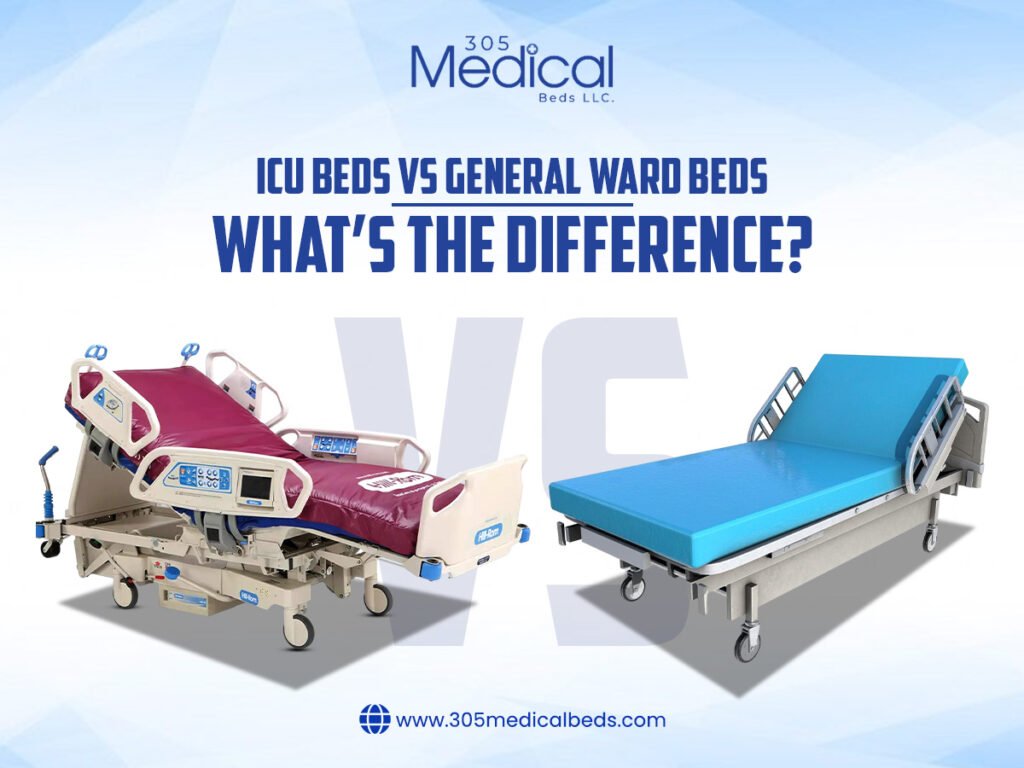
ICU Beds vs. General Ward Beds What’s the Difference
Comparisons, General Ward Beds Comparison, ICU Beds Comparison

ICU Beds vs. General Ward Beds: What’s the Difference?

Not All Hospital Beds Are Created Equal If you’re searching for a hospital bed—whether for a loved one recovering at home or to equip a healthcare facility—you’ve probably noticed there are many types to choose from. Two of the most common terms you might hear are ICU beds and general ward beds. But what exactly sets these apart? Choosing the right bed isn’t just about comfort; it directly impacts patient safety, recovery speed, and the kind of care provided. In this comprehensive guide, we’ll break down the difference between ICU beds and general ward beds, their key features, cost differences, and help you decide which bed fits your unique needs. Key Differences Between ICU Beds and General Ward Beds Feature ICU Bed General Ward Bed Adjustability Full adjustability (head, feet, height) Limited or manual adjustability Technology & Monitoring Advanced built-in monitoring & alarms Basic or external monitoring Patient Type Critically ill, intensive care patients Stable, post-operative, recovering Cost Range $10,000 – $25,000+ $500 – $2,500 Mobility Features Integrated mobility, safety rails, alarms Basic safety features Usage ICU, critical care units, specialized rooms General wards, home care, rehabilitation What Is an ICU Bed? ICU (Intensive Care Unit) beds are specialized hospital beds designed for critically ill patients who require constant monitoring and life-support equipment. These beds come equipped with advanced features like adjustable height, multiple articulation points (head, legs, and tilt), integrated alarms, and compatibility with ventilators and other life-support machines. ICU beds are essential in critical care settings where patients’ vitals must be closely monitored and their positions adjusted frequently to prevent complications like bedsores and respiratory problems. Key Features of ICU Beds: Hill-Rom ICU beds are among the leading brands known for their reliability, durability, and advanced technology. These beds often feature customizable controls and are designed to maximize patient comfort and care efficiency. What Is a General Ward Bed? General ward beds are simpler and more affordable hospital beds used for patients who require less intensive care. These beds are designed for patients recovering from surgery, undergoing treatment, or stable enough not to need constant monitoring. General ward beds typically have manual or semi-electric adjustability, with basic safety features like side rails and comfortable mattresses. They’re ideal for hospitals, clinics, and home care where patients need rest and mobility support but not critical care. Key Features of General Ward Beds: These beds strike a balance between comfort and functionality without the advanced tech seen in ICU beds. ICU Beds vs General Ward Beds: Key Differences Explained While both types of beds serve the purpose of providing comfort and support to patients, they differ significantly in design, technology, and intended use: 1. Design and Engineering 2. Patient Monitoring Equipment 3. Electrical Components 4. Safety Features 5. Mobility and Weight Capacity How Costs Compare (And Why ICU Beds Cost More) One of the biggest differences between ICU beds and general ward beds is cost, often influencing purchasing decisions. Why Are ICU Beds More Expensive? If budget is a major concern but your patient needs intensive care, renting an ICU bed might be a practical alternative. Use Cases: When to Use ICU vs General Beds When to Use an ICU Bed: When to Use a General Ward Bed: Many families use general ward beds at home, while hospitals reserve ICU beds for life-threatening situations. Which One Should You Choose? Choosing between an ICU bed and a general ward bed depends on several factors: Still unsure? Our experts at 305MedicalBeds.com can guide you through selecting the perfect hospital bed tailored to your needs. Conclusion: Comfort vs. Critical Care ICU beds and general ward beds both play vital roles in patient care. The choice boils down to the patient’s medical condition, care requirements, and budget. ICU beds offer advanced technology and safety for critical patients, while general ward beds provide comfortable, practical support for stable patients. If you want to explore a wide selection of hospital beds tailored to your needs, visit 305MedicalBeds.com. Whether it’s a high-tech ICU bed or a budget-friendly general ward bed, our experts are ready to help you make the best choice. Frequently Asked Questions (FAQs) Q1. Can I Use an ICU Bed at Home? Yes, but it’s expensive and usually reserved for patients needing continuous monitoring and life support. Renting might be a better option. Q2. What Is the Cheapest ICU Bed Available? Basic ICU beds start around $10,000, but pricing varies greatly depending on features and brand. Q3. Does Insurance cover ICU Beds? Often, yes. Insurance policies like Medicare cover hospital beds if prescribed by a doctor for medical necessity. Q4. Can General Ward Beds Be Upgraded? Some general ward beds can be upgraded with additional features like electric adjustability, but they don’t match ICU beds’ complexity.

Bank of America logo
PayPal logo
QuickBooks logo
Google logo
Bank of America logo

305 Medical Beds LLC |  2739 W 79 St, Unit 15, Hialeah, Florida 33016 |  Phone: 1.305.562.7960
© Copyright 2012 – 2024 | All Rights Reserved.

You have been successfully Subscribed! Ops! Something went wrong, please try again.

About Us

305 Medical Beds LLC is a certified supplier of refurbished hospital, ICU, and adjustable medical beds. Serving healthcare facilities and home care patients across Florida and the United States since 2020

305 Medical Beds LLC |  2739 W 79 St, Unit 15, Hialeah, Florida 33016 |  Phone: 1.305.562.7960
© Copyright 2012 – 2026 | All Rights Reserved.