Bariatric Beds

What Is a Bariatric Hospital Bed
Bariatric Beds, Hospital Beds

What Is a Bariatric Hospital Bed?

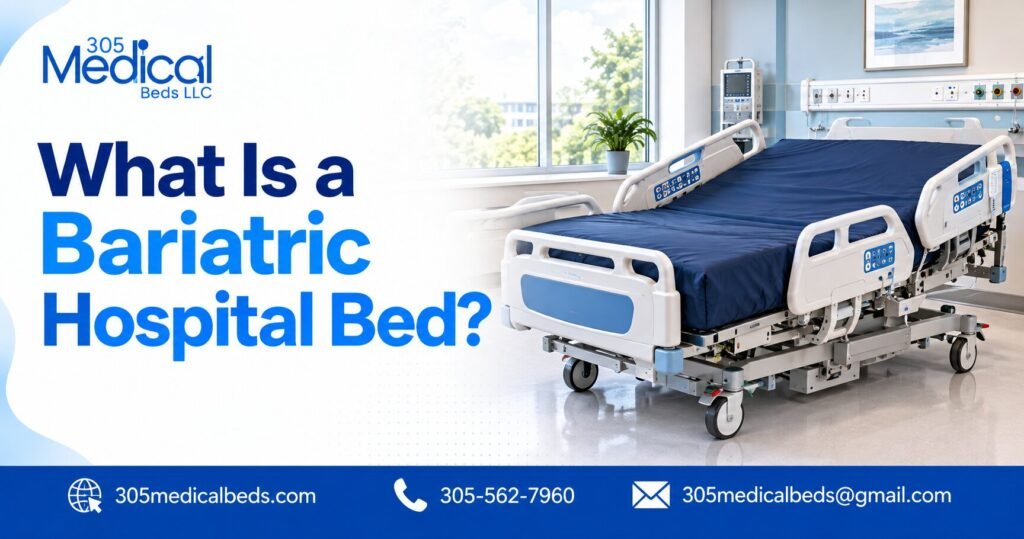
A bariatric hospital bed is a specially designed medical bed built to safely support patients who require a higher weight capacity and a wider sleeping surface than a standard hospital bed. These beds typically feature a reinforced frame, a wider mattress platform, and adjustable positioning to provide greater stability, comfort, and support during patient care. Bariatric hospital beds are used in hospitals, nursing facilities, rehabilitation centers, long-term care facilities, and other healthcare environments where additional bed capacity and space may be required. What Makes a Bariatric Hospital Bed Different? The main difference between a bariatric hospital bed and a standard hospital bed is its ability to accommodate greater patient weight and provide additional space. A bariatric patient bed is generally designed with several features that support safe patient care, including: The exact specifications, dimensions, and weight capacity vary between manufacturers and individual bed models, so healthcare facilities should always verify the manufacturer’s specifications before selecting a bed. Who Uses a Bariatric Patient Bed? A bariatric patient bed may be appropriate for patients who require a higher-capacity bed because of their body weight, size, mobility needs, or other patient-care considerations. These beds can be used in a variety of healthcare settings, including: The appropriate bed should be selected based on the patient’s needs, the manufacturer’s stated weight capacity, available room space, mattress requirements, and the level of care required. What Are the Benefits of a Bariatric Hospital Bed? A bariatric hospital bed can provide several practical benefits when appropriately matched to the patient’s needs. Greater Weight Capacity These beds are designed to accommodate higher patient weights than many standard hospital beds. Always check the manufacturer’s stated safe working load before use. Additional Space The wider design provides more space for patients who may require additional room for comfortable positioning and movement. Improved Patient Positioning Adjustable bed functions can help caregivers position patients for different care activities, depending on the specific bed model. Support for Caregivers Features such as adjustable bed height and positioning may make certain routine care and patient-transfer activities more manageable for caregivers. What Should You Consider When Choosing a Bariatric Hospital Bed? Choosing a bariatric hospital bed involves more than simply looking at its maximum weight capacity. Healthcare providers and facilities should consider the complete specifications of the bed. 1. Weight Capacity Check the manufacturer’s specified weight capacity and make sure it is appropriate for the intended patient and use. 2. Bed Width Consider the available sleeping surface and whether it provides sufficient space for the patient’s comfort and care requirements. 3. Adjustability Look at the available positioning functions, such as head elevation, foot adjustment, and overall bed-height adjustment. 4. Mattress Compatibility The mattress should be compatible with the specific bariatric bed and appropriate for its dimensions and intended use. 5. Safety Features Depending on the model, features may include side rails, locking casters, adjustable height, and other components designed to support safe patient care. 6. Available Room Space Because bariatric beds are often wider than standard hospital beds, the room should have enough space for the bed, caregivers, medical equipment, and patient transfers. What Is a Refurbished Bariatric Hospital Bed? A refurbished bariatric hospital bed is a previously used medical bed that has been inspected, serviced, repaired, or restored for further use, depending on the refurbishment process and supplier. Refurbished equipment can be an option for healthcare facilities looking to acquire bariatric beds while managing equipment costs. However, buyers should carefully review the bed’s condition, specifications, weight capacity, electrical and mechanical functions, included components, and refurbishment process before purchasing. It is also important to confirm that the refurbished bed meets the requirements of the intended healthcare environment and patient. Bariatric Hospital Bed vs. Standard Hospital Bed The key distinction is the level of support and space the bed is designed to provide. Feature Bariatric Hospital Bed Standard Hospital Bed Weight capacity Generally higher Generally lower Bed width Generally wider Standard width Frame construction Designed for higher loads Designed for standard patient loads Patient space More sleeping surface Standard sleeping surface Room requirements May require additional space Typically requires less space Specifications differ by manufacturer and model, so this comparison should be used as a general guide rather than a substitute for individual product specifications. Frequently Asked Questions What is a bariatric hospital bed? A bariatric hospital bed is a medical bed designed with a higher weight capacity and wider sleeping surface to accommodate patients who require additional support and space compared with a standard hospital bed. What is a bariatric patient bed used for? A bariatric patient bed is used to provide appropriate support, positioning, and additional space for patients who require a higher-capacity medical bed. These beds can be used in hospitals, nursing facilities, rehabilitation centers, long-term care, and other healthcare settings. How is a bariatric bed different from a regular hospital bed? A bariatric bed generally has a higher weight capacity, wider sleeping surface, and reinforced construction compared with a standard hospital bed. Exact specifications vary by model. Are refurbished bariatric hospital beds available? Yes, refurbished bariatric hospital beds can be available through medical equipment suppliers. Buyers should verify the bed’s condition, weight capacity, functionality, specifications, and refurbishment process before purchasing. What should I check before buying a bariatric hospital bed? Check the manufacturer’s weight capacity, bed dimensions, mattress compatibility, adjustment functions, safety features, overall condition, and available room space. For refurbished equipment, also review its service and refurbishment history when available. Final Thoughts A bariatric hospital bed is designed to provide additional capacity, space, and support for patients who may not be appropriately accommodated by a standard hospital bed. Selecting the right bariatric patient bed requires consideration of weight capacity, dimensions, adjustability, safety features, mattress compatibility, and the intended care environment. For refurbished equipment, buyers should also evaluate the bed’s condition and refurbishment details before making a purchasing decision. Most importantly, always refer to the manufacturer’s specifications to confirm that the selected bed is appropriate for its intended patient and use.
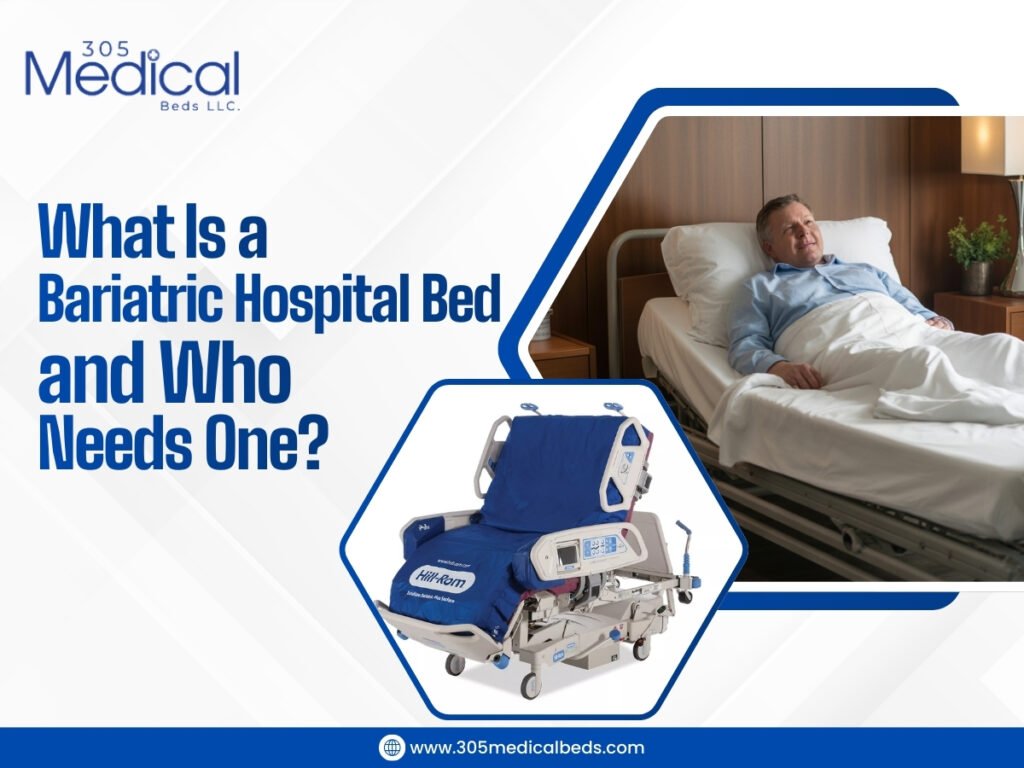
What Is a Bariatric Hospital Bed and Who Needs One
Bariatric Beds, Hospital Beds, Uncategorized

What Is a Bariatric Hospital Bed and Who Needs One?

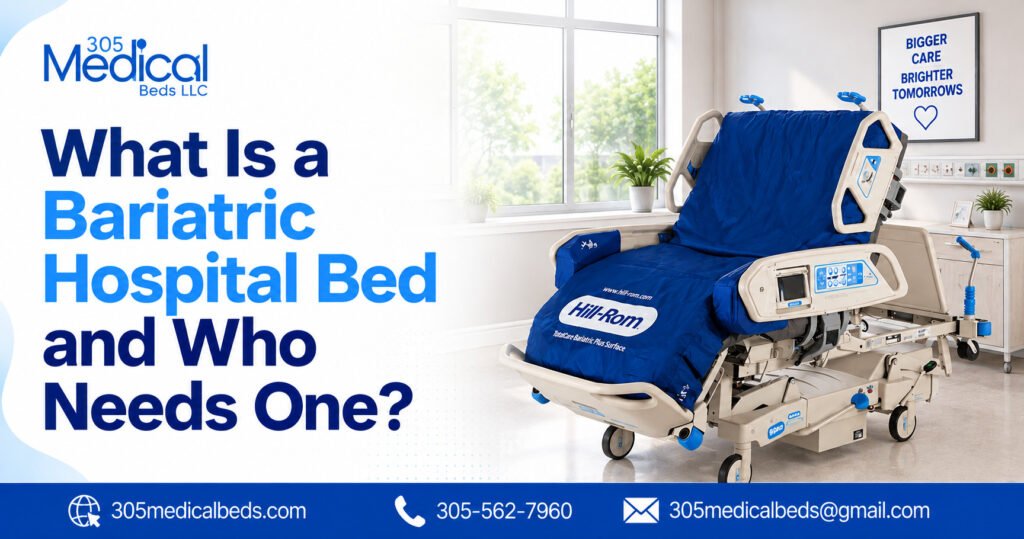
Choosing the right hospital bed is an important part of creating a safe, comfortable, and practical care environment. While standard hospital beds are suitable for many patients, some patients require a bed with greater weight capacity, additional width, stronger construction, and specialized support. That is where a bariatric hospital bed can make a significant difference. A bariatric bed is designed to accommodate patients who need a higher weight-capacity bed and a larger sleeping surface than a standard hospital bed can provide. For hospitals, nursing facilities, rehabilitation centers, and home-care environments, selecting the right bariatric patient bed can improve the overall practicality of patient care while providing a more appropriate platform for the individual. At 305 Medical Beds, we understand that healthcare facilities need equipment that balances quality, functionality, patient requirements, and budget. In this guide, we’ll explain what bariatric hospital beds are, who may need them, what features to consider, and how to choose the right option. What Is a Bariatric Hospital Bed? A bariatric hospital bed is a medical bed specifically designed to accommodate patients who require a higher weight capacity and/or a wider sleeping surface than a conventional hospital bed provides. These beds are generally built with a reinforced frame and a wider platform. Depending on the model, they can also include powered positioning, adjustable height, side rails, heavy-duty casters, and other features designed for patient and caregiver needs. The exact specifications vary between models, so buyers should always check the manufacturer’s stated weight capacity and dimensions before making a purchase. The important distinction is simple: a bariatric bed is designed around the needs of patients who require more space and support than a standard hospital bed can provide. Who Needs a Bariatric Patient Bed? A bariatric patient bed may be appropriate for individuals whose weight, body size, mobility needs, or care requirements make a standard bed unsuitable. It may be considered in settings such as: The decision should always be based on the patient’s individual requirements and the specifications of the particular bed. For example, a patient may require additional width for comfortable positioning, while another may require a higher weight capacity. In some cases, both requirements may apply. Why Isn’t a Standard Hospital Bed Always Enough? Standard hospital medical beds are designed for a broad range of patients, but they have defined dimensions and weight capacities. Trying to use a standard bed when a patient requires a wider or higher-capacity platform may create practical challenges for both the patient and caregivers. A properly selected bariatric bed can provide: More Sleeping Surface Additional width can provide a more suitable space for patients who need it, helping accommodate different body sizes and positioning requirements. Higher Weight Capacity Bariatric beds are designed with higher weight capacities than many standard hospital beds. However, capacity varies by model, so buyers should always verify the manufacturer’s specifications. Stronger Construction Many bariatric models use reinforced frames and components designed to support higher loads. Better Caregiver Access The additional space and adjustable positioning available on many bariatric beds can make routine patient-care activities more practical. Important Features to Look For in a Bariatric Hospital Bed Not every bariatric bed is the same. Before purchasing, it is important to look beyond the label and evaluate the specifications. 1. Weight Capacity This should be one of the first things you check. Do not choose a bed simply because it is advertised as “bariatric.” Confirm the manufacturer’s specified weight capacity and make sure it is appropriate for the intended patient. 2. Bed Width A wider sleeping surface is one of the primary advantages of a bariatric patient bed. Consider both the patient’s needs and the available space in the room. A wider bed requires sufficient clearance around the bed for caregivers and equipment. 3. Height Adjustment Adjustable height can be useful for patient transfers and caregiver access. Depending on the model, electric adjustment can allow caregivers to position the bed according to the situation. 4. Patient Positioning Look at the available positioning functions. Features such as adjustable head and foot sections can provide greater flexibility for different care requirements. 5. Side Rails Side rails can be an important component of a hospital bed. Check their design, operation, and compatibility with the specific bed. 6. Casters and Braking A bariatric bed is substantial equipment, so mobility and stability are important considerations. Look at the caster system and braking mechanism before purchasing. 7. Mattress Compatibility The mattress should be appropriate for the bed’s dimensions and weight requirements. Always confirm compatibility rather than assuming that a standard hospital mattress will fit. Bariatric Beds Are Not Only About Weight One common misunderstanding is that a bariatric hospital bed is simply a “stronger” hospital bed. The patient’s overall care requirements matter just as much as weight. For some patients, the additional width can be important for comfort and positioning. For caregivers, the appropriate bed dimensions and adjustable features can make routine care more manageable. That’s why the best hospital bed is not necessarily the largest or most expensive model. It is the one that matches the patient’s needs and the care environment. New or Refurbished Bariatric Hospital Beds? Cost is another important consideration for healthcare facilities. Purchasing new medical equipment can require a significant investment, particularly when multiple beds are needed. A quality refurbished hospital bed can sometimes provide a more cost-effective alternative. The same principle can apply to bariatric equipment. A properly inspected and refurbished bariatric bed can give facilities another way to obtain hospital-grade equipment while managing their equipment budget. However, buyers should pay attention to the actual condition of the equipment, its specifications, available components, and the reputation of the supplier. Affordable hospital beds should still meet the requirements of the intended patient and care environment. Saving money should never mean ignoring weight capacity, functionality, safety features, or equipment condition. How to Choose the Right Bariatric Hospital Bed Before purchasing, make a simple checklist based on the patient and the environment. Consider these questions: What weight capacity is

What Is a Bariatric Hospital Bed and Who Need One
Bariatric Beds

What is a Bariatric Hospital Bed and Who Needs One?

When medical care requires more than standard equipment, choosing the right hospital bed becomes critical. A bariatric hospital bed is specifically designed to support patients with higher body weight, limited mobility, and complex medical needs—while maintaining comfort, dignity, and safety. Whether used in hospitals, long-term care facilities, or home healthcare settings, bariatric beds play a vital role in improving patient outcomes and protecting caregivers. Their impact on bariatric bed recovery and mobility support makes them an essential part of modern patient care. What Is a Bariatric Hospital Bed? A bariatric hospital bed is a specialized medical bed engineered to accommodate patients who exceed the weight and size limits of traditional hospital beds. These beds are built with reinforced frames, wider sleep surfaces, and powerful motors to ensure safe positioning and long-term durability. The importance of bariatric beds for heavier patients becomes evident when standard beds fail to provide adequate stability, safety, and long-term performance. Key Characteristics of Bariatric Hospital Beds: Unlike standard beds, bariatric hospital beds are designed to reduce risk, improve comfort, and support complex care needs. How Is a Bariatric Hospital Bed Different from a Standard Hospital Bed? Understanding the difference helps caregivers and facilities make informed decisions. Bariatric vs. Standard Hospital Bed Bariatric Hospital Bed Standard Hospital Bed For patients who exceed standard limits, using a regular hospital bed can lead to discomfort, equipment failure, and safety risks. Who Needs a Bariatric Hospital Bed? A bariatric hospital bed is not only about weight—it’s about safety, comfort, and proper medical support. Proper bariatric bed selection for larger patients ensures both patient dignity and caregiver safety. 1. Patients with Higher Body Weight Patients whose weight exceeds the safe working load of standard hospital beds require bariatric beds to prevent: A bariatric hospital bed ensures stability and reliable performance under continuous use. 2. Patients with Limited Mobility Patients who have difficulty repositioning, standing, or transferring benefit greatly from bariatric beds. These beds: 3. Long-Term Care and Chronic Condition Patients Patients receiving long-term care often require specialized beds that can withstand daily use while maintaining comfort. A bariatric hospital bed is ideal for: 4. Post-Surgical and Rehabilitation Patients After surgery—especially orthopedic or weight-related procedures—patients benefit from advanced bariatric ICU bed support that helps maintain stability and safe repositioning during recovery. Bariatric hospital beds help support recovery while minimizing complications. 5. Home Healthcare Patients Bariatric hospital beds are increasingly used in home settings, providing hospital-grade care in a familiar environment. They are suitable for: Key Benefits of a Bariatric Hospital Bed Enhanced Patient Comfort A strong focus on bariatric patient comfort in ICU and long-term care beds plays a major role in improving rest quality and reducing pressure-related complications. Improved Safety Better Caregiver Support Long-Term Durability In critical care environments, bariatric ICU bed support for critical care patients plays an important role in maintaining stability, safety, and continuous patient monitoring. Important Features to Look for in a Bariatric Hospital Bed When selecting a bariatric hospital bed, these features are essential: Modern designs highlighted in advanced bariatric bed technology and design combine safety, comfort, and caregiver efficiency. Are Bariatric Hospital Beds Only for Obese Patients? No. While commonly associated with obesity, bariatric hospital beds are also used for patients who need: The focus is proper support, not labeling. Are Refurbished Bariatric Hospital Beds a Suitable Option? Many healthcare providers choose refurbished solutions based on bariatric patient care efficiency and safety benefits. Benefits of Refurbished Bariatric Beds: They are ideal for healthcare facilities and home caregivers looking for quality within a budget. When Should You Consider a Bariatric Hospital Bed? You should consider a bariatric hospital bed if: Choosing the Right Bed Makes a Real Difference Understanding what a bariatric hospital bed is and who needs one is essential for providing safe, effective, and dignified care. These specialized beds offer superior strength, comfort, and safety for patients who require more support than standard hospital beds can provide. Whether used in hospitals, long-term care facilities, or home healthcare environments, bariatric hospital beds play a critical role in improving patient outcomes and protecting caregivers—making them a smart, responsible choice in modern healthcare. Frequently Asked Questions What weight capacity does a bariatric hospital bed support? Most bariatric hospital beds support between 600 and 1,000+ pounds, depending on the model. Can bariatric hospital beds be used at home? Yes, many bariatric hospital beds are designed for home healthcare use with simple controls and safe operation. Do bariatric hospital beds prevent pressure sores? Yes, especially when paired with bariatric mattresses, they help redistribute weight and reduce pressure injury risk. Are bariatric beds wider than standard hospital beds? Yes, bariatric beds offer a wider sleeping surface for improved comfort and stability. Is a bariatric hospital bed necessary for short-term care? If safety, comfort, or weight capacity is a concern—even short-term—using a bariatric hospital bed is strongly recommended.

How Bariatric Beds Improve Patient Recovery and Mobility
Bariatric Beds

How Bariatric Beds Improve Recovery and Mobility

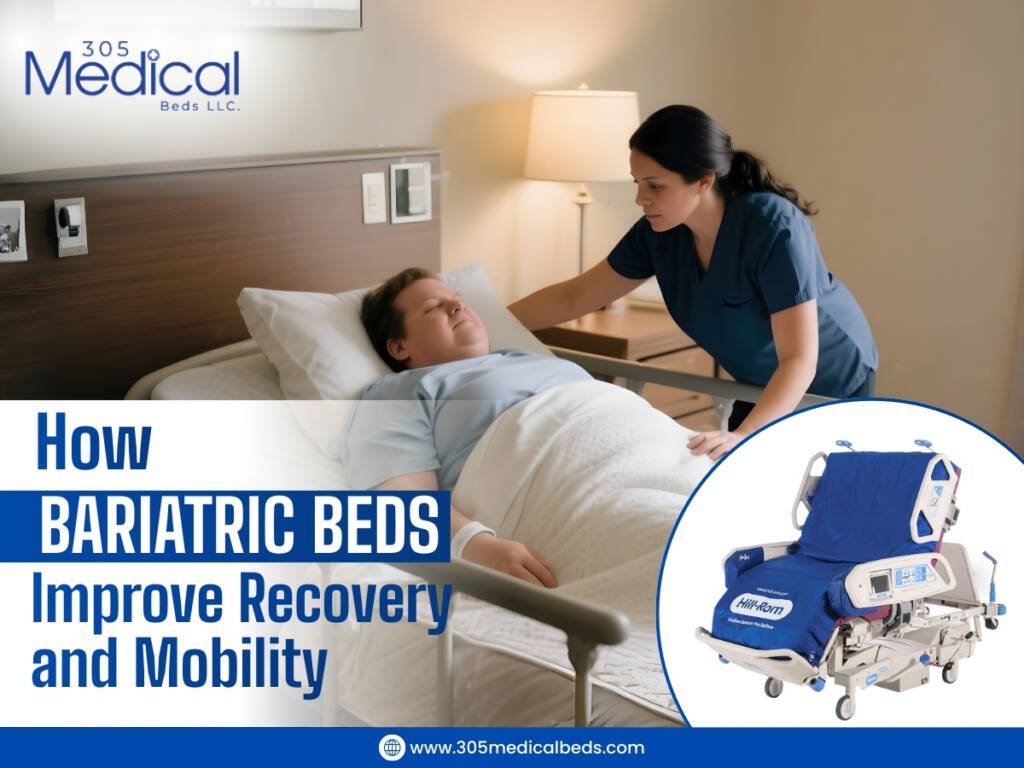
Recovery should feel supportive—not stressful. For bariatric patients, the journey toward healing and better movement often comes with added physical challenges, from joint pressure to limited mobility. A standard bed may not offer the stability, comfort, or safety needed during this process. That’s where bariatric beds‘ recovery and mobility support truly makes a difference. Designed specifically for higher weight capacities and wider body dimensions, bariatric beds help patients heal comfortably while encouraging safer movement. Their role in the importance of bariatric beds for heavier patients highlights why specialized equipment is essential for positive recovery outcomes In this guide, you’ll learn how bariatric beds improve recovery and mobility, what features matter most, and why choosing the right bed can significantly impact patient outcomes. What Is a Bariatric Bed? A bariatric bed is a specialised medical bed engineered to support individuals with higher body weight and broader frames. Unlike standard hospital beds, bariatric beds are built with reinforced materials and advanced adjustability to ensure safety, comfort, and durability. Key characteristics include: Modern designs discussed in advanced bariatric bed construction and performance demonstrate how these beds are built to support both healing and mobility. If you want a deeper understanding, learn what is a bariatric hospital bed and how it differs from standard hospital beds. Why Recovery and Mobility Are More Challenging for Bariatric Patients Bariatric patients often face unique physical barriers during recovery, such as: Without proper support, these challenges can slow healing and reduce independence. Bariatric beds, recovery, and mobility solutions are designed to address these issues directly. How Bariatric Beds Improve Recovery 1. Superior Comfort That Promotes Healing Comfort is not a luxury—it’s a critical part of recovery. Bariatric beds provide: A strong emphasis on exceptional comfort for bariatric patients in medical beds helps improve sleep quality, pain management, and overall healing. 2. Reduced Risk of Pressure Injuries Pressure injuries are a serious concern during extended bed rest. Bariatric beds help prevent them by: By reducing skin breakdown, bariatric beds contribute to safer and more effective recovery. 3. Advanced Positioning for Better Recovery Outcomes Electric adjustability allows patients and caregivers to customise positioning, including: Advanced positioning systems commonly found in bariatric ICU bed solutions for critical care support both recovery and clinical monitoring. How Bariatric Beds Improve Mobility 4. Safer Transfers In and Out of Bed One of the biggest mobility milestones is safely getting in and out of bed. Bariatric beds improve this by: In clinical environments, bariatric ICU bed support for patient transfers plays an important role in mobility safety. 5. Encouraging Independent Movement Independence plays a key role in mobility recovery. Bariatric beds support this by offering: Patients who move independently tend to regain strength and confidence faster. 6. Supporting Caregiver-Assisted Mobility For patients who require assistance, bariatric beds help protect caregivers by: Features highlighted in bariatric patient care efficiency and safety design help create safer caregiving environments. Key Bariatric Bed Features That Enhance Recovery and Mobility Heavy-Duty Weight Capacity Built with reinforced frames and motors, bariatric beds provide stable, reliable support without compromising safety. Extra-Wide Sleep Surface A wider bed allows: This directly improves both recovery and mobility confidence. Full Electric Adjustability Electric controls allow patients or caregivers to easily adjust bed position, encouraging regular  movement and proper positioning. Supportive Bed Rails Optional or integrated rails provide: These features significantly improve mobility safety. Bariatric Beds in Home Care vs. Medical Facilities Home Care Recovery Benefits In a home environment, bariatric beds: They turn home recovery into a safer, more dignified experience. Hospital and Rehabilitation Use In clinical settings, bariatric beds: Early and safe movement is proven to shorten recovery timelines. How to Choose the Right Bariatric Bed for Recovery and Mobility When selecting a bariatric bed, consider: Following bariatric bed selection guidance for larger patients helps ensure the best match for recovery and mobility needs. Why Bariatric Beds Are a Long-Term Investment in Health Beyond recovery, bariatric beds support: For both short-term healing and long-term care, bariatric beds provide unmatched value. Final Thoughts Bariatric beds, recovery, and mobility solutions are essential for patients who need safe, comfortable, and supportive care. From reducing pressure injuries to encouraging independent movement, these beds directly impact healing speed and overall well-being. Whether for home care or clinical use, investing in the right bariatric bed means safer movement, faster recovery, and greater independence. Explore our range of bariatric beds designed to support recovery and mobility at 305medicalbeds.com.

Blog Featured Image showing a bariatric patient lying on the
Bariatric Beds

Why Bariatric Beds are Essential for Heavier Patients?

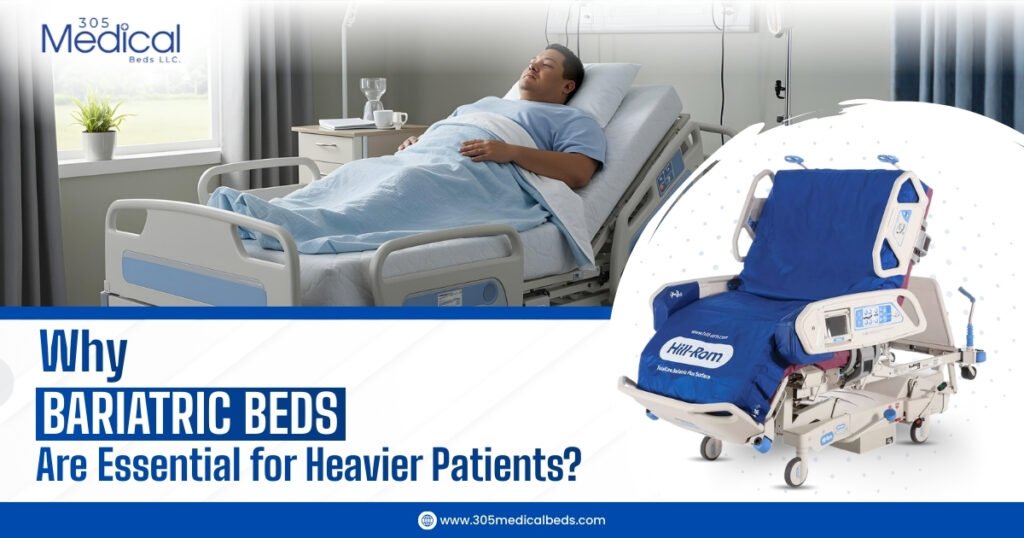
Patient comfort, safety, and proper medical support are critical elements in any healthcare environment. For overweight and obese patients, these needs become even more important due to increased pressure risk, mobility challenges, and the limitations of standard hospital beds. This is where bariatric beds improve recovery and mobility play a vital role. Bariatric hospital beds are specifically designed to accommodate higher weight capacities, provide wider sleeping surfaces, and enhance patient comfort and caregiver safety. In this updated guide, we explore why bariatric beds matter, their features and benefits, their types, and how choosing the right one can significantly improve patient outcomes. What Is a Bariatric Bed? A bariatric bed is a heavy-duty hospital bed engineered to support patients weighing 350-1,000 lbs or more, depending on the model. Unlike standard hospital beds, bariatric beds provide: These beds ensure a safe, comfortable, and medically supportive environment for heavier patients who are at greater risk of pressure sores, falls, and mobility challenges. Learn more about what is a bariatric hospital bed for a detailed explanation. Why Bariatric Beds Are Essential for Heavier Patients Traditional hospital beds often do not provide adequate stability or comfort for heavier individuals. Research shows that: A bariatric bed solves these issues by offering a stable platform, wider space, and improved weight distribution, reducing pressure points and preventing skin breakdown. This highlights the importance of bariatric beds for heavier patients in modern healthcare settings. Key Benefits for Patients ✔ Even weight distribution reduces pressure ulcers ✔ Wider space provides comfort and prevents falls ✔ Stronger frames enhance safety ✔ Specialized mattresses support heavy weights without sagging ✔ Adjustable positioning improves breathing, circulation, and healing For more details on exceptional comfort for bariatric patients in medical beds, check our dedicated guide. Key Features of Bariatric Beds 1. Increased Weight Capacity These beds are built to hold significantly higher weights, ensuring the patient rests securely. 2. Wider Frame for Comfort Extra width (usually 42–48 inches) gives obese patients adequate room, reducing friction and discomfort. 3. Electric Height & Position Adjustments Most bariatric beds include easy-to-use electric controls that allow: For an in-depth look at features, see bariatric bed guide for larger patients. 4. Pressure-Reducing Mattresses Bariatric mattresses redistribute weight evenly, preventing painful pressure ulcers. 5. Durable Steel Construction Heavy-gauge metal ensures stability, durability, and long-term performance. 6. Safety Rails & Mobility Assistance Rails and grab bars help patients move independently and prevent accidental falls. To understand how these features enhance healing, refer to bariatric beds improve recovery and mobility. How Bariatric Beds Support Healthcare Providers A bariatric bed is as beneficial to caregivers as it is to patients. Features such as electric height adjustment, wider access points, and sturdy support structures reduce the risk of caregiver injury while making repositioning and transfers easier. Benefits for caregivers include: Advanced solutions discussed in the ultimate guide to the Hill-Rom Bariatric Plus bed highlight caregiver safety and efficiency. How Bariatric Beds Improve Recovery & Rehabilitation Patient recovery depends heavily on comfort, mobility support, and proper sleep posture. Bariatric beds enable: Electric adjustability allows patients to sit upright, engage in therapy exercises, and reposition themselves without strain. Explore why the Hill-Rom TotalCare Bariatric Plus is ideal for bariatric patient care for advanced recovery solutions. Standard Hospital Beds vs Bariatric Hospital Beds Below is a quick comparison to highlight why bariatric beds are necessary: Feature Standard Hospital Bed Bariatric Hospital Bed Weight Capacity 250–350 lbs 500–1,000+ lbs Bed Width 36 inches 42–48 inches Mattress Type Standard foam Pressure-relief bariatric mattress Stability Moderate High stability for heavy weight Mobility Support Basic Advanced rails, support bars Caregiver Safety Lower Much higher Types of Bariatric Beds 1. Manual Bariatric Beds Budget-friendly but requires manual adjustment. Sturdy and reliable for basic needs. 2. Electric Bariatric Beds Most recommended for hospitals and home care due to: ✔ Electric height control ✔ Easy back/leg adjustment ✔ Smooth mobility ✔ Greater caregiver safety 3. Premium Bariatric Beds (Hill-Rom, Stryker, etc.) These beds come with: Factors to Consider When Choosing a Bariatric Bed When selecting the right bed, keep these factors in mind: Hill-Rom TotalCare P1840 Bariatric Plus If you need a reliable and high-performance bariatric hospital bed, the Hill-Rom TotalCare P1840 Bariatric Plus is one of the best options used in hospitals nationwide. Conclusion Bariatric beds are a vital component in delivering safe, comfortable, and effective care for overweight and obese patients. With specialized features such as enhanced weight capacity, wider frames, advanced support surfaces, and electric adjustments, they drastically improve patient outcomes and make caregiver tasks safer. Choosing the right bariatric bed—such as the Hill-Rom TotalCare P1840 Bariatric Plus—ensures both comfort and stability for patients who need extra support. Investing in the proper equipment not only improves recovery and safety but also elevates the overall quality of healthcare. Frequently Asked Questions 1. What weight can a bariatric bed support? Most models support 500–1,000 lbs, depending on the manufacturer and design. 2. Can bariatric hospital beds be used at home? Yes, especially electric models that are designed for home caregivers and long-term comfort. 3. Are bariatric beds covered by insurance? In many cases, yes—if medically necessary and prescribed by a doctor. 4. What mattress is used for a bariatric bed? A pressure-relieving bariatric mattress designed to distribute weight evenly and prevent skin damage. 5. Do bariatric beds help reduce bedsores? Absolutely. They reduce pressure points and friction, significantly lowering the risk.

305 Medical Beds LLC |  2739 W 79 St, Unit 15, Hialeah, Florida 33016 |  Phone: 1.305.562.7960
© Copyright 2012 – 2024 | All Rights Reserved.

You have been successfully Subscribed! Ops! Something went wrong, please try again.

About Us

305 Medical Beds LLC is a certified supplier of refurbished hospital, ICU, and adjustable medical beds. Serving healthcare facilities and home care patients across Florida and the United States since 2020

305 Medical Beds LLC |  2739 W 79 St, Unit 15, Hialeah, Florida 33016 |  Phone: 1.305.562.7960
© Copyright 2012 – 2026 | All Rights Reserved.