Author name: Carlos Candido

what makes the spo2rt icu bed the right choice for hospitals
Spo2rt Beds

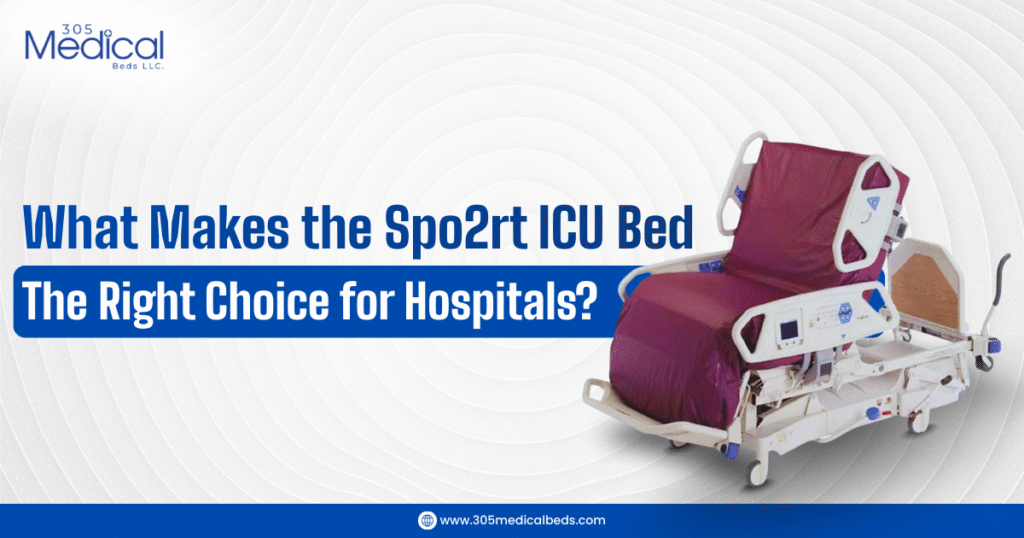
What Makes the Spo2rt ICU Bed the Right Choice for Hospitals?

Quick Review Choosing the right ICU bed is one of the most critical decisions a hospital can make. Patient safety, real-time monitoring, caregiver efficiency, and clinical accuracy all depend on it. The SpO₂RT ICU bed stands out as a smart, future-ready solution designed to support critical care patients while simplifying workflows for medical staff. In this guide, you’ll learn: If your hospital prioritizes precision, safety, and efficiency, this blog will help you understand why the SpO₂RT ICU bed is the right choice. 1. Real-Time SpO₂ Monitoring for Critical Patients One of the most important reasons hospitals choose the SpO₂RT ICU bed is its real-time oxygen saturation monitoring. Why Real-Time Monitoring Matters Key Benefits By integrating monitoring into the bed itself, hospitals reduce equipment clutter while improving efficiency and patient safety. 2. Enhanced Patient Safety and Comfort Patient safety is non-negotiable in intensive care settings. The SpO₂RT ICU bed is designed with both safety and comfort in mind. Safety Features Include Comfort-Focused Design Why it matters: Comfortable patients are more stable, easier to manage, and experience fewer complications during extended ICU care. 3. Advanced Adjustability for Clinical Precision The SpO₂RT ICU bed offers precise positioning options, allowing clinicians to adapt the bed to patient needs instantly. Adjustable Functions Clinical Advantages These features make the SpO₂RT ICU bed ideal for patients requiring frequent repositioning and close observation. 4. Streamlined Workflow for Healthcare Staff In a high-pressure ICU environment, efficiency saves lives. The SpO₂RT ICU bed is built to support caregivers and reduce workload. How It Helps Medical Staff Operational Benefits for Hospitals By minimizing physical strain and simplifying operations, hospitals can deliver better care with fewer complications. 5. Superior Infection Control and Hygiene Infection prevention is a top priority in hospitals, especially in ICUs. The SpO₂RT ICU bed is designed to meet strict hygiene standards. Hygiene-Focused Design Why Hospitals Prefer It Cleanability and infection control make this bed a reliable choice for long-term ICU use. 6. Built for Long-Term Hospital Use Hospitals need equipment that delivers value over time. The SpO₂RT ICU bed is engineered for durability and performance. Long-Term Benefits This makes it a cost-effective investment with consistent performance across years of service. Why Hospitals Trust the SpO₂RT ICU Bed Hospitals choose the SpO₂RT ICU bed because it aligns with modern critical care demands. Key Reasons Hospitals Prefer It These advantages make it a trusted solution in intensive care units worldwide. Conclusion The SpO₂RT ICU bed is more than just a hospital bed—it is a complete critical care solution. With real-time oxygen monitoring, advanced adjustability, superior safety, and infection control, it supports both patients and healthcare professionals in the most demanding environments. For hospitals aiming to improve patient outcomes, optimize staff efficiency, and maintain high standards of care, the SpO₂RT ICU bed is the right choice. Explore advanced ICU bed solutions at 305 Medical Beds and equip your hospital with technology designed for critical care excellence.
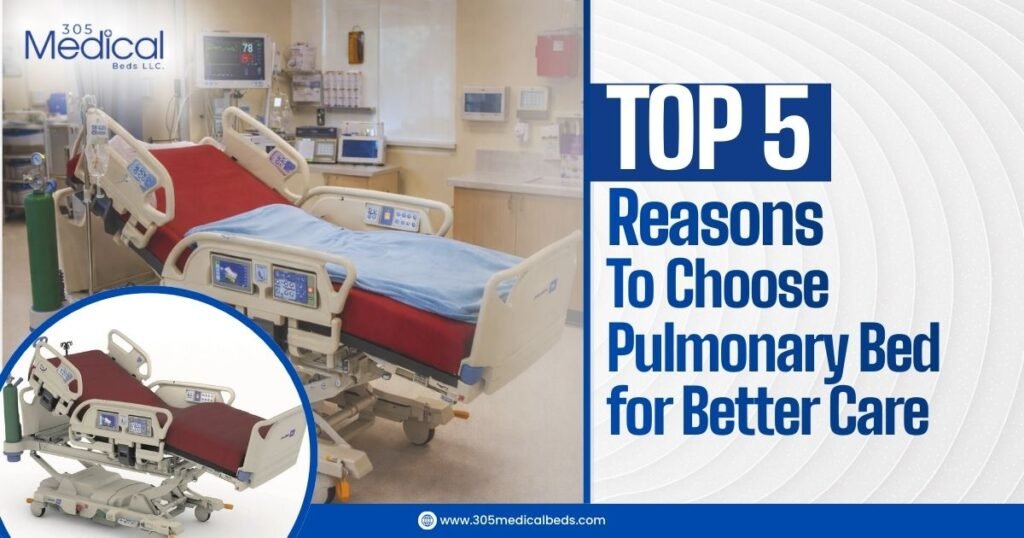
Top 5 Reasons to choose pulmonary bed for better care
Progressa Pulmonary Beds

Top 5 Reasons to Choose Pulmonary Bed for Better Care

Quick Review If you’re looking for a solution to improve respiratory care, comfort, and long-term recovery for patients with lung conditions, pulmonary bed is an essential investment. They are specifically designed to support breathing, prevent complications, and ensure safety for patients with COPD, asthma, or other respiratory challenges. In this article, you’ll learn: This guide will help you make an informed decision and ensure your patients or loved ones receive the care they deserve. What Are Pulmonary Beds? A pulmonary bed is a specialized medical bed designed for patients with respiratory conditions. Unlike standard hospital beds, pulmonary beds provide adjustable positions, enhanced lung support, and comfort features that help patients breathe more easily. 1. Enhanced Respiratory Support The primary benefit of pulmonary beds is enhanced respiratory support. How it helps: Why it matters: Proper positioning reduces shortness of breath, prevents complications, and accelerates recovery. 2. Improved Comfort and Pain Management Pulmonary beds are designed to maximize patient comfort and minimize pain. Comfort Features Include: Why it matters: Comfortable patients sleep better, experience less stress, and recover faster. 3. Advanced Adjustable Features Modern pulmonary beds come with multiple adjustable features for both patients and caregivers. Key Adjustable Features: Why it matters: Adjustable beds improve independence, safety, and ease of care, making them suitable for hospitals and home care settings. 4. Infection Control and Hygiene Patients with lung conditions are highly vulnerable to infections. Pulmonary beds are designed for easy cleaning and hygiene maintenance. Hygiene Features Include: Why it matters: Maintaining hygiene reduces infection risks, especially for patients with chronic respiratory diseases. 5. Support for Long-Term Recovery Pulmonary beds are an investment in long-term patient health. Long-Term Benefits: Why it matters: Consistent care with a pulmonary bed ensures a higher quality of life during recovery. Conclusion Investing in a pulmonary bed means investing in better respiratory health, comfort, and long-term recovery. From enhanced breathing support to adjustable features and infection control, these beds are essential for patients with lung conditions. For high-quality pulmonary beds, check out 305 Medical Beds for trusted options designed for hospitals, home care, and long-term recovery. FAQs Q1: How does a pulmonary bed help COPD patients? A: It supports semi-upright positions that improve lung expansion, reduce strain, and help manage shortness of breath. Q2: Can pulmonary beds be used at home? A: Yes, many models are designed for home care with adjustable positions, safety features, and ease of use. Q3: What features should I look for in a pulmonary bed? A: Key features include adjustable head and foot positions, pressure-relief mattress, safety rails, and infection-resistant surfaces.

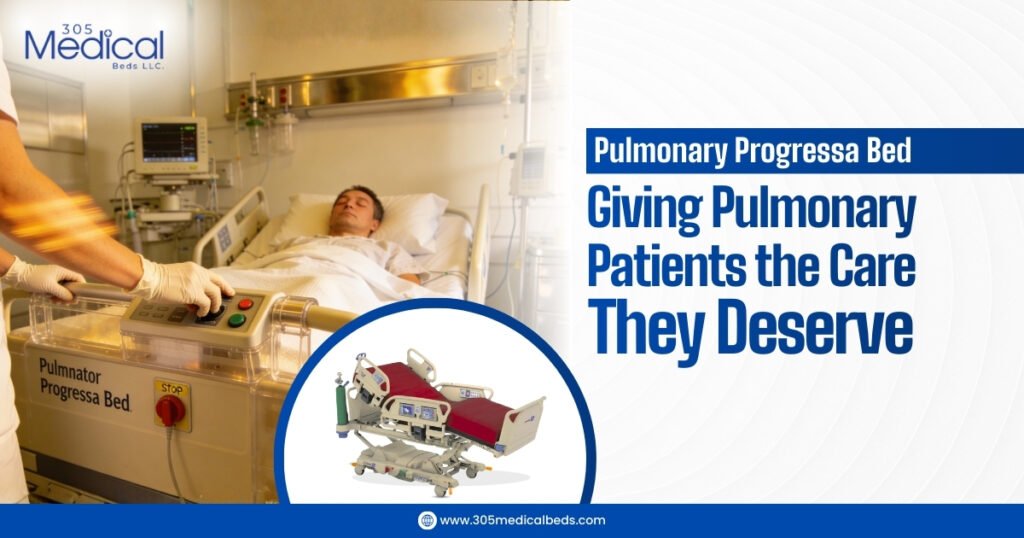
Pulmonary Progressa bed providing advanced respiratory care for hospital patients
Progressa Pulmonary Beds

Pulmonary Progressa Bed: Giving Pulmonary Patients the Care They Deserve

Caring for patients with pulmonary conditions requires specialised equipment that supports respiratory function, reduces complications, and enhances overall comfort. One of the most advanced solutions in critical care is the Pulmonary Progressa Bed. Designed with pulmonary patients in mind, this bed integrates cutting-edge technology and ergonomic features to provide personalised care and improve recovery outcomes. In this blog, we’ll explore what makes the Pulmonary Progressa Bed unique, its key features, benefits, and why it is essential for pulmonary patient care. What is the Pulmonary Progress Bed? The Pulmonary Progress Bed is a medical bed specifically designed for patients with respiratory challenges, such as COPD, asthma, pulmonary fibrosis, or post-surgery pulmonary complications. Unlike standard hospital beds, the Pulmonary Progressa Bed offers advanced positioning and therapeutic support that helps improve lung function, reduce respiratory strain, and minimise the risk of complications. This bed is particularly beneficial in critical care units (ICUs), pulmonary rehabilitation centres, and home care settings for patients who require continuous respiratory support. Benefits of Pulmonary Progressa Beds 1. Improved Respiratory Function Proper positioning and support can significantly improve lung expansion and oxygenation. By elevating the patient and adjusting their posture throughout the day, pulmonary beds reduce strain on the respiratory system and support recovery. 2. Reduced Risk of Complications Patients with pulmonary conditions are at higher risk for pneumonia, atelectasis, and pressure sores. Automated repositioning and therapeutic surfaces help mitigate these risks, keeping patients healthier and more comfortable. 3. Enhanced Patient Comfort The Pulmonary Progress Bed is designed with comfort in mind, reducing discomfort associated with prolonged bed rest. Features like adjustable headrests and pressure-relieving surfaces provide a better patient experience. 4. Efficient Caregiver Support Adjustable height and positioning make it easier for caregivers to manage pulmonary patients safely and efficiently. Less physical strain for caregivers translates to better overall care and lower risk of injury. Pulmonary Progressa Bed vs Standard Hospital Bed Feature Pulmonary Progressa Bed Standard Hospital Bed Positioning Options Advanced multi-angle positioning for respiratory support Basic head/foot adjustments Repositioning Automated lateral tilt and movement Manual only Therapeutic Surfaces Pressure-relief, anti-decubitus mattresses Standard mattress Patient Monitoring Optional integrated sensors for posture and breathing None Caregiver Efficiency Adjustable height and controls for easier care Limited adjustability As shown above, the Pulmonary Progress Bed provides significantly more benefits for pulmonary patients compared to standard hospital beds, improving patient outcomes and caregiver efficiency. Why Every Facility Should Consider Pulmonary Progressa Beds For hospitals, rehabilitation centres, and home care settings, the Pulmonary Progress Bed is an indispensable tool in pulmonary patient care. Its advanced features help: Investing in Pulmonary Progressa Beds is a step toward providing high-quality, patient-centred care, particularly for those with chronic or critical pulmonary needs. Conclusion The Pulmonary Progressa Bed is more than just a hospital bed—it is a comprehensive solution designed to meet the unique needs of pulmonary patients. By offering advanced positioning, therapeutic surfaces, automated repositioning, and caregiver-friendly features, this bed ensures that pulmonary patients receive the care they truly deserve. Facilities that prioritise patient safety, comfort, and recovery outcomes should consider adding Pulmonary Progressa Beds to their critical care and pulmonary care arsenal. After all, the right bed is not just equipment—it’s a lifeline for patients in need of specialised respiratory support.

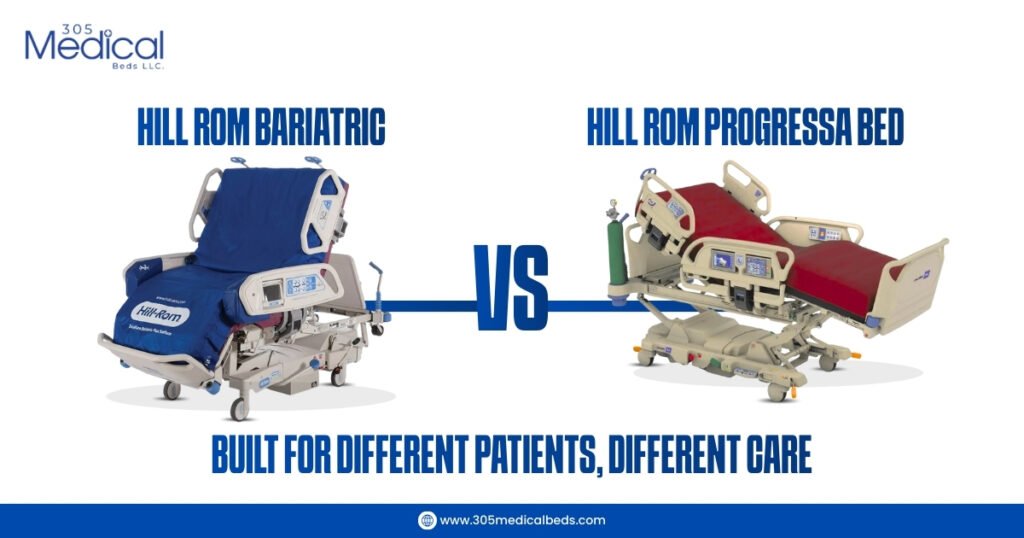
Hill Rom bariatric bed vs Hill Rom Progressa bed comparison for patient care
Bariatric Bed Comparison, Comparisons, Pulmonary Progressa Bed

Bariatric vs Progressa Bed: Built for Different Patients, Different Care

When it comes to providing exceptional care for patients in healthcare settings, choosing the right medical bed is crucial. Hospitals, nursing homes, and home care environments all require specific beds to meet the needs of their diverse patient populations. Two commonly used medical beds are the bariatric bed and the Progressa bed, both designed with patient comfort and care needs in mind. However, these beds cater to different patient groups with distinct requirements. In this blog post, we’ll compare bariatric beds vs Progressa beds, examining their unique features, benefits, and the patients they are designed for. By understanding these differences, healthcare providers can make the best decision when it comes to patient care. What is a Bariatric Bed? Bariatric beds are designed specifically for patients who are overweight or obese. The term “bariatric” refers to the field of medicine that deals with the prevention, diagnosis, and treatment of obesity. These beds offer specialised support for patients with higher weight capacities, ensuring that they are comfortable, safe, and well-supported during their stay. Benefits of Bariatric Beds What is a Progressa Bed? The Progressa bed is a type of medical bed used in critical care units (ICUs) or other specialized healthcare settings where patients need advanced therapeutic support and continuous repositioning. These beds are designed to meet the complex needs of critically ill patients, facilitating quicker recovery and improving overall patient outcomes. Benefits of Progressa Beds Bariatric vs Progressa Bed: Key Differences Although both bariatric beds and Progressa beds are designed with patient comfort and safety in mind, they cater to different patient groups and healthcare settings. Here’s a breakdown of their key differences: Feature Bariatric Bed Progressa Bed Primary Use Patients who are overweight or obese Critical care, post-surgery, rehabilitation Weight Capacity 500 to 1,000 pounds Up to 350 pounds Adjustability Adjustable head, foot, and height Advanced positioning and automated repositioning Therapeutic Features Focus on comfort and safety Focus on therapy, pressure relief, and mobility Technology Integration Basic manual adjustments Automated features for repositioning, therapy surfaces Target Audience Overweight or obese patients Critical, immobile, and post-surgery patients Key Takeaways Which Bed is Right for Your Facility? When it comes to selecting the right bed for your healthcare facility or home care setting, understanding the unique needs of your patient population is key. Bariatric beds are indispensable for accommodating larger patients who require specialized support and comfort. If your facility manages overweight or obese patients, bariatric beds are a necessity. On the other hand, if your facility caters to patients in need of critical care, post-surgical recovery, or rehabilitation, the Progressa bed is a superior choice. The advanced features of Progressa beds ensure that critically ill patients receive continuous care and monitoring, accelerating recovery while preventing complications like pressure sores. Conclusion In summary, both bariatric beds and Progressa beds are essential tools in specialized patient care, offering distinct benefits depending on the patient’s specific needs. Bariatric beds provide the necessary support for larger patients, while Progressa beds ensure advanced care for critically ill and recovering patients. By understanding the differences between these two types of beds, healthcare providers can make informed decisions that enhance patient comfort, safety, and recovery outcomes. Whether you need a bariatric bed to accommodate heavier patients or a Progressa bed to provide intensive care for critical patients, the right bed makes all the difference in improving patient care. Frequently Asked Questions

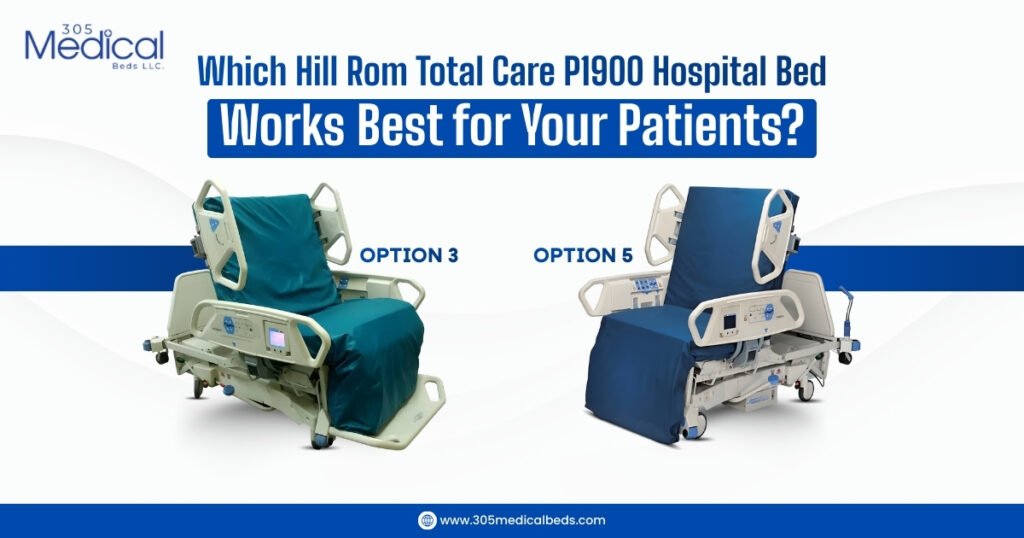
Which Hill Rom Total Care P1900 Hospital Bed Works Best
About 305 Medical Beds, Comparisons, Total Care P1900 Bed Option 3, Total Care P1900 Bed Option 5

Which Hill Rom Total Care P1900 Hospital Bed Works Best for Your Patients?

Choosing a hospital bed is never just about cost or availability. For patients who spend extended hours in bed, the right surface, positioning features, and safety systems can directly impact comfort, recovery outcomes, and caregiver efficiency. At 305 Medical Beds, we work daily with hospitals, rehab centres, and home-care providers who ask the same important question: Which Hill Rom Total Care P1900 Hospital Bed option is right for my patients? This guide compares Hill Rom Total Care P1900 Option 3 and Option 5 using real clinical needs—not marketing claims—so you can confidently choose the best configuration for your care environment. Quick Answer The Hill Rom Total Care P1900 Hospital Bed Option 3 is best for patients who need enhanced pressure redistribution and longer bed stays due to its air mattress system. Hill Rom Total Care P1900 Hospital Bed Option 5 is ideal for short-term care, lower pressure-injury risk, and budget-focused settings where a foam mattress provides sufficient comfort and support. Why 305 Medical Beds Evaluates the Hill Rom Total Care P1900 Differently Many product pages list features. We focus on clinical fit. At 305 Medical Beds, every Hill Rom Total Care P1900 Hospital Bed is evaluated based on: This approach ensures each configuration is matched to the environment it was designed for—not oversold or underspecified. Overview of the Hill Rom Total Care P1900 Hospital Bed Platform The Hill Rom Total Care P1900 Hospital Bed is a trusted care platform used across acute care, surgical recovery, skilled nursing, and home-care settings. While the bed frame and control systems remain consistent, mattress type and pressure-management capabilities differ significantly by option. Core Features Shared by Option 3 and Option 5 These shared features make the Hill Rom Total Care P1900 Hospital Bed a strong foundation. The real difference lies in the mattress system and pressure redistribution capability. Hill Rom Total Care P1900 Hospital Bed – Option 3 Enhanced Pressure Redistribution with Air Mattress Option 3 is designed for patients who require improved pressure management and may remain in bed for extended periods. 305 Medical Beds Clinical Verdict: Option 3 is ideal when pressure redistribution matters more than advanced ICU therapies. The air mattress provides better skin protection than foam, making it safer for longer stays. Hill Rom Total Care P1900 Hospital Bed – Option 5 Cost-Effective Care with Foam Mattress Option 5 is a simplified configuration designed for patients with lower pressure-injury risk and shorter lengths of stay. 305 Medical Beds Clinical Verdict: Option 5 delivers dependable Hill-Rom quality when basic comfort and safety are sufficient and advanced pressure therapy is not required. Side-by-Side Comparison: Option 3 vs Option 5 Feature Option 3 Option 5 Mattress Type Air Mattress Foam Mattress Pressure Redistribution Enhanced Basic Integrated Scale Yes Yes Bed Exit Alarm Yes Yes Chair Positions Yes Yes Battery Backup Yes Yes Best For Longer stays Short-term care Cost Level Moderate Lower Why Mattress Type Matters for Patient Safety Pressure injuries are one of the most common complications for patients with limited mobility. The Hill Rom Total Care P1900 Hospital Bed addresses this differently depending on the configuration. Option 3 – Air Mattress Benefits If pressure injury prevention is a concern, Option 3 is the safer choice. Option 5 – Foam Mattress Considerations Caregiver Efficiency and Workflow Benefits Both Hill Rom Total Care P1900 Hospital Bed options are designed to reduce caregiver strain through: These features improve workflow efficiency and reduce manual handling risks across care settings. Expert Insight from 305 Medical Beds One of the most common mistakes we see is choosing a bed based solely on price. In reality, mattress selection and length of stay have a greater impact on patient outcomes and total cost of care. Facilities that match the right Hill Rom Total Care P1900 Hospital Bed option to patient needs often see: How to Choose the Right Hill Rom Total Care P1900 Hospital Bed Ask these questions before deciding: Choose Option 3 if: Choose Option 5 if: Why Buy from 305 Medical Beds? Hospitals and care providers choose 305 Medical Beds because we offer: We focus on clinical fit, not upselling. Frequently Asked Questions

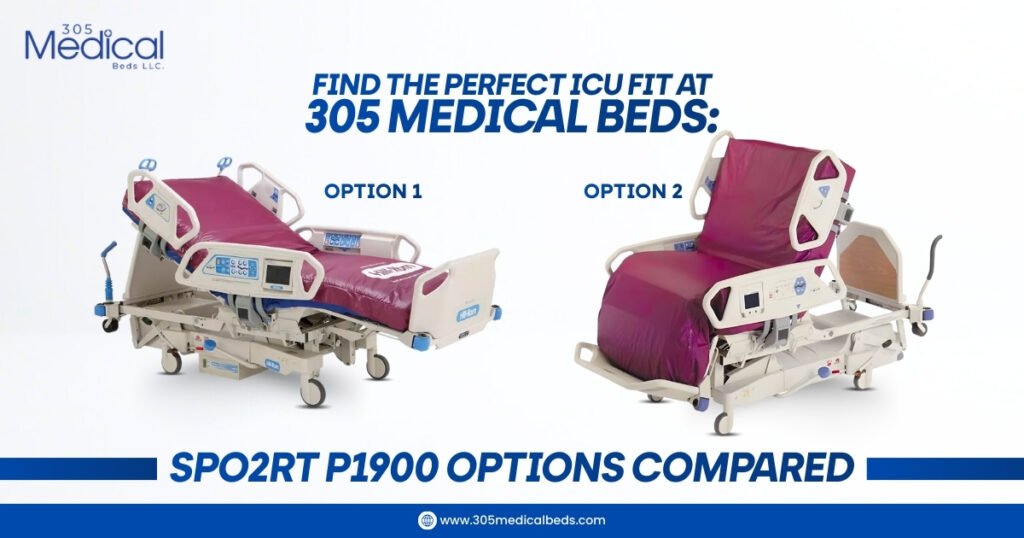
Find the Perfect ICU Fit at 305 Medical Beds: Spo2rt P1900 Options Compared
About 305 Medical Beds, Comparisons, Spo2rt P1900 ICU Bed (Option 1)

Find the Perfect ICU Fit at 305 Medical Beds: Spo2rt P1900 Options Compared

Choosing an ICU bed is never just a purchasing decision; it is a patient-care decision. Every adjustment, therapy function, and support feature directly impacts recovery, safety, and staff efficiency. At 305 Medical Beds, we work closely with hospitals and care facilities every day, and one question comes up often: Which Spo2rt P1900 option is truly right for ICU use? This guide was created to answer that question clearly. Below, we compare Spo2rt P1900 ICU bed options using real clinical needs, not marketing language, so you can confidently choose the right configuration for your facility. Why 305 Medical Beds Compare Spo2rt P1900 Options Differently At 305 Medical Beds, we do more than list features. We evaluate ICU beds based on: This approach ensures that every Spo2rt P1900 ICU bed option is matched to the environment it was designed for. Overview of Spo2rt P1900 ICU Bed Options The Spo2rt P1900 platform appears across multiple configurations. While the core bed frame remains consistent, therapy systems and ICU readiness vary significantly. Core Specifications Across Spo2rt P1900 Options These shared features make Spo2rt P1900 a strong baseline ICU bed. The real difference lies in therapy and support systems. Spo2rt P1900 Option 1: Full ICU-Capable Configuration Option 1 is the most advanced Spo2rt P1900 ICU bed option available and is designed for high-acuity critical care. 305 Medical Beds Verdict: This is the best Spo2rt P1900 option for full ICU use when patient acuity and pressure injury risk are high. Spo2rt P1900 Option 2: Balanced ICU Performance Option 2 retains many ICU-level therapies but removes some long-term healing features. 305 Medical Beds Verdict: A strong mid-level ICU solution that balances performance and cost. Quick Comparison Verdict by 305 Medical Beds This summary helps clinical teams make faster, safer decisions. Pressure Injury Prevention and Patient Safety Pressure injuries remain one of the biggest challenges in ICU settings. Advanced Spo2rt P1900 ICU bed options address this through: Facilities managing fully immobilized patients should prioritize these features to reduce complications and length of stay. Ease of Use for Nursing and Clinical Staff An ICU bed should reduce caregiver strain, not add to it. Staff-Friendly Features These features improve workflow efficiency and reduce manual handling risks. How to Choose the Right Spo2rt P1900 ICU Bed Option Ask these questions before deciding: If most answers are yes, Option 1 is the safest choice. For moderate ICU needs, Option 2 delivers strong performance. Why Buy Through 305 Medical Beds? Hospitals and care facilities choose 305 Medical Beds because we provide: We focus on clinical fit, not upselling. Final Recommendation from 305 Medical Beds Not every Spo2rt P1900 bed is built for ICU-level care. The difference lies in therapy, support, and safety features. By matching patient needs with the right configuration, facilities can improve outcomes while protecting staff and resources. Talk to 305 Medical Beds Need help selecting the right Spo2rt P1900 ICU bed option for your facility? Speak with the ICU bed specialists at 305 Medical Beds to get expert guidance tailored to your clinical environment. Frequently Asked Questions

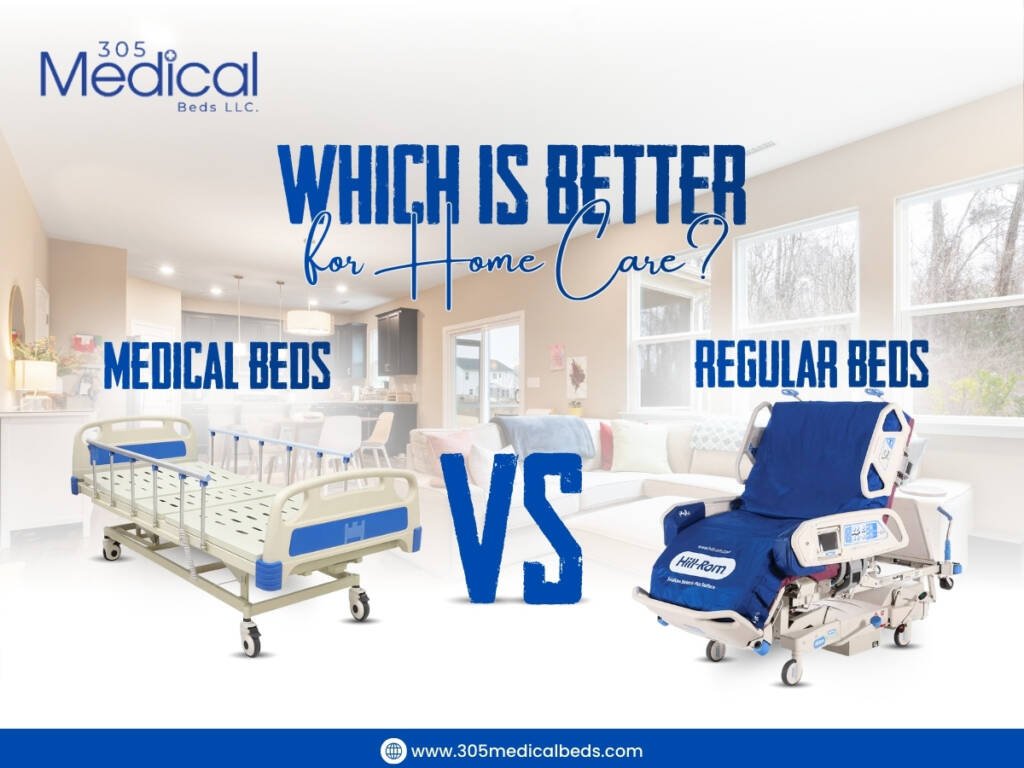
Medical Beds VS Regulard Beds which is better for homecare
Comparisons, Medical Beds Comparison, Regular Hospital Beds Comparison

Medical Beds vs Regular Beds: Which Is Better for Home Care?

Choosing the right bed for home care is not just about comfort—it’s about safety, independence, and daily quality of life. Many families initially assume a regular bed will be enough. However, once mobility issues, caregiving needs, or long-term recovery enter the picture, that assumption often changes. Understanding medical beds vs regular beds for home care helps families make a smarter decision—one that protects the patient, supports caregivers, and creates a safer home environment. Understanding Home Care Needs Home care patients often face challenges that standard furniture is not designed to handle, such as: The bed becomes the center of care. Choosing the wrong one can increase risks, while selecting the right one can dramatically improve safety and comfort. What Is a Regular Bed? A regular bed is designed for everyday sleep, not medical care. While it may look appealing and feel familiar, it lacks essential safety and support features. Limitations of Regular Beds in Home Care For short-term rest with full mobility, a regular bed may work. For true home care, its limitations quickly become clear. What Is a Medical Bed? A medical bed—often called a hospital bed for home use—is designed specifically for patients who require medical support outside of a clinical setting. Key Features of Medical Beds These features directly address the challenges of home care. Feature Medical Bed Regular Bed Height Adjustment Yes No Head & Foot Positioning Yes No Fall Prevention Support Yes No Caregiver Assistance Easy & Safe Difficult Long-Term Home Care Ideal Limited Medical Mattress Support Yes No Safety and Fall Prevention Falls are one of the most common home care risks. Medical beds reduce this risk through: Regular beds offer no such protection, making them a higher-risk option for patients with mobility issues. Adjustability and Positioning Benefits Medical beds allow patients to: Regular beds remain fixed, forcing patients into uncomfortable or unsafe positions that can worsen health conditions. Comfort for Long-Term Use While regular beds may feel comfortable at first, they are not designed for extended medical use. Medical beds paired with pressure-relief mattresses provide: Comfort directly affects recovery and daily well-being. Caregiver Support and Ease of Care Caregivers are often overlooked when choosing home care equipment. Medical beds support caregivers by: Regular beds increase physical strain and the risk of caregiver injury over time. Mattress Compatibility and Pressure Relief Medical beds are designed to work with specialized mattresses that improve safety. Best Mattress Options for Medical Beds Standard mattresses used on regular beds may increase the risk of pressure sores and discomfort. When a Regular Bed Might Be Acceptable In limited cases, a regular bed may work: However, these situations are uncommon in long-term home care. When a Medical Bed Is the Better Choice A medical bed is the right option when: In most real-world scenarios, medical beds vs regular beds for home care is a clear decision in favor of medical beds. Cost Comparison: Short-Term vs Long-Term Value At first glance, regular beds appear cheaper. Over time, they often cost more due to: Refurbished medical beds offer a cost-effective solution, providing hospital-grade safety and performance at a lower price. Many families across the United States choose refurbished options for long-term value. Space and Home Compatibility Modern medical beds are designed to fit residential spaces: With proper placement, medical beds integrate smoothly into home care environments. Conclusion When comparing medical beds vs regular beds for home care, the difference is clear. Medical beds are built to protect patients, support caregivers, and improve daily comfort—making them the better choice for most home care situations. While regular beds may work temporarily, medical beds provide long-term safety, dignity, and peace of mind. Choosing the right bed is not just about sleep—it’s about creating a safer, more supportive home care environment. Frequently Asked Questions

Home Care Setup with the right medical bed
Medical Beds

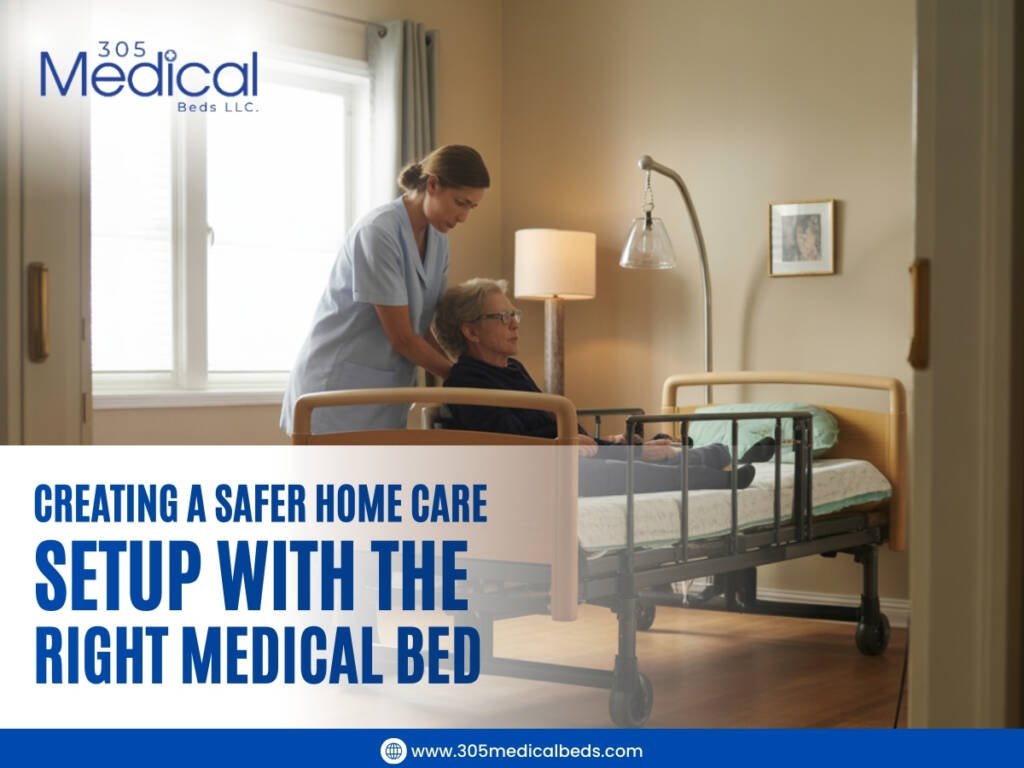
Creating a Safer Home Care Setup with the Right Medical Bed

Creating a safe home care environment is one of the most important responsibilities when caring for a loved one at home. Whether the patient is recovering from surgery, managing a chronic condition, or aging in place, safety and comfort must come first. One of the most effective ways to achieve this is by creating a safer home care setup with the right medical bed. Unlike standard beds, medical beds are designed specifically to support patient safety, improve mobility, and reduce caregiver strain. Choosing the right one can transform home care from stressful to manageable—while promoting dignity, comfort, and peace of mind. Why a Safe Home Care Setup Is Essential Home environments are not naturally designed for medical care. Without proper equipment, patients face higher risks of: This is why creating a safer home care setup with the right medical bed is not a luxury—it is a necessity. A properly selected medical bed brings hospital-grade safety and functionality into the home. What Makes a Medical Bed Ideal for Home Care? A medical bed for home use is designed to support both patients and caregivers. These beds provide adjustable positioning, enhanced stability, and safety features that traditional beds cannot offer. Key advantages include: When planning a home care environment, the medical bed should always be the foundation. Essential Safety Features to Look for in a Medical Bed Choosing the right bed starts with understanding which features directly improve safety. Adjustable Height for Fall Prevention Medical beds that lower closer to the floor help minimize injury risk if a patient attempts to exit the bed independently. Adjustable height also allows caregivers to work at a safe, comfortable level. Side Rails for Support and Stability Side rails provide added protection and help patients reposition safely. They also reduce the likelihood of accidental falls during sleep or movement. Electric Controls for Smooth Positioning Electric adjustments allow gradual changes in position, reducing sudden movements that can cause discomfort or dizziness. Lockable Wheels for Bed Stability Locking casters ensure the bed remains firmly in place during transfers, cleaning, or daily care routines. All of these features are critical when creating a safer home care setup with the right medical bed. How the Right Medical Bed Enhances Patient Comfort Safety alone is not enough—comfort directly affects recovery and well-being. A medical bed improves comfort by allowing: Comfortable patients are calmer, sleep better, and move more safely—further reducing accident risks. Reducing Caregiver Strain and Injury Caregiving often involves repetitive lifting, bending, and repositioning, which can lead to chronic pain or injury. A medical bed significantly reduces caregiver strain by: This makes creating a safer home care setup with the right medical bed beneficial for everyone involved—not just the patient. Choosing the Right Mattress for Home Medical Beds The mattress is just as important as the bed frame when it comes to safety and comfort. Pressure-Relief Mattresses These mattresses help prevent pressure ulcers for patients who spend extended time in bed. Firm Edge Support Firm edges make it easier and safer for patients to sit up or stand when exiting the bed. Hygienic, Easy-to-Clean Materials Water-resistant and antimicrobial covers improve cleanliness and reduce infection risks in home care settings. Matching Medical Beds to Specific Home Care Needs Different care situations require various features. Elderly Home Care Low-height beds with side rails help prevent falls while supporting independence. Post-Surgery Recovery Adjustable positioning aids circulation, pain management, and proper healing. Long-Term or Chronic Care Durable medical beds with advanced positioning features provide reliable, long-term safety and comfort. Selecting the correct configuration ensures success when creating a safer home care setup with the right medical bed. Proper Placement of the Medical Bed at Home Where the bed is placed matters almost as much as the bed itself. Best placement practices: A well-organized room supports safe movement and easier daily care. Importance of Professional Setup and Maintenance Proper installation ensures all safety features function correctly from day one. Professional services help with: Routine maintenance keeps the medical bed safe, reliable, and functional over time. Refurbished Medical Beds: Safe, Reliable, and Cost-Effective High-quality refurbished medical beds offer the same safety features as new models at a significantly lower cost. When sourced from trusted providers, these beds are: For many families across the United States, refurbished options are a smart solution when creating a safer home care setup with the right medical bed. Conclusion Creating a safe, supportive home care environment starts with the right foundation. By creating a safer home care setup with the right medical bed, families can reduce risks, improve comfort, and ensure better daily care outcomes. A well-chosen medical bed supports recovery, protects caregivers, and restores confidence in home care. With the right planning and equipment, a home can truly become a safe place for healing. Frequently Asked Questions

Top Features to Look for in an Adjustable Medical Bed
Adjustable Medical Beds

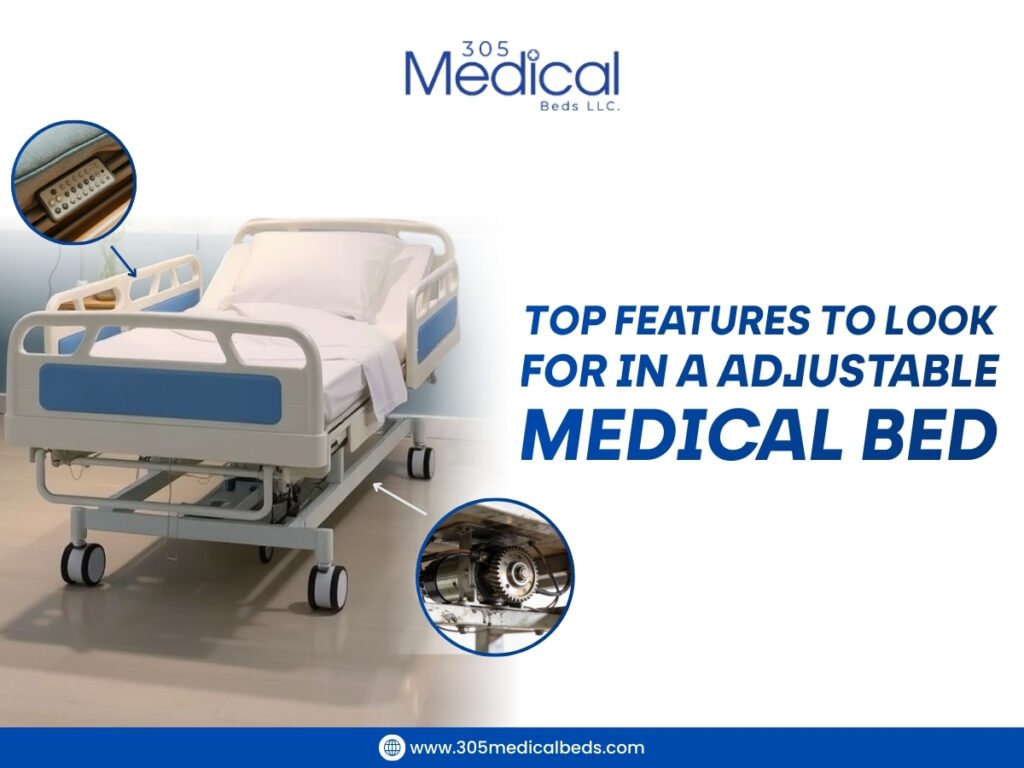
Top Features to Look for in a Medical Adjustable Bed

Choosing the Right Medical Bed Can Change Daily Care When someone needs extra care at home, comfort alone is no longer enough. Sitting up, sleeping, breathing, or even getting out of bed can become difficult without proper support. This is where a medical adjustable bed makes a real difference. But not all adjustable beds are built for medical needs. Knowing which features truly matter helps you make a safe, practical, and long-term decision—whether for recovery, elderly care, or ongoing medical conditions. This guide explains the top features to look for in a medical adjustable bed so you can choose one that supports comfort, safety, and daily care at home. What Is a Medical Adjustable Bed? Medical adjustable beds are medical-grade bed designed to support patients who need special positioning, mobility assistance, or long-term care at home. Unlike standard adjustable beds, medical models are built to: Choosing the right features ensures the bed meets both patient and caregiver needs. Top Features to Look for in a Medical Adjustable Bed 1. Head-and-foot adjustability One of the most essential features of a medical adjustable bed is independent head and foot adjustment. Why it matters: This feature is especially important for patients with respiratory issues, heart conditions, or limited mobility. 2. Adjustable Bed Height Height adjustability is a critical safety feature. Benefits include: A medical adjustable bed with height control helps prevent injuries for both patients and caregivers. 3. Medical-Grade Frame and Weight Capacity Not all adjustable beds are designed for medical use. A medical adjustable bed should have a strong, durable frame. Look for: This ensures long-term safety and reliability, especially for daily or extended use. 4. Compatibility With Medical Mattresses A medical adjustable bed should support specialized mattresses. Important options include This feature is essential for patients at risk of bedsores or those who spend extended time in bed. 5. Easy-to-Use Controls Controls should be simple and accessible. Key features to look for: Easy controls allow patients to adjust positions independently and reduce caregiver involvement when possible. 6. Safety Side Rails (Optional but Important) Side rails add an extra layer of safety for patients with limited mobility or fall risk. Benefits of side rails: Rails should be sturdy, easy to lower, and securely attached. 7. Quiet and Smooth Motor System A medical adjustable bed should operate smoothly and quietly. Why this matters: Reliable motor systems also ensure consistent performance over time. 8. Ease of Cleaning and Maintenance Medical beds require regular cleaning for hygiene. Look for: This is especially important for infection control and long-term use. 9. Space-Efficient Design for Home Use A medical adjustable bed should fit comfortably in a standard bedroom. Important considerations: A well-designed bed blends functionality with home comfort. 10. Rental or Purchase Flexibility Depending on care duration, flexibility matters. Choose a provider that offers: This allows you to match the bed to your care timeline and budget. Who Should Consider a Medical Adjustable Bed? A medical adjustable bed is ideal for: Why Choosing the Right Features Matters The right features: Choosing the wrong bed can lead to discomfort, safety issues, and unnecessary stress. Conclusion: Invest in Comfort, Safety, and Care A medical adjustable bed is more than a piece of furniture—it’s a critical part of home healthcare. By focusing on the top features to look for in a medical adjustable bed, you ensure better comfort, safer mobility, and reliable support for both patients and caregivers. When medical needs arise at home, the right adjustable bed can make everyday care easier and more effective.

Benefits of Choosing Hill Rom Medical Beds for Patient Care
Hill Rom Beds

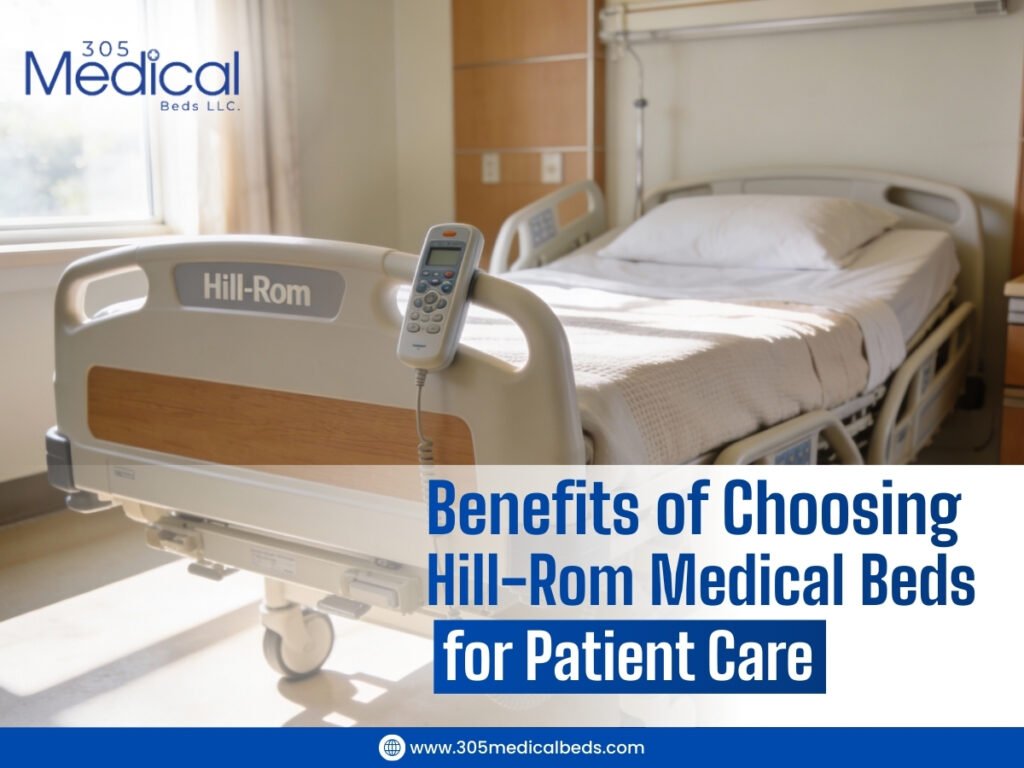
Benefits of Choosing Hill-Rom Medical Beds for Patient Care

When someone is recovering from illness or managing long-term health conditions, the bed they rest on becomes more than just furniture—it becomes part of their healing process. Hill-Rom medical beds are designed with this exact understanding in mind. They support patient comfort, enhance safety, and make caregiving more efficient, whether in hospitals, rehabilitation centres, or home healthcare environments. Healthcare providers across the U.S. rely on Hill-Rom beds for hospitals and clinics because of their proven reliability, safety standards, and ability to support high-acuity patient care environments. Why Are Hill-Rom Medical Beds So Popular? Hill-Rom medical beds are advanced healthcare beds designed to improve patient comfort, safety, mobility, and recovery while reducing physical strain on caregivers through smart, ergonomic features. This balance between patient care and caregiver support is what sets Hill-Rom apart. What Are Hill-Rom Medical Beds? Hill-Rom medical beds are professional-grade hospital and home-care beds engineered to support patients with varying medical needs. They are widely used in: These beds are known for durability, advanced positioning, pressure injury prevention, and integrated safety systems that help improve patient outcomes. 1. Superior Patient Comfort for Better Healing Comfort directly affects recovery speed and emotional well-being. Hill-Rom medical beds are designed to adapt to the patient—not the other way around. Comfort Benefits Include: By allowing patients to reposition easily, Hill-Rom TotalCare beds offer advanced positioning and pressure-management features that help minimise pain, stiffness, and restlessness—especially for patients confined to bed for long periods. 2. Enhanced Patient Safety and Fall Prevention Patient safety is a critical concern in hospitals, nursing homes, and home care. Hill-Rom medical beds include multiple features specifically designed to reduce fall risks and injuries. Safety-Focused Features: These features are especially valuable for elderly patients, post-surgical recovery, and individuals with limited mobility. 3. Effective Pressure Injury Prevention Pressure injuries are a serious issue in patient care. Hill-Rom medical beds are designed to help reduce this risk through intelligent pressure redistribution. Pressure Management Advantages: These features make Hill-Rom beds ideal for ICU patients, long-term care residents, and patients with limited movement. 4. Encourages Mobility and Faster Recovery Early and safe movement plays a major role in recovery. Hill-Rom medical beds support patient mobility while maintaining safety. Mobility-Support Features: Patients who can move safely tend to recover faster and experience fewer complications. 5. Designed to Reduce Caregiver Strain Caregivers face physical demands every day. Hill-Rom medical beds help reduce injury risk and improve efficiency. Caregiver Benefits: These features are especially valuable in busy hospital settings and home care environments where caregiver support may be limited. 6. Smart Technology for Proactive Care Modern healthcare relies on technology, and Hill-Rom medical beds integrate smart systems that enhance monitoring and safety. Smart Features May Include: These features allow caregivers to respond proactively rather than reactively. 7. Ideal for Home Healthcare Settings Hill-Rom medical beds are increasingly used in home care due to their adaptability and ease of use. Why They Work Well at Home: For families managing care at home, Hill-Rom beds for home recovery provide hospital-grade support while maintaining patient comfort, independence, and dignity in a familiar environment. 8. Built for Long-Term Durability Healthcare equipment must perform reliably under constant use. Hill-Rom medical beds are built with high-quality materials and tested for long-term performance. Durability Highlights: This durability makes Hill-Rom beds a cost-effective investment for facilities and families alike. 9. Cost-Effective Option with Refurbished Hill-Rom Medical Beds Before buying a refurbished Hill-Rom bed, it’s important to understand key factors such as inspection standards, warranty coverage, and overall bed condition to ensure long-term reliability and patient safety. Benefits of Refurbished Options: 10. Trusted by Healthcare Providers Worldwide Hill-Rom medical beds are used by hospitals and healthcare facilities across major regions, including the U.S., because of their proven performance and safety standards. Why Providers Trust Hill-Rom: Who Should Choose Hill-Rom Medical Beds? Hill-Rom medical beds are ideal for: A Smarter Choice for Patient-Centred Car The benefits of choosing Hill-Rom medical beds for patient care go beyond comfort. These beds improve safety, encourage mobility, support caregivers, and enhance recovery outcomes. Whether in hospitals, rehabilitation centres, or home healthcare settings, Hill-Rom medical beds deliver reliable, patient-focused solutions that truly make a difference. For anyone seeking trusted, durable, and advanced medical beds, Hill-Rom remains one of the most dependable choices in modern healthcare. Frequently Asked Questions Q1: Are Hill-Rom medical beds good for home care? Yes, Hill-Rom medical beds are widely used in home healthcare because they combine hospital-grade features with easy operation and patient comfort. Q2: Why do hospitals prefer Hill-Rom medical beds? Hospitals choose Hill-Rom beds for their safety features, durability, pressure injury prevention, and caregiver support. Q3: Are refurbished Hill-Rom medical beds reliable? Professionally refurbished Hill-Rom medical beds are tested, inspected, and restored to ensure reliable performance at a lower cost. Q4: Do Hill-Rom beds help prevent pressure ulcers? Yes, their design supports pressure redistribution and works with advanced mattresses to reduce pressure injury risk. Q5: Can Hill-Rom medical beds support long-term patients? Absolutely. They are designed for continuous use in long-term and critical care environments.

Bank of America logo
PayPal logo
QuickBooks logo
Google logo
Bank of America logo

305 Medical Beds LLC |  2739 W 79 St, Unit 15, Hialeah, Florida 33016 |  Phone: 1.305.562.7960
© Copyright 2012 – 2024 | All Rights Reserved.

You have been successfully Subscribed! Ops! Something went wrong, please try again.

About Us

305 Medical Beds LLC is a certified supplier of refurbished hospital, ICU, and adjustable medical beds. Serving healthcare facilities and home care patients across Florida and the United States since 2020

305 Medical Beds LLC |  2739 W 79 St, Unit 15, Hialeah, Florida 33016 |  Phone: 1.305.562.7960
© Copyright 2012 – 2026 | All Rights Reserved.