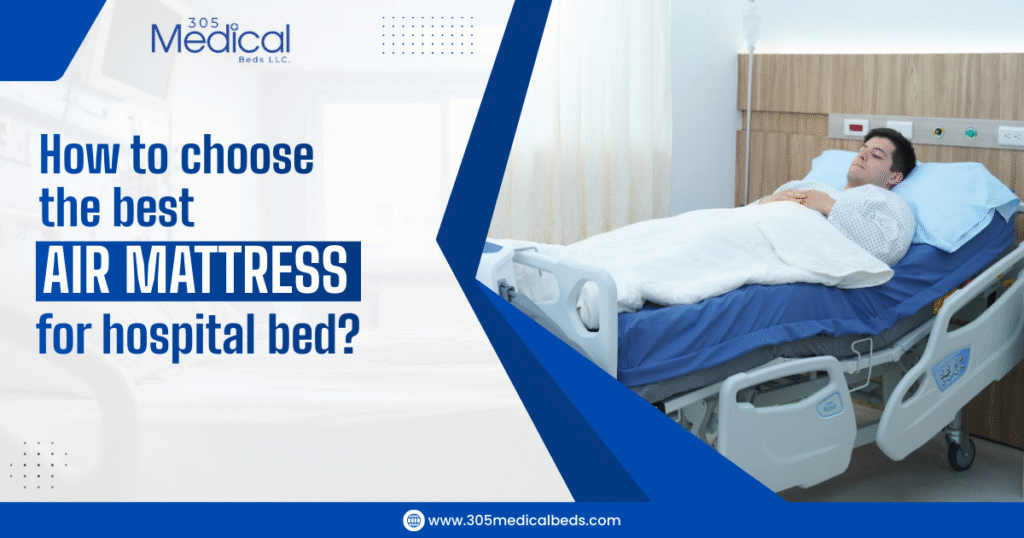
How to Choose the Best Air Mattress for a Hospital Bed
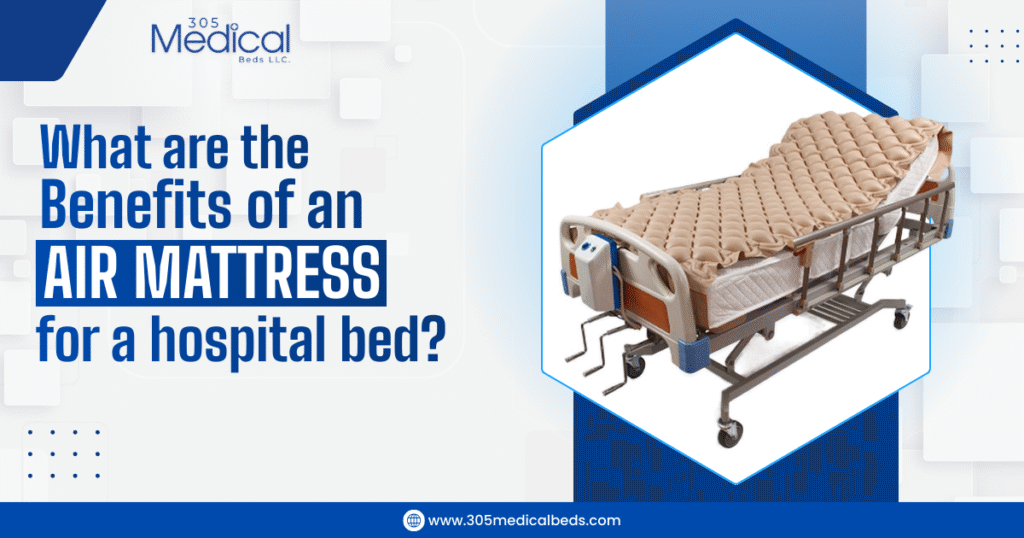
When caring for someone who spends long periods in bed, choosing the right mattress is just as important as selecting the hospital bed itself. Comfort, pressure relief, and proper body support all play a critical role in recovery and long-term care. The best air mattress for a hospital bed setup can make a huge difference in patient comfort and health. These mattresses are designed to reduce pressure on the body, improve circulation, and help prevent complications such as pressure ulcers. However, with many options available, choosing the right air mattress can feel overwhelming. In this guide, you’ll learn how to choose the best air mattress for a hospital bed, what features to look for, and which type may be best for patient care. What Is an Air Mattress for a Hospital Bed? An air mattress for a hospital bed is a specialized medical mattress that uses air-filled chambers to provide adjustable support. Unlike standard foam mattresses, air mattresses distribute body weight evenly and allow pressure levels to be adjusted. These mattresses are commonly used for patients who: Healthcare authorities such as the World Health Organization highlight the importance of pressure management for patients with limited mobility. Why Choosing the Best Air Mattress Matters Selecting the best air mattress for hospital bed use can significantly impact patient comfort and safety. A high-quality air mattress can help: Without proper pressure relief, patients who remain in bed for long periods may develop skin injuries or discomfort. Key Factors to Consider When Choosing the Best Air Mattress for a Hospital Bed There are several important features to evaluate before purchasing an air mattress. 1. Pressure Relief Technology Pressure relief is one of the most important features. The best air mattress for hospital bed setups should include alternating pressure technology, which automatically shifts air between chambers to reduce pressure on specific areas of the body. Benefits include: Medical device guidance from the U.S. Food and Drug Administration emphasizes pressure management as a key factor in patient care. 2. Mattress Size Compatibility Hospital beds come in different sizes, so the mattress must fit properly. Common hospital bed mattress sizes include: Always confirm that the air mattress is compatible with your hospital bed frame. 3. Weight Capacity Each air mattress has a maximum weight capacity. Choosing a mattress with the correct weight capacity ensures: For heavier patients, bariatric air mattresses provide stronger support. 4. Adjustable Air Pressure Settings The best air mattress for hospital bed use should allow caregivers to adjust air pressure levels. Adjustable pressure helps: This flexibility ensures that the mattress adapts to the patient’s specific needs. 5. Pump System Quality The pump controls airflow and pressure inside the mattress. When choosing a mattress, look for pumps that offer: A high-quality pump ensures the mattress maintains proper support throughout the day and night. 6. Low Air Loss Technology Some air mattresses include low-air-loss systems. These systems release small amounts of air to keep the patient cool and dry. Benefits include: This feature is especially useful for patients who spend extended periods in bed. 7. Durability and Material Quality The materials used in the mattress affect both comfort and longevity. Look for mattresses made from: These materials are easier to clean and more resistant to wear. Types of Air Mattresses for Hospital Beds Different types of air mattresses are designed for different patient needs. Alternating Pressure Air Mattress This mattress automatically shifts air between chambers. Benefits include: This is one of the most commonly recommended options. Low Air Loss Mattress Low-air-loss mattresses continuously release airflow to maintain a dry and cool surface. They help: These mattresses are often used for patients with sensitive skin. Static Air Mattress Static air mattresses maintain consistent air pressure. They provide stable support and are suitable for patients with moderate mobility. Who Needs the Best Air Mattress for a Hospital Bed? Air mattresses are ideal for patients who require long-term bed care. Elderly Individuals Older adults with limited mobility often benefit from pressure-relief mattresses. Surgery Recovery Patients Patients recovering from surgery may experience discomfort and need additional support. Long-Term Bedridden Patients Patients who remain in bed for extended periods need proper pressure distribution to prevent complications. Patients with Limited Mobility Individuals who cannot reposition themselves frequently benefit greatly from air mattresses. Air Mattress vs Standard Hospital Mattress Understanding the difference helps when choosing the right option. Feature Air Mattress Standard Mattress Pressure Relief Excellent Moderate Comfort Adjustable Fixed Circulation Support High Limited Bedsore Prevention Strong Lower Customization Adjustable Minimal Air mattresses offer better pressure management and improved patient comfort. Air Mattresses for Home Healthcare More families today are providing care at home using hospital beds and air mattresses. These mattresses help create a comfortable recovery environment without requiring extended hospital stays. Benefits for home care include: If you are looking for high-quality medical beds, you may also explore our electric hospital beds, adjustable hospital beds, and hospital bed mattresses available at 305 Medical Beds. These products help create a complete patient care setup. Conclusion Choosing the best air mattress for hospital bed use is an important step in improving patient comfort, safety, and recovery. A high-quality air mattress provides pressure relief, better circulation, and improved support for individuals who spend extended time in bed. By considering features such as pressure technology, adjustable settings, pump quality, and mattress durability, caregivers can select the most suitable option for patient needs. Whether used in hospitals or home healthcare settings, the right air mattress can significantly enhance comfort, recovery, and overall patient care. Frequently Asked Questions (FAQ) The best air mattress for hospital beds typically includes alternating pressure technology, adjustable air settings, and a reliable pump system for consistent pressure relief. Yes. Air mattresses redistribute body weight and reduce pressure points, helping prevent bedsores in patients who spend long periods in bed. Yes. Many air mattresses are designed for home healthcare use and are compatible with standard hospital beds. Consider factors such as patient weight, mobility level, pressure relief needs, and mattress size compatibility