Uncategorized

How Hospitals Can Expand Capacity with Refurbished Equipment
Medical Equipment, Uncategorized

How Hospitals Can Expand Capacity with Refurbished Equipment

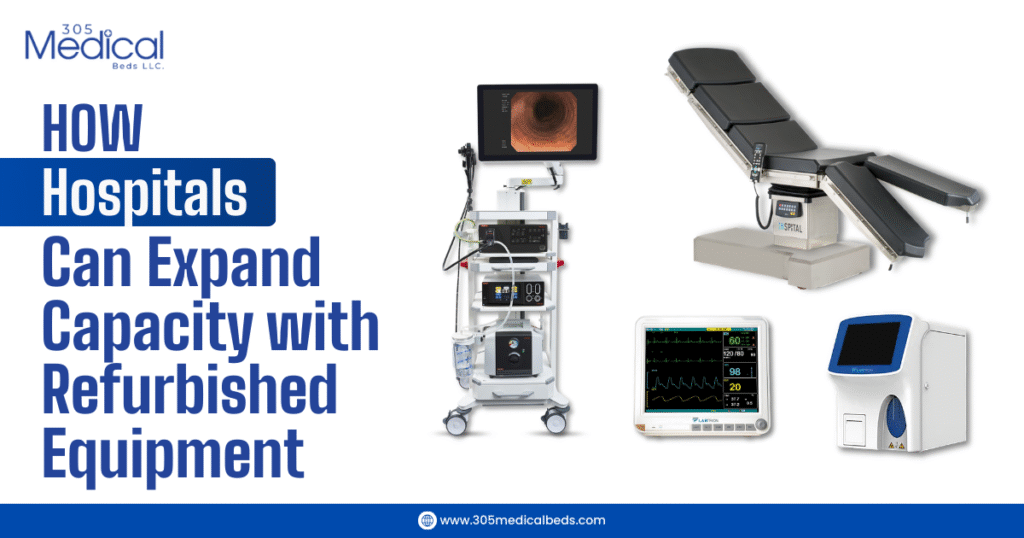
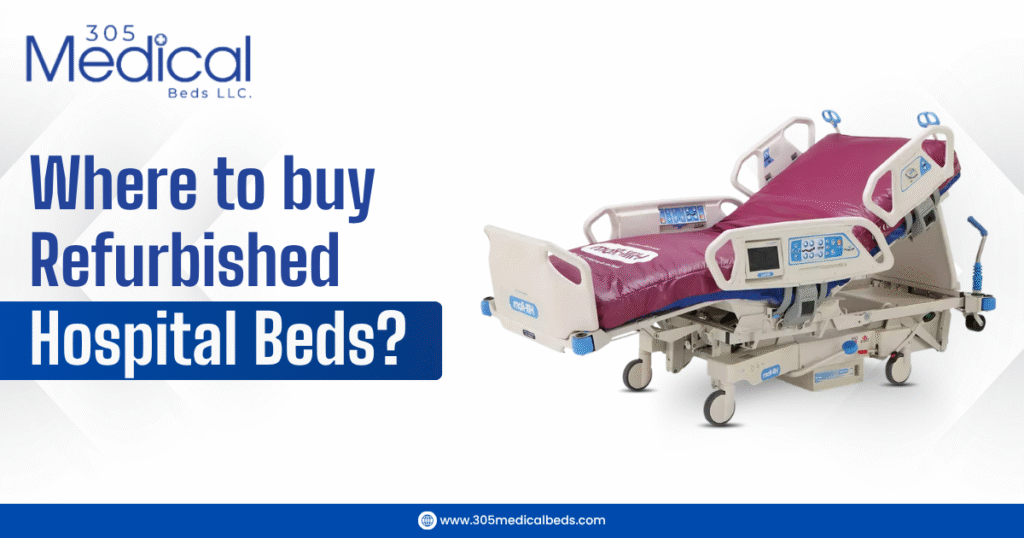
Hospitals everywhere face the same challenge: growing patient demand with limited budgets and resources. Expanding hospital capacity usually requires significant investment in medical infrastructure, equipment, and patient care facilities. However, there is a practical and cost-effective solution that many healthcare providers are now adopting — refurbished medical equipment. By choosing certified refurbished medical equipment, hospitals can expand capacity faster, reduce operational costs, and continue delivering high-quality patient care without the financial burden of purchasing entirely new equipment. In this article, we’ll explore how hospitals can expand capacity with refurbished equipment, why it’s reliable, and how healthcare facilities are using it to improve patient services. The Growing Need for Hospital Capacity Expansion Healthcare systems are under increasing pressure due to several factors: These factors require hospitals to increase patient care capacity quickly. Unfortunately, expanding hospital infrastructure or purchasing brand-new equipment can be extremely expensive and time-consuming. This is where refurbished medical equipment becomes a valuable solution. What Is Refurbished Medical Equipment? Refurbished medical equipment refers to previously used devices that are professionally restored, inspected, and tested to meet industry safety and performance standards. Unlike used equipment sold “as-is,” refurbished devices undergo a complete restoration process that may include: As a result, healthcare facilities receive high-quality equipment that performs reliably at a much lower cost. How Refurbished Equipment Helps Hospitals Expand Capacity Hospitals can increase their patient capacity in several ways by using refurbished medical equipment. 1. Adding More Patient Beds Quickly One of the simplest ways to expand hospital capacity is by increasing the number of patient beds. However, purchasing brand-new hospital beds can be costly, especially when hospitals need large quantities. Refurbished hospital beds allow healthcare facilities to: Because refurbished beds cost significantly less than new ones, hospitals can expand patient capacity without exceeding their budget. 2. Expanding Specialized Treatment Areas Hospitals often need to expand departments such as: Refurbished equipment such as patient monitors, medical beds, and diagnostic devices helps hospitals equip these departments faster. This allows facilities to serve more patients while maintaining proper medical standards. 3. Faster Equipment Availability Another major advantage of refurbished equipment is faster availability. New medical equipment can sometimes take months to manufacture and deliver. Refurbished devices, on the other hand, are often available immediately or within a short timeframe, allowing hospitals to respond quickly to patient demand. This makes refurbished equipment especially useful during: Cost Benefits of Refurbished Medical Equipment Budget limitations are one of the biggest barriers to hospital expansion. Refurbished medical equipment helps solve this problem by offering significant cost savings. Hospitals can typically save 30% to 70% compared to purchasing new equipment. These savings allow healthcare facilities to: By reducing equipment costs, hospitals can allocate funds toward improving overall healthcare services. Maintaining Quality and Safety Standards A common concern about refurbished equipment is safety. However, certified refurbished medical equipment undergoes strict testing and quality checks. These processes typically include: This ensures that the equipment meets healthcare industry safety standards and performs reliably in medical environments. Healthcare providers can confidently use refurbished equipment while maintaining high standards of patient care. Sustainability Benefits for Healthcare Facilities Beyond cost savings, refurbished medical equipment also supports environmentally sustainable healthcare practices. Medical equipment manufacturing requires significant resources, including: By refurbishing and reusing medical equipment, hospitals help reduce: This approach contributes to a more sustainable healthcare system while still meeting patient care demands. Practical Examples of Capacity Expansion Many hospitals use refurbished equipment to support different types of capacity expansion. Increasing Emergency Room Capacity Emergency departments often experience sudden increases in patient volume. Adding refurbished hospital beds and monitoring equipment helps hospitals handle higher patient loads efficiently. Expanding Rehabilitation Units Rehabilitation centers frequently require specialized beds and equipment for patient recovery. Refurbished equipment allows hospitals to expand rehabilitation services without excessive investment. Supporting Rural Healthcare Facilities Smaller hospitals and rural healthcare providers often operate with limited budgets. Refurbished medical equipment enables these facilities to offer better patient care without large capital expenditures. How Hospitals Can Choose Reliable Refurbished Equipment Selecting the right supplier is essential when purchasing refurbished medical equipment. Hospitals should consider the following factors: Work with Trusted Providers Choose suppliers that specialize in medical equipment refurbishment and restoration. Experienced providers ensure the equipment is tested and certified for safe operation. Understand the Refurbishment Process Reliable suppliers clearly explain their refurbishment procedures, including: Transparency is an important sign of a trustworthy provider. Look for Technical Support Hospitals should also consider suppliers that offer: These services help ensure the equipment continues functioning efficiently. The Future of Hospital Expansion As healthcare demand continues to grow, hospitals must find innovative ways to expand services while controlling costs. Refurbished medical equipment is becoming an increasingly popular solution because it provides: For many healthcare providers, refurbished equipment is no longer just a budget option — it is a strategic tool for improving healthcare access and expanding patient care capacity. Final Thoughts Expanding hospital capacity is essential for meeting the healthcare needs of growing populations. However, building new facilities and purchasing brand-new equipment can be financially challenging. By choosing refurbished medical equipment, hospitals can: With proper refurbishment and testing, these devices offer reliable performance while supporting efficient and sustainable healthcare operations. Frequently Asked Questions

Why Certified Refurbished Medical Equipment Is Reliable
Medical Equipment, Uncategorized

Why Certified Refurbished Medical Equipment Is Reliable

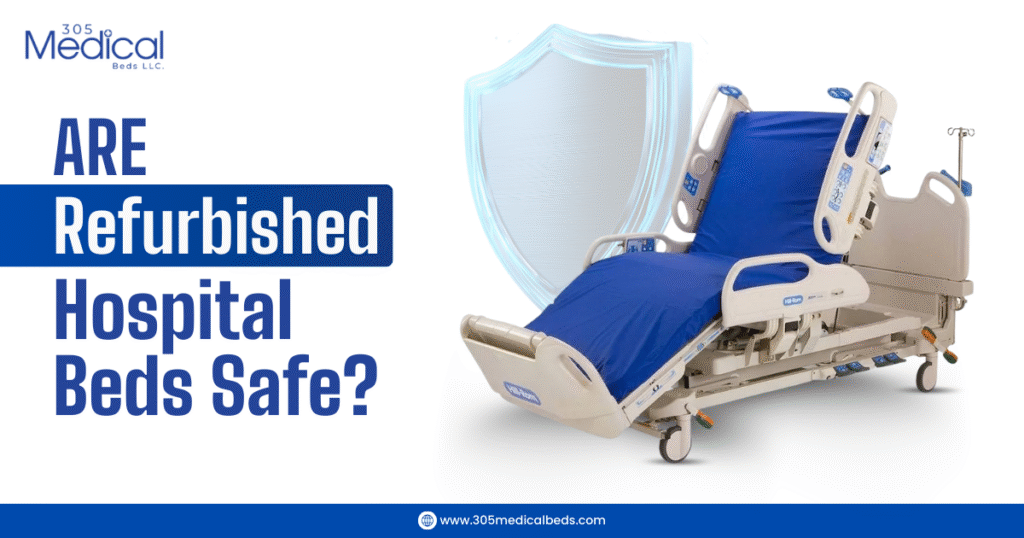
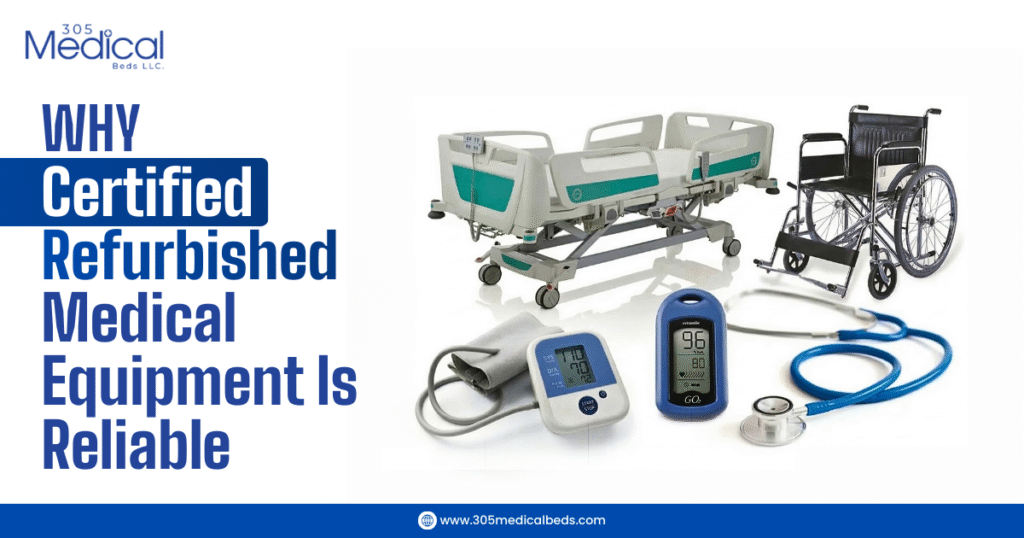
When healthcare facilities look for ways to manage costs without sacrificing quality, certified refurbished medical equipment often becomes a smart solution. Many hospitals, clinics, and medical practices are now choosing refurbished equipment because it offers high performance, safety, and affordability. But a common question still arises: Is certified refurbished medical equipment reliable? The answer is yes—when the equipment goes through a proper certification and refurbishment process. In fact, many healthcare providers trust refurbished devices because they meet strict quality standards while costing significantly less than new equipment. In this guide, we’ll explore why certified refurbished medical equipment is reliable, how it is tested, and why it has become a trusted option in modern healthcare. What Is Certified Refurbished Medical Equipment? Certified refurbished medical equipment refers to pre-owned medical devices that have been professionally restored, inspected, and tested to meet manufacturer or industry standards. Unlike simple used equipment, refurbished devices go through a structured refurbishment process that ensures they are safe and fully functional. Typical examples include: At 305 Medical Beds, refurbished equipment is carefully restored so healthcare facilities receive dependable medical solutions at a lower cost. Why Certified Refurbished Medical Equipment Is Reliable There are several reasons why certified refurbished medical equipment is considered reliable by healthcare providers worldwide. 1. Thorough Inspection and Testing Before being labeled as certified refurbished, medical equipment must pass multiple inspection stages. These typically include: Every part is carefully evaluated to ensure the device performs just like it should. 2. Replacement of Worn Components One of the most important steps in refurbishment is replacing worn or outdated parts. Technicians often replace: This process helps extend the operational life of the equipment, making it reliable for everyday medical use. 3. Professional Refurbishment Standards Certified refurbishment is performed by trained technicians who specialize in medical equipment restoration. They follow strict protocols to ensure: This structured process is what differentiates certified refurbished equipment from ordinary used equipment. 4. Cost Efficiency Without Compromising Quality Healthcare organizations must balance quality care with operational costs. Certified refurbished medical equipment helps facilities: Many refurbished devices can cost 30–70% less than new equipment, making them an excellent option for hospitals, clinics, and medical centers. 5. Proven Performance History Another reason why refurbished equipment is reliable is that it has already been tested in real healthcare environments. Unlike brand-new devices that have not been widely used yet, refurbished equipment often has a proven track record of performance. This gives healthcare providers additional confidence in the equipment they purchase. Common Misconceptions About Refurbished Medical Equipment Some people assume refurbished equipment is outdated or unreliable. However, these concerns usually come from misunderstanding the refurbishment process. Let’s address a few common myths. Myth 1: Refurbished Equipment Is the Same as Used Equipment Used equipment is typically sold as-is, with minimal testing. Certified refurbished equipment, on the other hand, is: This makes it far more dependable. Myth 2: Refurbished Devices Have Short Lifespans Because worn components are replaced during refurbishment, many devices can continue operating for many years after restoration. In many cases, refurbished equipment can last almost as long as new equipment. Myth 3: Refurbished Equipment Is Not Safe Certified refurbished medical equipment must pass strict safety inspections before being resold. This ensures it remains safe for patients and healthcare professionals. Why Healthcare Facilities Choose Refurbished Equipment Healthcare providers around the world rely on refurbished medical equipment for several reasons. Budget Optimization Hospitals and clinics often need to expand services without exceeding budget limits. Refurbished equipment helps them maximize available resources. Faster Equipment Availability New medical equipment can sometimes involve long manufacturing and delivery times. Refurbished devices are usually available much faster, allowing healthcare facilities to meet urgent operational needs. Sustainable Healthcare Solutions Choosing refurbished equipment also supports environmental sustainability. By refurbishing and reusing medical devices, healthcare facilities help reduce: Certified Refurbished Medical Equipment for Hospitals and Clinics Many types of medical facilities benefit from refurbished equipment, including: For example, refurbished hospital beds and patient care equipment are widely used because they offer durability and functionality at a lower cost. You can explore reliable refurbished options at 305 Medical Beds, where equipment is restored to meet healthcare standards. How to Choose Reliable Refurbished Medical Equipment If you’re considering refurbished equipment, it’s important to choose the right supplier. Here are a few factors to look for: Work With Trusted Suppliers Choose companies that specialize in medical equipment refurbishment and follow strict quality processes. Ask About the Refurbishment Process Reliable providers should clearly explain: Transparency is a strong indicator of quality. Look for Equipment Testing Reports Many suppliers provide documentation confirming that the equipment has been tested and verified for safe operation. Consider Customer Support Reliable suppliers also provide: These services ensure the equipment continues working efficiently. The Future of Certified Refurbished Medical Equipment The demand for certified refurbished medical equipment continues to grow as healthcare providers look for cost-effective and sustainable solutions. With advancements in refurbishment technology and quality standards, refurbished devices are becoming an increasingly trusted part of modern healthcare infrastructure. Healthcare facilities now recognize that certified refurbished equipment offers reliability, performance, and affordability in one package. Final Thoughts Certified refurbished medical equipment has become a practical and reliable solution for healthcare providers looking to balance quality care with financial efficiency. Because these devices go through professional inspection, repair, and testing, they offer dependable performance while significantly reducing costs. For hospitals, clinics, and medical facilities seeking reliable equipment, certified refurbished options provide a smart way to maintain high standards of patient care. Frequently Asked Questions

Hospital Bed Mattresses, Uncategorized

How to Choose the Best Air Mattress for a Hospital Bed

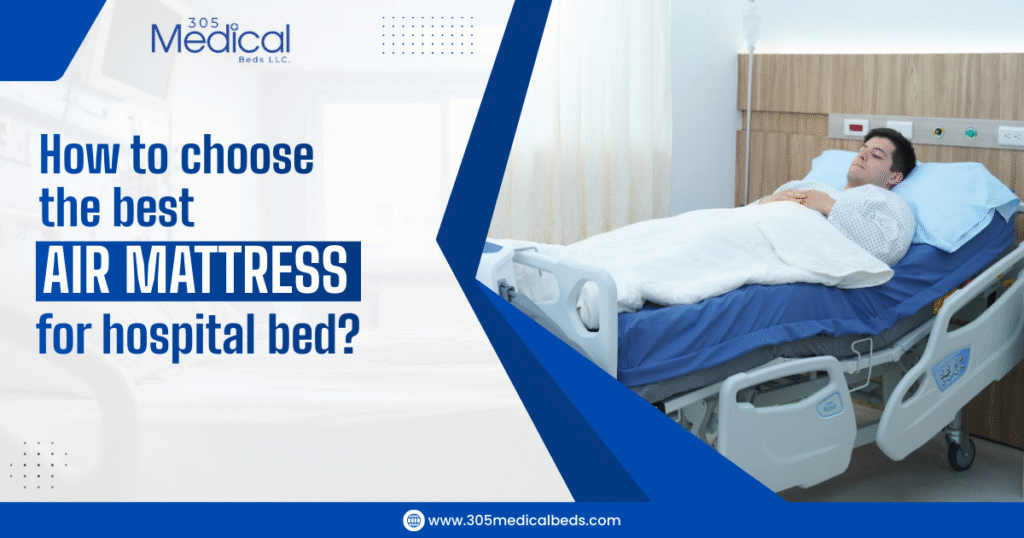
When caring for someone who spends long periods in bed, choosing the right mattress is just as important as selecting the hospital bed itself. Comfort, pressure relief, and proper body support all play a critical role in recovery and long-term care. The best air mattress for a hospital bed setup can make a huge difference in patient comfort and health. These mattresses are designed to reduce pressure on the body, improve circulation, and help prevent complications such as pressure ulcers. However, with many options available, choosing the right air mattress can feel overwhelming. In this guide, you’ll learn how to choose the best air mattress for a hospital bed, what features to look for, and which type may be best for patient care. What Is an Air Mattress for a Hospital Bed? An air mattress for a hospital bed is a specialized medical mattress that uses air-filled chambers to provide adjustable support. Unlike standard foam mattresses, air mattresses distribute body weight evenly and allow pressure levels to be adjusted. These mattresses are commonly used for patients who: Healthcare authorities such as the World Health Organization highlight the importance of pressure management for patients with limited mobility. Why Choosing the Best Air Mattress Matters Selecting the best air mattress for hospital bed use can significantly impact patient comfort and safety. A high-quality air mattress can help: Without proper pressure relief, patients who remain in bed for long periods may develop skin injuries or discomfort. Key Factors to Consider When Choosing the Best Air Mattress for a Hospital Bed There are several important features to evaluate before purchasing an air mattress. 1. Pressure Relief Technology Pressure relief is one of the most important features. The best air mattress for hospital bed setups should include alternating pressure technology, which automatically shifts air between chambers to reduce pressure on specific areas of the body. Benefits include: Medical device guidance from the U.S. Food and Drug Administration emphasizes pressure management as a key factor in patient care. 2. Mattress Size Compatibility Hospital beds come in different sizes, so the mattress must fit properly. Common hospital bed mattress sizes include: Always confirm that the air mattress is compatible with your hospital bed frame. 3. Weight Capacity Each air mattress has a maximum weight capacity. Choosing a mattress with the correct weight capacity ensures: For heavier patients, bariatric air mattresses provide stronger support. 4. Adjustable Air Pressure Settings The best air mattress for hospital bed use should allow caregivers to adjust air pressure levels. Adjustable pressure helps: This flexibility ensures that the mattress adapts to the patient’s specific needs. 5. Pump System Quality The pump controls airflow and pressure inside the mattress. When choosing a mattress, look for pumps that offer: A high-quality pump ensures the mattress maintains proper support throughout the day and night. 6. Low Air Loss Technology Some air mattresses include low-air-loss systems. These systems release small amounts of air to keep the patient cool and dry. Benefits include: This feature is especially useful for patients who spend extended periods in bed. 7. Durability and Material Quality The materials used in the mattress affect both comfort and longevity. Look for mattresses made from: These materials are easier to clean and more resistant to wear. Types of Air Mattresses for Hospital Beds Different types of air mattresses are designed for different patient needs. Alternating Pressure Air Mattress This mattress automatically shifts air between chambers. Benefits include: This is one of the most commonly recommended options. Low Air Loss Mattress Low-air-loss mattresses continuously release airflow to maintain a dry and cool surface. They help: These mattresses are often used for patients with sensitive skin. Static Air Mattress Static air mattresses maintain consistent air pressure. They provide stable support and are suitable for patients with moderate mobility. Who Needs the Best Air Mattress for a Hospital Bed? Air mattresses are ideal for patients who require long-term bed care. Elderly Individuals Older adults with limited mobility often benefit from pressure-relief mattresses. Surgery Recovery Patients Patients recovering from surgery may experience discomfort and need additional support. Long-Term Bedridden Patients Patients who remain in bed for extended periods need proper pressure distribution to prevent complications. Patients with Limited Mobility Individuals who cannot reposition themselves frequently benefit greatly from air mattresses. Air Mattress vs Standard Hospital Mattress Understanding the difference helps when choosing the right option. Feature Air Mattress Standard Mattress Pressure Relief Excellent Moderate Comfort Adjustable Fixed Circulation Support High Limited Bedsore Prevention Strong Lower Customization Adjustable Minimal Air mattresses offer better pressure management and improved patient comfort. Air Mattresses for Home Healthcare More families today are providing care at home using hospital beds and air mattresses. These mattresses help create a comfortable recovery environment without requiring extended hospital stays. Benefits for home care include: If you are looking for high-quality medical beds, you may also explore our electric hospital beds, adjustable hospital beds, and hospital bed mattresses available at 305 Medical Beds. These products help create a complete patient care setup. Conclusion Choosing the best air mattress for hospital bed use is an important step in improving patient comfort, safety, and recovery. A high-quality air mattress provides pressure relief, better circulation, and improved support for individuals who spend extended time in bed. By considering features such as pressure technology, adjustable settings, pump quality, and mattress durability, caregivers can select the most suitable option for patient needs. Whether used in hospitals or home healthcare settings, the right air mattress can significantly enhance comfort, recovery, and overall patient care. Frequently Asked Questions (FAQ) The best air mattress for hospital beds typically includes alternating pressure technology, adjustable air settings, and a reliable pump system for consistent pressure relief. Yes. Air mattresses redistribute body weight and reduce pressure points, helping prevent bedsores in patients who spend long periods in bed. Yes. Many air mattresses are designed for home healthcare use and are compatible with standard hospital beds. Consider factors such as patient weight, mobility level, pressure relief needs, and mattress size compatibility

Hospital Bed Mattresses, Uncategorized

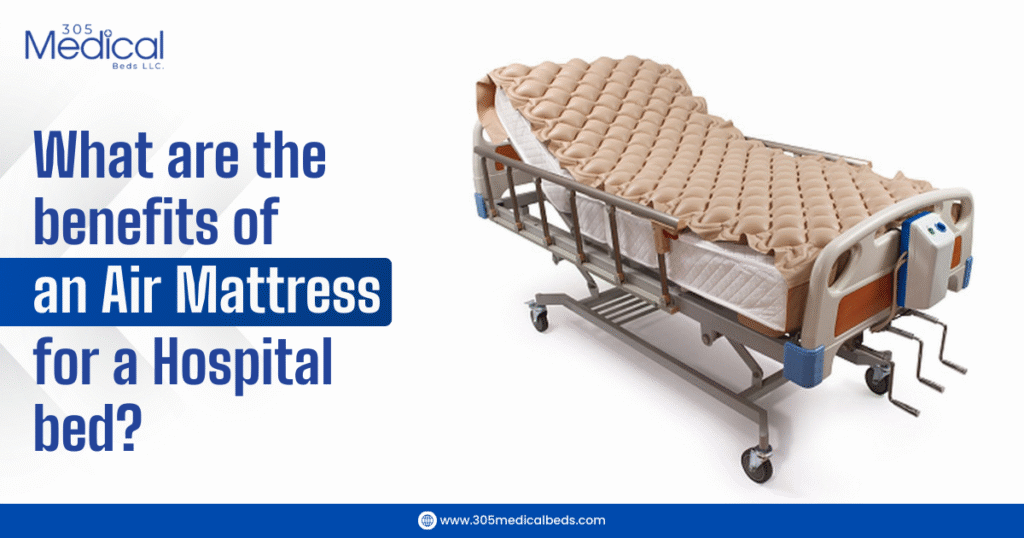
What are the Benefits of an Air Mattress For a hospital Bed?

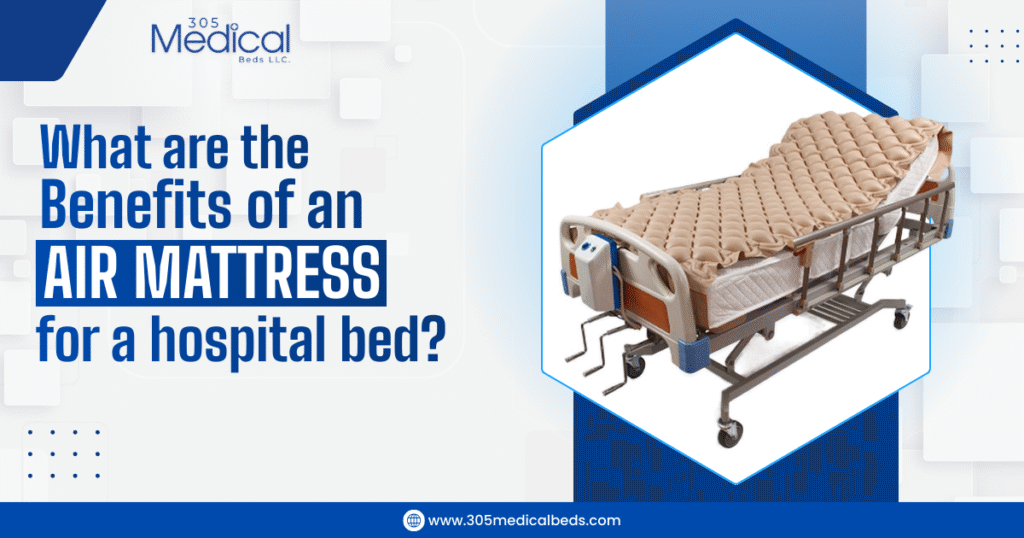
When someone spends extended time in bed due to illness, injury, or recovery, comfort becomes much more than a luxury—it becomes a necessity. Standard mattresses often cannot provide the level of support needed for patients who remain in bed for long periods. This is where an air mattress for a hospital bed becomes extremely valuable. Designed specifically for medical use, these mattresses help improve patient comfort, reduce pressure on the body, and support faster recovery. Whether used in hospitals or home healthcare settings, an air mattress can significantly improve the quality of care and overall patient well-being. In this guide, we will explain what an air mattress for a hospital bed is, its key benefits, features, and why it is essential for patient care. What Is an Air Mattress for a Hospital Bed? An air mattress for a hospital bed is a specialized medical mattress that uses air chambers to provide adjustable support and pressure relief for patients. Unlike traditional foam or spring mattresses, an air mattress distributes body weight evenly and adjusts air pressure to reduce stress on specific areas of the body. These mattresses are commonly used for patients who: Healthcare organizations such as the World Health Organization emphasize proper patient positioning and pressure relief to prevent complications in long-term care. How Does an Air Mattress Work? An air mattress works using inflatable air chambers connected to an electric pump system. The pump controls air pressure inside the mattress and continuously adjusts the distribution of air to different sections. This system allows the mattress to: Many advanced air mattresses also include alternating pressure technology, which periodically shifts air between chambers to prevent prolonged pressure on one part of the body. Key Benefits of an Air Mattress for Hospital Beds Air mattresses provide several important benefits for patients and caregivers. 1. Helps Prevent Pressure Ulcers (Bedsores) One of the most important benefits of an air mattress for hospital beds is pressure ulcer prevention. Pressure ulcers occur when prolonged pressure reduces blood flow to certain areas of the body. Air mattresses help by: These features significantly reduce the risk of skin damage and bedsores. Medical guidance from the U.S. Food and Drug Administration highlights the importance of pressure management in patient care. 2. Improves Patient Comfort Patients who remain in bed for long periods often experience discomfort due to pressure buildup. Air mattresses improve comfort by: The adjustable air chambers allow patients to rest comfortably without excessive pressure on sensitive areas. 3. Enhances Blood Circulation Poor circulation can become a serious issue for bedridden patients. An air mattress improves circulation by: Better circulation supports faster healing and reduces the risk of complications. 4. Supports Faster Recovery Recovery is easier when the body remains properly supported. Air mattresses help patients recover by: Good sleep and reduced discomfort are important for healing and overall health. 5. Reduces Caregiver Effort Caregivers often need to reposition patients frequently to prevent pressure injuries. Air mattresses reduce this burden by automatically adjusting pressure distribution. Benefits for caregivers include: This is especially helpful in home healthcare environments. 6. Adjustable Pressure Levels Many air mattresses allow caregivers to customize pressure levels based on patient weight and medical needs. This allows for: Adjustable pressure also helps maintain proper spinal alignment. 7. Ideal for Long-Term Bedridden Patients Patients who remain in bed for extended periods benefit greatly from air mattresses. These mattresses help reduce complications associated with immobility, including: For long-term care patients, an air mattress can make a significant difference in daily comfort. Types of Air Mattresses for Hospital Beds There are different types of air mattresses designed for medical use. Alternating Pressure Air Mattress This mattress automatically shifts air between chambers to reduce pressure on specific areas. Benefits include: Low Air Loss Mattress This mattress continuously releases small amounts of air to keep the patient cool and dry. It helps: Static Air Mattress A static air mattress maintains consistent air pressure without alternating cycles. It provides stable support for patients with moderate mobility needs. Who Should Use an Air Mattress for a Hospital Bed? Air mattresses are recommended for several types of patients. Elderly Individuals Older adults with limited mobility benefit from pressure-relieving mattresses. Surgery Recovery Patients Patients recovering from surgery often need extra comfort and pressure management. Long-Term Care Patients Individuals who remain in bed for extended periods need pressure-relief support. Patients with Mobility Issues People who cannot reposition themselves frequently benefit from automated pressure adjustment. Air Mattress vs Standard Hospital Bed Mattress Understanding the difference between these mattress types helps when choosing the right option. Feature Air Mattress Standard Mattress Pressure Relief Excellent Limited Comfort Adjustable Fixed Circulation Support High Moderate Bedsores Prevention Effective Less effective Customization Adjustable Minimal Air mattresses provide superior support for patients requiring long-term bed care. Air Mattresses for Home Healthcare More families today are using air mattresses with hospital beds at home. These mattresses help provide professional-level care without requiring a hospital stay. Benefits for home healthcare include: If you are exploring options, you may also want to browse our hospital bed mattresses and adjustable medical beds available at 305 Medical Beds. You can also explore related products such as: These solutions help create a complete patient care setup. Conclusion An air mattress for a hospital bed is an essential tool for improving patient comfort, preventing pressure ulcers, and supporting better recovery. By distributing body weight evenly and adjusting pressure automatically, these mattresses help reduce complications associated with long-term bed rest. Whether used in hospitals, rehabilitation centers, or home healthcare environments, air mattresses provide better support for patients and make caregiving easier. For individuals recovering from surgery, managing mobility challenges, or requiring long-term care, choosing the right air mattress can significantly improve comfort, safety, and overall quality of life. Frequently Asked Questions An air mattress helps reduce pressure on the body, improve circulation, and prevent bedsores for patients who spend extended time in bed. Yes. Air mattresses use alternating pressure technology to redistribute body weight and reduce pressure points that

Electric Hospital Bed, Uncategorized

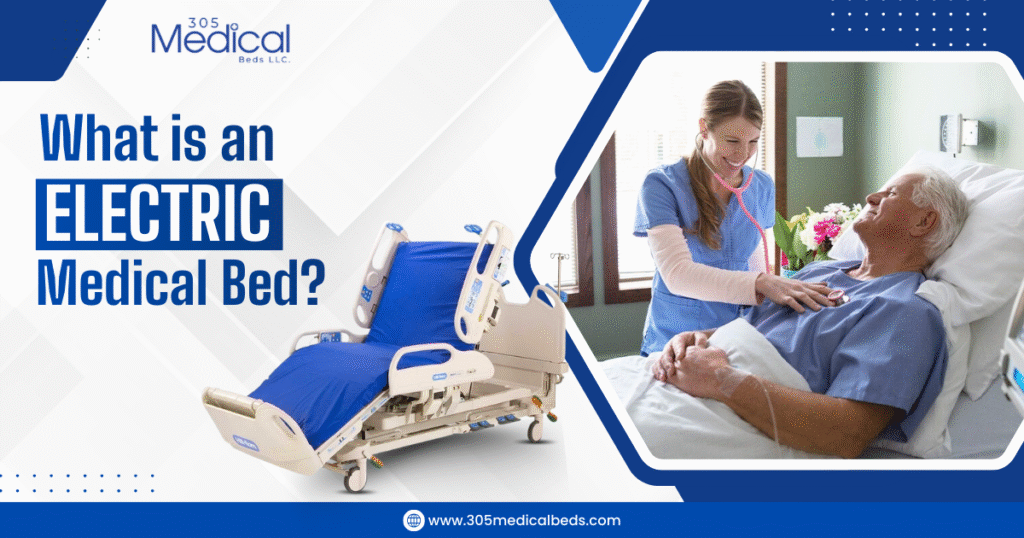
What is an Electric Bed?

When someone is recovering from surgery, living with limited mobility, or receiving long-term care at home, a regular bed often doesn’t provide the support they need. Comfort, safety, and easy movement become essential parts of everyday life. This is where an electric medical bed becomes incredibly useful. Designed specifically for patient care, these beds can be adjusted using electric controls to help patients sit up, elevate their legs, or change positions without physical strain. Whether used in hospitals or at home, an electric medical bed helps improve patient comfort, caregiver efficiency, and overall safety. In this guide, you’ll learn what an electric medical bed is, how it works, its main features, benefits, and who can benefit from using one. What is an Electric Medical Bed? An electric medical bed is an adjustable hospital-style bed powered by electric motors that allow patients or caregivers to change the bed’s position using a remote control. The bed typically allows adjustments such as: These adjustments make it easier for patients to sit, lie down, or reposition themselves without physical effort. Electric medical beds are commonly used in: Healthcare organizations like the World Health Organization emphasize the importance of proper patient positioning for comfort and recovery. How Does an Electric Medical Bed Work? Electric medical beds use built-in motors and control systems to adjust different sections of the bed frame. Patients or caregivers can control these adjustments using a handheld remote or side control panel. Key Components of an Electric Medical Bed Key Features of an Electric Medical Bed Electric medical beds are designed with features that improve both patient comfort and caregiver convenience. Adjustable Head Position The head section can be raised to help patients sit up comfortably. Benefits include: This feature is especially helpful for patients with respiratory conditions or mobility limitations. Adjustable Leg Elevation Electric medical beds allow the leg section to be raised. This helps: Patients recovering from surgery often benefit from this feature. Height Adjustment Many electric medical beds allow caregivers to raise or lower the entire bed height. This improves safety by: Safety Side Rails Side rails are an important safety feature that helps prevent accidental falls. They also help patients: Easy Remote Control Operation One of the biggest advantages of an electric medical bed is the simple control system. Patients can adjust their own position without assistance, which increases comfort and independence. Benefits of Using an Electric Medical Bed Electric medical beds provide several benefits for both patients and caregivers. 1. Improved Patient Comfort Patients who spend extended time in bed can easily change positions throughout the day. This helps reduce: Proper positioning significantly improves overall comfort. 2. Increased Safety Safety is a major reason why electric medical beds are widely used in healthcare settings. Safety features include: These features help reduce the risk of falls. Organizations such as the U.S. Food and Drug Administration recommend safe medical bed use to reduce patient injuries. 3. Easier Caregiving Caregivers often need to reposition patients multiple times per day. Electric adjustments help by: This improves efficiency in both hospitals and home care settings. 4. Greater Patient Independence Electric medical beds allow patients to control their own positioning. This means they can: Maintaining independence can have positive emotional and psychological benefits. 5. Better Recovery Support Proper positioning is essential for recovery. Electric medical beds allow caregivers to position patients for: These benefits make them essential for modern patient care. Electric Medical Bed vs Manual Hospital Bed Understanding the difference between electric and manual hospital beds can help when choosing the right option. Feature Electric Medical Bed Manual Hospital Bed Adjustment Motorized controls Hand crank Ease of Use Very easy Requires effort Patient Independence High Low Caregiver Effort Minimal Higher Convenience Advanced Basic Electric beds are generally preferred because they provide greater convenience and comfort. Who Should Use an Electric Medical Bed? Electric medical beds are beneficial for many individuals. Elderly Individuals Older adults with limited mobility often require adjustable beds for safety and comfort. Surgery Recovery Patients Patients recovering from surgery may need assistance adjusting their position frequently. Individuals with Mobility Limitations People with mobility challenges benefit from easy bed positioning. Long-Term Care Patients Patients who spend long periods in bed can reduce discomfort and pressure sores with adjustable positioning. Electric Medical Beds for Home Healthcare Electric medical beds are becoming increasingly popular for home healthcare environments. Families are choosing these beds to provide hospital-level care while allowing patients to remain in the comfort of their homes. Benefits include: If you are exploring options, you can also browse electric hospital beds available on our website to find solutions designed for home care. You may also want to explore: These internal resources can help you choose the best setup for patient care. Conclusion An electric medical bed is a vital piece of healthcare equipment designed to improve patient comfort, safety, and caregiving efficiency. With adjustable positioning, easy remote controls, and built-in safety features, these beds help patients maintain proper posture and reduce discomfort during recovery. Whether used in hospitals, rehabilitation centers, or home healthcare environments, electric medical beds play a crucial role in modern patient care. For families caring for loved ones at home or healthcare providers supporting patient recovery, investing in a high-quality electric medical bed can significantly improve comfort, safety, and overall quality of life. Frequently Asked Questions An electric medical bed allows patients or caregivers to adjust the bed’s position using motorized controls. This improves patient comfort, safety, and ease of caregiving. Yes. Electric medical beds are widely used for home healthcare because they provide adjustable positioning, improved safety, and greater comfort for patients recovering at home. Electric hospital beds use motorized adjustments controlled by a remote, while manual beds require a hand crank. Electric beds are easier to use and require less physical effort. Electric medical beds are ideal for elderly individuals, surgery recovery patients, people with limited mobility, and patients requiring long-term care.

What are the Best and Worst Materials for Hospital Beds
Hospital Beds, Uncategorized

What are the Best and Worst Materials for Hospital Beds

The best materials for hospital beds are reinforced steel, high-grade aluminium, medical-grade ABS plastic, and high-density foam mattresses. The worst materials are low-quality wood, thin lightweight metals, untreated fabrics, and low-density foam that breaks down quickly. Choosing the right hospital bed material affects safety, durability, hygiene, comfort, and long-term cost. Whether for home care, recovery, or long-term medical use, understanding material quality is essential. Why Hospital Bed Material Matters Hospital beds are not ordinary furniture. They must: Material quality directly impacts patient safety and caregiver convenience. Best Materials for Hospital Bed Frames 1. Reinforced Steel (Most Durable Option) Reinforced steel is widely considered the strongest and most reliable material for hospital bed frames. 2. High-Grade Aluminium (Lightweight & Rust-Resistant) Aluminium offers a balance between durability and portability. 3. Medical-Grade ABS Plastic (Side Rails & Panels) ABS (Acrylonitrile Butadiene Styrene) plastic is commonly used for bed rails and head/footboards. Best Mattress Materials for Hospital Beds High-Density Foam (Pressure Relief & Support) High-density foam mattresses provide proper spinal alignment and pressure redistribution. 5. Alternating Pressure Air Mattresses These mattresses use air cells that inflate and deflate automatically. Worst Materials for Hospital Beds Understanding what to avoid is just as important. 1. Low-Quality Wood Frames Wooden frames may look attractive, but are rarely suitable for medical-grade support. Problems: Wood is more common in decorative adjustable beds, not clinical-grade hospital beds. 2. Thin or Lightweight Metal Some lower-cost beds use thin metal that bends over time. Risks: Durability matters when frequent adjustments are required. 3. Low-Density Foam Mattresses Low-density foam is one of the most common problems in budget beds. Issues: Over time, this becomes more expensive than investing in quality foam. 4. Non-Medical Fabrics Non-waterproof covers can absorb moisture and bacteria. Look for: Hygiene is essential in home care environments. How to Choose the Right Material When selecting a hospital bed, consider: For long-term care, reinforced steel frames with high-density or air mattresses are typically the safest investment. For short-term recovery, aluminium frames with quality foam mattresses may be sufficient. Visit 305 Medical Beds and get the right Medical Bed for your need. Final Thoughts The best hospital bed materials prioritise: Reinforced steel frames, aluminium components, medical-grade plastic, and high-density foam mattresses are typically the most reliable choices. Avoid low-density foam, untreated wood, and thin lightweight metals that compromise safety and lifespan. Choosing the right materials ensures better patient comfort and fewer long-term issues. Frequently Asked Questions

How to Get a Hospital Bed for Free
Hospital Beds, Uncategorized

How to Get a Hospital Bed for Free?

A hospital bed can often be obtained for free through government insurance programs, veterans benefits, hospice care, or nonprofit medical equipment donation programs. In most cases, a doctor must confirm that the bed is medically necessary for home use. If you or a loved one needs a hospital bed but cannot afford one, this guide explains all legitimate ways to qualify, where to apply, and what documents you may need. Can You Really Get a Hospital Bed for Free? Yes, many individuals qualify for a free hospital bed each year. Eligibility usually depends on: Below are the most common pathways. 1. Medicare Coverage for Hospital Beds If you are enrolled in Medicare Part B, a hospital bed may be covered under Durable Medical Equipment (DME). Requirements: What Medicare Typically Covers: If you have supplemental insurance, it may cover the remaining 20%, which can result in little to no out-of-pocket cost. Does Medicare Cover Fully Electric Beds? Medicare usually covers semi-electric beds. Fully electric beds may require additional medical justification. 2. Medicaid Coverage Medicaid programs often provide broader assistance for low-income individuals. Depending on state guidelines, Medicaid may cover: Because Medicaid is state-administered, eligibility and approval requirements vary. Contact your state Medicaid office for details. 3. Veterans Benefits (VA Assistance) Veterans enrolled in VA health care may qualify for a hospital bed at no cost. Steps typically include: The VA often provides full electric beds and necessary accessories when medically justified. 4. Hospice Programs If a patient qualifies for hospice care, the hospice provider generally supplies: These items are usually included as part of hospice services. 5. Nonprofit & Donation Programs Many nonprofit organisations and community groups offer free medical equipment. Common sources include: Search terms that may help: Availability often depends on local supply. 6. Medical Equipment Loan Closets Loan closets are community-run programs that lend durable medical equipment for temporary use. They typically: These programs are often ideal for short-term recovery needs. Step-by-Step: How to Apply for a Free Hospital Bed Follow this process to increase your chances of approval: If denied, ask about appeals or alternative assistance programs. Required Documents Checklist Prepare the following: Having documents ready speeds up processing. Who Qualifies for a Free Hospital Bed? You may qualify if you: Approval depends on documented medical necessity. What If You Don’t Qualify? If free assistance is unavailable, alternatives may include: Many people only need a hospital bed temporarily, making rental a practical solution. Final Thoughts Getting a hospital bed for free is possible, but approval depends on medical documentation and eligibility requirements. Start by: With the right documentation and guidance, many families successfully secure hospital beds at no cost. Frequently Asked Questions

What are the Best Mattresses for Heavy People
Hospital Beds, Uncategorized

What are the Best Mattresses for Heavy People

The best mattresses for heavy people are high-density foam, hybrid mattresses with reinforced coils, latex mattresses, and bariatric-rated medical mattresses. These options provide stronger support, prevent sagging, improve spinal alignment, and increase durability. Choosing the right mattress is critical for comfort, pressure relief, and long-term back health—especially for individuals over 230–250 pounds. Why Mattress Choice Matters for Heavy Individuals Heavier sleepers place more pressure on: A low-quality mattress can quickly sag, leading to: The key factors to focus on are density, coil strength, thickness, and weight capacity. Best Types of Mattresses for Heavy People 1. High-Density Memory Foam Mattresses High-density foam (5 lb/ft³ or higher) provides better durability and long-term support. 2. Hybrid Mattresses with Reinforced Coils Hybrid mattresses combine foam layers with heavy-duty coil systems. 3. Natural Latex Mattresses Latex is naturally resilient and more durable than standard foam. 4. Bariatric-Rated Medical Mattresses For individuals over 300–350 pounds, bariatric mattresses are specifically engineered for higher weight capacity. Worst Mattresses for Heavy People Avoid these common mistakes: 1. Low-Density Memory Foam 2. Thin Mattresses (Under 10 Inches) 3. Soft Pillow-Top Mattresses 4. Weak Edge Support Durability matters more than softness. What Firmness Is Best for Heavy Sleepers? Generally: Heavier side sleepers may prefer slightly more cushioning on top, but still need a firm support core. How Thick Should a Mattress Be? For heavy individuals: Thickness supports durability and pressure distribution. Key Features to Look For When shopping for a mattress, check: These indicators help prevent premature sagging. Best Mattresses for Heavy People by Sleeping Position Back Sleepers Side Sleepers Stomach Sleepers Proper support prevents spinal misalignment. Final Thoughts The best mattresses for heavy people prioritise: High-density foam, hybrid coil systems, latex, and bariatric-rated mattresses consistently provide the safest and most durable options. Choosing the right mattress improves sleep quality, spinal alignment, and long-term comfort. Frequently Asked Questions

7 Must-Have Features in Modern Medical Beds
Medical Beds, Uncategorized

7 Must-Have Features in Modern Medical Beds

Modern medical beds are advanced electric hospital beds equipped with safety rails, smart monitoring systems, pressure relief compatibility, and infection-control design to enhance patient comfort, safety, and healthcare efficiency. A hospital bed is no longer just a bed. It’s a recovery platform.It’s a safety system.It’s a smart healthcare tool. Modern medical beds are transforming patient care by combining technology, comfort, and efficiency into one integrated system. Whether you manage a hospital, clinic, ICU, or long-term care facility, investing in the right modern medical beds directly impacts patient outcomes and operational performance. Before we explore the 7 must-have features, let’s clearly define what modern medical beds really are. What Are Modern Medical Beds? Modern medical beds are advanced hospital beds designed with electric adjustment, integrated safety systems, pressure-relief compatibility, infection-control materials, and smart monitoring technology to improve patient comfort and healthcare efficiency. They go far beyond traditional manual hospital beds. Why Modern Medical Beds Matter in Today’s Healthcare Environment Healthcare facilities today face: Modern medical beds address all these challenges simultaneously. 1. Advanced Electric Adjustability Electric adjustability is the foundation of modern medical beds. Must-Have Functions: Benefits: Electric hospital beds significantly outperform manual systems in efficiency and safety. 2. Integrated Fall Prevention & Safety Rails Patient falls remain a major concern in healthcare settings. Modern medical beds must include: These features reduce fall-related injuries and liability risks. 3. Pressure Relief & Advanced Mattress Compatibility Pressure ulcers can develop within hours in immobile patients. Modern medical beds must support: Why It Matters: 4. Smart Monitoring Technology Technology integration defines true modern medical beds. Look for: Smart hospital beds improve response time and patient monitoring accuracy. 5. Easy Mobility & Central Locking System Hospital workflows depend on mobility. Modern medical beds should include: This ensures safe patient transport across departments. 6. Infection Control Design Infection prevention is non-negotiable. Modern medical beds should feature: These features support hygiene protocols recommended by global health authorities. You can reference infection control standards from organizations like: Adding outbound links to these authorities increases content trustworthiness. 7. Ergonomic Design for Caregiver Safety Healthcare professionals experience high rates of musculoskeletal injuries. Modern medical beds reduce physical strain through: This improves staff productivity and reduces workplace injuries. Basic Beds vs Modern Medical Beds Feature Basic Hospital Beds Modern Medical Beds Adjustment Manual Fully Electric Safety Rails Basic Integrated Smart Rails Monitoring None Digital Monitoring Infection Control Standard Surface Antimicrobial Design Mobility Limited Central Locking System Pressure Relief Basic Mattress Advanced Compatibility This comparison helps buyers make informed decisions — improving commercial intent alignment. Cost vs Value of Modern Medical Beds While modern medical beds may require higher initial investment, the long-term value is significant. Cost Considerations: Long-Term Value: Hospitals that invest in advanced medical beds often see measurable ROI within a few years. How to Choose the Right Modern Medical Beds Before purchasing, evaluate: Also, review your facility’s existing infrastructure to ensure compatibility. Why Trust 305 Medical Beds for Modern Medical Beds? We specialize in healthcare equipment designed to improve patient safety and hospital efficiency. Our experience in medical infrastructure solutions allows us to understand both clinical and operational requirements. Every recommendation in this guide focuses on real-world healthcare needs. Ready to Transform Patient Care? Final Thoughts Modern medical beds are no longer optional upgrades — they are essential healthcare infrastructure. Facilities that prioritize advanced hospital beds improve patient satisfaction, reduce risks, and enhance operational performance. If you’re planning to upgrade your healthcare facility, investing in high-quality modern medical beds is a strategic and future-ready decision. FAQs

When Should You Consider a Medical Bed for Home Care
Home Care, Uncategorized

When Should You Consider a Medical Bed for Home Care?

A medical bed for home care is recommended when a patient has limited mobility, increased fall risk, chronic illness, or requires special positioning for recovery. It improves safety, comfort, and caregiver efficiency at home. Caring for a loved one at home is an act of love — but it also comes with challenges. As health conditions change, regular beds may no longer provide the comfort, safety, or support needed. That’s when a medical bed for home care becomes more than just equipment — it becomes essential support for both the patient and caregiver. If you’re wondering whether it’s time to consider one, this guide will help you make a confident and informed decision. What Is a Medical Bed for Home Care? A medical bed for home care is an adjustable hospital-style bed designed for residential use. It provides enhanced safety, positioning support, and comfort for individuals recovering from illness, surgery, injury, or managing chronic conditions. Unlike standard beds, medical beds offer electric adjustability, side rails, and pressure-relief compatibility to improve quality of care at home. 7 Signs You Should Consider a Medical Bed for Home Care Recognizing the right time is critical. Here are the most common situations where a medical bed becomes necessary. 1. Limited Mobility or Difficulty Moving If your loved one: A medical bed for home care allows head, foot, and height adjustment, making movement safer and easier. Risk of Falls Falls are a serious concern, especially for elderly individuals. A medical bed helps reduce fall risk through: If falls are becoming frequent, it’s time to consider upgrading to a safer sleeping solution. Chronic Illness or Long-Term Condition Conditions such as: Often require special positioning and long periods in bed. A medical bed for home care supports comfortable positioning that improves breathing, circulation, and pain management. Post-Surgery Recovery After surgery, patients need controlled positioning and limited strain. Medical beds provide: This promotes faster recovery and reduces complications. Pressure Ulcer (Bedsores) Risk If someone spends extended time in bed, pressure sores can develop quickly. Medical beds support: This reduces skin breakdown and improves blood circulation. Caregiver Physical Strain If caregivers experience: A medical bed for home care reduces physical effort through electric adjustments and optimal working height. Caregiver safety is just as important as patient comfort. Transition from Hospital to Home When a patient is discharged but still requires medical-level support, a home medical bed bridges the gap between hospital and home recovery. It ensures: Benefits of Using a Medical Bed for Home Care Investing in the right equipment improves both comfort and outcomes. For Patients: For Caregivers: Types of Medical Beds for Home Care Understanding your options helps you choose wisely. Manual Medical Beds Semi-Electric Beds Fully Electric Medical Beds Fully electric models are often the preferred choice for extended home care needs. How Much Does a Medical Bed for Home Care Cost? The cost depends on: While prices vary, investing in a high-quality medical bed often reduces long-term healthcare costs by preventing injuries and complications. For accurate pricing, request a personalized quote based on your specific care needs. How to Choose the Right Medical Bed for Home Care Before purchasing, consider: Choosing the right model ensures safety and long-term value. Why Choose 305 Medical Beds for Home Care Solutions? At 305 Medical Beds, we understand the challenges families face when transitioning care to the home. We provide: Our goal is to make home recovery safer, easier, and more comfortable. Final Thoughts Knowing when to consider a medical bed for home care can make a life-changing difference. If mobility is declining, safety risks are increasing, or recovery requires extra support, investing in a medical bed ensures dignity, comfort, and proper care in a familiar environment. FAQs

305 Medical Beds LLC |  2739 W 79 St, Unit 15, Hialeah, Florida 33016 |  Phone: 1.305.562.7960
© Copyright 2012 – 2024 | All Rights Reserved.

You have been successfully Subscribed! Ops! Something went wrong, please try again.

About Us

We are passionate about our customer service, assuring that our equipment is in appropriate conditions and operating correctly. We also offer guidance before purchasing any equipment, making sure that your purchase is the best choice for your needs.

305 Medical Beds LLC |  2739 W 79 St, Unit 15, Hialeah, Florida 33016 |  Phone: 1.305.562.7960
© Copyright 2012 – 2024 | All Rights Reserved.