home health equipment

First 30 Days of Hospital Beds at Home
Hospital Beds

What the First 30 Days With a Hospital Bed at Home Really Look Like

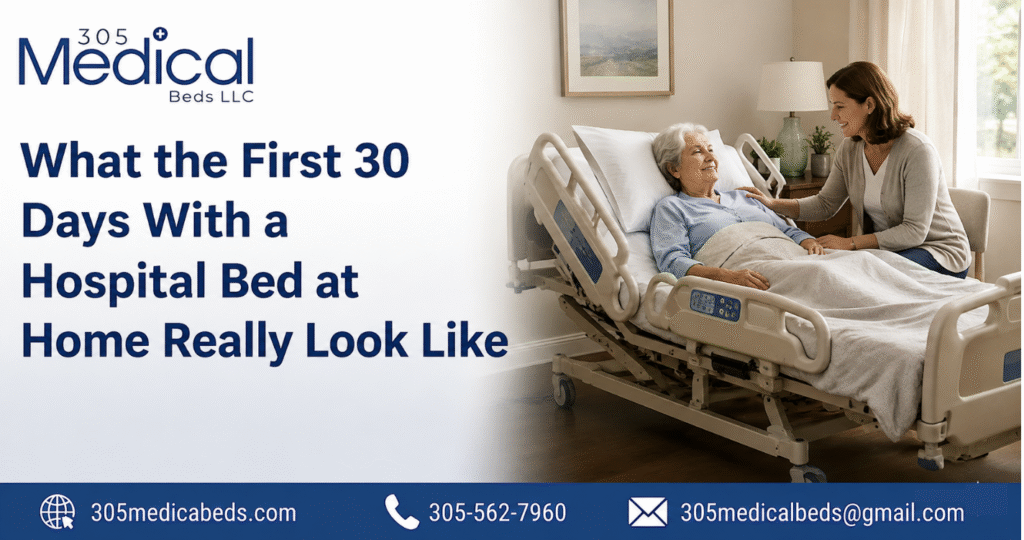
Nobody tells you what the first month is actually like. The doctor gives you discharge instructions. The physical therapist shows you exercises. The DME supplier delivers the bed and demonstrates the controls. And then everyone leaves and you’re standing in the room with a piece of equipment you’ve never used before, a person who needs care, and a calendar full of days you’re not sure how to get through. This piece is about those days. Not the clinical side the actual lived side. What the first morning feels like. What breaks down in week one that nobody warned you about. When things start to turn. What day 30 looks like compared to day one, and why that gap is almost always wider than people expect going in. We’ve delivered hospital beds to hundreds of South Florida families. We’ve had the follow-up calls. We’ve heard what people wish they’d known. This is as close as we can get to telling you all of it before you need it. The Day The Bed Arrives Delivery day is almost always more emotional than families expect and the emotion catches people off guard because they were so focused on the logistics that they didn’t prepare for the feeling. The delivery team brings the bed into the room. The regular furniture has already been moved or rearranged. The room looks different more space around the center, the familiar dresser pushed to a different wall, the bed itself silver and adjustable where something wooden and permanent used to be. For the patient watching from a chair in the corner, this is the moment the change becomes real. For the family member watching them watch it, this is often the hardest moment of the whole process. Then something practical takes over. The technician connects the motor, raises and lowers the head section, demonstrates the pendant, checks the rail locks. Questions get asked. Notes get taken. Within twenty minutes the room has adapted around the new piece of furniture and the clinical strangeness of it starts to soften slightly. What helps on delivery day Have the patient’s own pillow, blanket, and bedding ready to put on the bed as soon as the delivery team leaves. Familiar textiles make an unfamiliar surface feel inhabited. Put the bedside table exactly where it was relative to the old bed. Keep the TV, books, or phone charger in the same position. The visual geography of the room matters more than most people realized it signals to the patient’s brain that this is still their room, not a clinical space. And if the patient doesn’t want to get in the bed immediately that’s fine. Let them sit beside it for a while. Let the adjustment happen at their pace. Week 1 (Days 1–7): The hardest stretch The Adjustment Nobody Warns You About Week one is almost universally the hardest. Not always because anything goes wrong usually nothing does but because everything is new at once, and new is exhausting when you’re already tired from illness, surgery, or the stress of a difficult diagnosis. The patient is learning the pendant. They press head-up when they mean foot-up. They raise the bed when they meant to lower it. They call for help for adjustments they’ll handle confidently by themselves within ten days. This is normal. The pendant becomes intuitive faster than almost anyone predicts but the first few days it’s a new language and everyone is still translating. Day 1 First night in the bed. Sleep is usually lighter than normal a combination of the unfamiliar surface, post-discharge anxiety, and the newness of the controls. Most patients wake up 2–3 times. Most caregivers sleep even less. This is not a sign that the bed is wrong. It is a sign that it’s day one. Day 2–3 The first transfer attempt the patient makes independently. Usually tentative hand on the rail, feet lowered to the floor carefully, standing slowly. Sometimes it works smoothly and everyone is surprised by how much easier it is than the old bed. Sometimes it takes two tries. Either way, by day three most patients have found a transfer routine that works for them. Day 4–5 The mattress adjustment period. The body takes 3–5 nights to adapt to a new sleep surface, especially after a period of disrupted sleep. Some patients report the mattress feeling “too firm” in the first few days this is compression settling. It usually resolves by the end of week one. If discomfort persists beyond day seven, call your supplier a mattress topper or different mattress specification may be appropriate. Day 7 End of week one. Most patients can operate the pendant without thinking about it. Most caregivers have settled into a care routine around the bed. The room feels more normal than it did on day one. Sleep has usually improved. The week-one hardship is not forgotten, but it’s receding. The Thing Nobody Says About Week One The hardest moment of week one for most families is not a fall, not a mechanical problem, not a difficult transfer. It’s the first time the patient lies in the bed and cries or the first time the caregiver walks out of the room and cries in the hallway because the weight of everything landed at once. This happens in more homes than anyone admits. It is not a bad sign. It is the body and the emotions processing a major change. It passes. Week two looks different. If anything mechanical isn’t working in week one a brake that feels uncertain, a rail that doesn’t lock cleanly, a pendant function that’s behaving unexpectedly call your supplier immediately. Don’t adapt around a safety issue. 305 Medical Beds responds to service calls directly, not through a national queue. Week 2 (Days 8–14): Finding the Rhythm — The Rhythm Starts Something shifts between day seven and day ten. It’s not dramatic. It’s not a milestone anyone marks. It’s just that the bed starts to disappear into the background of the day which is exactly what

When Parent Needs A Hospital Bed and What Families Really Go Through
Hospital Beds

When Parent Needs A Hospital Bed and What Families Really Go Through

It usually doesn’t happen all at once. There’s a fall, or a diagnosis, or a discharge from the hospital that comes faster than anyone expected. And suddenly you’re standing in your parents’ bedroom — or your spare bedroom, or the living room you’ve just rearranged — trying to figure out what comes next. Somewhere in the middle of all of it, someone says the words: “You might want to look into a hospital bed.” And that’s a sentence that lands differently than it sounds. Because it isn’t really about a bed, it’s about acknowledging that something has changed — that the person who raised you now needs a different kind of care than the home they’ve lived in was built for. This isn’t a guide. It’s not a checklist. It’s an honest conversation about what this moment actually feels like, what questions are worth asking, and what most families wish they’d known sooner. The Moment Nobody Prepares You For Most families describe the same experience. The hospital calls and says your parent is being discharged — sometimes with 24 hours’ notice, sometimes less. The discharge planner lists equipment you’ll need. A hospital bed is on the list. You write it down and nod, because ten other things are happening at the same time and you’re doing your best to keep up. Then you go home, and you look at the bedroom. And you realize the regular bed your parent has slept in for thirty years is going to have to go somewhere, and a piece of medical equipment is going to take its place, and the room — and by extension, the life you all knew — is going to look different from now on. That feeling is real. It deserves to be named before we talk about anything practical. “The hardest part wasn’t the logistics. It was accepting that we were in a different chapter now. The bed made it real in a way the diagnosis somehow hadn’t.” Adult children who have been through this describe it as a kind of quiet grief — not for the person, who is still here and still themselves, but for a version of normal that has ended. The kitchen table conversations. The parent who drove themselves to appointments. The bedroom looked like it always had. None of that means the hospital bed is a bad thing. In almost every case, it turns out to be one of the best decisions the family makes — for safety, for comfort, for the quality of care at home. But it helps to acknowledge that getting to that point takes something from you first. Why Families Wait Too Long and What It Costs Them The most common thing we hear from families after they’ve set up a hospital bed at home is some version of: “I wish we’d done this sooner.” There are several reasons families delay — and they’re all understandable. But they’re worth examining, because the delay itself often creates the very problems it was trying to avoid. What families tell themselves “A hospital bed will make it feel like a sick room. It’ll depress them. We want to keep things as normal as possible.” What actually happens Most patients — once they experience the ability to sit up comfortably, adjust their position independently, and get in and out of bed safely — report feeling more dignified and more in control, not less. The “sick room” feeling comes from loss of function, not from the equipment that restores it. What families tell themselves “We’re managing fine for now. We’ll get one if things get worse.” What actually happens “Managing fine” often means the caregiver is physically carrying the weight that the bed should be carrying — lifting, repositioning, supporting — in ways that lead to back injuries, exhaustion, and eventually, a crisis point that forces the decision anyway, but now under worse conditions. What families tell themselves “They won’t want it. It’ll feel like giving up.” What actually happens When the patient has been included in the conversation, and the decision — rather than having a bed appear in their room without context — they almost universally adapt and often come to appreciate it; the resistance is usually about feeling like a decision is being made for them, not about the bed itself. The cost of waiting is rarely dramatic. It’s incremental. It’s a fall that didn’t need to happen. A pressure sore that started as a small red patch and got worse because no one noticed it in time. A caregiver’s back injury takes them out of commission for three weeks. The crisis that arrives not because the illness got worse, but because the home environment wasn’t set up to handle what was already happening. Signs it’s time, Even If No One Has Said It Yet Sometimes a doctor recommends a hospital bed directly. More often, families arrive at the decision themselves after watching something that worries them. These are the signs that tend to precede the conversation — the ones worth paying attention to before they become emergencies. The Conversation With Your Parent This is the part most families find harder than the logistics. How do you bring up a hospital bed with someone who doesn’t think they need one, or who sees it as a symbol of something they’re not ready to accept? No script works in every family. But some approaches tend to go better than others. The ones that tend to go badly usually start with the family having already made the decision. The bed is ordered, it’s arriving Thursday, and the conversation is really more of an announcement. That framing — however well-intentioned — removes the parent’s agency in a decision about their own life, and the resistance that follows is rarely really about the bed. The conversations that tend to go better start with a question rather than a statement. Not “we think you need a hospital bed” — but “I’ve noticed you’re having a harder time getting comfortable at night.

qualification for hospital bed at home
Hospital Beds

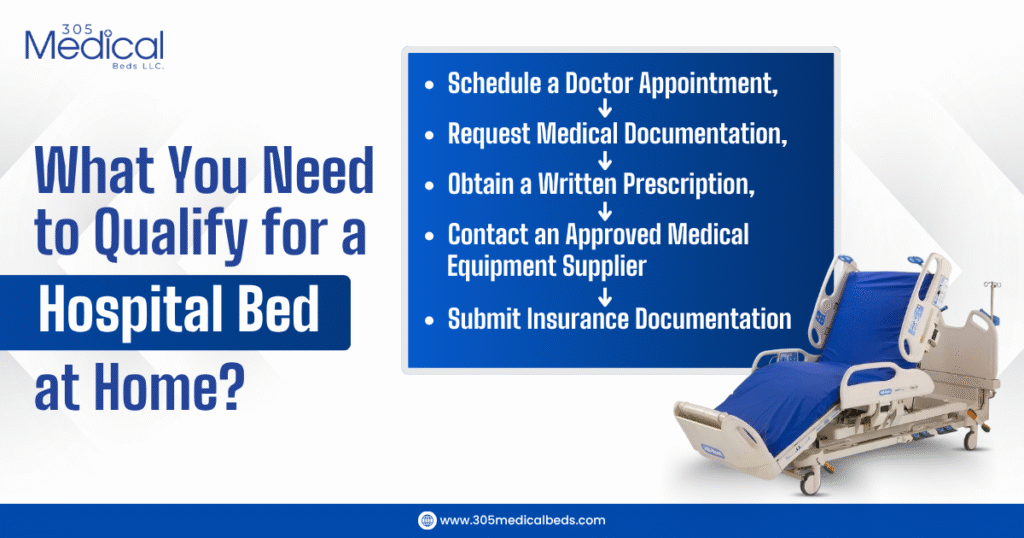
What You Need to Qualify for a Hospital Bed at Home?

Bringing a hospital bed into your home can dramatically improve comfort, safety, and recovery. But many families ask the same important question: How Do You Actually Qualify for a Home Hospital Bed? To qualify for a hospital bed at home, you typically need: Most insurance providers, including Medicare, require proof of medical necessity. In Short: A patient qualifies for a hospital bed at home when a doctor determines that special positioning, elevation, or safety features are medically necessary and cannot be achieved with a standard bed. Why Medical Necessity Is Required Insurance companies do not approve hospital beds for convenience. Approval is based on medical need. You may qualify for a hospital bed at home if you: A physician must clearly document medical necessity. Medicare Requirements to Qualify for a Hospital Bed at Home If you are using Medicare, hospital beds fall under Durable Medical Equipment (DME). To qualify under Medicare Part B, you must: 1. Have a Face-to-Face Evaluation A doctor must examine you and document the need. 2. Receive a Written Prescription The prescription must include: 3. Use a Medicare-Approved Supplier The supplier must accept Medicare assignment. 4. Meet Coverage Criteria Medicare typically covers: Luxury or full-electric beds may not be fully covered unless justified. Conditions That May Help You Qualify You may qualify for a hospital bed at home if you have: The key factor is whether positioning or adjustability is medically required. Types of Hospital Beds and Qualification Differences Bed Type Usually Covered? Qualification Level Manual Hospital Bed Yes Standard medical need Semi-Electric Bed Often Must justify electric adjustment Full-Electric Bed Rarely Requires strong medical justification Bariatric Bed Case-by-case Based on weight and condition Insurance approval depends on documented medical necessity. Private Insurance Requirements If you are not using Medicare, private insurance providers often follow similar rules: Always verify: Steps to Qualify for a Hospital Bed at Home (Simple Process) Here’s how to move forward: Step 1: Schedule a Doctor Appointment Discuss symptoms, mobility limitations, and sleeping challenges. Step 2: Request Medical Documentation Ensure the doctor clearly states why a standard bed is insufficient. Step 3: Obtain a Written Prescription The prescription must specify the type of bed needed. Step 4: Contact an Approved Medical Equipment Supplier Choose a licensed DME provider. Step 5: Submit Insurance Documentation Your supplier usually helps handle paperwork. Common Reasons for Denial Understanding denial risks helps prevent delays. You may be denied if: Proper documentation dramatically improves approval chances. Can You Rent Instead of Buy? Yes. In many cases: Rental is common for short-term recovery needs. Do You Need Additional Accessories to Qualify? Sometimes. Accessories such as: May require separate justification depending on the patient’s condition. Each accessory must also meet medical necessity standards. Summary: To qualify for a hospital bed at home, you need: The most important factor is clear documentation of medical necessity. Frequently Asked Questions

When Should You Consider a Medical Bed for Home Care
Home Care

When Should You Consider a Medical Bed for Home Care?

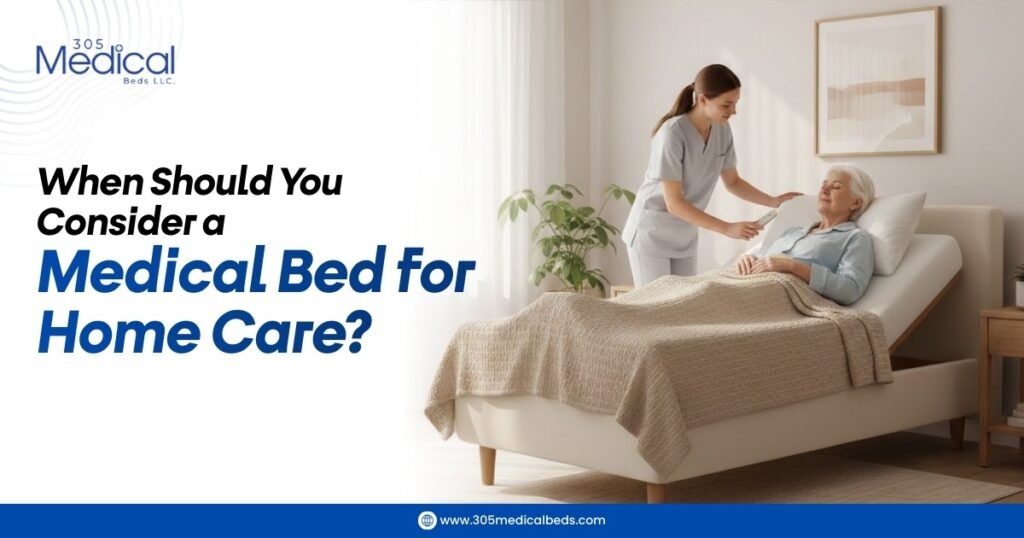
A medical bed for home care is recommended when a patient has limited mobility, increased fall risk, chronic illness, or requires special positioning for recovery. It improves safety, comfort, and caregiver efficiency at home. Caring for a loved one at home is an act of love — but it also comes with challenges. As health conditions change, regular beds may no longer provide the comfort, safety, or support needed. That’s when a medical bed for home care becomes more than just equipment — it becomes essential support for both the patient and caregiver. If you’re wondering whether it’s time to consider one, this guide will help you make a confident and informed decision. What Is a Medical Bed for Home Care? A medical bed for home care is an adjustable hospital-style bed designed for residential use. It provides enhanced safety, positioning support, and comfort for individuals recovering from illness, surgery, injury, or managing chronic conditions. Unlike standard beds, medical beds offer electric adjustability, side rails, and pressure-relief compatibility to improve quality of care at home. 7 Signs You Should Consider a Medical Bed for Home Care Recognizing the right time is critical. Here are the most common situations where a medical bed becomes necessary. 1. Limited Mobility or Difficulty Moving If your loved one: A medical bed for home care allows head, foot, and height adjustment, making movement safer and easier. Risk of Falls Falls are a serious concern, especially for elderly individuals. A medical bed helps reduce fall risk through: If falls are becoming frequent, it’s time to consider upgrading to a safer sleeping solution. Chronic Illness or Long-Term Condition Conditions such as: Often require special positioning and long periods in bed. A medical bed for home care supports comfortable positioning that improves breathing, circulation, and pain management. Post-Surgery Recovery After surgery, patients need controlled positioning and limited strain. Medical beds provide: This promotes faster recovery and reduces complications. Pressure Ulcer (Bedsores) Risk If someone spends extended time in bed, pressure sores can develop quickly. Medical beds support: This reduces skin breakdown and improves blood circulation. Caregiver Physical Strain If caregivers experience: A medical bed for home care reduces physical effort through electric adjustments and optimal working height. Caregiver safety is just as important as patient comfort. Transition from Hospital to Home When a patient is discharged but still requires medical-level support, a home medical bed bridges the gap between hospital and home recovery. It ensures: Benefits of Using a Medical Bed for Home Care Investing in the right equipment improves both comfort and outcomes. For Patients: For Caregivers: Types of Medical Beds for Home Care Understanding your options helps you choose wisely. Manual Medical Beds Semi-Electric Beds Fully Electric Medical Beds Fully electric models are often the preferred choice for extended home care needs. How Much Does a Medical Bed for Home Care Cost? The cost depends on: While prices vary, investing in a high-quality medical bed often reduces long-term healthcare costs by preventing injuries and complications. For accurate pricing, request a personalized quote based on your specific care needs. How to Choose the Right Medical Bed for Home Care Before purchasing, consider: Choosing the right model ensures safety and long-term value. Why Choose 305 Medical Beds for Home Care Solutions? At 305 Medical Beds, we understand the challenges families face when transitioning care to the home. We provide: Our goal is to make home recovery safer, easier, and more comfortable. Final Thoughts Knowing when to consider a medical bed for home care can make a life-changing difference. If mobility is declining, safety risks are increasing, or recovery requires extra support, investing in a medical bed ensures dignity, comfort, and proper care in a familiar environment. FAQs

Home Care Setup with the right medical bed
Medical Beds

Creating a Safer Home Care Setup with the Right Medical Bed

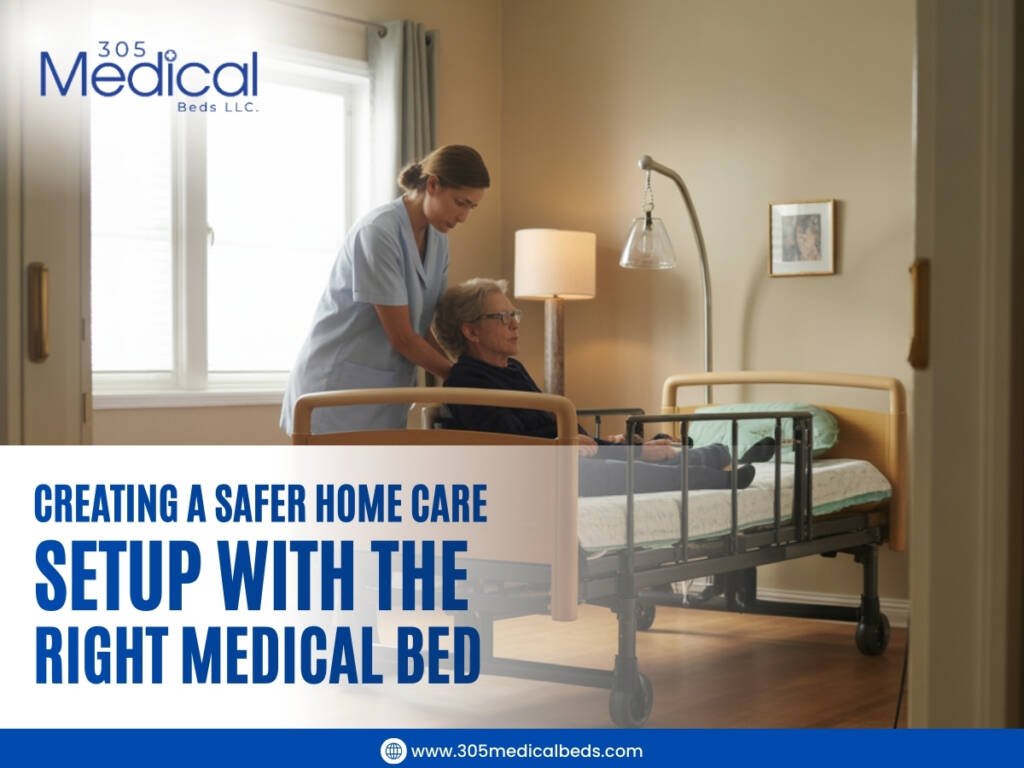
Creating a safe home care environment is one of the most important responsibilities when caring for a loved one at home. Whether the patient is recovering from surgery, managing a chronic condition, or aging in place, safety and comfort must come first. One of the most effective ways to achieve this is by creating a safer home care setup with the right medical bed. Unlike standard beds, medical beds are designed specifically to support patient safety, improve mobility, and reduce caregiver strain. Choosing the right one can transform home care from stressful to manageable—while promoting dignity, comfort, and peace of mind. Why a Safe Home Care Setup Is Essential Home environments are not naturally designed for medical care. Without proper equipment, patients face higher risks of: This is why creating a safer home care setup with the right medical bed is not a luxury—it is a necessity. A properly selected medical bed brings hospital-grade safety and functionality into the home. What Makes a Medical Bed Ideal for Home Care? A medical bed for home use is designed to support both patients and caregivers. These beds provide adjustable positioning, enhanced stability, and safety features that traditional beds cannot offer. Key advantages include: When planning a home care environment, the medical bed should always be the foundation. Essential Safety Features to Look for in a Medical Bed Choosing the right bed starts with understanding which features directly improve safety. Adjustable Height for Fall Prevention Medical beds that lower closer to the floor help minimize injury risk if a patient attempts to exit the bed independently. Adjustable height also allows caregivers to work at a safe, comfortable level. Side Rails for Support and Stability Side rails provide added protection and help patients reposition safely. They also reduce the likelihood of accidental falls during sleep or movement. Electric Controls for Smooth Positioning Electric adjustments allow gradual changes in position, reducing sudden movements that can cause discomfort or dizziness. Lockable Wheels for Bed Stability Locking casters ensure the bed remains firmly in place during transfers, cleaning, or daily care routines. All of these features are critical when creating a safer home care setup with the right medical bed. How the Right Medical Bed Enhances Patient Comfort Safety alone is not enough—comfort directly affects recovery and well-being. A medical bed improves comfort by allowing: Comfortable patients are calmer, sleep better, and move more safely—further reducing accident risks. Reducing Caregiver Strain and Injury Caregiving often involves repetitive lifting, bending, and repositioning, which can lead to chronic pain or injury. A medical bed significantly reduces caregiver strain by: This makes creating a safer home care setup with the right medical bed beneficial for everyone involved—not just the patient. Choosing the Right Mattress for Home Medical Beds The mattress is just as important as the bed frame when it comes to safety and comfort. Pressure-Relief Mattresses These mattresses help prevent pressure ulcers for patients who spend extended time in bed. Firm Edge Support Firm edges make it easier and safer for patients to sit up or stand when exiting the bed. Hygienic, Easy-to-Clean Materials Water-resistant and antimicrobial covers improve cleanliness and reduce infection risks in home care settings. Matching Medical Beds to Specific Home Care Needs Different care situations require various features. Elderly Home Care Low-height beds with side rails help prevent falls while supporting independence. Post-Surgery Recovery Adjustable positioning aids circulation, pain management, and proper healing. Long-Term or Chronic Care Durable medical beds with advanced positioning features provide reliable, long-term safety and comfort. Selecting the correct configuration ensures success when creating a safer home care setup with the right medical bed. Proper Placement of the Medical Bed at Home Where the bed is placed matters almost as much as the bed itself. Best placement practices: A well-organized room supports safe movement and easier daily care. Importance of Professional Setup and Maintenance Proper installation ensures all safety features function correctly from day one. Professional services help with: Routine maintenance keeps the medical bed safe, reliable, and functional over time. Refurbished Medical Beds: Safe, Reliable, and Cost-Effective High-quality refurbished medical beds offer the same safety features as new models at a significantly lower cost. When sourced from trusted providers, these beds are: For many families across the United States, refurbished options are a smart solution when creating a safer home care setup with the right medical bed. Conclusion Creating a safe, supportive home care environment starts with the right foundation. By creating a safer home care setup with the right medical bed, families can reduce risks, improve comfort, and ensure better daily care outcomes. A well-chosen medical bed supports recovery, protects caregivers, and restores confidence in home care. With the right planning and equipment, a home can truly become a safe place for healing. Frequently Asked Questions

Best Hospital Beds for Home Use Adjustable, Manual or Electric
Adjustable Hospital Beds, Electric Hospital Bed, Hospital Beds, Hospital Home Care, Manual Hospital Bed

Best Hospital Beds for Home Use: Adjustable, Manual or Electric?

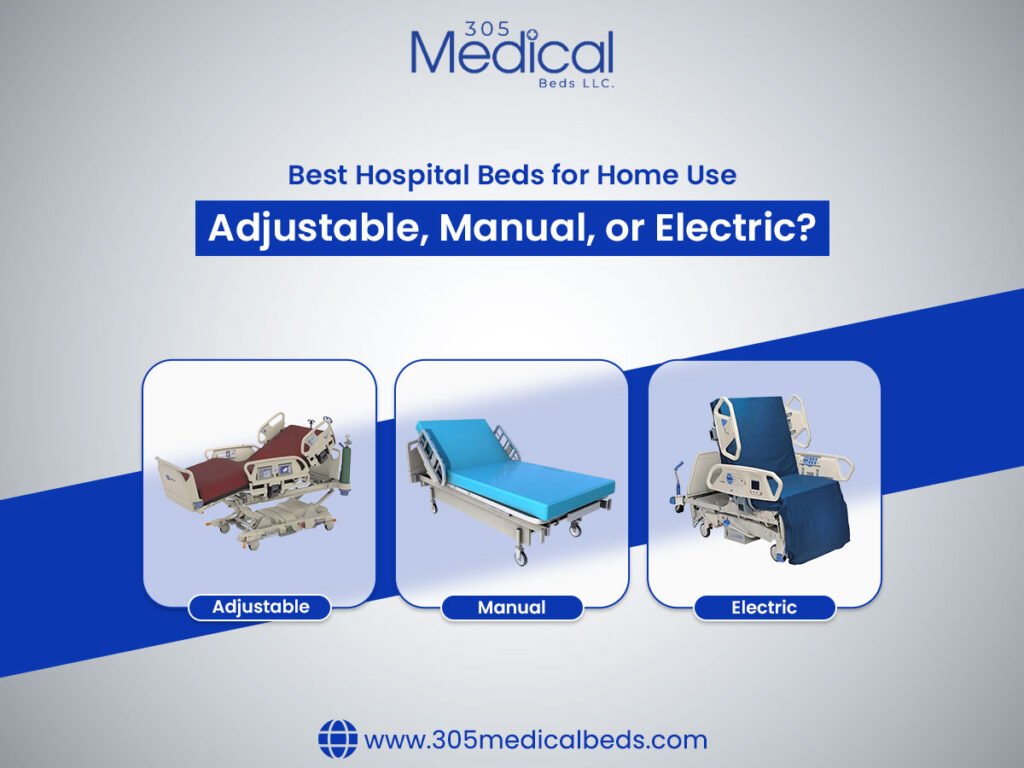
Choosing the right hospital bed for home care ensures that the patient remains safe, supported, and comfortable throughout recovery or long-term treatment. At 305 Medical Beds, we offer Hill-Rom hospital beds that are refurbished to like-new condition—ready for home use at an affordable price. Let’s explore the bed types, their benefits, and our top recommendations for creating a hospital-grade recovery experience at home. Why Home Hospital Beds Matter for Recovery and Comfort When mobility is limited, even simple movements like sitting up, repositioning, or getting in and out of bed can become difficult. The right home hospital bed helps by: Reducing the risk of pressure ulcers Supporting proper posture and breathing Helping caregivers reposition patients Promoting faster healing and better sleep Preventing falls with low height and side rails For these reasons, choosing a high-quality adjustable or electric bed isn’t just a luxury—it’s essential for care. Manual vs Adjustable vs Electric Hospital Beds Manual Beds:These beds require hand cranks to adjust height and positioning. They’re more affordable but less convenient for caregivers and patients. Adjustable Beds:Allow head and foot elevation manually or electrically. Ideal for improving circulation and positioning. Electric Beds:Fully motorized beds controlled with a handset. Features include height adjustment, Trendelenburg positioning, and advanced surface options. At 305 Medical Beds, we primarily recommend electric and adjustable Hill-Rom beds for home use due to their ease, comfort, and safety. Best Hill-Rom Beds for Home Use We’ve handpicked the following Hill-Rom beds as ideal for in-home care. Each one is fully refurbished, tested, and patient-ready. Hill-Rom VersaCare Bed The Hill-Rom VersaCare is one of the most versatile beds for home use. With fully electric controls, this bed is perfect for patients needing frequent repositioning. Key Features: Electric head, foot, and bed height adjustment Advanced pressure redistribution surface options SlideGuard® technology to reduce skin shearing Compact design suitable for home settings Ideal for home caregivers looking for a balance of advanced functionality and affordability. Products: Hill-Rom Versacare P3200 – Foam Mattress (Option 4) Hill-Rom Versacare P3200 – Air Mattress (Option 4A) Hill-Rom TotalCare Bed The Hill-Rom TotalCare Bed offers additional safety and comfort features—perfect for patients with more serious or long-term needs. Top Benefits: Turn Assist and Lateral Rotation Therapy Low height for easier transfer Optional air surface for pressure injury prevention One-button cardiac chair positioning It’s a top-tier solution for home users needing hospital-grade care at home. Products: Refurbished Hill-Rom Total Care P1900 Hospital Bed (Option 3) Refurbished Hill-Rom Total Care P1900 Hospital Bed (Option 5) Hill-Rom Progressa Bed The Progressa Bed is primarily an ICU bed but also works for home care, especially for pulmonary or immobile patients. Key Features: Percussion, vibration, and lateral rotation therapy Advanced mobility support with one-touch controls In-bed scale and full bed articulation Ideal for patients with respiratory issues This is the ultimate choice for critical care at home—if the budget and space allow. Products: Refurbished Hill-Rom Progressa P7500 Pulmonary ICU Bed (Option 1A)   Hill-Rom Spo2rt Bed The Hill-Rom Spo2rt Bed (P1900) is designed to support patient movement and rehabilitation, making it ideal for post-surgery or physical therapy at home. Benefits Include: Electric operation with mobility-focused design Comfortable surface with advanced adjustability Promotes independence and early mobilization Compact enough for home environments A great fit for users transitioning from hospital to home. Products: Refurbished Hill-Rom TotalCare Spo2rt 2 P1900 ICU Bed (Option 1)   Refubished Hill-Rom Total Care Spo2rt P1900 ICU Bed (Option 2) Hill-Rom Bariatric Plus Bed The Hill-Rom Bariatric Plus Bed is ideal for obese patients needing extra space, weight capacity, and strong frame support. Key Advantages: Supports up to 1,000 lbs Wider surface for enhanced comfort Low bed height and side rails for safety Full electric controls for easy adjustments If you’re managing bariatric care at home, this bed ensures both safety and dignity. Products: Refurbished Hill-Rom TotalCare P1840 Bariatric Plus ICU Bed (Option 1B) Benefits of Choosing Refurbished Beds for Home Care Refurbished beds offer all the features of new beds—at a lower price. At 305 Medical Beds, our process includes: Deep cleaning and sanitation Electrical and mechanical inspections Replacing worn components Testing for compliance and safety You get:✔️ Hospital-grade equipment✔️ Warranty-backed quality✔️ Savings of up to 60% Why Choose 305 Medical Beds for Home Use Hospital Beds We stand out for more than just our product range. Our home care clients get: Expert guidance on selecting the right bed Nationwide delivery and optional setup Warranty coverage for peace of mind Friendly customer support before and after purchase We’re trusted by caregivers, families, and medical professionals alike. Conclusion When it comes to home healthcare, the bed you choose matters. At 305 Medical Beds, we offer top-performing Hill-Rom electric and adjustable hospital beds that bring hospital-grade care to your home. Whether you need advanced ICU features, bariatric support, or mobility assistance, we have the right solution—refurbished, affordable, and ready to use. FAQs Q1: Which hospital bed is best for home use?The Hill-Rom VersaCare and TotalCare beds are top picks for home care due to their balance of features and compact design. Q2: Are electric hospital beds safe for home?Yes, they are tested for safety, provide ease of use, and reduce caregiver strain. Q3: Can you deliver and install the bed at my home?Yes. We offer nationwide delivery and optional installation support. Q4: What’s the difference between electric and adjustable beds?Electric beds offer motorized height and position control. Adjustable beds may use manual or partial electric systems for head/foot movement. Q5: Do you offer financing or rentals?Contact us to explore current offers, financing, or rental options based on availability.  

How the Right Medical Bed Can Transform Home Care
Home Care, Medical Beds

How the Right Medical Bed Can Transform Home Care

When it comes to home care, comfort, safety, and functionality are paramount. Whether you’re caring for a loved one recovering from surgery, managing a chronic condition, or ensuring the elderly have a safe and comfortable environment, choosing the right medical bed can make all the difference. At 305 Medical Beds, we understand the importance of providing high-quality, durable, and adjustable medical beds that cater to every need. In this blog, we’ll explore how the right medical bed can transform home care and why investing in the right solution is essential for both caregivers and patients. Why a Medical Bed is Essential for Home Care A medical bed is not just a piece of furniture; it’s a critical tool in ensuring the well-being of patients and caregivers alike. Unlike standard beds, medical beds are designed with advanced features that prioritize comfort, safety, and accessibility. Here’s why they are indispensable for home care: Enhanced Comfort for Patients: Medical beds are equipped with adjustable features that allow patients to sit up, recline, or elevate their legs with ease. This is particularly beneficial for individuals with mobility issues, chronic pain, or conditions like arthritis. The ability to customize the bed’s position ensures maximum comfort throughout the day and night. Improved Safety: Falls and injuries are common concerns in home care settings. Medical beds come with safety rails, adjustable heights, and sturdy frames to minimize the risk of accidents. For elderly patients or those with limited mobility, these features provide peace of mind for both the patient and caregiver. Support for Caregivers: Caregiving can be physically demanding. Medical beds with adjustable heights and electric controls reduce the strain on caregivers by making it easier to assist patients with daily activities like bathing, dressing, or repositioning. Promotes Faster Recovery: For patients recovering from surgery or illness, a medical bed can aid in faster recovery by providing proper support and positioning. Features like pressure-relief mattresses can prevent bedsores and improve circulation, which is crucial for healing. Key Features to Look for in a Medical Bed When choosing a medical bed for home care, it’s important to consider the specific needs of the patient. Here are some key features to look for: 1. Adjustability Adjustable beds allow patients to change positions easily, which is essential for comfort and preventing complications like pressure ulcers. Look for beds with electric controls for effortless adjustments. 2. Safety Features Safety rails, anti-slip surfaces, and lockable wheels are critical for preventing falls and ensuring stability. 3. Durable Frame A sturdy frame ensures the bed can support the patient’s weight and withstand daily use. High-quality materials like steel or reinforced aluminium are ideal. 4. Medical Bed Mattress Options The mattress is just as important as the bed itself. Medical bed mattresses are designed to provide pressure relief, reduce the risk of bedsores, and enhance overall comfort. Options include foam, air, and hybrid mattresses. 5. Electric vs. Manual Beds Electric medical beds offer convenience with motorized controls, while manual beds are more cost-effective but require physical effort to adjust. 6. Size and Weight Capacity Consider the size of the bed (twin, full, or bariatric) and its weight capacity to ensure it meets the patient’s needs. Types of Medical Beds for Home Care At 305 Medical Beds, we offer a wide range of medical beds for home care to suit every requirement. Here are some popular options: Standard Medical Beds: These beds provide basic functionality with adjustable head and foot sections, making them ideal for general home care needs. Electric Medical Beds: Fully motorized beds allow patients and caregivers to adjust the bed’s position with the push of a button. Bariatric Medical Beds: Designed for heavier patients, these beds offer extra width, reinforced frames, and higher weight capacities. Low Beds: Perfect for patients at risk of falling, low beds can be adjusted closer to the ground for added safety. Hospital-Grade Beds: These beds offer advanced features like tilt functions, built-in scales, and specialized mattresses for critical care. Benefits of Choosing 305 Medical Beds When it comes to purchasing a medical bed for home care, quality and reliability are non-negotiable. At 305 Medical Beds, we pride ourselves on being a trusted medical bed supplier that offers top-notch products and services. Here’s why you should choose us: Wide Range of Options: From electric medical beds to medical beds with mattresses, we have a solution for every need and budget. High-Quality Products: Our beds are built to last, ensuring durability and safety for years to come. Expert Guidance: Not sure which bed is right for you? Our team of experts is here to help you make an informed decision. Affordable Prices: We offer competitive pricing on all our products, making it easier for families to access the care they need. Convenient Delivery: Looking for a medical bed near me? We provide fast and reliable delivery services to ensure you get your bed when you need it. How to Choose the Right Mattress for Your Medical Bed A medical bed mattress plays a crucial role in patient comfort and care. Here are some tips for choosing the right mattress: Foam Mattresses: Ideal for pressure relief and comfort. Air Mattresses: Great for preventing bedsores and improving circulation. Hybrid Mattresses: Combine foam and air for maximum support and durability. At 305 Medical Beds, we offer a variety of medical bed mattresses to complement our beds, ensuring a complete solution for your home care needs. Transform Home Care with the Right Medical Bed Investing in the right medical bed can significantly improve the quality of life for patients and caregivers alike. From enhanced comfort and safety to faster recovery and reduced caregiver strain, the benefits are undeniable. At 305 Medical Beds, we’re committed to providing high-quality, reliable, and affordable solutions to meet your home care needs. If you’re looking for a medical bed for sale, a medical bed with a mattress, or an electric medical bed, we’ve got you covered. Please browse our selection today and take the first step toward transforming your home care experience. Ready to find the perfect medical bed? Visit 305 Medical Beds or contact us today to speak with our experts. Let us help you provide the care your loved ones deserve!

305 Medical Beds LLC |  2739 W 79 St, Unit 15, Hialeah, Florida 33016 |  Phone: 1.305.562.7960
© Copyright 2012 – 2024 | All Rights Reserved.

You have been successfully Subscribed! Ops! Something went wrong, please try again.

About Us

305 Medical Beds LLC is a certified supplier of refurbished hospital, ICU, and adjustable medical beds. Serving healthcare facilities and home care patients across Florida and the United States since 2020

305 Medical Beds LLC |  2739 W 79 St, Unit 15, Hialeah, Florida 33016 |  Phone: 1.305.562.7960
© Copyright 2012 – 2026 | All Rights Reserved.