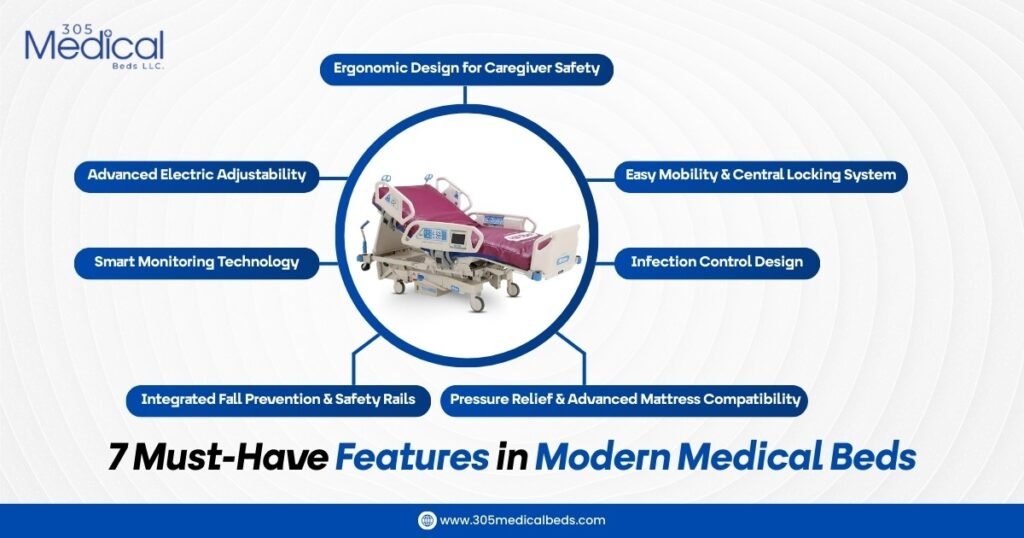
7 Must-Have Features in Modern Medical Beds
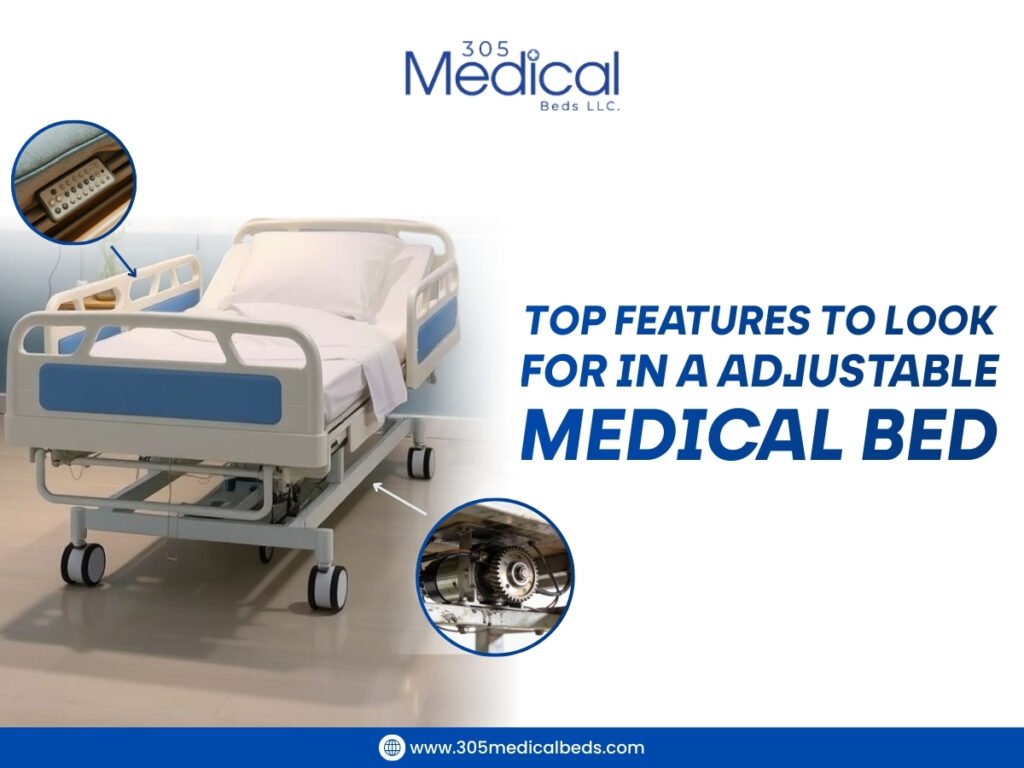
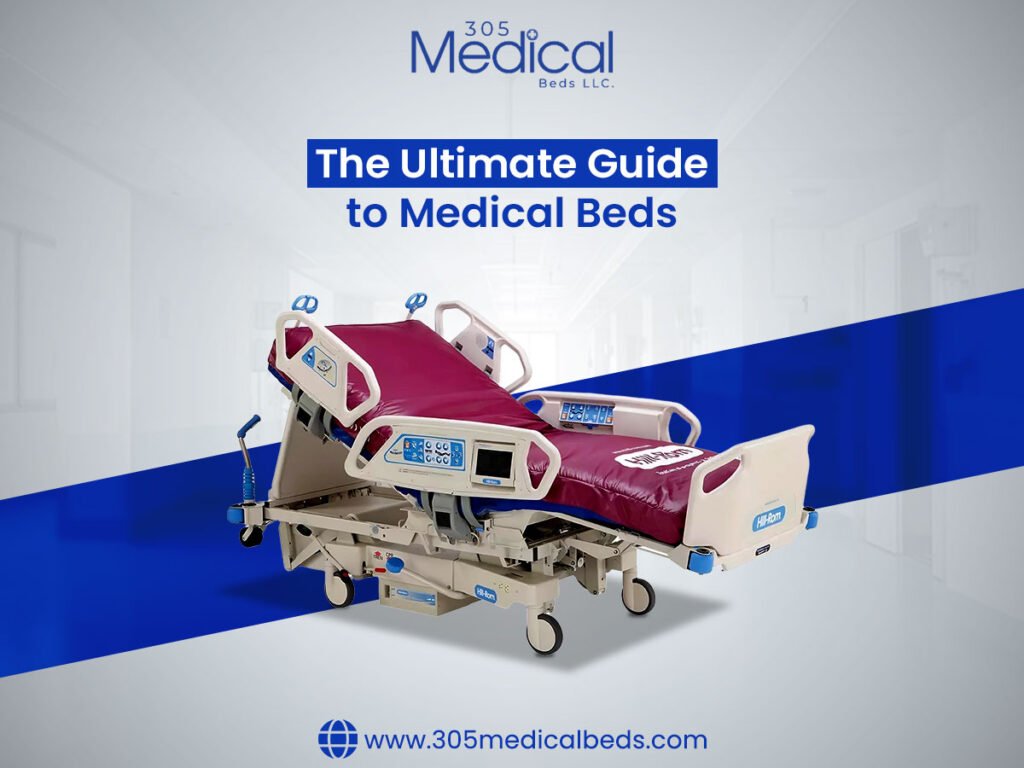
Modern medical beds are advanced electric hospital beds equipped with safety rails, smart monitoring systems, pressure relief compatibility, and infection-control design to enhance patient comfort, safety, and healthcare efficiency. A hospital bed is no longer just a bed. It’s a recovery platform.It’s a safety system.It’s a smart healthcare tool. Modern medical beds are transforming patient care by combining technology, comfort, and efficiency into one integrated system. Whether you manage a hospital, clinic, ICU, or long-term care facility, investing in the right modern medical beds directly impacts patient outcomes and operational performance. Before we explore the 7 must-have features, let’s clearly define what modern medical beds really are. What Are Modern Medical Beds? Modern medical beds are advanced hospital beds designed with electric adjustment, integrated safety systems, pressure-relief compatibility, infection-control materials, and smart monitoring technology to improve patient comfort and healthcare efficiency. They go far beyond traditional manual hospital beds. Why Modern Medical Beds Matter in Today’s Healthcare Environment Healthcare facilities today face: Modern medical beds address all these challenges simultaneously. 1. Advanced Electric Adjustability Electric adjustability is the foundation of modern medical beds. Must-Have Functions: Benefits: Electric hospital beds significantly outperform manual systems in efficiency and safety. 2. Integrated Fall Prevention & Safety Rails Patient falls remain a major concern in healthcare settings. Modern medical beds must include: These features reduce fall-related injuries and liability risks. 3. Pressure Relief & Advanced Mattress Compatibility Pressure ulcers can develop within hours in immobile patients. Modern medical beds must support: Why It Matters: 4. Smart Monitoring Technology Technology integration defines true modern medical beds. Look for: Smart hospital beds improve response time and patient monitoring accuracy. 5. Easy Mobility & Central Locking System Hospital workflows depend on mobility. Modern medical beds should include: This ensures safe patient transport across departments. 6. Infection Control Design Infection prevention is non-negotiable. Modern medical beds should feature: These features support hygiene protocols recommended by global health authorities. You can reference infection control standards from organizations like: Adding outbound links to these authorities increases content trustworthiness. 7. Ergonomic Design for Caregiver Safety Healthcare professionals experience high rates of musculoskeletal injuries. Modern medical beds reduce physical strain through: This improves staff productivity and reduces workplace injuries. Basic Beds vs Modern Medical Beds Feature Basic Hospital Beds Modern Medical Beds Adjustment Manual Fully Electric Safety Rails Basic Integrated Smart Rails Monitoring None Digital Monitoring Infection Control Standard Surface Antimicrobial Design Mobility Limited Central Locking System Pressure Relief Basic Mattress Advanced Compatibility This comparison helps buyers make informed decisions — improving commercial intent alignment. Cost vs Value of Modern Medical Beds While modern medical beds may require higher initial investment, the long-term value is significant. Cost Considerations: Long-Term Value: Hospitals that invest in advanced medical beds often see measurable ROI within a few years. How to Choose the Right Modern Medical Beds Before purchasing, evaluate: Also, review your facility’s existing infrastructure to ensure compatibility. Why Trust 305 Medical Beds for Modern Medical Beds? We specialize in healthcare equipment designed to improve patient safety and hospital efficiency. Our experience in medical infrastructure solutions allows us to understand both clinical and operational requirements. Every recommendation in this guide focuses on real-world healthcare needs. Ready to Transform Patient Care? Final Thoughts Modern medical beds are no longer optional upgrades — they are essential healthcare infrastructure. Facilities that prioritize advanced hospital beds improve patient satisfaction, reduce risks, and enhance operational performance. If you’re planning to upgrade your healthcare facility, investing in high-quality modern medical beds is a strategic and future-ready decision. FAQs