Hill Rom Beds

what makes the spo2rt icu bed the right choice for hospitals
Spo2rt Beds, Uncategorized

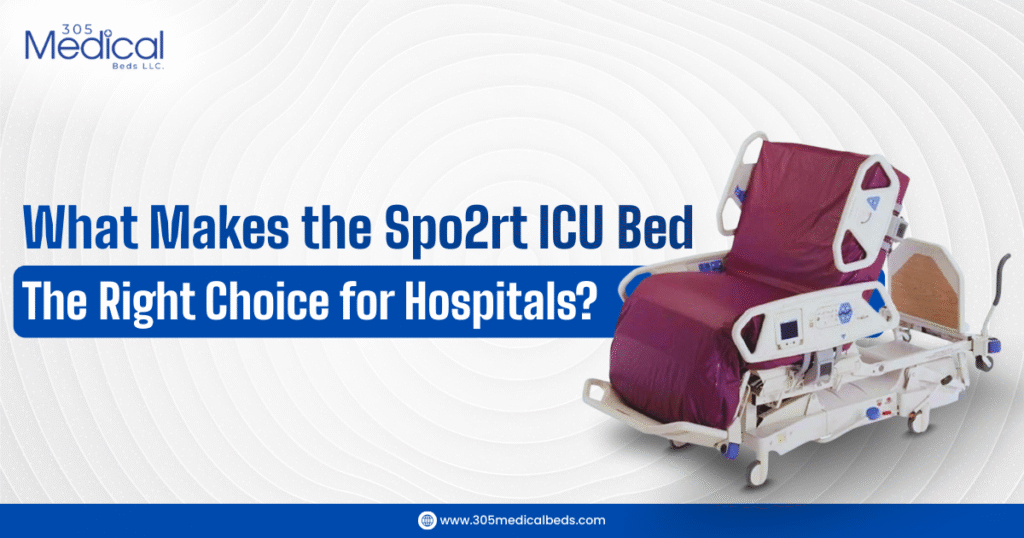
What Makes the Spo2rt ICU Bed the Right Choice for Hospitals?

Quick Review Choosing the right ICU bed is one of the most critical decisions a hospital can make. Patient safety, real-time monitoring, caregiver efficiency, and clinical accuracy all depend on it. The SpO₂RT ICU bed stands out as a smart, future-ready solution designed to support critical care patients while simplifying workflows for medical staff. In this guide, you’ll learn: If your hospital prioritizes precision, safety, and efficiency, this blog will help you understand why the SpO₂RT ICU bed is the right choice. 1. Real-Time SpO₂ Monitoring for Critical Patients One of the most important reasons hospitals choose the SpO₂RT ICU bed is its real-time oxygen saturation monitoring. Why Real-Time Monitoring Matters Key Benefits By integrating monitoring into the bed itself, hospitals reduce equipment clutter while improving efficiency and patient safety. 2. Enhanced Patient Safety and Comfort Patient safety is non-negotiable in intensive care settings. The SpO₂RT ICU bed is designed with both safety and comfort in mind. Safety Features Include Comfort-Focused Design Why it matters: Comfortable patients are more stable, easier to manage, and experience fewer complications during extended ICU care. 3. Advanced Adjustability for Clinical Precision The SpO₂RT ICU bed offers precise positioning options, allowing clinicians to adapt the bed to patient needs instantly. Adjustable Functions Clinical Advantages These features make the SpO₂RT ICU bed ideal for patients requiring frequent repositioning and close observation. 4. Streamlined Workflow for Healthcare Staff In a high-pressure ICU environment, efficiency saves lives. The SpO₂RT ICU bed is built to support caregivers and reduce workload. How It Helps Medical Staff Operational Benefits for Hospitals By minimizing physical strain and simplifying operations, hospitals can deliver better care with fewer complications. 5. Superior Infection Control and Hygiene Infection prevention is a top priority in hospitals, especially in ICUs. The SpO₂RT ICU bed is designed to meet strict hygiene standards. Hygiene-Focused Design Why Hospitals Prefer It Cleanability and infection control make this bed a reliable choice for long-term ICU use. 6. Built for Long-Term Hospital Use Hospitals need equipment that delivers value over time. The SpO₂RT ICU bed is engineered for durability and performance. Long-Term Benefits This makes it a cost-effective investment with consistent performance across years of service. Why Hospitals Trust the SpO₂RT ICU Bed Hospitals choose the SpO₂RT ICU bed because it aligns with modern critical care demands. Key Reasons Hospitals Prefer It These advantages make it a trusted solution in intensive care units worldwide. Conclusion The SpO₂RT ICU bed is more than just a hospital bed—it is a complete critical care solution. With real-time oxygen monitoring, advanced adjustability, superior safety, and infection control, it supports both patients and healthcare professionals in the most demanding environments. For hospitals aiming to improve patient outcomes, optimize staff efficiency, and maintain high standards of care, the SpO₂RT ICU bed is the right choice. Explore advanced ICU bed solutions at 305 Medical Beds and equip your hospital with technology designed for critical care excellence.
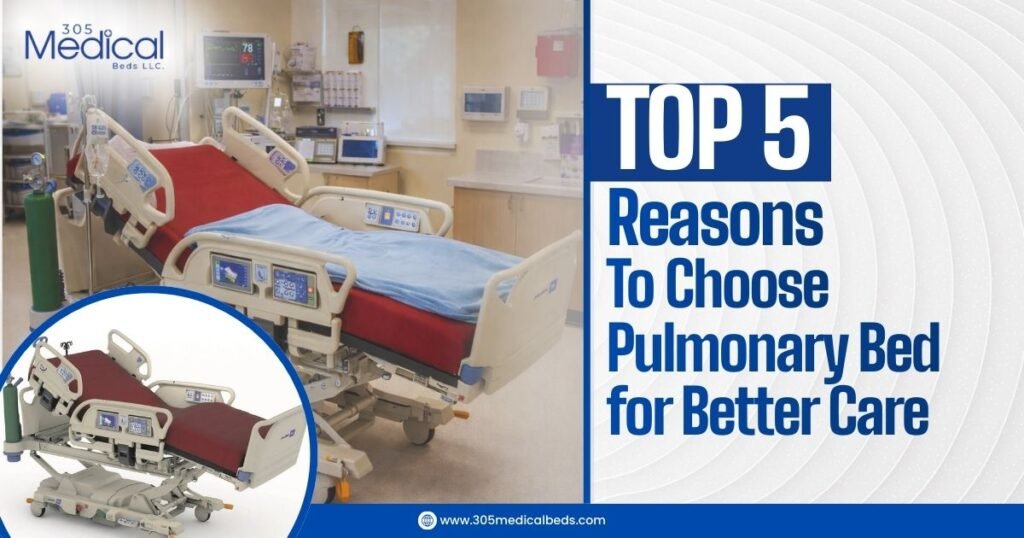
Top 5 Reasons to choose pulmonary bed for better care
Progressa Pulmonary Beds, Uncategorized

Top 5 Reasons to Choose Pulmonary Bed for Better Care

Quick Review If you’re looking for a solution to improve respiratory care, comfort, and long-term recovery for patients with lung conditions, pulmonary bed is an essential investment. They are specifically designed to support breathing, prevent complications, and ensure safety for patients with COPD, asthma, or other respiratory challenges. In this article, you’ll learn: This guide will help you make an informed decision and ensure your patients or loved ones receive the care they deserve. What Are Pulmonary Beds? A pulmonary bed is a specialized medical bed designed for patients with respiratory conditions. Unlike standard hospital beds, pulmonary beds provide adjustable positions, enhanced lung support, and comfort features that help patients breathe more easily. 1. Enhanced Respiratory Support The primary benefit of pulmonary beds is enhanced respiratory support. How it helps: Why it matters: Proper positioning reduces shortness of breath, prevents complications, and accelerates recovery. 2. Improved Comfort and Pain Management Pulmonary beds are designed to maximize patient comfort and minimize pain. Comfort Features Include: Why it matters: Comfortable patients sleep better, experience less stress, and recover faster. 3. Advanced Adjustable Features Modern pulmonary beds come with multiple adjustable features for both patients and caregivers. Key Adjustable Features: Why it matters: Adjustable beds improve independence, safety, and ease of care, making them suitable for hospitals and home care settings. 4. Infection Control and Hygiene Patients with lung conditions are highly vulnerable to infections. Pulmonary beds are designed for easy cleaning and hygiene maintenance. Hygiene Features Include: Why it matters: Maintaining hygiene reduces infection risks, especially for patients with chronic respiratory diseases. 5. Support for Long-Term Recovery Pulmonary beds are an investment in long-term patient health. Long-Term Benefits: Why it matters: Consistent care with a pulmonary bed ensures a higher quality of life during recovery. Conclusion Investing in a pulmonary bed means investing in better respiratory health, comfort, and long-term recovery. From enhanced breathing support to adjustable features and infection control, these beds are essential for patients with lung conditions. For high-quality pulmonary beds, check out 305 Medical Beds for trusted options designed for hospitals, home care, and long-term recovery. FAQs Q1: How does a pulmonary bed help COPD patients? A: It supports semi-upright positions that improve lung expansion, reduce strain, and help manage shortness of breath. Q2: Can pulmonary beds be used at home? A: Yes, many models are designed for home care with adjustable positions, safety features, and ease of use. Q3: What features should I look for in a pulmonary bed? A: Key features include adjustable head and foot positions, pressure-relief mattress, safety rails, and infection-resistant surfaces.

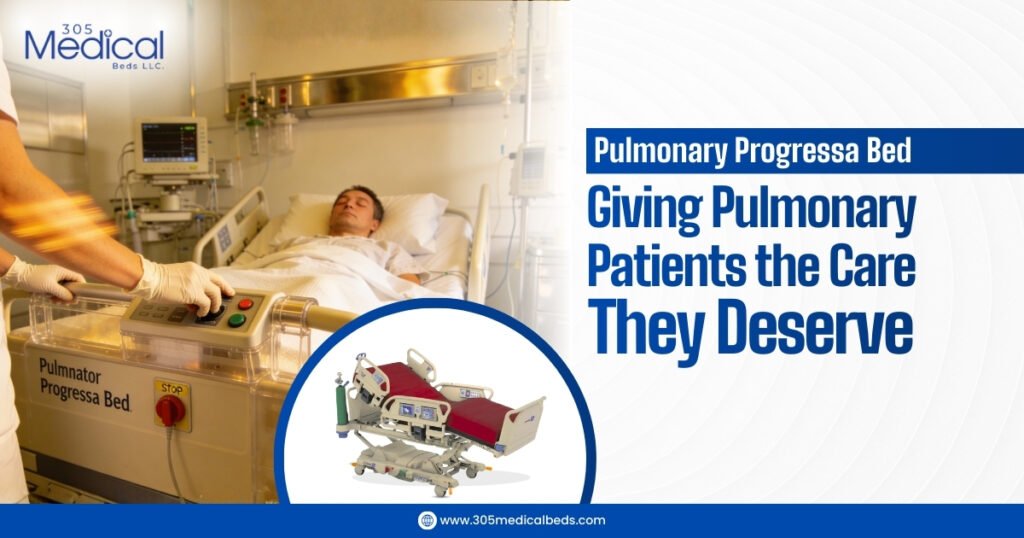
Pulmonary Progressa bed providing advanced respiratory care for hospital patients
Progressa Pulmonary Beds, Uncategorized

Pulmonary Progressa Bed: Giving Pulmonary Patients the Care They Deserve

Caring for patients with pulmonary conditions requires specialised equipment that supports respiratory function, reduces complications, and enhances overall comfort. One of the most advanced solutions in critical care is the Pulmonary Progressa Bed. Designed with pulmonary patients in mind, this bed integrates cutting-edge technology and ergonomic features to provide personalised care and improve recovery outcomes. In this blog, we’ll explore what makes the Pulmonary Progressa Bed unique, its key features, benefits, and why it is essential for pulmonary patient care. What is the Pulmonary Progress Bed? The Pulmonary Progress Bed is a medical bed specifically designed for patients with respiratory challenges, such as COPD, asthma, pulmonary fibrosis, or post-surgery pulmonary complications. Unlike standard hospital beds, the Pulmonary Progressa Bed offers advanced positioning and therapeutic support that helps improve lung function, reduce respiratory strain, and minimise the risk of complications. This bed is particularly beneficial in critical care units (ICUs), pulmonary rehabilitation centres, and home care settings for patients who require continuous respiratory support. Benefits of Pulmonary Progressa Beds 1. Improved Respiratory Function Proper positioning and support can significantly improve lung expansion and oxygenation. By elevating the patient and adjusting their posture throughout the day, pulmonary beds reduce strain on the respiratory system and support recovery. 2. Reduced Risk of Complications Patients with pulmonary conditions are at higher risk for pneumonia, atelectasis, and pressure sores. Automated repositioning and therapeutic surfaces help mitigate these risks, keeping patients healthier and more comfortable. 3. Enhanced Patient Comfort The Pulmonary Progress Bed is designed with comfort in mind, reducing discomfort associated with prolonged bed rest. Features like adjustable headrests and pressure-relieving surfaces provide a better patient experience. 4. Efficient Caregiver Support Adjustable height and positioning make it easier for caregivers to manage pulmonary patients safely and efficiently. Less physical strain for caregivers translates to better overall care and lower risk of injury. Pulmonary Progressa Bed vs Standard Hospital Bed Feature Pulmonary Progressa Bed Standard Hospital Bed Positioning Options Advanced multi-angle positioning for respiratory support Basic head/foot adjustments Repositioning Automated lateral tilt and movement Manual only Therapeutic Surfaces Pressure-relief, anti-decubitus mattresses Standard mattress Patient Monitoring Optional integrated sensors for posture and breathing None Caregiver Efficiency Adjustable height and controls for easier care Limited adjustability As shown above, the Pulmonary Progress Bed provides significantly more benefits for pulmonary patients compared to standard hospital beds, improving patient outcomes and caregiver efficiency. Why Every Facility Should Consider Pulmonary Progressa Beds For hospitals, rehabilitation centres, and home care settings, the Pulmonary Progress Bed is an indispensable tool in pulmonary patient care. Its advanced features help: Investing in Pulmonary Progressa Beds is a step toward providing high-quality, patient-centred care, particularly for those with chronic or critical pulmonary needs. Conclusion The Pulmonary Progressa Bed is more than just a hospital bed—it is a comprehensive solution designed to meet the unique needs of pulmonary patients. By offering advanced positioning, therapeutic surfaces, automated repositioning, and caregiver-friendly features, this bed ensures that pulmonary patients receive the care they truly deserve. Facilities that prioritise patient safety, comfort, and recovery outcomes should consider adding Pulmonary Progressa Beds to their critical care and pulmonary care arsenal. After all, the right bed is not just equipment—it’s a lifeline for patients in need of specialised respiratory support.

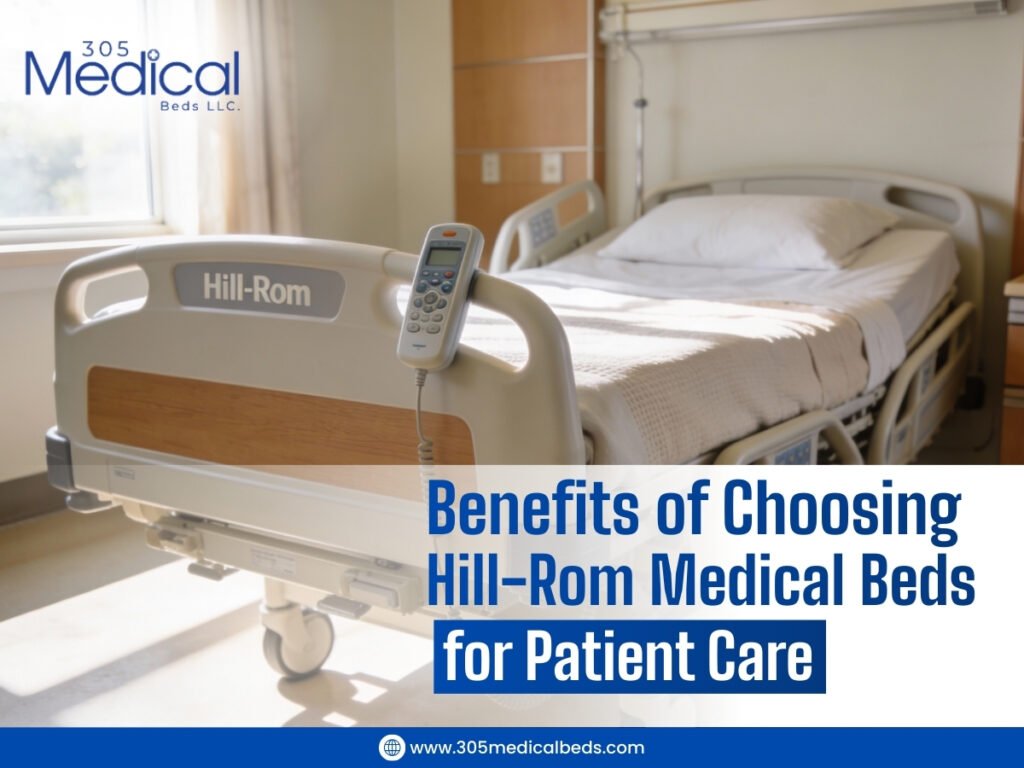
Benefits of Choosing Hill Rom Medical Beds for Patient Care
Hill Rom Beds, Uncategorized

Benefits of Choosing Hill-Rom Medical Beds for Patient Care

When someone is recovering from illness or managing long-term health conditions, the bed they rest on becomes more than just furniture—it becomes part of their healing process. Hill-Rom medical beds are designed with this exact understanding in mind. They support patient comfort, enhance safety, and make caregiving more efficient, whether in hospitals, rehabilitation centres, or home healthcare environments. Healthcare providers across the U.S. rely on Hill-Rom beds for hospitals and clinics because of their proven reliability, safety standards, and ability to support high-acuity patient care environments. Why Are Hill-Rom Medical Beds So Popular? Hill-Rom medical beds are advanced healthcare beds designed to improve patient comfort, safety, mobility, and recovery while reducing physical strain on caregivers through smart, ergonomic features. This balance between patient care and caregiver support is what sets Hill-Rom apart. What Are Hill-Rom Medical Beds? Hill-Rom medical beds are professional-grade hospital and home-care beds engineered to support patients with varying medical needs. They are widely used in: These beds are known for durability, advanced positioning, pressure injury prevention, and integrated safety systems that help improve patient outcomes. 1. Superior Patient Comfort for Better Healing Comfort directly affects recovery speed and emotional well-being. Hill-Rom medical beds are designed to adapt to the patient—not the other way around. Comfort Benefits Include: By allowing patients to reposition easily, Hill-Rom TotalCare beds offer advanced positioning and pressure-management features that help minimise pain, stiffness, and restlessness—especially for patients confined to bed for long periods. 2. Enhanced Patient Safety and Fall Prevention Patient safety is a critical concern in hospitals, nursing homes, and home care. Hill-Rom medical beds include multiple features specifically designed to reduce fall risks and injuries. Safety-Focused Features: These features are especially valuable for elderly patients, post-surgical recovery, and individuals with limited mobility. 3. Effective Pressure Injury Prevention Pressure injuries are a serious issue in patient care. Hill-Rom medical beds are designed to help reduce this risk through intelligent pressure redistribution. Pressure Management Advantages: These features make Hill-Rom beds ideal for ICU patients, long-term care residents, and patients with limited movement. 4. Encourages Mobility and Faster Recovery Early and safe movement plays a major role in recovery. Hill-Rom medical beds support patient mobility while maintaining safety. Mobility-Support Features: Patients who can move safely tend to recover faster and experience fewer complications. 5. Designed to Reduce Caregiver Strain Caregivers face physical demands every day. Hill-Rom medical beds help reduce injury risk and improve efficiency. Caregiver Benefits: These features are especially valuable in busy hospital settings and home care environments where caregiver support may be limited. 6. Smart Technology for Proactive Care Modern healthcare relies on technology, and Hill-Rom medical beds integrate smart systems that enhance monitoring and safety. Smart Features May Include: These features allow caregivers to respond proactively rather than reactively. 7. Ideal for Home Healthcare Settings Hill-Rom medical beds are increasingly used in home care due to their adaptability and ease of use. Why They Work Well at Home: For families managing care at home, Hill-Rom beds for home recovery provide hospital-grade support while maintaining patient comfort, independence, and dignity in a familiar environment. 8. Built for Long-Term Durability Healthcare equipment must perform reliably under constant use. Hill-Rom medical beds are built with high-quality materials and tested for long-term performance. Durability Highlights: This durability makes Hill-Rom beds a cost-effective investment for facilities and families alike. 9. Cost-Effective Option with Refurbished Hill-Rom Medical Beds Before buying a refurbished Hill-Rom bed, it’s important to understand key factors such as inspection standards, warranty coverage, and overall bed condition to ensure long-term reliability and patient safety. Benefits of Refurbished Options: 10. Trusted by Healthcare Providers Worldwide Hill-Rom medical beds are used by hospitals and healthcare facilities across major regions, including the U.S., because of their proven performance and safety standards. Why Providers Trust Hill-Rom: Who Should Choose Hill-Rom Medical Beds? Hill-Rom medical beds are ideal for: A Smarter Choice for Patient-Centred Car The benefits of choosing Hill-Rom medical beds for patient care go beyond comfort. These beds improve safety, encourage mobility, support caregivers, and enhance recovery outcomes. Whether in hospitals, rehabilitation centres, or home healthcare settings, Hill-Rom medical beds deliver reliable, patient-focused solutions that truly make a difference. For anyone seeking trusted, durable, and advanced medical beds, Hill-Rom remains one of the most dependable choices in modern healthcare. Frequently Asked Questions Q1: Are Hill-Rom medical beds good for home care? Yes, Hill-Rom medical beds are widely used in home healthcare because they combine hospital-grade features with easy operation and patient comfort. Q2: Why do hospitals prefer Hill-Rom medical beds? Hospitals choose Hill-Rom beds for their safety features, durability, pressure injury prevention, and caregiver support. Q3: Are refurbished Hill-Rom medical beds reliable? Professionally refurbished Hill-Rom medical beds are tested, inspected, and restored to ensure reliable performance at a lower cost. Q4: Do Hill-Rom beds help prevent pressure ulcers? Yes, their design supports pressure redistribution and works with advanced mattresses to reduce pressure injury risk. Q5: Can Hill-Rom medical beds support long-term patients? Absolutely. They are designed for continuous use in long-term and critical care environments.

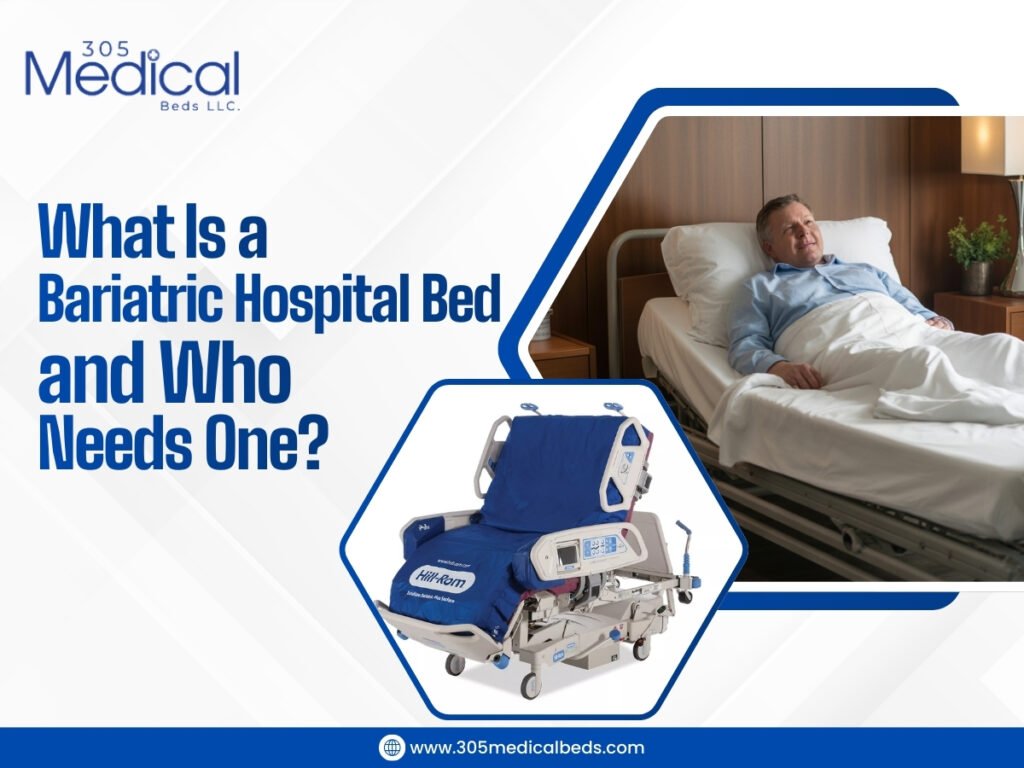
What Is a Bariatric Hospital Bed and Who Need One
Bariatric Beds, Uncategorized

What is a Bariatric Hospital Bed and Who Needs One?

When medical care requires more than standard equipment, choosing the right hospital bed becomes critical. A bariatric hospital bed is specifically designed to support patients with higher body weight, limited mobility, and complex medical needs—while maintaining comfort, dignity, and safety. Whether used in hospitals, long-term care facilities, or home healthcare settings, bariatric beds play a vital role in improving patient outcomes and protecting caregivers. Their impact on bariatric bed recovery and mobility support makes them an essential part of modern patient care. What Is a Bariatric Hospital Bed? A bariatric hospital bed is a specialized medical bed engineered to accommodate patients who exceed the weight and size limits of traditional hospital beds. These beds are built with reinforced frames, wider sleep surfaces, and powerful motors to ensure safe positioning and long-term durability. The importance of bariatric beds for heavier patients becomes evident when standard beds fail to provide adequate stability, safety, and long-term performance. Key Characteristics of Bariatric Hospital Beds: Unlike standard beds, bariatric hospital beds are designed to reduce risk, improve comfort, and support complex care needs. How Is a Bariatric Hospital Bed Different from a Standard Hospital Bed? Understanding the difference helps caregivers and facilities make informed decisions. Bariatric vs. Standard Hospital Bed Bariatric Hospital Bed Standard Hospital Bed For patients who exceed standard limits, using a regular hospital bed can lead to discomfort, equipment failure, and safety risks. Who Needs a Bariatric Hospital Bed? A bariatric hospital bed is not only about weight—it’s about safety, comfort, and proper medical support. Proper bariatric bed selection for larger patients ensures both patient dignity and caregiver safety. 1. Patients with Higher Body Weight Patients whose weight exceeds the safe working load of standard hospital beds require bariatric beds to prevent: A bariatric hospital bed ensures stability and reliable performance under continuous use. 2. Patients with Limited Mobility Patients who have difficulty repositioning, standing, or transferring benefit greatly from bariatric beds. These beds: 3. Long-Term Care and Chronic Condition Patients Patients receiving long-term care often require specialized beds that can withstand daily use while maintaining comfort. A bariatric hospital bed is ideal for: 4. Post-Surgical and Rehabilitation Patients After surgery—especially orthopedic or weight-related procedures—patients benefit from advanced bariatric ICU bed support that helps maintain stability and safe repositioning during recovery. Bariatric hospital beds help support recovery while minimizing complications. 5. Home Healthcare Patients Bariatric hospital beds are increasingly used in home settings, providing hospital-grade care in a familiar environment. They are suitable for: Key Benefits of a Bariatric Hospital Bed Enhanced Patient Comfort A strong focus on bariatric patient comfort in ICU and long-term care beds plays a major role in improving rest quality and reducing pressure-related complications. Improved Safety Better Caregiver Support Long-Term Durability In critical care environments, bariatric ICU bed support for critical care patients plays an important role in maintaining stability, safety, and continuous patient monitoring. Important Features to Look for in a Bariatric Hospital Bed When selecting a bariatric hospital bed, these features are essential: Modern designs highlighted in advanced bariatric bed technology and design combine safety, comfort, and caregiver efficiency. Are Bariatric Hospital Beds Only for Obese Patients? No. While commonly associated with obesity, bariatric hospital beds are also used for patients who need: The focus is proper support, not labeling. Are Refurbished Bariatric Hospital Beds a Suitable Option? Many healthcare providers choose refurbished solutions based on bariatric patient care efficiency and safety benefits. Benefits of Refurbished Bariatric Beds: They are ideal for healthcare facilities and home caregivers looking for quality within a budget. When Should You Consider a Bariatric Hospital Bed? You should consider a bariatric hospital bed if: Choosing the Right Bed Makes a Real Difference Understanding what a bariatric hospital bed is and who needs one is essential for providing safe, effective, and dignified care. These specialized beds offer superior strength, comfort, and safety for patients who require more support than standard hospital beds can provide. Whether used in hospitals, long-term care facilities, or home healthcare environments, bariatric hospital beds play a critical role in improving patient outcomes and protecting caregivers—making them a smart, responsible choice in modern healthcare. Frequently Asked Questions What weight capacity does a bariatric hospital bed support? Most bariatric hospital beds support between 600 and 1,000+ pounds, depending on the model. Can bariatric hospital beds be used at home? Yes, many bariatric hospital beds are designed for home healthcare use with simple controls and safe operation. Do bariatric hospital beds prevent pressure sores? Yes, especially when paired with bariatric mattresses, they help redistribute weight and reduce pressure injury risk. Are bariatric beds wider than standard hospital beds? Yes, bariatric beds offer a wider sleeping surface for improved comfort and stability. Is a bariatric hospital bed necessary for short-term care? If safety, comfort, or weight capacity is a concern—even short-term—using a bariatric hospital bed is strongly recommended.

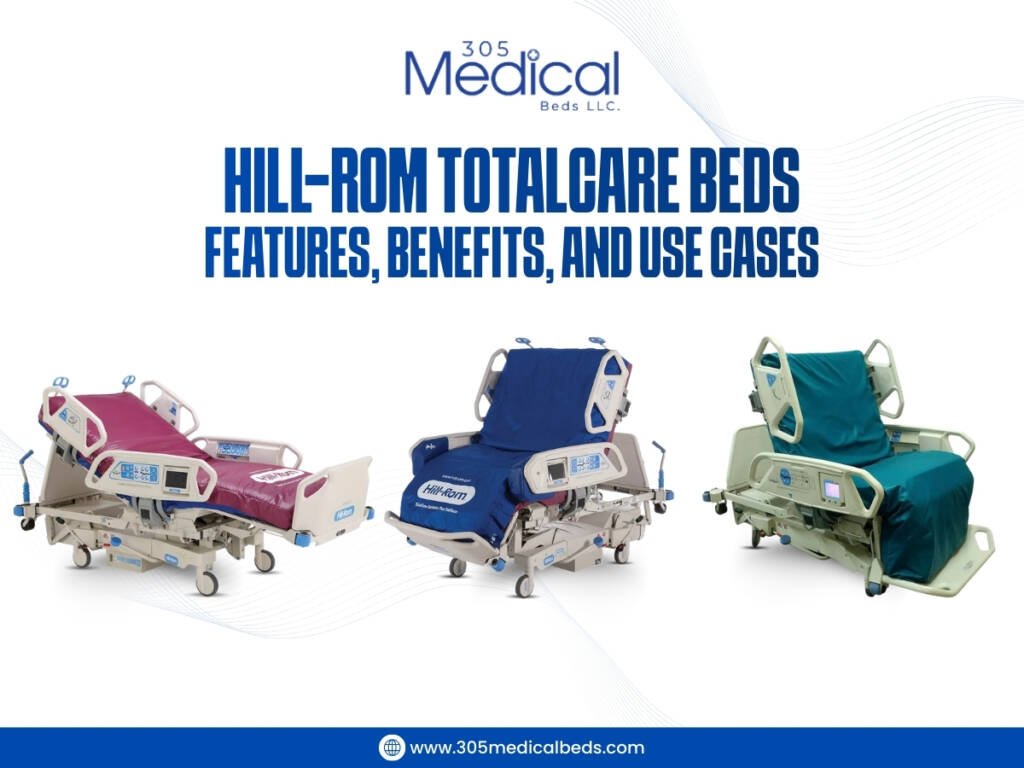
Hill Rom Totalcare Beds Features, Benefits and Use Cases
Hill Rom Beds, Uncategorized

Hill-Rom TotalCare Beds: Features, Benefits, and Use Cases

Caring for someone who spends most of their time in bed is not easy. Small tasks—like turning, sitting up, or transferring—can quickly become exhausting, stressful, and risky for both the patient and caregiver. That’s exactly why Hill-Rom TotalCare Beds were created. They aren’t “just hospital beds.”They’re advanced care systems designed to: They aren’t just standard hospital beds. They are advanced care systems designed to improve comfort, reduce complications, support mobility, and make caregiving safer and more efficient. To fully understand their value, it also helps to look at the broader benefits of Hill-Rom medical beds, which form the foundation of Hill-Rom’s patient-centered design philosophy. Below, we’ll dive deep into features, benefits, real-world use cases, and smart buying considerations—so you can confidently decide if a Hill-Rom TotalCare Bed is right for your needs. What Makes Hill-Rom TotalCare Beds Different? Hill-Rom TotalCare Beds are engineered for complex care environments such as hospitals, rehab centers, and advanced home care. They stand out because they combine: Patients benefit—and caregivers avoid unnecessary lifting, strain, and risk. Because of this reliability, Hill-Rom beds for hospitals and clinics are widely trusted in high-acuity environments where patient safety and clinical performance are critical. To understand more about hospital bed safety, healthcare organizations like the FDA provide useful guidelines. Key Features of Hill-Rom TotalCare Beds Advanced Positioning and Repositioning These beds allow smooth transitions into: This helps with: ✔ breathing✔ digestion✔ comfort✔ therapy positioning Pressure Injury Protection The support surfaces help: Critical for long-term bed-bound patients. Mobility Assistance and Fall Prevention Hill-Rom TotalCare Beds often include: Less risk. More independence. Built-In Safety Systems Designed for clinical reliability: Peace of mind for both families and professionals. Caregiver-Friendly Controls Caregivers benefit too: Safer care → fewer caregiver injuries. Benefits of Hill-Rom TotalCare Beds ✔ Greater Patient comfort.Better positioning = better sleep, less pain, and faster recovery. ✔ Reduced Falls and injuries.Lower transfer risk—especially for seniors. ✔ Improved Breathing & CirculationElevated positions help respiratory support and swelling. ✔ Professional Care at home.Families can provide safer, hospital-level care without moving loved ones unnecessarily. For many patients transitioning out of clinical settings, Hill-Rom beds for home recovery provide the ideal balance of medical support and everyday comfort. Real-World Use Cases When Should You Consider a Hill-Rom TotalCare Bed? A TotalCare bed may be ideal if the patient: Buying Guide: What to Look For For budget-conscious buyers, buying a refurbished Hill-Rom bed can be a smart option when inspection standards, warranties, and supplier credibility are carefully evaluated. Final Thoughts For many people, Hill-Rom TotalCare Beds are life-changing. They deliver: ✔ more comfort✔ fewer complications✔ safer mobility✔ easier caregiving✔ peace of mind If you’re comparing options or upgrading equipment, they’re absolutely worth serious consideration. About 305 Medical Beds For years, we’ve helped caregivers, families, hospitals, and rehab centers choose the right medical beds based on real-world needs—not guesswork. We ship across the U.S. and support customers throughout Florida and neighboring regions. If you’re unsure what you need, we’ll guide you. Frequently Asked Questions Q1: Are Hill-Rom TotalCare Beds safe for home use? Yes—when installed correctly, they provide hospital-grade safety at home. Q2: Do Hill-Rom beds help prevent bedsores? Yes. Pressure-relief surfaces reduce friction and pressure buildup. Q3: Are refurbished Hill-Rom TotalCare Beds reliable? When purchased from reputable suppliers, refurbished models can be cost-effective and dependable. Q4: What is the weight capacity of Hill-Rom TotalCare Beds? Capacity varies by model—always confirm specifications when purchasing.

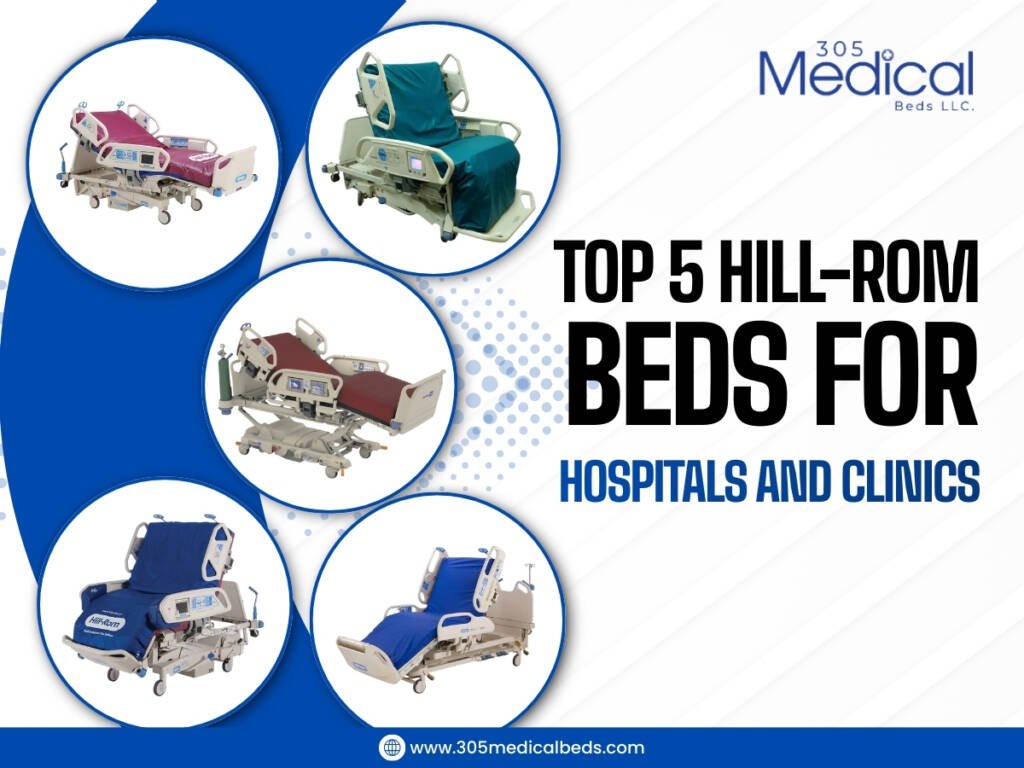
Top 5 Hill Rom Beds for Hospitals and Clinics
Hill Rom Beds, Uncategorized

Top 5 Hill-Rom Beds for Hospitals and Clinics

In hospitals and clinics, patient care doesn’t begin with medication or machines—it begins with the bed. From intensive care units to general wards, the right hospital bed plays a critical role in patient comfort, safety, and recovery. Hill-Rom beds for hospitals and clinics are trusted worldwide for their innovation, durability, and clinical performance. Designed with both patients and caregivers in mind, Hill-Rom hospital beds help reduce complications, improve workflow efficiency, and support better health outcomes. To understand why healthcare facilities rely on this brand, it’s helpful to review the broader benefits of Hill-Rom medical beds, which form the foundation of Hill-Rom’s clinical design approach. In this guide, we’ll explore the top 5 Hill-Rom beds widely used across ICUs and hospital departments, focusing on real-world use cases, key features, and which bed is best for specific care needs. Why Choose Hill-Rom Beds for Hospitals and Clinics? Hill-Rom is a globally recognized healthcare brand known for advanced patient support systems. Hospitals and Clinics choose Hill-Rom beds because of their features like: These beds are commonly used in: Many of these same systems are also adapted for post-discharge care, which is why Hill-Rom beds for home recovery have become an increasingly popular option for patients transitioning out of hospital settings. 1. Hill-Rom TotalCare SpO₂rt ICU Bed Best Hill-Rom Bed for Critical Care & ICU Monitoring The Hill-Rom TotalCare SpO₂rt ICU Bed is specifically engineered for high-acuity patients who require constant monitoring and advanced support. It integrates clinical technology directly into the bed to reduce dependency on external devices. 2. Hill-Rom TotalCare Bariatric Plus ICU Bed Best Hill-Rom Bed for Bariatric ICU Patients The Hill-Rom TotalCare Bariatric Plus ICU Bed is designed to safely support bariatric patients without compromising comfort or caregiver safety. Its reinforced design ensures stability while maintaining advanced care features. 3. Hill-Rom Progressa 7500 Pulmonary ICU Bed Best Hill-Rom Bed for Pulmonary & Respiratory Care The Hill-Rom Progressa 7500 Pulmonary ICU Bed is purpose-built for patients with respiratory conditions. It supports pulmonary therapy while helping clinicians manage ventilation and positioning more effectively. 4. Hill-Rom Total Care P1900 Hospital Bed Best Hill-Rom Bed for General Hospital Wards The Hill-Rom Total Care P1900 Hospital Bed is a dependable solution for everyday patient care. It balances simplicity, comfort, and durability, making it suitable for a wide range of clinical settings. 5. Hill-Rom VersaCare Bed Best All-Purpose Hill-Rom Bed for Hospitals and Clinics The Hill-Rom VersaCare Bed is one of the most versatile patient beds available. It adapts to different levels of care, making it a cost-effective and flexible choice for hospitals. Comparison: Best Hill-Rom Beds by Use Case Use Case Recommended Hill-Rom Bed ICU Monitoring TotalCare SpO₂rt ICU Bed Bariatric Care TotalCare Bariatric Plus ICU Bed Pulmonary Care Progressa 7500 Pulmonary ICU Bed General Hospital Use Total Care P1900 Hospital Bed Multi-Department Use VersaCare Bed How to Choose the Right Hill-Rom Bed for Your Facility When selecting Hill-Rom beds for hospitals and clinics, consider: Facilities exploring cost-saving options should also understand key factors involved in buying a refurbished Hill-Rom bed, such as inspection standards, warranty coverage, and supplier reliability. Conclusion Choosing the right hospital bed is a critical investment in patient safety, caregiver efficiency, and clinical outcomes. These Hill-Rom beds for hospitals and clinics offer reliable solutions for ICU care, bariatric support, pulmonary treatment, and general patient recovery. By aligning your facility’s needs with the right Hill-Rom model, you can deliver better care while optimizing hospital operations. Frequently Asked Questions Q1: Which Hill-Rom bed is best for ICU patients? The Hill-Rom TotalCare SpO₂rt ICU Bed is ideal for ICU patients due to its integrated monitoring and advanced pressure redistribution. Q2: Are Hill-Rom beds suitable for bariatric care? Yes, the Hill-Rom TotalCare Bariatric Plus ICU Bed is specifically designed to support bariatric patients safely and comfortably. Q3: What makes Hill-Rom hospital beds different from others? Hill-Rom beds combine clinical technology, patient safety, and ergonomic design, making them a trusted choice for hospitals worldwide.

How Bariatric Beds Improve Patient Recovery and Mobility
Bariatric Beds, Uncategorized

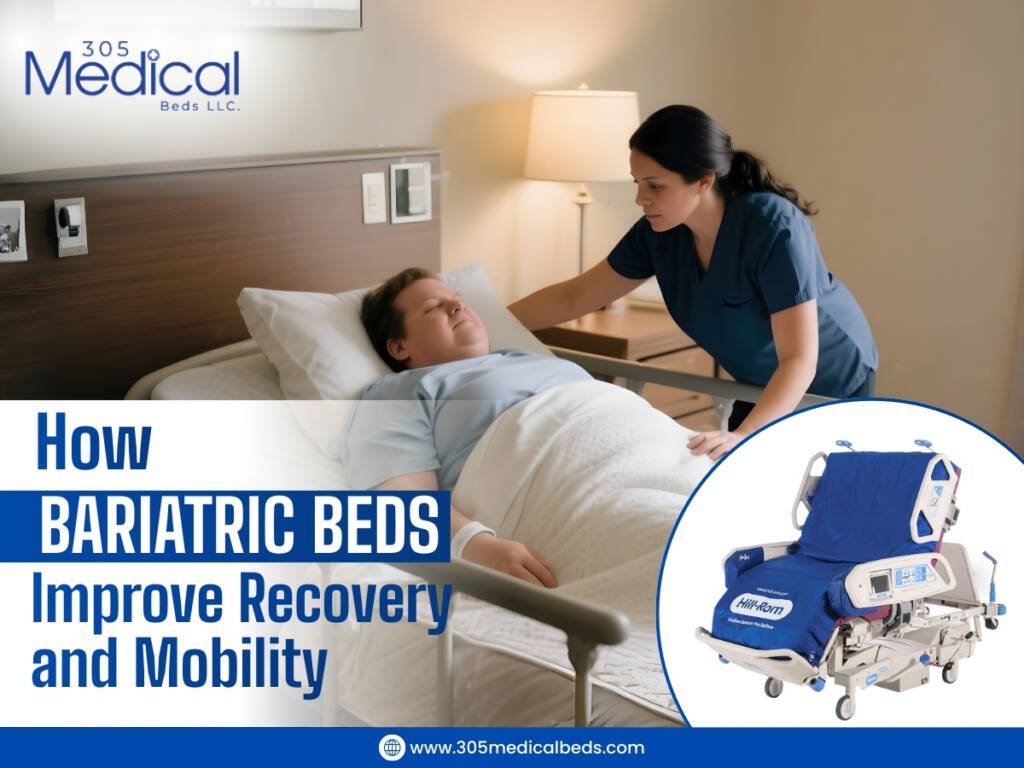
How Bariatric Beds Improve Recovery and Mobility

Recovery should feel supportive—not stressful. For bariatric patients, the journey toward healing and better movement often comes with added physical challenges, from joint pressure to limited mobility. A standard bed may not offer the stability, comfort, or safety needed during this process. That’s where bariatric beds‘ recovery and mobility support truly makes a difference. Designed specifically for higher weight capacities and wider body dimensions, bariatric beds help patients heal comfortably while encouraging safer movement. Their role in the importance of bariatric beds for heavier patients highlights why specialized equipment is essential for positive recovery outcomes In this guide, you’ll learn how bariatric beds improve recovery and mobility, what features matter most, and why choosing the right bed can significantly impact patient outcomes. What Is a Bariatric Bed? A bariatric bed is a specialised medical bed engineered to support individuals with higher body weight and broader frames. Unlike standard hospital beds, bariatric beds are built with reinforced materials and advanced adjustability to ensure safety, comfort, and durability. Key characteristics include: Modern designs discussed in advanced bariatric bed construction and performance demonstrate how these beds are built to support both healing and mobility. If you want a deeper understanding, learn what is a bariatric hospital bed and how it differs from standard hospital beds. Why Recovery and Mobility Are More Challenging for Bariatric Patients Bariatric patients often face unique physical barriers during recovery, such as: Without proper support, these challenges can slow healing and reduce independence. Bariatric beds, recovery, and mobility solutions are designed to address these issues directly. How Bariatric Beds Improve Recovery 1. Superior Comfort That Promotes Healing Comfort is not a luxury—it’s a critical part of recovery. Bariatric beds provide: A strong emphasis on exceptional comfort for bariatric patients in medical beds helps improve sleep quality, pain management, and overall healing. 2. Reduced Risk of Pressure Injuries Pressure injuries are a serious concern during extended bed rest. Bariatric beds help prevent them by: By reducing skin breakdown, bariatric beds contribute to safer and more effective recovery. 3. Advanced Positioning for Better Recovery Outcomes Electric adjustability allows patients and caregivers to customise positioning, including: Advanced positioning systems commonly found in bariatric ICU bed solutions for critical care support both recovery and clinical monitoring. How Bariatric Beds Improve Mobility 4. Safer Transfers In and Out of Bed One of the biggest mobility milestones is safely getting in and out of bed. Bariatric beds improve this by: In clinical environments, bariatric ICU bed support for patient transfers plays an important role in mobility safety. 5. Encouraging Independent Movement Independence plays a key role in mobility recovery. Bariatric beds support this by offering: Patients who move independently tend to regain strength and confidence faster. 6. Supporting Caregiver-Assisted Mobility For patients who require assistance, bariatric beds help protect caregivers by: Features highlighted in bariatric patient care efficiency and safety design help create safer caregiving environments. Key Bariatric Bed Features That Enhance Recovery and Mobility Heavy-Duty Weight Capacity Built with reinforced frames and motors, bariatric beds provide stable, reliable support without compromising safety. Extra-Wide Sleep Surface A wider bed allows: This directly improves both recovery and mobility confidence. Full Electric Adjustability Electric controls allow patients or caregivers to easily adjust bed position, encouraging regular  movement and proper positioning. Supportive Bed Rails Optional or integrated rails provide: These features significantly improve mobility safety. Bariatric Beds in Home Care vs. Medical Facilities Home Care Recovery Benefits In a home environment, bariatric beds: They turn home recovery into a safer, more dignified experience. Hospital and Rehabilitation Use In clinical settings, bariatric beds: Early and safe movement is proven to shorten recovery timelines. How to Choose the Right Bariatric Bed for Recovery and Mobility When selecting a bariatric bed, consider: Following bariatric bed selection guidance for larger patients helps ensure the best match for recovery and mobility needs. Why Bariatric Beds Are a Long-Term Investment in Health Beyond recovery, bariatric beds support: For both short-term healing and long-term care, bariatric beds provide unmatched value. Final Thoughts Bariatric beds, recovery, and mobility solutions are essential for patients who need safe, comfortable, and supportive care. From reducing pressure injuries to encouraging independent movement, these beds directly impact healing speed and overall well-being. Whether for home care or clinical use, investing in the right bariatric bed means safer movement, faster recovery, and greater independence. Explore our range of bariatric beds designed to support recovery and mobility at 305medicalbeds.com.

Choosing the right hill-rom bed for home recovery
Hill Rom Beds, Uncategorized

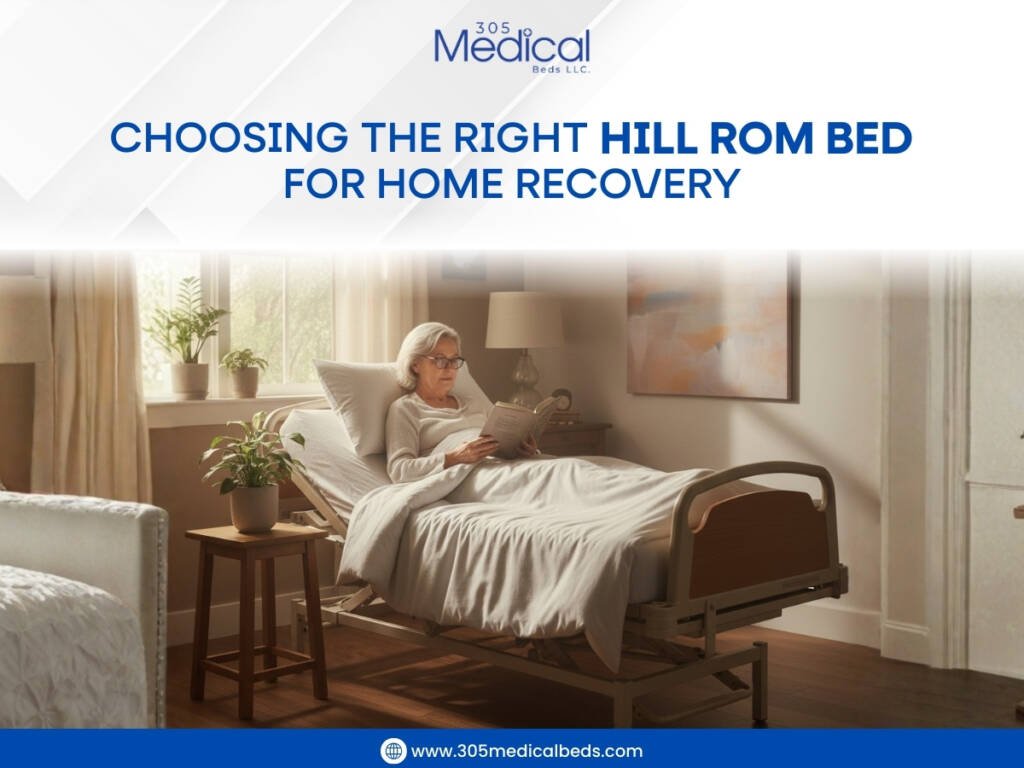
Choosing the Right Hill Rom Bed for Home Recovery

Recovering from surgery or a serious injury can be challenging, especially when you are at home and need a bed that offers more than just a place to sleep. Hill-Rom beds have long been a trusted choice in hospitals, but did you know they are also an excellent option for home recovery? With adjustable features, pressure relief technology, and enhanced safety, a Hill-Rom bed could be the key to ensuring a smoother, more comfortable recovery at home. Many of these recovery advantages align closely with the benefits of Hill-Rom medical beds, which are designed specifically to support healing, comfort, and patient safety across care environments. In this guide, we’ll walk you through the essential features of a Hill-Rom bed, why it’s an ideal choice for recovery, and how to choose the best model for your needs. What is a Hill Rom Bed? A Hill Rom bed is a medical bed designed with various features to aid in recovery, especially for patients who need specialized care after surgery or during prolonged illness. These beds are equipped with functions like adjustable head, foot, and height positioning, pressure-relieving mattresses, and safety mechanisms to enhance patient comfort and recovery. Many advanced recovery features found in home-use models are derived from systems such as the Hill-Rom TotalCare bed features, which are widely used in clinical settings for high-acuity care. Why Choose a Hill Rom Bed for Home Recovery? If you’re recovering at home, having the right bed can make all the difference. Here are some reasons why a Hill-Rom bed could be a great investment: These same design principles are why Hill-Rom beds for hospitals and clinics are widely trusted by healthcare professionals, while still being highly effective for home recovery use. Key Features to Look for in a Hill-Rom Bed for Home Recovery When selecting a Hill-Rom bed for home recovery, several features need to be carefully considered to ensure that the bed suits your or the patient’s needs. Below are the key features you should look for: 1. Adjustability One of the most important aspects of a Hill-Rom bed is its adjustability. Look for models that allow you to adjust: 2. Pressure Relief Mattresses Pressure sores (bedsores) are a major concern for patients who spend long periods in bed. To address this, Hill-Rom beds come equipped with pressure-relieving mattresses. These mattresses redistribute the patient’s weight, relieving pressure from vulnerable areas like the back, hips, and heels. Options include: 3. Size and Weight Capacity Before purchasing a Hill-Rom bed, check both the size and weight capacity to ensure it fits the patient’s needs: 4. Control and Ease of Use Hill-Rom beds are often equipped with electric controls that make adjusting the bed’s position quick and easy. Some models even feature remote controls, allowing patients to change their position without help. It’s essential to look for a model with easy-to-read controls and user-friendly interfaces. 5. Safety Features For added peace of mind, especially if the patient is at risk of falling out of bed, look for the following safety features: If you’re considering refurbished equipment, it’s critical to review key things to check before buying a refurbished Hill-Rom bed to ensure safety, warranty coverage, and performance reliability. How to Choose the Right Hill-Rom Bed for Home Recovery Here’s a step-by-step approach to help you choose the right Hill-Rom bed for home recovery: Step 1: Assess the Patient’s Specific Needs First, consider the patient’s medical condition and mobility: Step 2: Measure the Space Available Ensure that the bed will fit comfortably in the room. Measure the space and compare it to the bed’s dimensions. Bariatric models are generally wider and may require more space than standard beds. Step 3: Check for Warranty and Support Look for a reliable warranty and customer support. Hill-Rom offers various warranties, some extending up to 5 years, depending on the model. This is crucial for peace of mind and long-term care. Step 4: Consult a Healthcare Professional Before making a final decision, it’s a good idea to speak with a healthcare provider, such as a physical therapist or your doctor. They can offer expert advice on which Hill-Rom bed best fits your recovery plan. Benefits of a Hill-Rom Bed for Home Recovery Using a Hill-Rom bed for home recovery offers numerous advantages that go beyond comfort: Conclusion Choosing the right Hill-Rom bed for home recovery is an important decision that can significantly impact the patient’s comfort, safety, and healing process. With features like adjustable positioning, pressure-relieving mattresses, and robust safety features, Hill-Rom beds are designed to provide the best possible support during recovery. Whether you are caring for a loved one or preparing for your own recovery, investing in a Hill-Rom bed will provide the necessary support to help ensure a smooth and effective recovery journey. FAQs: 1. What are the benefits of a Hill-Rom bed for home recovery? Adjustability, pressure relief, and safety features all make Hill-Rom beds ideal for individuals recovering from surgery or illness at home. They help improve circulation, prevent bedsores, and offer comfort. 2. Can I adjust the height of a Hill-Rom bed? Yes, most Hill-Rom beds allow for height adjustability, which helps patients get in and out of bed more easily, as well as providing easier access for caregivers. 3. How much does a Hill-Rom bed cost? The price varies depending on the model, size, and features. Standard models typically start around $2,000, while bariatric or specialty models can cost significantly more. 4. How do I maintain a Hill-Rom bed? Regularly check the mattress for wear and ensure the bed’s controls and side rails are functioning properly. It’s also important to clean the bed according to the manufacturer’s instructions.

Blog Featured Image showing a bariatric patient lying on the
Bariatric Beds, Uncategorized

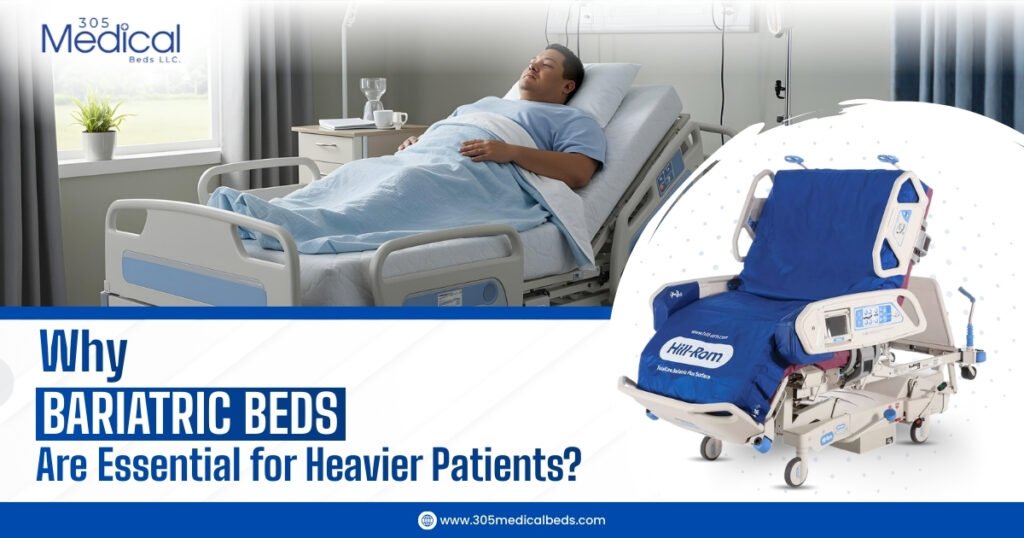
Why Bariatric Beds are Essential for Heavier Patients?

Patient comfort, safety, and proper medical support are critical elements in any healthcare environment. For overweight and obese patients, these needs become even more important due to increased pressure risk, mobility challenges, and the limitations of standard hospital beds. This is where bariatric beds improve recovery and mobility play a vital role. Bariatric hospital beds are specifically designed to accommodate higher weight capacities, provide wider sleeping surfaces, and enhance patient comfort and caregiver safety. In this updated guide, we explore why bariatric beds matter, their features and benefits, their types, and how choosing the right one can significantly improve patient outcomes. What Is a Bariatric Bed? A bariatric bed is a heavy-duty hospital bed engineered to support patients weighing 350-1,000 lbs or more, depending on the model. Unlike standard hospital beds, bariatric beds provide: These beds ensure a safe, comfortable, and medically supportive environment for heavier patients who are at greater risk of pressure sores, falls, and mobility challenges. Learn more about what is a bariatric hospital bed for a detailed explanation. Why Bariatric Beds Are Essential for Heavier Patients Traditional hospital beds often do not provide adequate stability or comfort for heavier individuals. Research shows that: A bariatric bed solves these issues by offering a stable platform, wider space, and improved weight distribution, reducing pressure points and preventing skin breakdown. This highlights the importance of bariatric beds for heavier patients in modern healthcare settings. Key Benefits for Patients ✔ Even weight distribution reduces pressure ulcers ✔ Wider space provides comfort and prevents falls ✔ Stronger frames enhance safety ✔ Specialized mattresses support heavy weights without sagging ✔ Adjustable positioning improves breathing, circulation, and healing For more details on exceptional comfort for bariatric patients in medical beds, check our dedicated guide. Key Features of Bariatric Beds 1. Increased Weight Capacity These beds are built to hold significantly higher weights, ensuring the patient rests securely. 2. Wider Frame for Comfort Extra width (usually 42–48 inches) gives obese patients adequate room, reducing friction and discomfort. 3. Electric Height & Position Adjustments Most bariatric beds include easy-to-use electric controls that allow: For an in-depth look at features, see bariatric bed guide for larger patients. 4. Pressure-Reducing Mattresses Bariatric mattresses redistribute weight evenly, preventing painful pressure ulcers. 5. Durable Steel Construction Heavy-gauge metal ensures stability, durability, and long-term performance. 6. Safety Rails & Mobility Assistance Rails and grab bars help patients move independently and prevent accidental falls. To understand how these features enhance healing, refer to bariatric beds improve recovery and mobility. How Bariatric Beds Support Healthcare Providers A bariatric bed is as beneficial to caregivers as it is to patients. Features such as electric height adjustment, wider access points, and sturdy support structures reduce the risk of caregiver injury while making repositioning and transfers easier. Benefits for caregivers include: Advanced solutions discussed in the ultimate guide to the Hill-Rom Bariatric Plus bed highlight caregiver safety and efficiency. How Bariatric Beds Improve Recovery & Rehabilitation Patient recovery depends heavily on comfort, mobility support, and proper sleep posture. Bariatric beds enable: Electric adjustability allows patients to sit upright, engage in therapy exercises, and reposition themselves without strain. Explore why the Hill-Rom TotalCare Bariatric Plus is ideal for bariatric patient care for advanced recovery solutions. Standard Hospital Beds vs Bariatric Hospital Beds Below is a quick comparison to highlight why bariatric beds are necessary: Feature Standard Hospital Bed Bariatric Hospital Bed Weight Capacity 250–350 lbs 500–1,000+ lbs Bed Width 36 inches 42–48 inches Mattress Type Standard foam Pressure-relief bariatric mattress Stability Moderate High stability for heavy weight Mobility Support Basic Advanced rails, support bars Caregiver Safety Lower Much higher Types of Bariatric Beds 1. Manual Bariatric Beds Budget-friendly but requires manual adjustment. Sturdy and reliable for basic needs. 2. Electric Bariatric Beds Most recommended for hospitals and home care due to: ✔ Electric height control ✔ Easy back/leg adjustment ✔ Smooth mobility ✔ Greater caregiver safety 3. Premium Bariatric Beds (Hill-Rom, Stryker, etc.) These beds come with: Factors to Consider When Choosing a Bariatric Bed When selecting the right bed, keep these factors in mind: Hill-Rom TotalCare P1840 Bariatric Plus If you need a reliable and high-performance bariatric hospital bed, the Hill-Rom TotalCare P1840 Bariatric Plus is one of the best options used in hospitals nationwide. Conclusion Bariatric beds are a vital component in delivering safe, comfortable, and effective care for overweight and obese patients. With specialized features such as enhanced weight capacity, wider frames, advanced support surfaces, and electric adjustments, they drastically improve patient outcomes and make caregiver tasks safer. Choosing the right bariatric bed—such as the Hill-Rom TotalCare P1840 Bariatric Plus—ensures both comfort and stability for patients who need extra support. Investing in the proper equipment not only improves recovery and safety but also elevates the overall quality of healthcare. Frequently Asked Questions 1. What weight can a bariatric bed support? Most models support 500–1,000 lbs, depending on the manufacturer and design. 2. Can bariatric hospital beds be used at home? Yes, especially electric models that are designed for home caregivers and long-term comfort. 3. Are bariatric beds covered by insurance? In many cases, yes—if medically necessary and prescribed by a doctor. 4. What mattress is used for a bariatric bed? A pressure-relieving bariatric mattress designed to distribute weight evenly and prevent skin damage. 5. Do bariatric beds help reduce bedsores? Absolutely. They reduce pressure points and friction, significantly lowering the risk.

305 Medical Beds LLC |  2739 W 79 St, Unit 15, Hialeah, Florida 33016 |  Phone: 1.305.562.7960
© Copyright 2012 – 2024 | All Rights Reserved.

You have been successfully Subscribed! Ops! Something went wrong, please try again.

About Us

We are passionate about our customer service, assuring that our equipment is in appropriate conditions and operating correctly. We also offer guidance before purchasing any equipment, making sure that your purchase is the best choice for your needs.

305 Medical Beds LLC |  2739 W 79 St, Unit 15, Hialeah, Florida 33016 |  Phone: 1.305.562.7960
© Copyright 2012 – 2024 | All Rights Reserved.