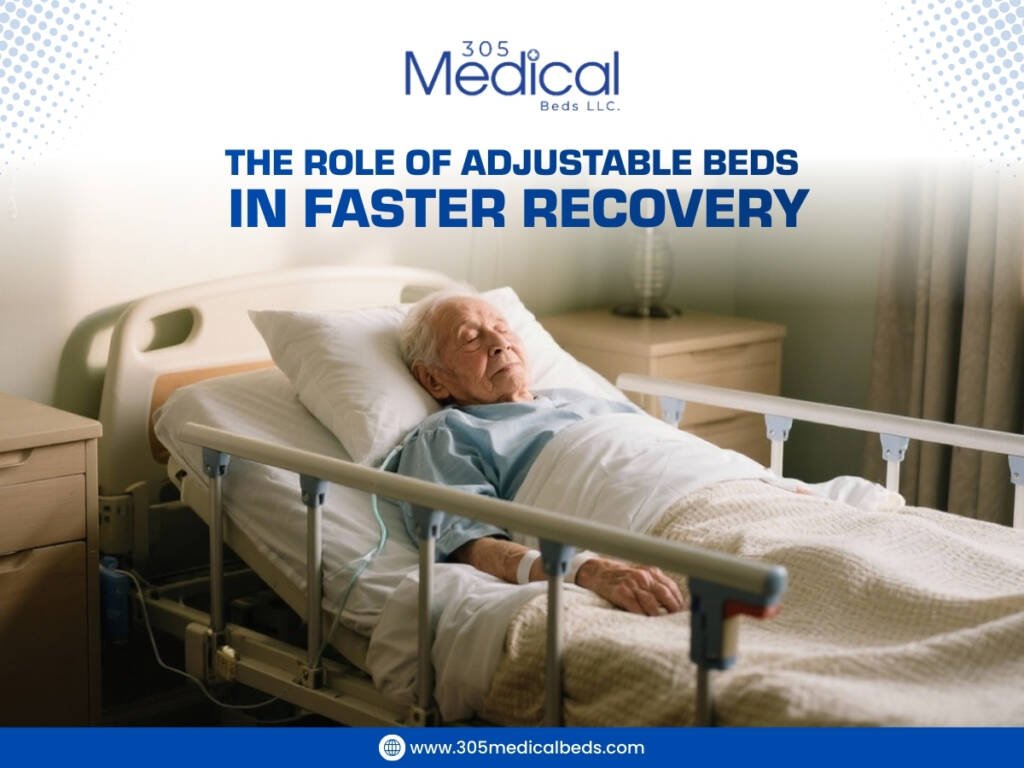
The Role of Adjustable Beds in Faster Recovery
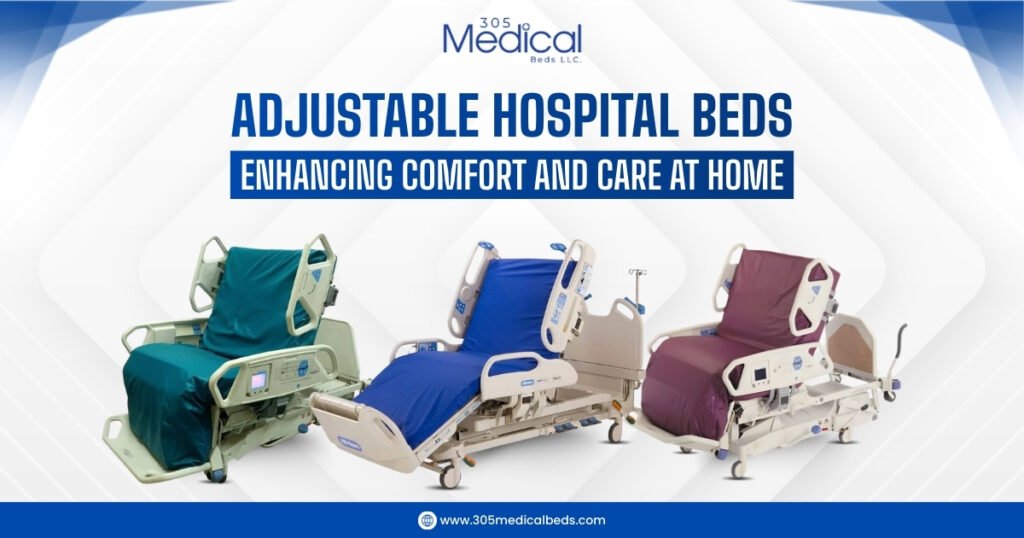
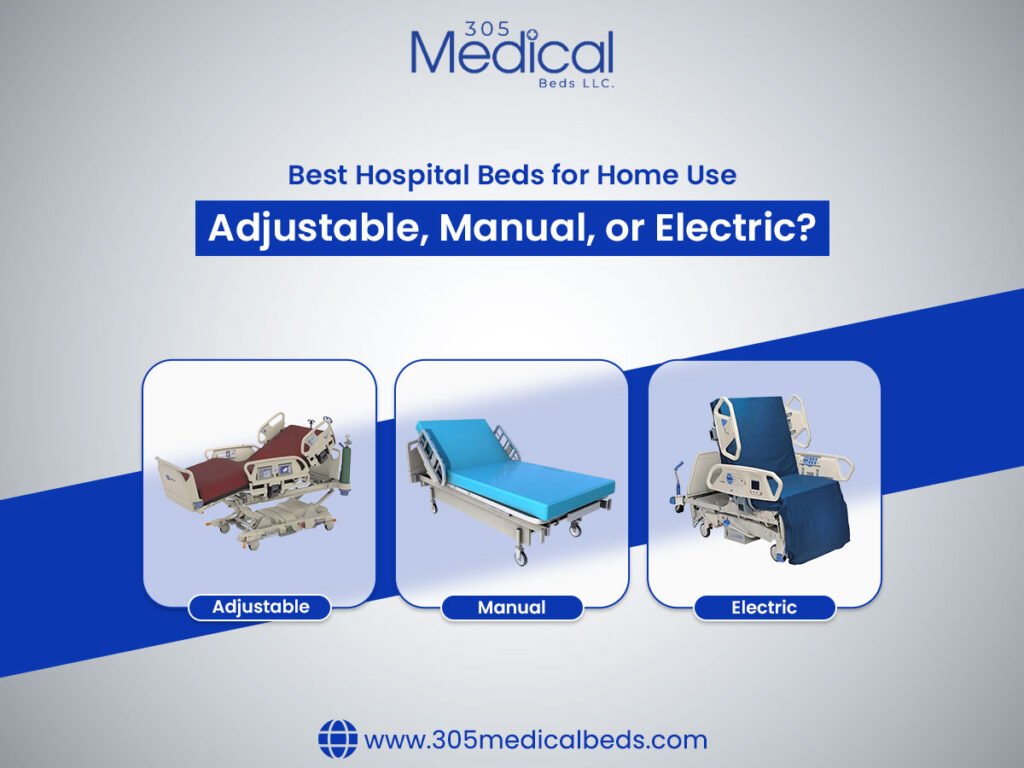
Recovery is not just about medication or medical procedures—it’s also about rest, comfort, and proper body positioning. Whether in a hospital, clinic, or home care setting, the bed a patient uses can significantly influence how quickly and comfortably they recover. This is where adjustable beds play a crucial role. Designed to adapt to the body’s needs, adjustable beds help patients rest in optimal positions, reduce discomfort, and support healing. These benefits are especially noticeable for individuals receiving adjustable hospital beds for home care, where comfort and recovery must work together outside a clinical environment. What Are Adjustable Beds? Adjustable beds are specialized beds that allow users to change the position of different sections of the bed—such as the head, foot, or overall height. These adjustments can be made manually or electronically, depending on the model. Key Characteristics of Adjustable Beds Adjustable beds are widely used in hospitals, rehabilitation centers, long-term care facilities, and increasingly in home healthcare. Why Recovery Depends on Proper Bed Positioning The human body heals best when it is supported correctly. Poor positioning can lead to discomfort, pressure injuries, restricted circulation, and delayed healing. Adjustable beds allow patients to maintain positions that promote healing rather than hinder it. Proper positioning helps: These benefits directly contribute to faster and safer recovery. 1. Improved Comfort Leads to Better Rest Rest is one of the most important factors in recovery. Adjustable beds allow patients to find a position that feels natural and comfortable, reducing pain and discomfort. How Comfort Speeds Recovery This is particularly important when how adjustable beds improve senior sleep becomes a key factor in recovery for aging patients who need consistent, high-quality rest. 2. Enhanced Blood Circulation and Reduced Swelling One of the major advantages of adjustable beds is their ability to improve circulation. Elevating the legs slightly can help reduce swelling, while proper upper-body elevation supports blood flow. Recovery Benefits of Better Circulation For post-surgical patients or those with limited mobility, improved circulation can significantly speed up recovery time. 3. Reduced Risk of Pressure Injuries Patients who spend long hours in bed are at higher risk of developing pressure injuries. Adjustable beds help minimize this risk by allowing frequent repositioning. How Adjustable Beds Help By reducing pressure-related complications, adjustable beds help prevent setbacks that can delay recovery. 4. Better Respiratory Support Proper breathing is essential for recovery, especially for patients with respiratory conditions or those recovering from surgery. Adjustable beds allow the upper body to be elevated, which supports lung function. Respiratory Benefits Elevating the head section can make a noticeable difference in how comfortably a patient breathes, especially during rest and sleep. 5. Increased Patient Mobility and Independence Recovery is faster when patients can move safely and independently. Adjustable beds make it easier for patients to change positions, sit up, or get out of bed. Mobility Advantages For aging individuals, these features work best when paired with guidance on choosing the right adjustable bed for seniors to ensure safety, comfort, and long-term support. 6. Reduced Caregiver Strain and Better Support Adjustable beds don’t just benefit patients—they also support caregivers and healthcare professionals. Beds with adjustable height and positioning reduce the physical effort required during care routines. Caregiver Benefits When caregivers can work comfortably and safely, patients receive more consistent and attentive care. 7. Support for Post-Surgical Recovery After surgery, the body needs proper alignment and minimal stress to heal effectively. Adjustable beds allow patients to maintain positions recommended by healthcare providers. Post-Surgical Advantages These features help patients recover with fewer complications and better overall outcomes. Adjustable Beds in Different Care Settings Hospitals In hospitals, adjustable beds are essential for acute care, post-operative recovery, and intensive monitoring. Rehabilitation Centers They support physical therapy, gradual mobility, and long-term recovery needs. Home Care Adjustable beds allow patients to recover comfortably at home while maintaining medical support and independence. How to Choose the Right Adjustable Bed for Recovery When selecting an adjustable bed, consider: Choosing the right adjustable bed ensures maximum recovery benefits while maintaining comfort and safety. Conclusion The role of adjustable beds in faster recovery is clear. By improving comfort, circulation, respiratory support, and mobility, adjustable beds create an environment where the body can heal more efficiently. Whether in a hospital, clinic, or home setting, adjustable beds are no longer a luxury—they are an essential part of modern recovery-focused care. Investing in the right adjustable bed—especially when considering adjustable bed options for elderly patients—can make a meaningful difference in how quickly and comfortably patients return to health. Frequently Asked Questions Q1: Do adjustable beds really help with recovery? Yes, adjustable beds support better positioning, comfort, circulation, and mobility—all of which contribute to faster and safer recovery. Q2: Are adjustable beds only for hospitals? No, adjustable beds are widely used in hospitals, rehabilitation centers, and home care environments. Q3: Who benefits most from adjustable beds? Patients recovering from surgery, individuals with limited mobility, and those requiring long-term care benefit greatly from adjustable beds.