
hospital bed types

ICU Beds vs. General Ward Beds What’s the Difference
Comparisons, General Ward Beds Comparison, ICU Beds Comparison, Uncategorized

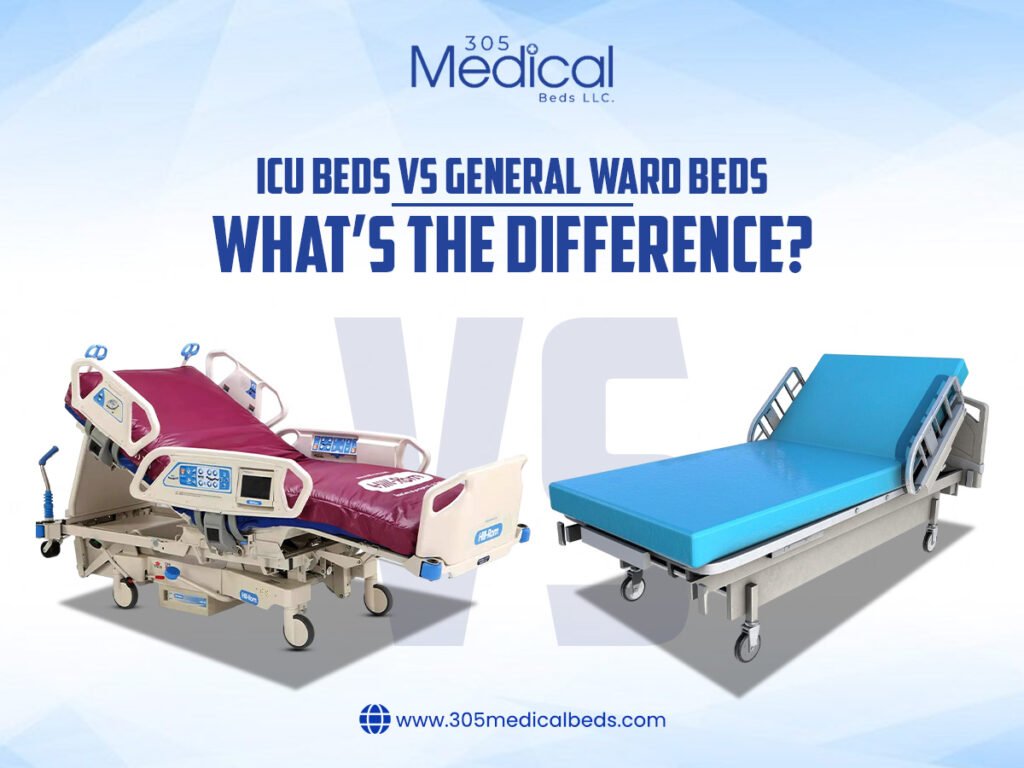
ICU Beds vs. General Ward Beds: What’s the Difference?

Not All Hospital Beds Are Created Equal If you’re searching for a hospital bed—whether for a loved one recovering at home or to equip a healthcare facility—you’ve probably noticed there are many types to choose from. Two of the most common terms you might hear are ICU beds and general ward beds. But what exactly sets these apart? Choosing the right bed isn’t just about comfort; it directly impacts patient safety, recovery speed, and the kind of care provided. In this comprehensive guide, we’ll break down the difference between ICU beds and general ward beds, their key features, cost differences, and help you decide which bed fits your unique needs. Key Differences Between ICU Beds and General Ward Beds Feature ICU Bed General Ward Bed Adjustability Full adjustability (head, feet, height) Limited or manual adjustability Technology & Monitoring Advanced built-in monitoring & alarms Basic or external monitoring Patient Type Critically ill, intensive care patients Stable, post-operative, recovering Cost Range $10,000 – $25,000+ $500 – $2,500 Mobility Features Integrated mobility, safety rails, alarms Basic safety features Usage ICU, critical care units, specialized rooms General wards, home care, rehabilitation What Is an ICU Bed? ICU (Intensive Care Unit) beds are specialized hospital beds designed for critically ill patients who require constant monitoring and life-support equipment. These beds come equipped with advanced features like adjustable height, multiple articulation points (head, legs, and tilt), integrated alarms, and compatibility with ventilators and other life-support machines. ICU beds are essential in critical care settings where patients’ vitals must be closely monitored and their positions adjusted frequently to prevent complications like bedsores and respiratory problems. Key Features of ICU Beds: Hill-Rom ICU beds are among the leading brands known for their reliability, durability, and advanced technology. These beds often feature customizable controls and are designed to maximize patient comfort and care efficiency. What Is a General Ward Bed? General ward beds are simpler and more affordable hospital beds used for patients who require less intensive care. These beds are designed for patients recovering from surgery, undergoing treatment, or stable enough not to need constant monitoring. General ward beds typically have manual or semi-electric adjustability, with basic safety features like side rails and comfortable mattresses. They’re ideal for hospitals, clinics, and home care where patients need rest and mobility support but not critical care. Key Features of General Ward Beds: These beds strike a balance between comfort and functionality without the advanced tech seen in ICU beds. ICU Beds vs General Ward Beds: Key Differences Explained While both types of beds serve the purpose of providing comfort and support to patients, they differ significantly in design, technology, and intended use: 1. Design and Engineering 2. Patient Monitoring Equipment 3. Electrical Components 4. Safety Features 5. Mobility and Weight Capacity How Costs Compare (And Why ICU Beds Cost More) One of the biggest differences between ICU beds and general ward beds is cost, often influencing purchasing decisions. Why Are ICU Beds More Expensive? If budget is a major concern but your patient needs intensive care, renting an ICU bed might be a practical alternative. Use Cases: When to Use ICU vs General Beds When to Use an ICU Bed: When to Use a General Ward Bed: Many families use general ward beds at home, while hospitals reserve ICU beds for life-threatening situations. Which One Should You Choose? Choosing between an ICU bed and a general ward bed depends on several factors: Still unsure? Our experts at 305MedicalBeds.com can guide you through selecting the perfect hospital bed tailored to your needs. Conclusion: Comfort vs. Critical Care ICU beds and general ward beds both play vital roles in patient care. The choice boils down to the patient’s medical condition, care requirements, and budget. ICU beds offer advanced technology and safety for critical patients, while general ward beds provide comfortable, practical support for stable patients. If you want to explore a wide selection of hospital beds tailored to your needs, visit 305MedicalBeds.com. Whether it’s a high-tech ICU bed or a budget-friendly general ward bed, our experts are ready to help you make the best choice. Frequently Asked Questions (FAQs) Q1. Can I Use an ICU Bed at Home? Yes, but it’s expensive and usually reserved for patients needing continuous monitoring and life support. Renting might be a better option. Q2. What Is the Cheapest ICU Bed Available? Basic ICU beds start around $10,000, but pricing varies greatly depending on features and brand. Q3. Does Insurance cover ICU Beds? Often, yes. Insurance policies like Medicare cover hospital beds if prescribed by a doctor for medical necessity. Q4. Can General Ward Beds Be Upgraded? Some general ward beds can be upgraded with additional features like electric adjustability, but they don’t match ICU beds’ complexity.
how to pick the ideal hospital bed a breakdown of types and features
Hospital Beds, Hospital Beds Info, Uncategorized

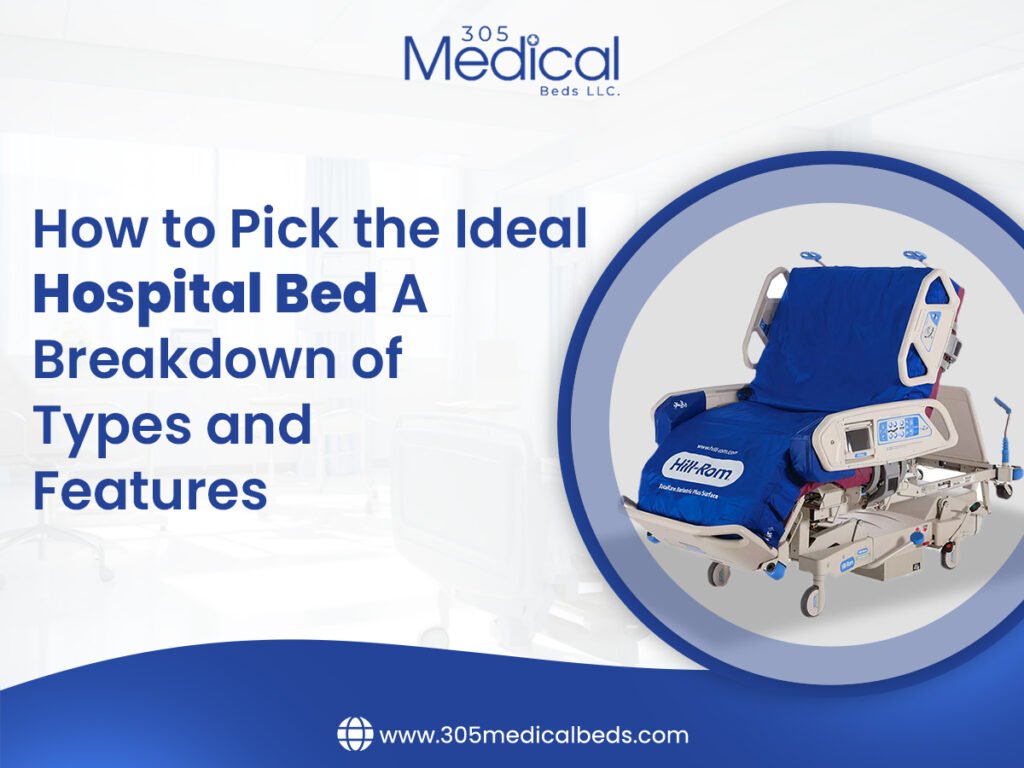
How to Pick the Ideal Hospital Bed: A Breakdown of Types and Features

When it comes to providing care for someone bedridden or in need of long-term medical attention, selecting the right hospital bed is a critical decision. A hospital bed affects the patient’s comfort, safety, and recovery process. Choosing the right bed can significantly impact the patient and their caregivers. In this blog, we’ll break down the various types of hospital beds and the essential features you should consider to make an informed choice. We’ll also discuss some advanced models, including Hill-Rom TotalCare Spo2rt, Hill-Rom Progressa Pulmonary ICU Bed, and Hill-Rom Total Care, to help you choose the ideal bed. Why Choosing the Right Hospital Bed Matters Selecting the right hospital bed is about more than just comfort—ensuring the patient’s recovery is supported, improving their quality of life, and making caregiving more manageable. A good hospital bed is crucial to effective care, especially for those with chronic conditions or long-term medical needs. A comfortable and adjustable bed promotes better circulation, improves sleep, and reduces the risk of complications such as pressure sores for patients. An easy-to-use bed can also reduce strain and make it easier to manage care for caregivers. In cases of long-term home care, a bed can make a huge difference in daily life and overall care quality. Different Types of Hospital Beds When it comes to hospital beds, there’s no “one-size-fits-all” solution. Each bed type has its features and advantages, catering to different needs. Let’s explore the most common types of hospital beds: Manual Hospital Beds Manual hospital beds are operated by hand cranks that adjust the head, foot, and height. They are affordable and straightforward, making them a great option for basic care settings or home use where advanced features aren’t necessary. Electric Hospital Beds Electric beds are powered by an electric motor, which allows for easy adjustment of the bed’s height, head, and foot sections with the push of a button. These beds provide convenience and ease of use for the patient and caregiver. Semi-Electric Hospital Beds A semi-electric hospital bed combines elements of both manual and electric beds. While the head and foot of the bed can be adjusted electrically, the bed’s height is still manually adjusted. These beds provide a balance of convenience and cost-effectiveness. Bariatric Hospital Beds Bariatric hospital beds are designed specifically for larger patients. They offer increased weight capacity, wider dimensions, and sturdier construction. These beds provide extra space and support for individuals with obesity or other conditions requiring a reinforced bed. Low Hospital Beds Low hospital beds are designed to be lowered closer to the ground, making them ideal for patients at high risk of falling. These beds help prevent injury by minimizing the distance the patient might fall. Hill-Rom TotalCare Spo2rt The Hill-Rom TotalCare Spo2rt is an advanced hospital bed designed for patients who require a higher level of medical care. This bed offers integrated respiratory support, making it ideal for patients with pulmonary conditions. It also features dynamic weight distribution to help reduce the risk of pressure ulcers. Hill-Rom Progressa Pulmonary ICU Bed The Hill-Rom Progressa Pulmonary ICU Bed is specifically designed for critical care environments, particularly for patients with respiratory issues. It provides continuous care and features that help manage pulmonary conditions and improve overall patient outcomes. Hill-Rom Versacare The Hill-Rom Versacare bed is a top-of-the-line intensive care and recovery option. This bed features advanced technology for positioning, pressure relief, and respiratory support, making it suitable for patients who need comprehensive care. It is commonly used in hospitals and home healthcare settings for those with high-level care needs. Key Features to Consider When Selecting a Hospital Bed Several features should be considered when selecting a hospital bed to ensure that it meets the patient’s and caregiver’s needs. Adjustability Look for beds that adjust the head, foot, and overall height. Adjustability is essential for patient comfort, as it helps prevent pressure sores, allows for proper positioning during meals, and facilitates easier caregiving. Size and Weight Capacity Choosing the right size ensures that the patient has adequate space and support. Bariatric beds are essential for more prominent individuals, while regular beds may suffice for average weight. Mattress Compatibility Hospital beds often require specific mattresses that support pressure relief and comfort. Foam, air, and gel mattresses can all help reduce the risk of bedsores. Mobility and Portability If you plan on moving the bed, look for options with wheels and easy-to-use locking mechanisms. This is especially helpful for caregivers who need to reposition the bed for cleaning or patient care. Safety Features Safety rails, emergency brakes, and other features, such as anti-tipping mechanisms, provide extra protection to both patients and caregivers, ensuring safer use. Ease of Use A bed that’s easy to adjust and control reduces the burden on caregivers. Whether manual, semi-electric, or fully electric, choose one with simple controls that fit your needs. Additional Features and Accessories To further enhance the patient’s comfort and the caregiver’s experience, consider these additional features: Budget Considerations and Cost vs. Value Hospital beds are available at a range of prices. Manual beds are more budget-friendly, while advanced models like the Hill-Rom TotalCare Spo2rt or Hill-Rom Progressa Pulmonary ICU Bed are more expensive but offer specialized features for critical care. Consider the patient’s medical condition and the long-term costs when balancing your budget with the needed features. Maintenance and Durability Maintaining the bed is essential to ensure it remains in good working condition. Look for beds with durable frames and materials, and ensure that replacement parts are easy to find. Regular maintenance, including cleaning and inspecting moving parts, will prolong the bed’s lifespan. Where to Buy a Hospital Bed Reputable suppliers offer both online and in-person purchasing options. When choosing a seller, consider factors like warranties, customer support, and return policies. It’s also a good idea to consult healthcare professionals to ensure your purchasing bed meets the patient’s needs. Final Tips for Choosing the Best Hospital Bed Choosing the ideal hospital bed involves considering the patient’s comfort, medical needs, and safety. Work with

305 Medical Beds LLC |  2739 W 79 St, Unit 15, Hialeah, Florida 33016 |  Phone: 1.305.562.7960
© Copyright 2012 – 2024 | All Rights Reserved.

You have been successfully Subscribed! Ops! Something went wrong, please try again.

About Us

We are passionate about our customer service, assuring that our equipment is in appropriate conditions and operating correctly. We also offer guidance before purchasing any equipment, making sure that your purchase is the best choice for your needs.

305 Medical Beds LLC |  2739 W 79 St, Unit 15, Hialeah, Florida 33016 |  Phone: 1.305.562.7960
© Copyright 2012 – 2024 | All Rights Reserved.