
Hill Rom Pulmonary Progressa P7500 Bed

Hill Rom bariatric bed vs Hill Rom Progressa bed comparison for patient care
Bariatric Bed Comparison, Comparisons, Pulmonary Progressa Bed, Uncategorized

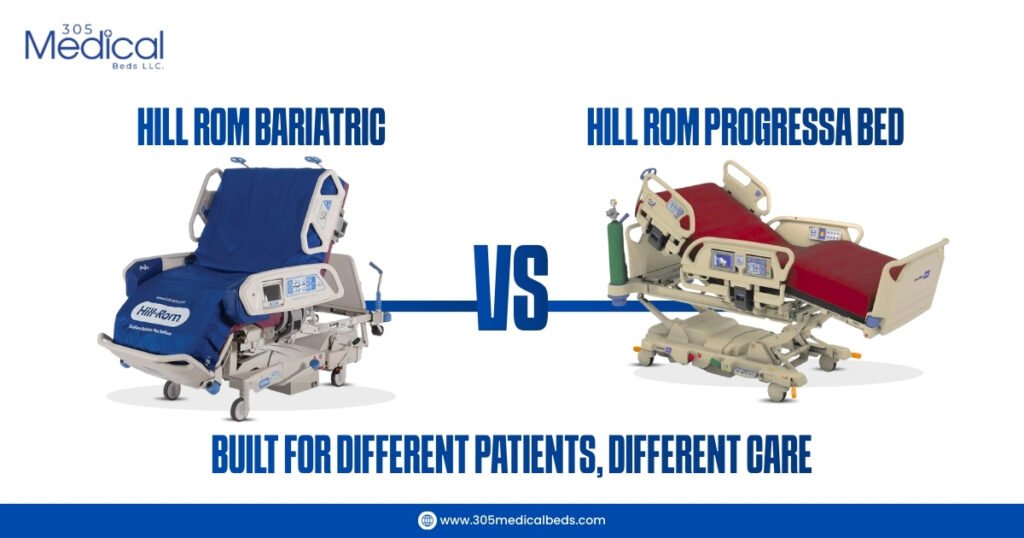
Bariatric vs Progressa Bed: Built for Different Patients, Different Care

When it comes to providing exceptional care for patients in healthcare settings, choosing the right medical bed is crucial. Hospitals, nursing homes, and home care environments all require specific beds to meet the needs of their diverse patient populations. Two commonly used medical beds are the bariatric bed and the Progressa bed, both designed with patient comfort and care needs in mind. However, these beds cater to different patient groups with distinct requirements. In this blog post, we’ll compare bariatric beds vs Progressa beds, examining their unique features, benefits, and the patients they are designed for. By understanding these differences, healthcare providers can make the best decision when it comes to patient care. What is a Bariatric Bed? Bariatric beds are designed specifically for patients who are overweight or obese. The term “bariatric” refers to the field of medicine that deals with the prevention, diagnosis, and treatment of obesity. These beds offer specialised support for patients with higher weight capacities, ensuring that they are comfortable, safe, and well-supported during their stay. Benefits of Bariatric Beds What is a Progressa Bed? The Progressa bed is a type of medical bed used in critical care units (ICUs) or other specialized healthcare settings where patients need advanced therapeutic support and continuous repositioning. These beds are designed to meet the complex needs of critically ill patients, facilitating quicker recovery and improving overall patient outcomes. Benefits of Progressa Beds Bariatric vs Progressa Bed: Key Differences Although both bariatric beds and Progressa beds are designed with patient comfort and safety in mind, they cater to different patient groups and healthcare settings. Here’s a breakdown of their key differences: Feature Bariatric Bed Progressa Bed Primary Use Patients who are overweight or obese Critical care, post-surgery, rehabilitation Weight Capacity 500 to 1,000 pounds Up to 350 pounds Adjustability Adjustable head, foot, and height Advanced positioning and automated repositioning Therapeutic Features Focus on comfort and safety Focus on therapy, pressure relief, and mobility Technology Integration Basic manual adjustments Automated features for repositioning, therapy surfaces Target Audience Overweight or obese patients Critical, immobile, and post-surgery patients Key Takeaways Which Bed is Right for Your Facility? When it comes to selecting the right bed for your healthcare facility or home care setting, understanding the unique needs of your patient population is key. Bariatric beds are indispensable for accommodating larger patients who require specialized support and comfort. If your facility manages overweight or obese patients, bariatric beds are a necessity. On the other hand, if your facility caters to patients in need of critical care, post-surgical recovery, or rehabilitation, the Progressa bed is a superior choice. The advanced features of Progressa beds ensure that critically ill patients receive continuous care and monitoring, accelerating recovery while preventing complications like pressure sores. Conclusion In summary, both bariatric beds and Progressa beds are essential tools in specialized patient care, offering distinct benefits depending on the patient’s specific needs. Bariatric beds provide the necessary support for larger patients, while Progressa beds ensure advanced care for critically ill and recovering patients. By understanding the differences between these two types of beds, healthcare providers can make informed decisions that enhance patient comfort, safety, and recovery outcomes. Whether you need a bariatric bed to accommodate heavier patients or a Progressa bed to provide intensive care for critical patients, the right bed makes all the difference in improving patient care. Frequently Asked Questions
Hill Rom Beds, Hospital Beds, Uncategorized

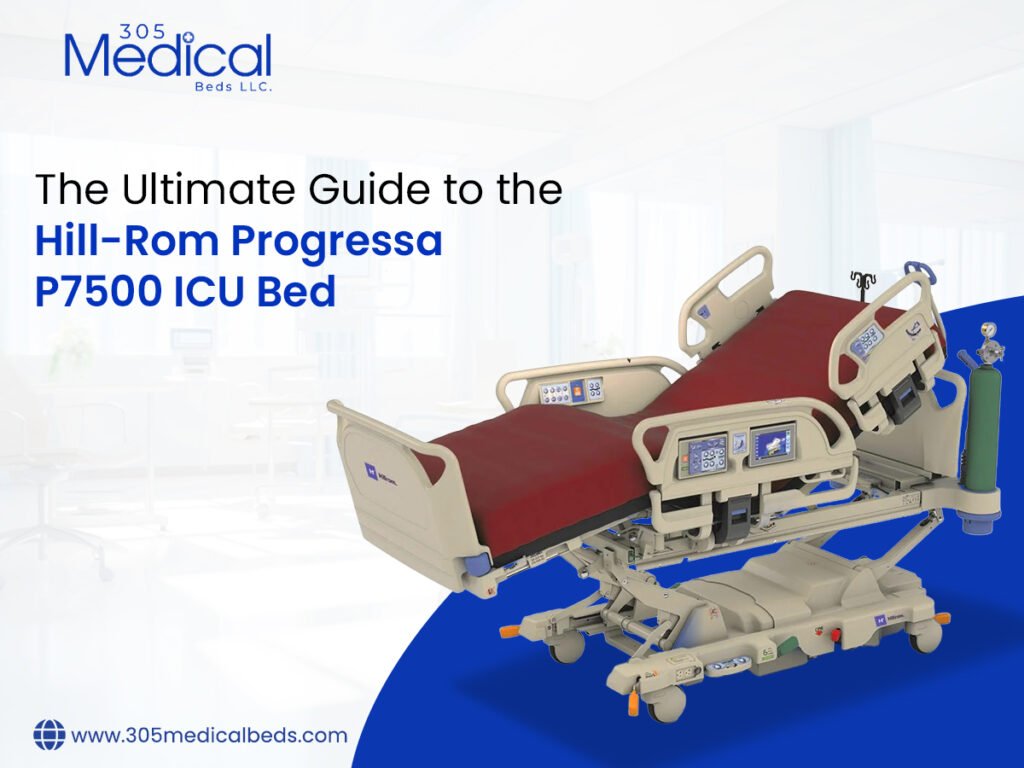
The Ultimate Guide to the Hill-Rom Progressa P7500 ICU Bed

When it comes to patient care, having the right hospital bed can significantly improve outcomes, especially in an intensive care setting. The Hill-Rom Progressa P7500 ICU bed is a high-end solution designed specifically for critical care. With advanced features that cater to patients’ specific needs and medical requirements, the Progressa bed offers unparalleled support, comfort, and technology integration. This comprehensive guide explores everything you need about the Hill-Rom Progressa, including its key features, benefits, and pricing. Healthcare providers exploring the broader Progressa platform often begin with this Progressa bed guide to understand how the system supports modern clinical environments. This comprehensive guide explores everything you need to know about the Hill-Rom Progressa, including its key features, benefits, and pricing. What is the Hill-Rom Progressa P7500 ICU Bed? The Hill-Rom Progressa P7500 ICU bed is more than a standard hospital bed. It is an intelligent medical device engineered for intensive care units (ICUs) to support patients requiring critical medical attention. This hospital bed with mattress is designed with advanced functionalities such as pulmonary therapy, patient positioning, and mobility support, making it ideal for patients recovering from severe illnesses or injuries. Key Features of the Hill-Rom Progressa Bed One of the standout features of the Hill-Rom Progressa is its built-in pulmonary therapy functions. This progress bed supports and optimizes lung health in critically ill patients by providing lateral rotation, percussion, and vibration therapy. These features help improve lung function, clear secretions and reduce the risk of complications such as pneumonia. These life-supporting capabilities are a major reason hospitals trust the Progressa P7500 in high-acuity care settings. The Progressa bed is designed to facilitate patient mobility safely. It includes features like a built-in bed exit alarm, automatic weight tracking, and raising the bed height for easier transfers. This makes it easier for caregivers to mobilize patients and helps reduce the risk of falls. With features such as Trendelenburg, reverse Trendelenburg positioning and a chair mode; the Hill-Rom Progressa can be adjusted to various positions that improve patient comfort and facilitate medical procedures. The bed can even assist in sitting patients up, which is particularly beneficial for patients recovering from surgeries or respiratory illnesses. The Hill-Rom Progressa P7500 ICU bed has intuitive bed controls that the patient, caregiver, or clinician can operate. The touchscreen interface is user-friendly, making adjusting settings such as bed height, patient positioning, and therapy modes easy. Benefits of Using the Hill-Rom Progressa P7500 ICU Bed The Hill-Rom Progressa P7500 ICU bed is built to improve clinical outcomes by providing features that support healing and recovery. Its advanced pulmonary therapy options help reduce respiratory complications, while the ergonomic design enhances patient comfort during extended hospital stays. The Progressa bed simplifies the caregiving process with mobility support and intuitive controls. Caregivers can easily reposition patients, monitor vital metrics, and activate therapy modes, reducing the physical strain associated with traditional patient handling. Clinical teams managing intensive care environments often reference real-world applications in this ICU bed solution when evaluating performance in critical settings. The bed is specifically designed for intensive care units where patients require constant monitoring and specialized care. The Progressa bed integrates seamlessly with other medical equipment, allowing for continuous monitoring and therapeutic interventions. How the Hill-Rom Progressa Bed Supports Pulmonary Health Lateral Rotation Therapy The Hill-Rom Progressa can perform lateral rotation therapy, which involves gently rotating the patient from side to side. This helps prevent fluid buildup in the lungs, thereby reducing the risk of pneumonia and other respiratory issues. Percussion and Vibration Therapy In addition to lateral rotation, the bed offers percussion and vibration therapy to help loosen mucus and improve lung airflow. This is particularly beneficial for patients suffering from conditions like chronic obstructive pulmonary disease (COPD) or those who are recovering from major surgeries. Automatic Lung Recruitment Maneuvers For patients on mechanical ventilation, the Progressa bed can assist with lung recruitment manoeuvres that help improve oxygenation. These automated settings are easily activated through the bed’s interface, making it a valuable tool for respiratory therapists and ICU staff. Related Posts Your ICU Needs This Bed: The Hill-Rom Progressa P7500 Makes a Difference Why Choose a Refurbished Hill-Rom Progressa P7500 ICU Bed? Cost-Effective Solution Purchasing a new Hill-Rom Progressa P7500 ICU bed can be a significant investment, but choosing a refurbished model offers a more cost-effective solution without compromising quality. Hospital bed prices for refurbished units are considerably lower than new models, making it a budget-friendly option for healthcare facilities. High-Quality Standards Refurbished Hill-Rom Progressa beds undergo rigorous testing and quality assurance processes to meet manufacturer standards. This means you can benefit from the bed’s advanced features at a fraction of the Cost. Environmental Impact Opting for a refurbished Progressa bed is environmentally friendly, as it reduces waste and the need for new manufacturing. This aligns with sustainable healthcare practices and helps facilities reduce their carbon footprint. Understanding the Hill-Rom Progressa Pulmonary Bed Price Factors Influencing the Price The Hill Rom Progressa pulmonary bed price can vary depending on factors such as the condition of the bed, additional features, and any customization required. Typically, refurbished models are more affordable than new ones, but prices can still range based on the level of refurbishment and included accessories. Typical Pricing Range Prices for refurbished Hill-Rom Progressa beds can range from $7,000 to $15,000, depending on the vendor and the bed’s condition. New beds, on the other hand, can cost upwards of $25,000. When comparing prices, always consider the warranty and service agreements. Where to Buy the Hill-Rom Progressa P7500 ICU Bed 305 Medical Beds is a reliable option for purchasing a refurbished Hill-Rom Progressa P7500 ICU bed. Located in Spring Woodland, we specialize in refurbished medical equipment and offer expert assistance. For inquiries, contact us at 305-562-7960. Choosing the Right Mattress for Your Hill-Rom Progressa Bed Compatible Mattresses The Progressa bed is compatible with various mattresses, including foam, air, and hybrid models. Choosing the right mattress ensures optimal pressure redistribution and patient comfort. Pressure Relief Mattresses A popular choice for

305 Medical Beds LLC |  2739 W 79 St, Unit 15, Hialeah, Florida 33016 |  Phone: 1.305.562.7960
© Copyright 2012 – 2024 | All Rights Reserved.

You have been successfully Subscribed! Ops! Something went wrong, please try again.

About Us

We are passionate about our customer service, assuring that our equipment is in appropriate conditions and operating correctly. We also offer guidance before purchasing any equipment, making sure that your purchase is the best choice for your needs.

305 Medical Beds LLC |  2739 W 79 St, Unit 15, Hialeah, Florida 33016 |  Phone: 1.305.562.7960
© Copyright 2012 – 2024 | All Rights Reserved.