
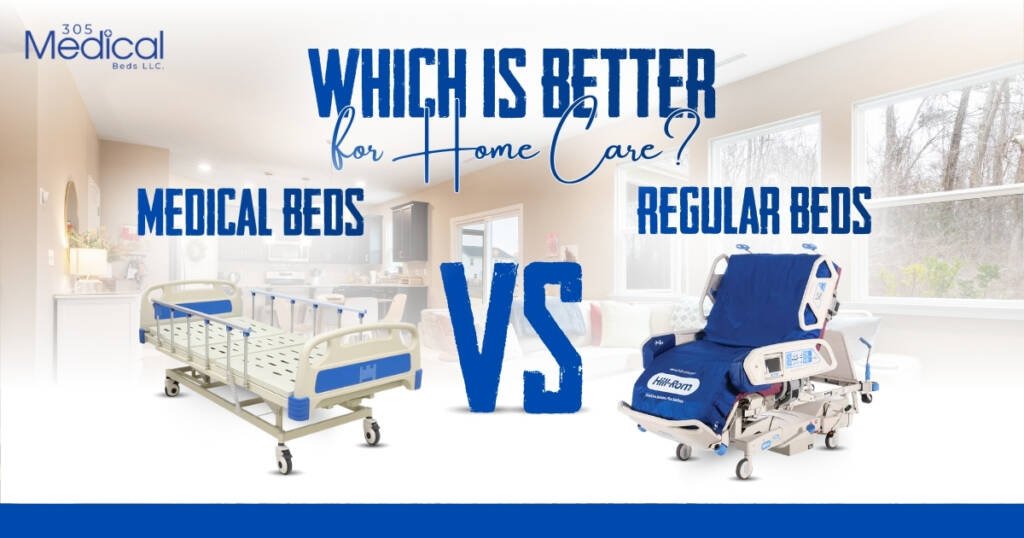
Choosing the right bed for home care is not just about comfort—it’s about safety, independence, and daily quality of life. Many families initially assume a regular bed will be enough. However, once mobility issues, caregiving needs, or long-term recovery enter the picture, that assumption often changes.
Understanding medical beds vs regular beds for home care helps families make a smarter decision—one that protects the patient, supports caregivers, and creates a safer home environment.
Understanding Home Care Needs
Home care patients often face challenges that standard furniture is not designed to handle, such as:
- Limited mobility or balance issues
- Difficulty sitting up or lying down
- Increased fall risk
- Long periods spent in bed
- Need for daily caregiver assistance
The bed becomes the center of care. Choosing the wrong one can increase risks, while selecting the right one can dramatically improve safety and comfort.
What Is a Regular Bed?
A regular bed is designed for everyday sleep, not medical care. While it may look appealing and feel familiar, it lacks essential safety and support features.
Limitations of Regular Beds in Home Care
- Fixed height with no adjustments
- No fall-prevention support
- Difficult for caregivers to assist safely
- Incompatible with medical mattresses and accessories
- Higher risk of injury during transfers
For short-term rest with full mobility, a regular bed may work. For true home care, its limitations quickly become clear.
What Is a Medical Bed?
A medical bed—often called a hospital bed for home use—is designed specifically for patients who require medical support outside of a clinical setting.
Key Features of Medical Beds
- Adjustable head, foot, and height positions
- Optional side rails for safety
- Electric or semi-electric controls
- Lockable wheels for stability
- Compatibility with pressure-relief mattresses and accessories
These features directly address the challenges of home care.
| Feature | Medical Bed | Regular Bed |
|---|---|---|
| Height Adjustment | Yes | No |
| Head & Foot Positioning | Yes | No |
| Fall Prevention Support | Yes | No |
| Caregiver Assistance | Easy & Safe | Difficult |
| Long-Term Home Care | Ideal | Limited |
| Medical Mattress Support | Yes | No |
Safety and Fall Prevention
Falls are one of the most common home care risks. Medical beds reduce this risk through:
- Lower height settings
- Side rails for added stability
- Controlled, gradual position changes
Regular beds offer no such protection, making them a higher-risk option for patients with mobility issues.
Adjustability and Positioning Benefits
Medical beds allow patients to:
- Elevate their head for easier breathing
- Raise legs to reduce swelling
- Change positions without full assistance
Regular beds remain fixed, forcing patients into uncomfortable or unsafe positions that can worsen health conditions.
Comfort for Long-Term Use
While regular beds may feel comfortable at first, they are not designed for extended medical use. Medical beds paired with pressure-relief mattresses provide:
- Even weight distribution
- Reduced pressure points
- Better circulation
- Improved sleep quality
Comfort directly affects recovery and daily well-being.
Caregiver Support and Ease of Care
Caregivers are often overlooked when choosing home care equipment. Medical beds support caregivers by:
- Adjusting to safe working heights
- Reducing lifting and bending
- Allowing safer transfers
Regular beds increase physical strain and the risk of caregiver injury over time.
Mattress Compatibility and Pressure Relief
Medical beds are designed to work with specialized mattresses that improve safety.
Best Mattress Options for Medical Beds
- Pressure-relief foam mattresses
- Alternating air mattresses
- Firm edge-support mattresses
Standard mattresses used on regular beds may increase the risk of pressure sores and discomfort.
When a Regular Bed Might Be Acceptable
In limited cases, a regular bed may work:
- Short-term recovery
- Full mobility and independence
- Minimal caregiver involvement
However, these situations are uncommon in long-term home care.
When a Medical Bed Is the Better Choice
A medical bed is the right option when:
- Daily or long-term care is required
- Fall prevention is a concern
- The patient has limited mobility
- Caregiver safety matters
- Comfort affects recovery
In most real-world scenarios, medical beds vs regular beds for home care is a clear decision in favor of medical beds.
Cost Comparison: Short-Term vs Long-Term Value
At first glance, regular beds appear cheaper. Over time, they often cost more due to:
- Increased fall-related injuries
- Caregiver strain and medical costs
- Additional equipment needs
Refurbished medical beds offer a cost-effective solution, providing hospital-grade safety and performance at a lower price. Many families across the United States choose refurbished options for long-term value.
Space and Home Compatibility
Modern medical beds are designed to fit residential spaces:
- Fit standard bedrooms
- Easy to move with lockable wheels
- More home-friendly designs than older hospital beds
With proper placement, medical beds integrate smoothly into home care environments.
Conclusion
When comparing medical beds vs regular beds for home care, the difference is clear. Medical beds are built to protect patients, support caregivers, and improve daily comfort—making them the better choice for most home care situations.
While regular beds may work temporarily, medical beds provide long-term safety, dignity, and peace of mind. Choosing the right bed is not just about sleep—it’s about creating a safer, more supportive home care environment.
Frequently Asked Questions
- Is a medical bed better than a regular bed for home care?
Yes. Medical beds are safer, more adjustable, and better suited for long-term home care needs. - Are medical beds only for hospitals?
No. Many medical beds are designed specifically for home use. - Can a medical bed improve patient independence?
Yes. Adjustable features allow patients to reposition themselves safely. - Are refurbished medical beds reliable?
When sourced from reputable providers, refurbished beds meet strict safety and performance standards. - Can medical beds be delivered nationwide?
Yes. Many providers offer delivery and support across the United States.