What is a Bariatric Hospital Bed and Who Needs One?
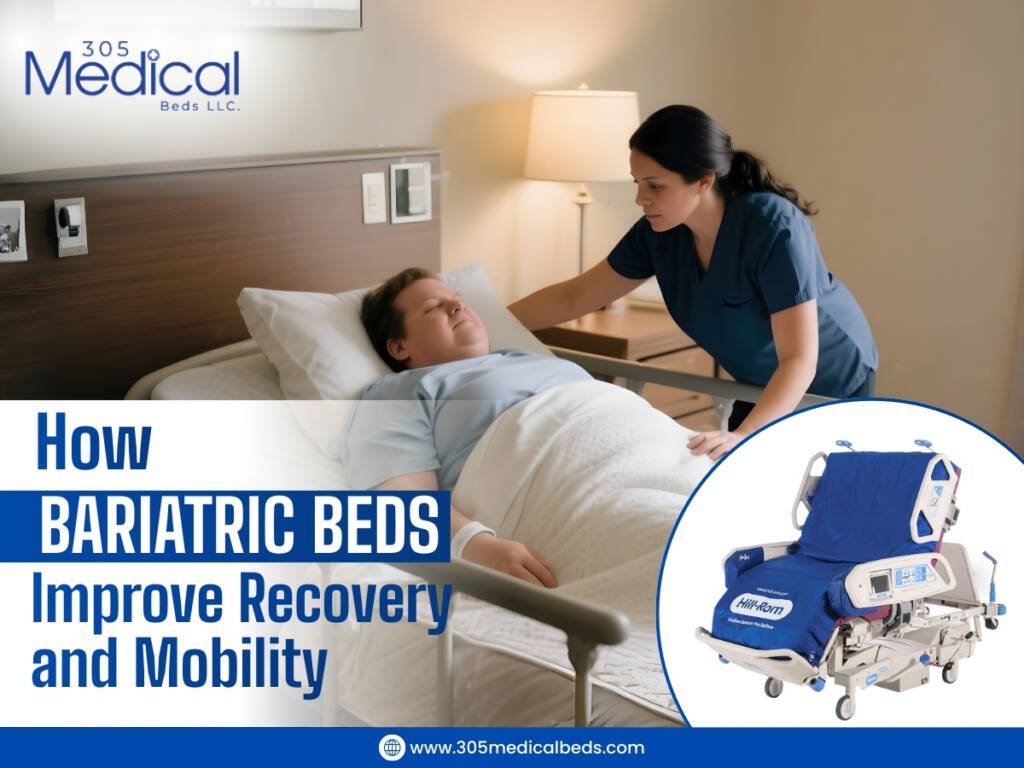
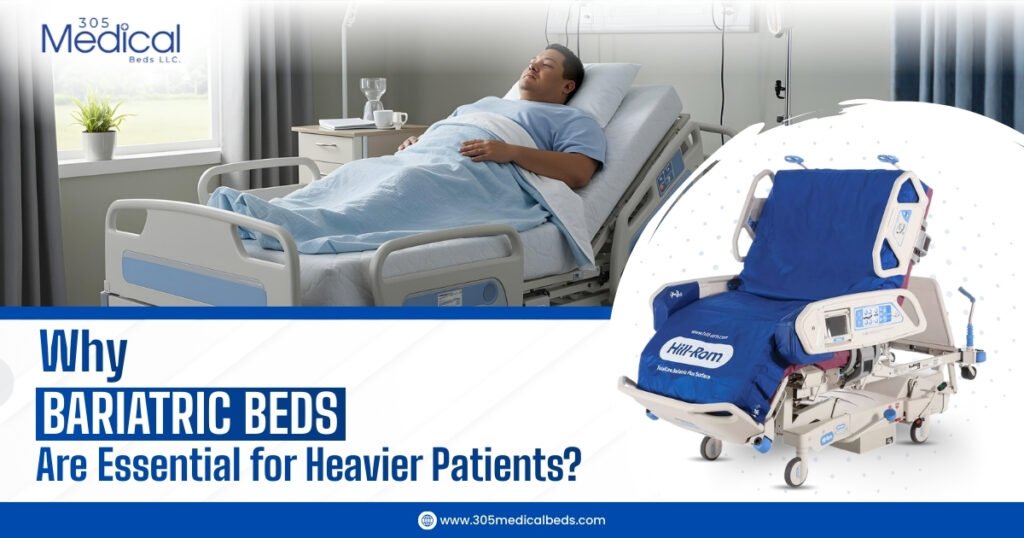
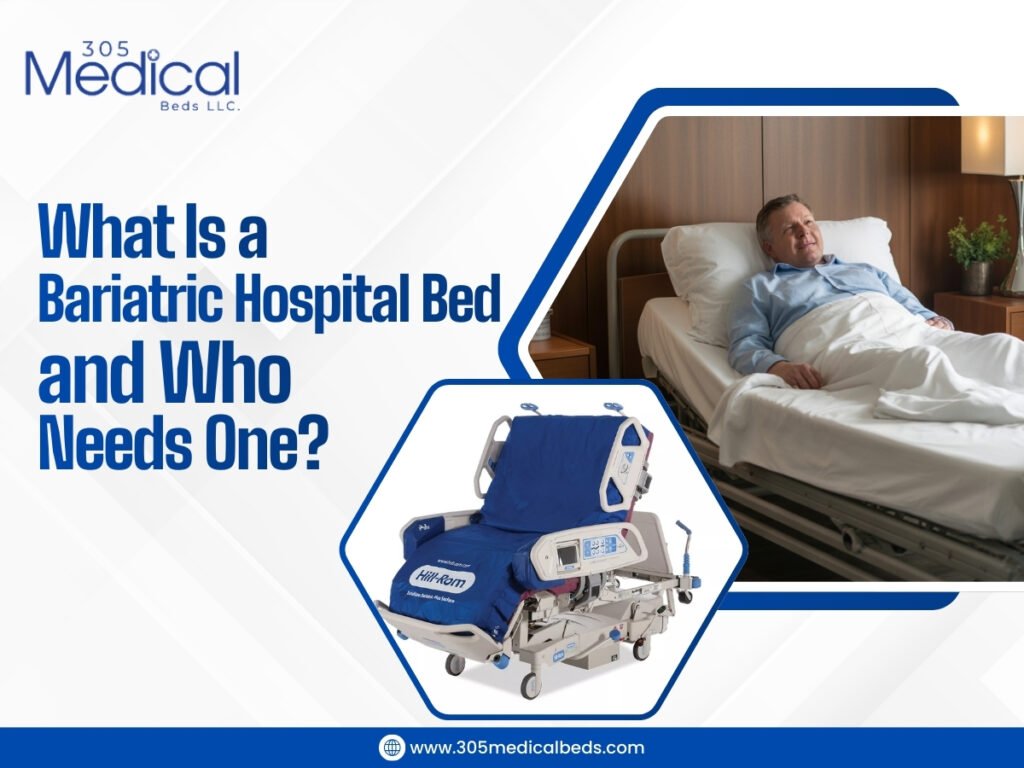
When medical care requires more than standard equipment, choosing the right hospital bed becomes critical. A bariatric hospital bed is specifically designed to support patients with higher body weight, limited mobility, and complex medical needs—while maintaining comfort, dignity, and safety. Whether used in hospitals, long-term care facilities, or home healthcare settings, bariatric beds play a vital role in improving patient outcomes and protecting caregivers. Their impact on bariatric bed recovery and mobility support makes them an essential part of modern patient care. What Is a Bariatric Hospital Bed? A bariatric hospital bed is a specialized medical bed engineered to accommodate patients who exceed the weight and size limits of traditional hospital beds. These beds are built with reinforced frames, wider sleep surfaces, and powerful motors to ensure safe positioning and long-term durability. The importance of bariatric beds for heavier patients becomes evident when standard beds fail to provide adequate stability, safety, and long-term performance. Key Characteristics of Bariatric Hospital Beds: Unlike standard beds, bariatric hospital beds are designed to reduce risk, improve comfort, and support complex care needs. How Is a Bariatric Hospital Bed Different from a Standard Hospital Bed? Understanding the difference helps caregivers and facilities make informed decisions. Bariatric vs. Standard Hospital Bed Bariatric Hospital Bed Standard Hospital Bed For patients who exceed standard limits, using a regular hospital bed can lead to discomfort, equipment failure, and safety risks. Who Needs a Bariatric Hospital Bed? A bariatric hospital bed is not only about weight—it’s about safety, comfort, and proper medical support. Proper bariatric bed selection for larger patients ensures both patient dignity and caregiver safety. 1. Patients with Higher Body Weight Patients whose weight exceeds the safe working load of standard hospital beds require bariatric beds to prevent: A bariatric hospital bed ensures stability and reliable performance under continuous use. 2. Patients with Limited Mobility Patients who have difficulty repositioning, standing, or transferring benefit greatly from bariatric beds. These beds: 3. Long-Term Care and Chronic Condition Patients Patients receiving long-term care often require specialized beds that can withstand daily use while maintaining comfort. A bariatric hospital bed is ideal for: 4. Post-Surgical and Rehabilitation Patients After surgery—especially orthopedic or weight-related procedures—patients benefit from advanced bariatric ICU bed support that helps maintain stability and safe repositioning during recovery. Bariatric hospital beds help support recovery while minimizing complications. 5. Home Healthcare Patients Bariatric hospital beds are increasingly used in home settings, providing hospital-grade care in a familiar environment. They are suitable for: Key Benefits of a Bariatric Hospital Bed Enhanced Patient Comfort A strong focus on bariatric patient comfort in ICU and long-term care beds plays a major role in improving rest quality and reducing pressure-related complications. Improved Safety Better Caregiver Support Long-Term Durability In critical care environments, bariatric ICU bed support for critical care patients plays an important role in maintaining stability, safety, and continuous patient monitoring. Important Features to Look for in a Bariatric Hospital Bed When selecting a bariatric hospital bed, these features are essential: Modern designs highlighted in advanced bariatric bed technology and design combine safety, comfort, and caregiver efficiency. Are Bariatric Hospital Beds Only for Obese Patients? No. While commonly associated with obesity, bariatric hospital beds are also used for patients who need: The focus is proper support, not labeling. Are Refurbished Bariatric Hospital Beds a Suitable Option? Many healthcare providers choose refurbished solutions based on bariatric patient care efficiency and safety benefits. Benefits of Refurbished Bariatric Beds: They are ideal for healthcare facilities and home caregivers looking for quality within a budget. When Should You Consider a Bariatric Hospital Bed? You should consider a bariatric hospital bed if: Choosing the Right Bed Makes a Real Difference Understanding what a bariatric hospital bed is and who needs one is essential for providing safe, effective, and dignified care. These specialized beds offer superior strength, comfort, and safety for patients who require more support than standard hospital beds can provide. Whether used in hospitals, long-term care facilities, or home healthcare environments, bariatric hospital beds play a critical role in improving patient outcomes and protecting caregivers—making them a smart, responsible choice in modern healthcare. Frequently Asked Questions What weight capacity does a bariatric hospital bed support? Most bariatric hospital beds support between 600 and 1,000+ pounds, depending on the model. Can bariatric hospital beds be used at home? Yes, many bariatric hospital beds are designed for home healthcare use with simple controls and safe operation. Do bariatric hospital beds prevent pressure sores? Yes, especially when paired with bariatric mattresses, they help redistribute weight and reduce pressure injury risk. Are bariatric beds wider than standard hospital beds? Yes, bariatric beds offer a wider sleeping surface for improved comfort and stability. Is a bariatric hospital bed necessary for short-term care? If safety, comfort, or weight capacity is a concern—even short-term—using a bariatric hospital bed is strongly recommended.