Hospital Bed Mattresses

Can I Put a Regular Mattress on a Hospital Bed
Hospital Bed Mattresses, Uncategorized

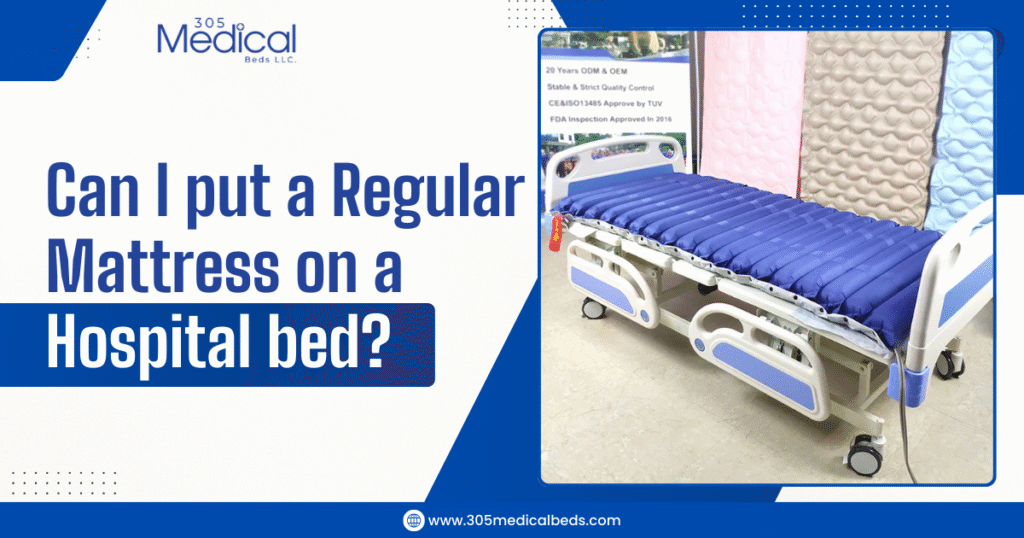
Can I Put a Regular Mattress on a Hospital Bed?

It’s one of those questions that seems simple at first — but the more you think about it, the more it matters. Maybe you’ve just rented or purchased a hospital bed for a family member at home. Maybe the mattress that came with it doesn’t feel comfortable enough. Or maybe you’re wondering if you can just swap in the memory foam mattress sitting in the spare room. The short answer? It depends — and getting it wrong can affect both safety and recovery. Let’s walk through everything you need to know about putting a regular mattress on a hospital bed, what actually works, and what your best options are. What Makes a Hospital Bed Different From a Regular Bed? Before answering whether a regular mattress works, it helps to understand why hospital beds are built differently in the first place. A hospital bed is designed for medical functionality, not just sleep. Key features include: These features mean the frame is not a flat, fixed surface like a standard bed frame. The mattress platform bends and flexes as the head and foot sections move. That single fact changes everything about what type of mattress can safely go on it. So Can You Put a Regular Mattress on a Hospital Bed? Technically, you can place a regular mattress on a hospital bed in some situations — but in most cases, it’s not recommended. Here’s why. The Size Problem Standard hospital bed mattresses are typically 36 inches wide x 80 inches long — narrower than a standard twin mattress (38″ x 75″) and longer. A regular twin or full mattress will almost never be a clean fit. It may overhang the sides, leave gaps near the rails, or bunch up when the bed adjusts. The Flexibility Problem This is the bigger issue. Regular mattresses — especially memory foam, innerspring, or thick hybrid mattresses — are not designed to bend. When the head or foot section of a hospital bed raises, a rigid mattress will either: The Thickness Problem Most hospital bed frames are designed for mattresses 5 to 7 inches thick. A standard home mattress is often 10 to 14 inches thick. A thick mattress raises the patient’s sleeping surface too high relative to the side rails — which are there to prevent falls. If the patient’s body is at or above rail height, those rails offer no protection. What Happens If You Use the Wrong Mattress? Using an incompatible mattress on a hospital bed isn’t just uncomfortable — it can be genuinely dangerous: For patients who are already vulnerable — elderly, post-surgical, or with limited mobility — these risks are not trivial. When Can a Regular Mattress Work on a Hospital Bed? There are limited scenarios where a regular mattress might be acceptable: Even in these cases, it’s worth consulting the bed manufacturer’s guidelines or a medical equipment supplier before proceeding. What works in theory doesn’t always work safely in practice. Final Thoughts Putting a regular mattress on a hospital bed might seem like an easy solution, but the risks — from fall hazards to pressure injuries to motor damage — make it a decision worth thinking through carefully. Hospital beds are precision equipment, and the mattresses designed for them are built to match that precision. The good news is that purpose-built hospital bed mattresses have come a long way. From comfortable gel foam to advanced alternating pressure systems, there are options that provide genuine comfort and meet the clinical demands of home care. At 305 Medical Beds, we carry a full range of hospital beds and compatible mattresses for every care need and budget. Whether you’re setting up a home care room for the first time or upgrading an existing setup, we’re here to help you make the right call. Frequently Asked Questions Can I use a memory foam mattress on a hospital bed? Standard memory foam mattresses are generally too thick and too rigid to work safely with an adjustable hospital bed frame. If you prefer the feel of memory foam, look for a thin (4–5 inch) memory foam mattress specifically sized for hospital beds. What size mattress fits a hospital bed? Most standard hospital beds take a 36″ x 80″ mattress. Always measure your specific frame and check the manufacturer’s specifications before purchasing. Can I add a mattress topper to a hospital bed mattress? Yes — a thin foam or gel topper (1–2 inches) can add comfort without significantly affecting the bed’s function. Avoid thick or rigid toppers that may interfere with the adjustable sections. Are hospital bed mattresses covered by insurance? In some cases, yes. Pressure-relief mattresses prescribed by a physician may be covered under Medicare or private insurance for qualifying patients. Check with your provider or ask us for guidance.
What are the Benefits of an Air Mattress for a Hospital Bed
Hospital Bed Mattresses, Uncategorized

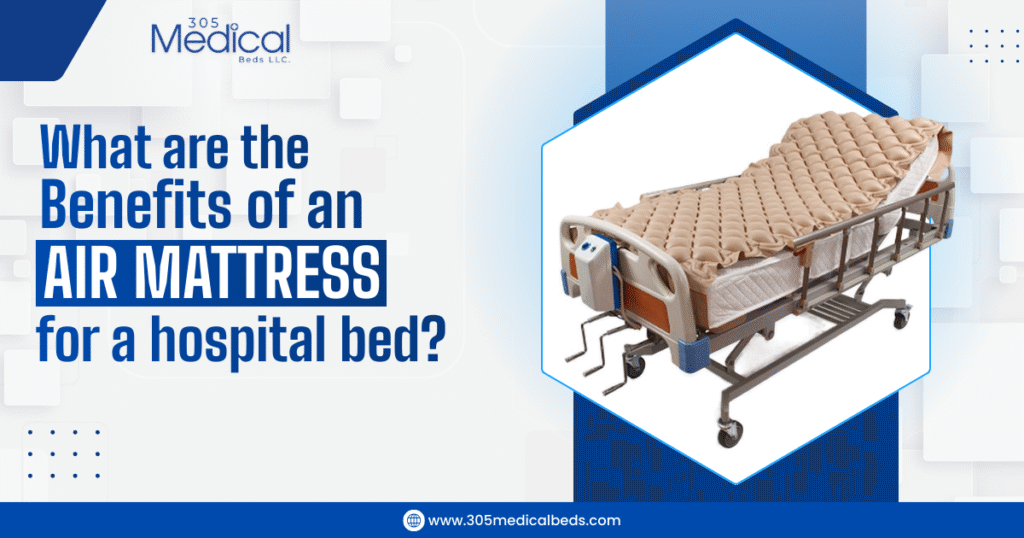
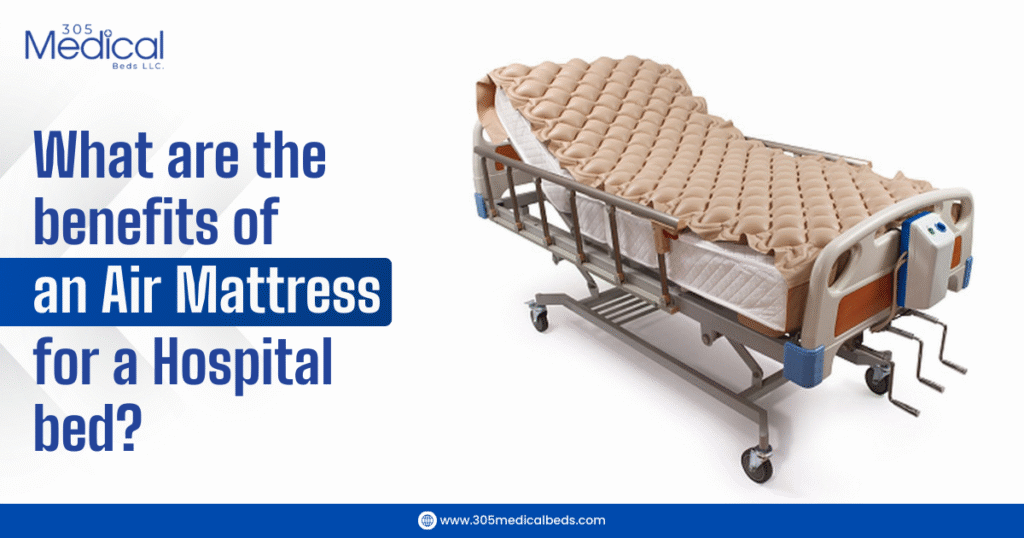
What are the Benefits of an Air Mattress for a Hospital Bed?

If someone you love is spending long hours — or entire days — in a hospital bed, you already know how fast discomfort turns into something more serious. Sore spots, restless nights, skin that starts breaking down. It happens faster than most people expect. An air mattress for a hospital bed is one of the most practical upgrades you can make — whether for a home care setup or a clinical environment. It’s not just about comfort (though that matters a lot). It’s about protecting the skin, improving circulation, and making recovery smoother for the person lying in that bed. In this guide, you’ll find everything you need to understand why air mattresses matter, what types are available, and how to choose the right one. What Is a Hospital Bed Air Mattress? A hospital bed air mattress is a specialized pressure-relief mattress designed to fit standard hospital beds. Unlike a regular foam mattress, it uses air-filled chambers or cells that can be adjusted, inflated, or programmed to shift pressure across the body automatically. These mattresses are commonly used for: They’re built to work with the adjustable frames of hospital beds — including rentals and home care models — making them a direct fit rather than a workaround. Top Benefits of an Air Mattress for a Hospital Bed 1. Prevents Pressure Ulcers (Bedsores) This is the number-one reason healthcare providers recommend air mattresses. Pressure ulcers — also called bedsores — develop when the skin and underlying tissue are compressed against a surface for too long. They’re painful, difficult to treat, and can lead to serious infections. An air mattress helps by redistributing pressure across the body’s surface. Alternating pressure models cycle air through different cells every few minutes, ensuring no single point bears constant weight. This simple mechanism dramatically reduces the risk of ulcer development, especially in patients who cannot reposition themselves. According to general clinical guidelines, pressure redistribution surfaces are a frontline recommendation for any patient at moderate-to-high risk of pressure injuries. 2. Improves Circulation Lying in one position for extended periods restricts blood flow — especially to the heels, tailbone, and shoulder blades. Poor circulation delays healing and increases the risk of tissue damage. Air mattresses support better circulation by gently alternating pressure zones. This mimics some of the benefits of movement without requiring the patient to shift position manually. For post-surgical patients or those with limited mobility, this can be an important part of their overall recovery plan. 3. Reduces Pain and Discomfort Many patients on traditional foam or spring mattresses report significant discomfort, particularly around bony prominences like the hips, knees, and heels. An air mattress offers customizable firmness — meaning it can be adjusted based on the patient’s weight, condition, and comfort preference. Softer zones can be created under painful areas, while firmer support can be maintained where the body needs it most. This level of personalization is simply not possible with a standard mattress. 4. Supports Faster Recovery Comfort directly affects recovery. Patients who sleep better, experience less pain, and maintain healthier skin tend to recover more quickly. An air mattress contributes to all three of these outcomes. For home care patients especially — where the goal is to maintain quality of life and reduce hospital readmissions — investing in a quality air mattress for a hospital bed can make a measurable difference in health outcomes. 5. Easy for Caregivers to Manage Modern hospital bed air mattresses often come with digital control units that allow caregivers to adjust firmness, cycle timing, and inflation levels without disturbing the patient. Some models include alarm systems that alert caregivers if the mattress deflates below a safe threshold. This ease of management reduces caregiver strain and ensures consistent pressure relief even during overnight hours when repositioning may not be feasible. 6. Waterproof and Easy to Clean Hospital-grade air mattresses typically feature waterproof, wipeable covers that resist bacteria and fluids. This is critical in care settings where hygiene directly affects patient health. Most covers can be cleaned with standard hospital disinfectants, making them practical for both clinical and home use. Who Needs a Hospital Bed Air Mattress? While any bedridden patient can benefit, certain groups have the highest need: In all of these cases, a standard mattress is simply not designed to meet the demands of prolonged bed rest. An air mattress is not a luxury — it’s a clinical necessity. Final Thoughts An air mattress for a hospital bed is one of the most impactful investments you can make in a patient’s care — whether at home or in a facility. From preventing painful pressure ulcers to supporting better sleep, circulation, and recovery, the benefits are well-documented and practically significant. The right mattress isn’t the same for every patient. If you’re unsure where to start, look at the patient’s mobility level, skin condition, and how long they’re expected to be in bed. From there, matching the mattress type to those needs becomes much more straightforward. At 305 Medical Beds, we carry a range of hospital beds and compatible pressure-relief accessories designed for real-world home care needs. If you’re setting up a care environment or upgrading an existing one, we’re here to help you get it right.

Hospital Bed Mattresses, Uncategorized

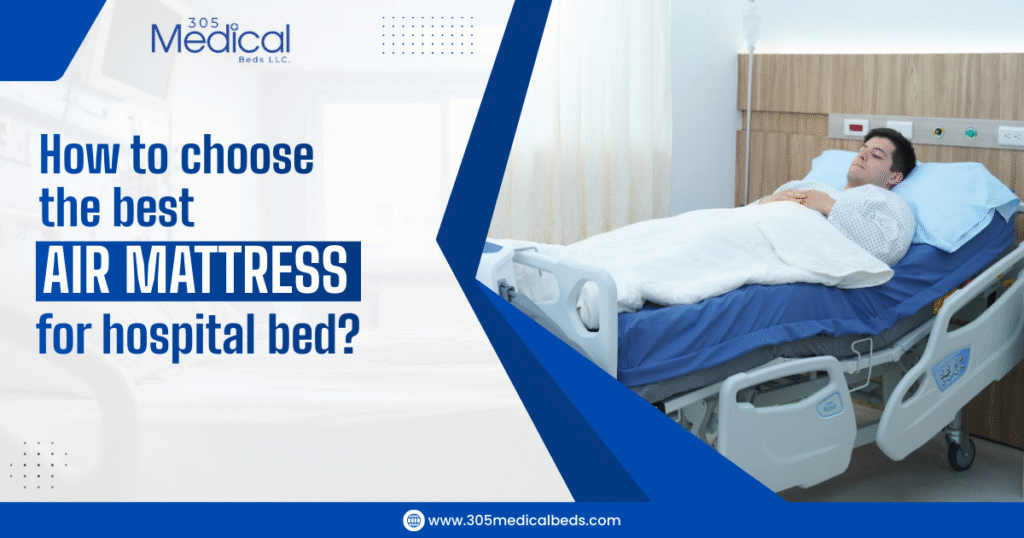
How to Choose the Best Air Mattress for a Hospital Bed

When caring for someone who spends long periods in bed, choosing the right mattress is just as important as selecting the hospital bed itself. Comfort, pressure relief, and proper body support all play a critical role in recovery and long-term care. The best air mattress for a hospital bed setup can make a huge difference in patient comfort and health. These mattresses are designed to reduce pressure on the body, improve circulation, and help prevent complications such as pressure ulcers. However, with many options available, choosing the right air mattress can feel overwhelming. In this guide, you’ll learn how to choose the best air mattress for a hospital bed, what features to look for, and which type may be best for patient care. What Is an Air Mattress for a Hospital Bed? An air mattress for a hospital bed is a specialized medical mattress that uses air-filled chambers to provide adjustable support. Unlike standard foam mattresses, air mattresses distribute body weight evenly and allow pressure levels to be adjusted. These mattresses are commonly used for patients who: Healthcare authorities such as the World Health Organization highlight the importance of pressure management for patients with limited mobility. Why Choosing the Best Air Mattress Matters Selecting the best air mattress for hospital bed use can significantly impact patient comfort and safety. A high-quality air mattress can help: Without proper pressure relief, patients who remain in bed for long periods may develop skin injuries or discomfort. Key Factors to Consider When Choosing the Best Air Mattress for a Hospital Bed There are several important features to evaluate before purchasing an air mattress. 1. Pressure Relief Technology Pressure relief is one of the most important features. The best air mattress for hospital bed setups should include alternating pressure technology, which automatically shifts air between chambers to reduce pressure on specific areas of the body. Benefits include: Medical device guidance from the U.S. Food and Drug Administration emphasizes pressure management as a key factor in patient care. 2. Mattress Size Compatibility Hospital beds come in different sizes, so the mattress must fit properly. Common hospital bed mattress sizes include: Always confirm that the air mattress is compatible with your hospital bed frame. 3. Weight Capacity Each air mattress has a maximum weight capacity. Choosing a mattress with the correct weight capacity ensures: For heavier patients, bariatric air mattresses provide stronger support. 4. Adjustable Air Pressure Settings The best air mattress for hospital bed use should allow caregivers to adjust air pressure levels. Adjustable pressure helps: This flexibility ensures that the mattress adapts to the patient’s specific needs. 5. Pump System Quality The pump controls airflow and pressure inside the mattress. When choosing a mattress, look for pumps that offer: A high-quality pump ensures the mattress maintains proper support throughout the day and night. 6. Low Air Loss Technology Some air mattresses include low-air-loss systems. These systems release small amounts of air to keep the patient cool and dry. Benefits include: This feature is especially useful for patients who spend extended periods in bed. 7. Durability and Material Quality The materials used in the mattress affect both comfort and longevity. Look for mattresses made from: These materials are easier to clean and more resistant to wear. Types of Air Mattresses for Hospital Beds Different types of air mattresses are designed for different patient needs. Alternating Pressure Air Mattress This mattress automatically shifts air between chambers. Benefits include: This is one of the most commonly recommended options. Low Air Loss Mattress Low-air-loss mattresses continuously release airflow to maintain a dry and cool surface. They help: These mattresses are often used for patients with sensitive skin. Static Air Mattress Static air mattresses maintain consistent air pressure. They provide stable support and are suitable for patients with moderate mobility. Who Needs the Best Air Mattress for a Hospital Bed? Air mattresses are ideal for patients who require long-term bed care. Elderly Individuals Older adults with limited mobility often benefit from pressure-relief mattresses. Surgery Recovery Patients Patients recovering from surgery may experience discomfort and need additional support. Long-Term Bedridden Patients Patients who remain in bed for extended periods need proper pressure distribution to prevent complications. Patients with Limited Mobility Individuals who cannot reposition themselves frequently benefit greatly from air mattresses. Air Mattress vs Standard Hospital Mattress Understanding the difference helps when choosing the right option. Feature Air Mattress Standard Mattress Pressure Relief Excellent Moderate Comfort Adjustable Fixed Circulation Support High Limited Bedsore Prevention Strong Lower Customization Adjustable Minimal Air mattresses offer better pressure management and improved patient comfort. Air Mattresses for Home Healthcare More families today are providing care at home using hospital beds and air mattresses. These mattresses help create a comfortable recovery environment without requiring extended hospital stays. Benefits for home care include: If you are looking for high-quality medical beds, you may also explore our electric hospital beds, adjustable hospital beds, and hospital bed mattresses available at 305 Medical Beds. These products help create a complete patient care setup. Conclusion Choosing the best air mattress for hospital bed use is an important step in improving patient comfort, safety, and recovery. A high-quality air mattress provides pressure relief, better circulation, and improved support for individuals who spend extended time in bed. By considering features such as pressure technology, adjustable settings, pump quality, and mattress durability, caregivers can select the most suitable option for patient needs. Whether used in hospitals or home healthcare settings, the right air mattress can significantly enhance comfort, recovery, and overall patient care. Frequently Asked Questions (FAQ) The best air mattress for hospital beds typically includes alternating pressure technology, adjustable air settings, and a reliable pump system for consistent pressure relief. Yes. Air mattresses redistribute body weight and reduce pressure points, helping prevent bedsores in patients who spend long periods in bed. Yes. Many air mattresses are designed for home healthcare use and are compatible with standard hospital beds. Consider factors such as patient weight, mobility level, pressure relief needs, and mattress size compatibility

Hospital Bed Mattresses, Uncategorized

What are the Benefits of an Air Mattress For a hospital Bed?

When someone spends extended time in bed due to illness, injury, or recovery, comfort becomes much more than a luxury—it becomes a necessity. Standard mattresses often cannot provide the level of support needed for patients who remain in bed for long periods. This is where an air mattress for a hospital bed becomes extremely valuable. Designed specifically for medical use, these mattresses help improve patient comfort, reduce pressure on the body, and support faster recovery. Whether used in hospitals or home healthcare settings, an air mattress can significantly improve the quality of care and overall patient well-being. In this guide, we will explain what an air mattress for a hospital bed is, its key benefits, features, and why it is essential for patient care. What Is an Air Mattress for a Hospital Bed? An air mattress for a hospital bed is a specialized medical mattress that uses air chambers to provide adjustable support and pressure relief for patients. Unlike traditional foam or spring mattresses, an air mattress distributes body weight evenly and adjusts air pressure to reduce stress on specific areas of the body. These mattresses are commonly used for patients who: Healthcare organizations such as the World Health Organization emphasize proper patient positioning and pressure relief to prevent complications in long-term care. How Does an Air Mattress Work? An air mattress works using inflatable air chambers connected to an electric pump system. The pump controls air pressure inside the mattress and continuously adjusts the distribution of air to different sections. This system allows the mattress to: Many advanced air mattresses also include alternating pressure technology, which periodically shifts air between chambers to prevent prolonged pressure on one part of the body. Key Benefits of an Air Mattress for Hospital Beds Air mattresses provide several important benefits for patients and caregivers. 1. Helps Prevent Pressure Ulcers (Bedsores) One of the most important benefits of an air mattress for hospital beds is pressure ulcer prevention. Pressure ulcers occur when prolonged pressure reduces blood flow to certain areas of the body. Air mattresses help by: These features significantly reduce the risk of skin damage and bedsores. Medical guidance from the U.S. Food and Drug Administration highlights the importance of pressure management in patient care. 2. Improves Patient Comfort Patients who remain in bed for long periods often experience discomfort due to pressure buildup. Air mattresses improve comfort by: The adjustable air chambers allow patients to rest comfortably without excessive pressure on sensitive areas. 3. Enhances Blood Circulation Poor circulation can become a serious issue for bedridden patients. An air mattress improves circulation by: Better circulation supports faster healing and reduces the risk of complications. 4. Supports Faster Recovery Recovery is easier when the body remains properly supported. Air mattresses help patients recover by: Good sleep and reduced discomfort are important for healing and overall health. 5. Reduces Caregiver Effort Caregivers often need to reposition patients frequently to prevent pressure injuries. Air mattresses reduce this burden by automatically adjusting pressure distribution. Benefits for caregivers include: This is especially helpful in home healthcare environments. 6. Adjustable Pressure Levels Many air mattresses allow caregivers to customize pressure levels based on patient weight and medical needs. This allows for: Adjustable pressure also helps maintain proper spinal alignment. 7. Ideal for Long-Term Bedridden Patients Patients who remain in bed for extended periods benefit greatly from air mattresses. These mattresses help reduce complications associated with immobility, including: For long-term care patients, an air mattress can make a significant difference in daily comfort. Types of Air Mattresses for Hospital Beds There are different types of air mattresses designed for medical use. Alternating Pressure Air Mattress This mattress automatically shifts air between chambers to reduce pressure on specific areas. Benefits include: Low Air Loss Mattress This mattress continuously releases small amounts of air to keep the patient cool and dry. It helps: Static Air Mattress A static air mattress maintains consistent air pressure without alternating cycles. It provides stable support for patients with moderate mobility needs. Who Should Use an Air Mattress for a Hospital Bed? Air mattresses are recommended for several types of patients. Elderly Individuals Older adults with limited mobility benefit from pressure-relieving mattresses. Surgery Recovery Patients Patients recovering from surgery often need extra comfort and pressure management. Long-Term Care Patients Individuals who remain in bed for extended periods need pressure-relief support. Patients with Mobility Issues People who cannot reposition themselves frequently benefit from automated pressure adjustment. Air Mattress vs Standard Hospital Bed Mattress Understanding the difference between these mattress types helps when choosing the right option. Feature Air Mattress Standard Mattress Pressure Relief Excellent Limited Comfort Adjustable Fixed Circulation Support High Moderate Bedsores Prevention Effective Less effective Customization Adjustable Minimal Air mattresses provide superior support for patients requiring long-term bed care. Air Mattresses for Home Healthcare More families today are using air mattresses with hospital beds at home. These mattresses help provide professional-level care without requiring a hospital stay. Benefits for home healthcare include: If you are exploring options, you may also want to browse our hospital bed mattresses and adjustable medical beds available at 305 Medical Beds. You can also explore related products such as: These solutions help create a complete patient care setup. Conclusion An air mattress for a hospital bed is an essential tool for improving patient comfort, preventing pressure ulcers, and supporting better recovery. By distributing body weight evenly and adjusting pressure automatically, these mattresses help reduce complications associated with long-term bed rest. Whether used in hospitals, rehabilitation centers, or home healthcare environments, air mattresses provide better support for patients and make caregiving easier. For individuals recovering from surgery, managing mobility challenges, or requiring long-term care, choosing the right air mattress can significantly improve comfort, safety, and overall quality of life. Frequently Asked Questions An air mattress helps reduce pressure on the body, improve circulation, and prevent bedsores for patients who spend extended time in bed. Yes. Air mattresses use alternating pressure technology to redistribute body weight and reduce pressure points that

Top 10 Hospital Bed Mattresses
Hospital Bed Mattresses, Hospital Beds, Uncategorized

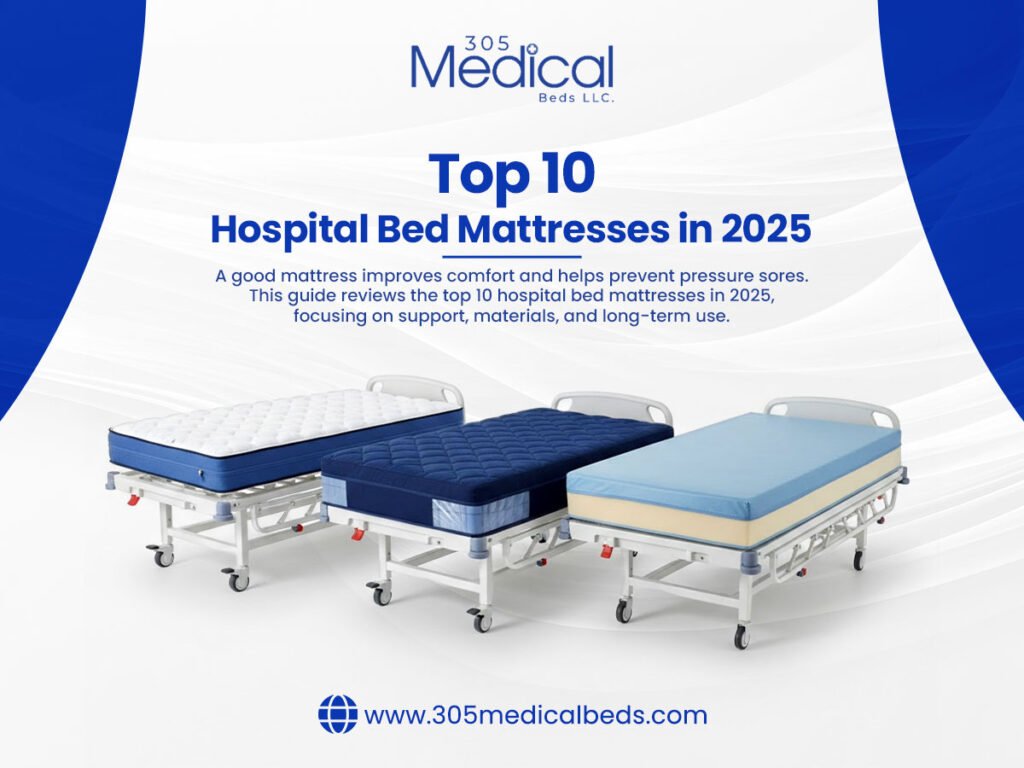
Top 10 Hospital Bed Mattresses in 2025

When it comes to providing comfort and support to patients, hospital bed mattresses play a crucial role. Whether you’re recovering from surgery, managing a chronic condition, or seeking a mattress for long-term care, choosing the right hospital bed mattress is essential for a good night’s rest. But with so many options available, how do you know which one is the best? We’ve done the research to bring you the Top 10 Best Hospital Bed Mattresses for 2025. From pressure relief to durability, we’ve ranked mattresses based on comfort, medical-grade support, and customer feedback. For more guidance on selecting a mattress that meets medical and comfort needs, you can refer to how to pick out the right hospital bed mattress. Let’s dive into these highly rated options that can ensure you or your loved ones sleep better and recover faster. Best Hospital Bed Mattresses 1. Drive Medical Therapeutic Foam Mattress Key Features: The Drive Medical Therapeutic Foam Mattress is a reliable choice for those in need of hospital bed mattresses. It’s made with a high-density foam core that offers excellent support for extended periods of use. Perfect for anyone requiring a simple, budget-friendly option. Why Choose It? 2. Invacare Softform Premier Mattress Key Features: For patients who require a premium option, the Invacare Softform Premier Mattress provides excellent comfort and support. Its advanced foam technology provides even weight distribution, making it an excellent option for patients who need extra pressure relief. Why Choose It? 3. Medline Medi-Pak Foam Mattress Key Features: The Medline Medi-Pak Foam Mattress offers comfort and safety with its high-density foam and antimicrobial cover. It’s designed to offer optimal support for patients in hospitals or home care settings. Why Choose It? 4. ZINUS 12 Inch Green Tea Memory Foam Mattress Key Features: The ZINUS Memory Foam Mattress is an innovative option that brings comfort and sustainability together. Infused with green tea extract, this mattress helps create a clean, fresh sleeping environment. Plus, the memory foam contouring technology ensures pressure relief for bedridden patients. Why Choose It? 5. Relax-O-Pedic Memory Foam Mattress Key Features: Relax-O-Pedic’s Memory Foam Mattress is a fantastic option for those who need a soft yet supportive sleeping surface. It’s designed with memory foam that contours to your body, providing superior comfort while preventing pressure sores. Why Choose It? 6. American Medical Concepts (AMC) Foam Mattress Key Features: AMC’s Foam Mattress offers hospital-grade support and comfort at an affordable price. Ideal for patients with mobility issues, it provides sufficient support while minimizing the risk of pressure ulcers. Why Choose It? 7. Invacare IVC Foam Mattress Key Features: The Invacare IVC Foam Mattress is made for patients who need a supportive and comfortable surface for long-term use. It’s built with high-quality foam that helps reduce pressure on the body, preventing pressure sores. Why Choose It? 8. Drive Medical Deluxe Pressure Redistribution Foam Mattress Key Features: Drive Medical’s Deluxe Pressure Redistribution Foam Mattress is designed to meet the needs of patients who require extra pressure relief. It offers advanced pressure redistribution to ensure comfort during extended periods of bed rest. Why Choose It? 9. Medline Enhanced Pressure Relief Mattress Key Features: The Medline Enhanced Pressure Relief Mattress features multi-layered foam to ensure superior pressure relief. This mattress is perfect for patients who spend extended periods in bed, helping to prevent the development of pressure sores. Why Choose It? 10. Essential Hospital Bed Foam Mattress Key Features: The Essential Hospital Bed Foam Mattress offers a simple yet effective solution for hospital beds. It is made with high-density foam to provide adequate support and comfort, all while being easy on the wallet. Why Choose It? Conclusion Choosing the right hospital bed mattress can greatly impact comfort, recovery, and overall quality of life. Whether you’re looking for a budget-friendly option or a high-end memory foam mattress, the models listed above offer a variety of features to meet different needs. Consider factors like durability, pressure relief, comfort, and patient requirements when making your decision.

How to pick out the Right Hospital Bed Mattress
Hospital Bed Mattresses, Hospital Beds, Uncategorized

How To Pick Out the Right Hospital Bed Mattress

Choosing the right hospital bed mattress is crucial for the comfort, health, and safety of the patient. Whether you’re caring for a loved one at home or managing your own health needs, the Mattress you choose can make a significant difference in how well you rest and recover. In this comprehensive guide, we’ll walk you through the key factors to consider when selecting the perfect hospital bed mattress and how to ensure it provides optimal support, comfort, and durability. Why the Right Hospital Bed Mattress Matters When it comes to hospital beds, the Mattress isn’t just a place to sleep—it’s a critical component of overall health and recovery. An improper mattress can lead to discomfort, poor sleep quality, and even health complications like bedsores or pressure ulcers. Key Reasons to Choose the Right Mattress: Types of Hospital Bed Mattresses: Which One Is Right for You? Different types of hospital bed mattresses include foam, gel, air, and innerspring options for patient comfort and support. Hospital bed mattresses come in various types, each designed for different needs. Let’s break down the most common types to help you make an informed choice. For a comprehensive comparison of highly rated mattresses this year, you can explore our guide on top hospital bed mattresses for 2025 to see detailed features, pros, and cons. Hospital bed mattresses come in various types, each designed for different needs. Let’s break down the most common types to help you make an informed choice. 1. Innerspring Mattresses 2. Foam Mattresses 3. Gel Mattresses 4. Air Mattresses 5. Alternating Pressure Mattresses Factors to Consider When Choosing a Hospital Bed Mattress Selecting the right Mattress involves more than just looking at the type—it requires considering specific needs, conditions, and preferences. Here’s what to look for when shopping for a hospital bed mattress: 1. Patient’s Medical Condition 2. Pressure Relief Needs 3. Comfort and Firmness 4. Size and Fit 5. Durability and Longevity Additional Features to Look For 1. Waterproof Covering 2. Breathability 3. Easy Maintenance How to Properly Maintain Your Hospital Bed Mattress A clean and well-maintained mattress ensures both comfort and longevity. Here are some tips for proper care: Conclusion Selecting the right hospital bed mattress is more than just a purchase—it’s an investment in the comfort, health, and well-being of the patient. By considering factors such as the patient’s medical condition, pressure relief needs, and the mattress material, you can choose a product that improves their overall care experience. Remember to consider long-term durability, comfort, and the ability to maintain the Mattress for hygiene purposes. Whether you choose a foam, air, or gel mattress, ensuring the proper fit and care will help your loved one or yourself get the rest and support needed to recover or stay comfortable. FAQs 1. How often should I replace a hospital bed mattress? Most hospital bed mattresses last between 5 and 7 years, but if you notice wear, sagging, or discomfort, it’s time to replace them sooner. 2. Can I use a regular mattress on a hospital bed? It’s best to use a mattress designed for hospital beds, as regular mattresses may not fit properly or offer the required support. 3. Are air mattresses suitable for all patients? Air mattresses are ideal for high-risk patients, especially those with limited mobility. However, they may not be necessary for patients with a low risk of bedsores. 4. Can I use a regular mattress on a hospital bed?It’s best to use a hospital-specific mattress to ensure proper fit, support, and safety. 5. How often should I replace a hospital bed mattress?Replace the mattress every 5-7 years or sooner if it shows signs of wear or discomfort. 6. Are air mattresses better than foam mattresses?Air mattresses offer superior pressure relief, making them ideal for patients at risk of bedsores, but foam mattresses are more affordable and provide good comfort.

305 Medical Beds LLC |  2739 W 79 St, Unit 15, Hialeah, Florida 33016 |  Phone: 1.305.562.7960
© Copyright 2012 – 2024 | All Rights Reserved.

You have been successfully Subscribed! Ops! Something went wrong, please try again.

About Us

We are passionate about our customer service, assuring that our equipment is in appropriate conditions and operating correctly. We also offer guidance before purchasing any equipment, making sure that your purchase is the best choice for your needs.

305 Medical Beds LLC |  2739 W 79 St, Unit 15, Hialeah, Florida 33016 |  Phone: 1.305.562.7960
© Copyright 2012 – 2024 | All Rights Reserved.