
Hospital Beds

Why Choose Refurbished Hospital Beds Over New Ones?
Hospital Beds, Refurbished Hospital Beds, Uncategorized

Why Choose Refurbished Hospital Beds Over New Ones?

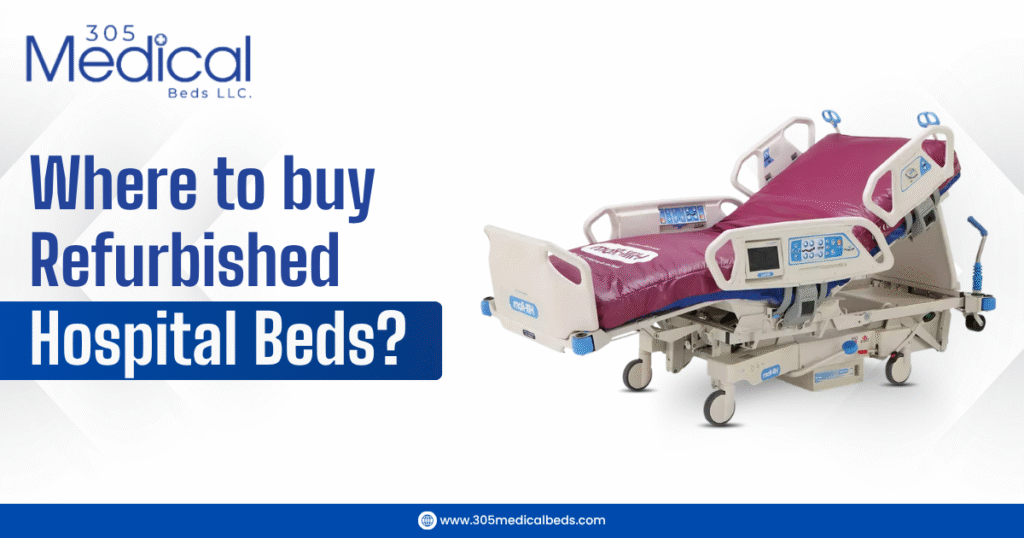
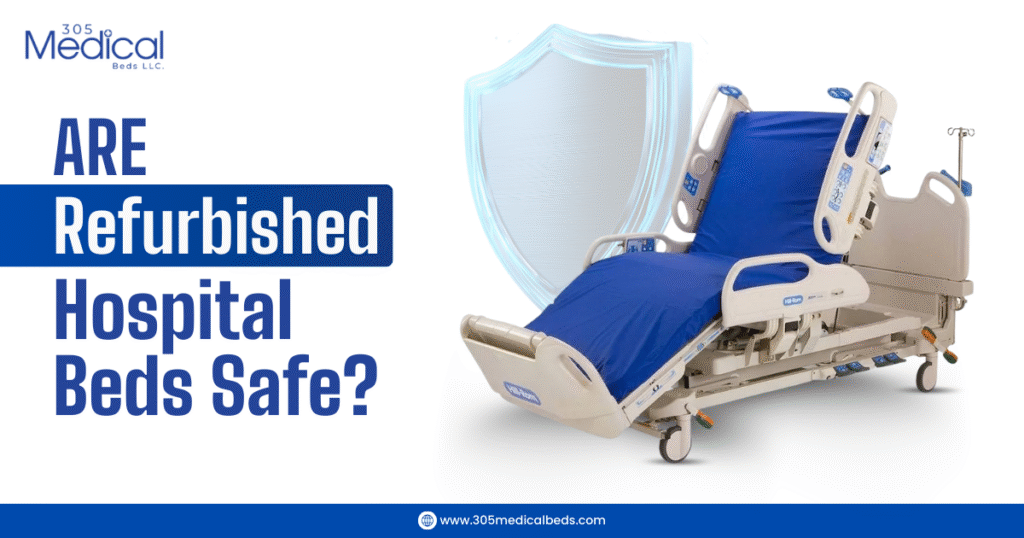
Choosing a hospital bed isn’t something most people think about until they need one—and when that time comes, the choice becomes incredibly important. Whether you’re preparing a clinic, expanding a healthcare facility, or caring for a loved one at home, selecting the right bed directly affects comfort, safety, and recovery. While new beds often seem like the “default” option, thousands of healthcare professionals and families now prefer refurbished hospital beds because they deliver exceptional value without compromising quality. In today’s cost-sensitive, eco-conscious world, refurbished beds are a smart, reliable, and sustainable solution. What Are Refurbished Hospital Beds? Refurbished hospital beds are professionally restored beds that undergo: At 305 Medical Beds, many refurbished units come from premium brands such as Hillrom, Stryker, Linet, and Invacare, ensuring durability and long-term performance. Reasons to Choose Refurbished Hospital Beds Over New Ones 1. Major Cost Savings Without Sacrificing Quality The cost difference is one of the biggest reasons facilities choose refurbished beds. Price Comparison Type Average Cost New Hospital Bed $2,000–$10,000+ Refurbished Hospital Bed 40–70% less than new For organizations seeking to maximize budget efficiency, refurbished beds make it possible to acquire high-end models for the price of basic new ones. 2. Certified Safety & Reliable Performance Refurbished hospital beds aren’t “used beds.” They’re re-certified medical devices restored to meet or exceed industry standards. This includes: Many biomedical engineers agree: refurbished premium models often outperform low-cost new beds due to superior engineering. 3. Fast Delivery & Ready Inventory While new beds may require long manufacturer wait times, refurbished beds can be: This makes them ideal for: 4. Eco-Friendly Healthcare Solution Refurbished hospital beds support sustainability by: This aligns with modern eco-conscious healthcare standards. 5. Access to High-End Features at Lower Prices Instead of settling for a budget new bed, you can afford advanced hospital beds with: This enhances patient comfort and clinical safety. 6. Customization Options Refurbished hospital beds offer flexible customization, including: This personalization is perfect for both homecare and medical centers. 7. Ideal for Homecare Settings Families prefer refurbished hospital beds because they offer: Homecare doesn’t have to break the bank—and refurbished beds make quality accessible. 8. Warranty & Technical Support Reputable refurbishers, including 305 Medical Beds, offer warranties such as: This ensures long-term peace of mind. 9. Ideal for Backup & Surge Capacity Hospitals use refurbished beds to: The affordability and durability make them a smart addition to any facility. Refurbished vs. New Hospital Beds: Comparison Table Feature Refurbished New Cost 40–70% lower High upfront cost Availability Ready to ship Long lead times Quality High (premium brands) Varies Warranty Yes (6–24 months) Yes Sustainability Eco-friendly Higher footprint Customization Very flexible Limited Best for Homecare, clinics, expansions New facility builds Conclusion Choosing refurbished hospital beds over new ones is a practical, cost-effective, and sustainable decision for medical facilities and homecare environments. They deliver: If you want high-end quality without the high-end cost, refurbished hospital beds are the best choice—and 305 Medical Beds offers some of the most reliable refurbished models in the industry. Shop Refurbished Beds Now! Shop certified refurbished hospital beds today at 305 Medical Beds.Affordable. Safe. Ready when you need them. Frequently Asked Questions 1. Are refurbished hospital beds safe? Yes. They undergo strict testing, part replacement, and certification to meet medical standards. 2. How long do refurbished beds last? Many last 10–15 years with proper maintenance. 3. Do they come with warranties? Yes—most refurbished beds include warranties of 6 months to 2 years. 4. Are refurbished beds the same as used beds? No. Used beds are sold as is, while refurbished beds are professionally restored and certified. 5. Are refurbished beds good for homecare? Absolutely. They offer comfort, adjustability, and savings, perfect for long-term recovery. 6. Are refurbished beds compliant with regulations? Yes—reputable suppliers follow FDA, ISO, and CE standards.

Common Hospital Bed Issues and How to Fix Them
Hospital Beds, Hospital Beds Tips, Uncategorized

Common Hospital Bed Issues and How to Fix Them

Hospital beds are designed to support patient comfort, mobility, and safety—but like all equipment, they can experience problems over time. Whether the bed is used in a clinical facility or at home, even small issues can disrupt patient care and create frustration for caregivers. The good news? Most common hospital bed issues can be fixed with simple troubleshooting, routine maintenance, or part replacement. Understanding these problems early can save time, prevent breakdowns, and extend the lifespan of your equipment. Below, we break down the most frequent issues users face and provide clear, practical steps on how to fix them. Why Hospital Beds Develop Issues Hospital beds are mechanical and electrical devices that undergo constant movement, frequent adjustments, and daily weight-bearing stress. Over time, components wear out or require recalibration. Typical causes include: Most issues are routine and don’t require replacing the entire bed—just proper troubleshooting. 1. Bed Does Not Raise or Lower Properly One of the most common mechanical problems is when a hospital bed won’t lift, lower, or adjust smoothly. Symptoms Likely Causes How to Fix It 2. Hospital Bed Remote or Handset Not Working The handset (controller) is used constantly, so it’s no surprise that issues are frequent. Symptoms Common Causes How to Fix It Pro Tip: If the Trendelenburg or tilt functions work but height adjustment doesn’t, the issue is likely with the actuator—not the controller. 3. Electric Bed Not Powering On When a hospital bed won’t turn on, it interrupts patient care and mobility. Symptoms Possible Causes How to Fix It 4. Side Rails Not Locking or Moving Smoothly Side rails play a crucial safety role. When they malfunction, patient risk increases. Symptoms Common Causes How to Fix It 5. Mattress Sagging or Causing Discomfort A sagging or uncomfortable mattress can severely impact patient recovery. Common Signs Causes Fix Options 6. Noisy Hospital Bed Motors While some noise is normal, loud or unusual sounds may indicate deeper issues. Symptoms Causes How to Fix It Tip: If noise occurs under weight but not when empty, the actuator is beginning to fail. 7. Wheels or Casters Not Rolling or Locking Properly Hospital beds rely on smooth mobility for patient transfers and cleaning. Symptoms Causes How to Fix It 8. Trendelenburg or Reverse Trendelenburg Not Functioning These advanced features rely on motor synchronization. Symptoms Causes How to Fix It Maintenance Tips to Prevent Future Issues Clean the bed regularly. Dust and debris can affect motors and moving parts. Inspect wiring monthly Look for frayed cables or loose connections. Lubricate rails and joints Prevents grinding and sticking. Avoid exceeding weight capacity. Overloading causes actuator failure. Schedule professional servicing Especially for high-use clinical settings. When to Call a Professional Some issues require expert assessment, especially when involving: 305 Medical Beds provides professional repair, refurbishment, and replacement solutions to keep your equipment safe and functional. Need hospital bed repair or parts? Contact 305 Medical Beds today for expert support. Conclusion Understanding common hospital bed issues and how to fix them empowers caregivers, healthcare staff, and home users to maintain their equipment safely and efficiently. Most problems—whether mechanical, electrical, or safety-related—can be solved with simple troubleshooting. A well-maintained hospital bed offers: If your bed is showing repeated problems, it may be time to repair or replace it—and refurbished hospital beds from 305 Medical Beds offer a reliable, affordable alternative.

Choosing the right hill-rom bed for home recovery
Hill Rom Beds, Uncategorized

Choosing the Right Hill Rom Bed for Home Recovery

Recovering from surgery or a serious injury can be challenging, especially when you are at home and need a bed that offers more than just a place to sleep. Hill-Rom beds have long been a trusted choice in hospitals, but did you know they are also an excellent option for home recovery? With adjustable features, pressure relief technology, and enhanced safety, a Hill-Rom bed could be the key to ensuring a smoother, more comfortable recovery at home. In this guide, we’ll walk you through the essential features of a Hill-Rom bed, why it’s an ideal choice for recovery, and how to choose the best model for your needs. What is a Hill Rom Bed? A Hill Rom bed is a medical bed designed with various features to aid in recovery, especially for patients who need specialized care after surgery or during prolonged illness. These beds are equipped with functions like adjustable head, foot, and height positioning, pressure-relieving mattresses, and safety mechanisms to enhance patient comfort and recovery. Why Choose a Hill Rom Bed for Home Recovery? If you’re recovering at home, having the right bed can make all the difference. Here are some reasons why a Hill-Rom bed could be a great investment: Key Features to Look for in a Hill-Rom Bed for Home Recovery When selecting a Hill-Rom bed for home recovery, several features need to be carefully considered to ensure that the bed suits your or the patient’s needs. Below are the key features you should look for: 1. Adjustability One of the most important aspects of a Hill-Rom bed is its adjustability. Look for models that allow you to adjust: 2. Pressure Relief Mattresses Pressure sores (bedsores) are a major concern for patients who spend long periods in bed. To address this, Hill-Rom beds come equipped with pressure-relieving mattresses. These mattresses redistribute the patient’s weight, relieving pressure from vulnerable areas like the back, hips, and heels. Options include: 3. Size and Weight Capacity Before purchasing a Hill-Rom bed, check both the size and weight capacity to ensure it fits the patient’s needs: 4. Control and Ease of Use Hill-Rom beds are often equipped with electric controls that make adjusting the bed’s position quick and easy. Some models even feature remote controls, allowing patients to change their position without help. It’s essential to look for a model with easy-to-read controls and user-friendly interfaces. 5. Safety Features For added peace of mind, especially if the patient is at risk of falling out of bed, look for the following safety features: How to Choose the Right Hill-Rom Bed for Home Recovery Here’s a step-by-step approach to help you choose the right Hill-Rom bed for home recovery: Step 1: Assess the Patient’s Specific Needs First, consider the patient’s medical condition and mobility: Step 2: Measure the Space Available Ensure that the bed will fit comfortably in the room. Measure the space and compare it to the bed’s dimensions. Bariatric models are generally wider and may require more space than standard beds. Step 3: Check for Warranty and Support Look for a reliable warranty and customer support. Hill-Rom offers various warranties, some extending up to 5 years, depending on the model. This is crucial for peace of mind and long-term care. Step 4: Consult a Healthcare Professional Before making a final decision, it’s a good idea to speak with a healthcare provider, such as a physical therapist or your doctor. They can offer expert advice on which Hill-Rom bed best fits your recovery plan. Benefits of a Hill-Rom Bed for Home Recovery Using a Hill-Rom bed for home recovery offers numerous advantages that go beyond comfort: Conclusion Choosing the right Hill-Rom bed for home recovery is an important decision that can significantly impact the patient’s comfort, safety, and healing process. With features like adjustable positioning, pressure-relieving mattresses, and robust safety features, Hill-Rom beds are designed to provide the best possible support during recovery. Whether you are caring for a loved one or preparing for your own recovery, investing in a Hill-Rom bed will provide the necessary support to help ensure a smooth and effective recovery journey. FAQs: 1. What are the benefits of a Hill-Rom bed for home recovery? Adjustability, pressure relief, and safety features all make Hill-Rom beds ideal for individuals recovering from surgery or illness at home. They help improve circulation, prevent bedsores, and offer comfort. 2. Can I adjust the height of a Hill-Rom bed? Yes, most Hill-Rom beds allow for height adjustability, which helps patients get in and out of bed more easily, as well as providing easier access for caregivers. 3. How much does a Hill-Rom bed cost? The price varies depending on the model, size, and features. Standard models typically start around $2,000, while bariatric or specialty models can cost significantly more. 4. How do I maintain a Hill-Rom bed? Regularly check the mattress for wear and ensure the bed’s controls and side rails are functioning properly. It’s also important to clean the bed according to the manufacturer’s instructions.

Blog Featured Image showcasing three different types of Hospital Adjustable Beds for enhancing comfort and care at home
Adjustable Beds, Hospital Home Care, Uncategorized

Adjustable Hospital Beds: Enhancing Comfort and Care at Home

Adjustable hospital beds have become an essential part of modern home care. Whether supporting elderly individuals, patients recovering from surgery, or those with chronic medical conditions, these beds offer comfort, flexibility, and safety that traditional beds cannot match. Their customizable positions and medical-grade features improve healing, reduce caregiver strain, and enhance a patient’s overall quality of life. This comprehensive guide explains everything you need to know about adjustable hospital beds—features, types, benefits, safety considerations, and how to choose the right one for home use. What Are Adjustable Hospital Beds for Home Use? Adjustable hospital beds are specially designed medical beds that allow users to modify the head, foot, and height settings to achieve a comfortable and therapeutic resting position. These beds are commonly used at home for: Their customizability helps prevent pressure injuries, support breathing, improve circulation, and enable safer movement. Key Features of Adjustable Hospital Beds 1. Independent Head & Foot Adjustments Patients can raise or lower the head and foot sections to achieve personalized comfort. This helps with: Independent adjustments also make daily activities—reading, watching TV, or eating—much easier from bed. 2. Height Adjustability One of the most important features for home caregivers. Lowering the bed: ✔ Easier for patients to get in and out ✔ Reduces fall risk Raising the bed: ✔ Helps with cleaning, repositioning, dressing, and transfers ✔ Prevents caregiver back strain Height adjustability significantly improves efficiency and safety in daily care routines. 3. Safety Rails Most adjustable hospital beds come with rails to: Detachable or foldable rails offer flexibility based on the patient’s needs. 4. Remote Control Operation With a simple, easy-to-use remote, patients can: For individuals with limited mobility, this feature greatly improves autonomy and confidence. Types of Adjustable Hospital Beds for Home Use 1. Manual Adjustable Beds 2. Semi-Electric Adjustable Beds 3. Fully Electric Adjustable Beds Comparison Table: Manual vs Semi-Electric vs Fully Electric Beds Feature Manual Bed Semi-Electric Bed Fully Electric Bed Head Adjustment Manual Electric Electric Foot Adjustment Manual Electric Electric Height Adjustment Manual Manual Electric Ease of Use Moderate Good Excellent Caregiver Effort High Medium Low Cost Low Medium High Best For Short-term, budget Moderate use Long-term care, elderly Benefits of Adjustable Hospital Beds for Home Care 1. Improved Comfort & Pain Relief Adjustable beds help reduce: By redistributing body weight and relieving pressure points, they support better sleep and faster recovery. 2. Enhanced Caregiver Safety Caregivers can adjust the bed to a comfortable working height—reducing the risk of: This leads to safer, more efficient daily care. 3. Increased Patient Independence Patients can adjust their bed without assistance, allowing them to: Independence directly boosts emotional well-being. 4. Better Safety & Fall Prevention Adjustable beds enhance safety through: Some models also include optional alarms if patients attempt to exit unassisted. Choosing the Right Adjustable Hospital Bed for Home When selecting a home hospital bed, consider the following: 1. Patient Needs & Medical Condition Evaluate: Patients with limited mobility often benefit most from fully electric beds. 2. Budget & Long-Term Value Manual beds = Lowest cost Semi-electric = Balanced choice Fully electric = Best for long-term or complex care Insurance may cover part or all of the cost depending on medical necessity. 3. Build Quality & Durability Choose beds with: Durability is crucial for long-term safety and stability. 4. Additional Comfort Features Optional features include: These upgrades significantly improve the patient’s comfort and daily ease. Setting Up a Home Hospital Bed: Tips for Safety & Comfort 1. Choose the Right Room Make sure the space has: 2. Proper Assembly 3. Use Supportive Bedding & Accessories Enhance comfort with: These additions create a relaxing and functional care environment. Conclusion Adjustable hospital beds are a cornerstone of safe, comfortable, and effective home care. Their ability to customize positions, reduce caregiver strain, support healing, and improve patient independence makes them invaluable for long-term or short-term medical needs at home. Whether you’re caring for an elderly loved one, supporting post-surgery recovery, or managing chronic health conditions, choosing the right adjustable bed can significantly enhance comfort, safety, and overall quality of life. With the right preparation and thoughtful setup, an adjustable hospital bed transforms a standard home setting into a supportive, healing-focused environment. Frequently Asked Questions 1. Do adjustable hospital beds help with breathing? Yes—elevating the head can reduce breathing difficulty, help with COPD, asthma, and sleep apnea, and improve lung expansion. 2. Can hospital beds prevent bedsores? Adjustable positioning helps reduce pressure points, lowering the risk of pressure injuries when used with a proper mattress. 3. Are adjustable beds suitable for older adults? Absolutely. They help prevent falls, improve mobility, reduce pain, and offer independence through remote control adjustments. 4. Are fully electric hospital beds worth it? For long-term care, yes. They provide maximum comfort, ease of use, and safety for both patients and caregivers. 5. What mattress should be used on a home hospital bed? A medical-grade pressure-relief mattress or memory foam mattress designed for adjustable frames is recommended.

Blog Featured Image showing a bariatric patient lying on the
Bariatric Beds, Hospital Beds, Uncategorized

Why Bariatric Beds are Essential for Heavier Patients?

Patient comfort, safety, and proper medical support are critical elements in any healthcare environment. For overweight and obese patients, these needs become even more important due to increased pressure risk, mobility challenges, and the limitations of standard hospital beds. This is where bariatric beds play a vital role. Bariatric hospital beds are specifically designed to accommodate higher weight capacities, provide wider sleeping surfaces, and enhance patient comfort and caregiver safety. In this updated guide, we explore why bariatric beds matter, their features and benefits, their types, and how choosing the right one can significantly improve patient outcomes. What Is a Bariatric Bed? A bariatric bed is a heavy-duty hospital bed engineered to support patients weighing 350-1,000 lbs or more, depending on the model. Unlike standard hospital beds, bariatric beds provide: These beds ensure a safe, comfortable, and medically supportive environment for heavier patients who are at greater risk of pressure sores, falls, and mobility challenges. Why Bariatric Beds Are Essential for Heavier Patients Traditional hospital beds often do not provide adequate stability or comfort for heavier individuals. Research shows that: A bariatric bed solves these issues by offering a stable platform, wider space, and improved weight distribution, reducing pressure points and preventing skin breakdown. Key Benefits for Patients ✔ Even weight distribution reduces pressure ulcers ✔ Wider space provides comfort and prevents falls ✔ Stronger frames enhance safety ✔ Specialized mattresses support heavy weights without sagging ✔ Adjustable positioning improves breathing, circulation, and healing Key Features of Bariatric Beds 1. Increased Weight Capacity These beds are built to hold significantly higher weights, ensuring the patient rests securely. 2. Wider Frame for Comfort Extra width (usually 42–48 inches) gives obese patients adequate room, reducing friction and discomfort. 3. Electric Height & Position Adjustments Most bariatric beds include easy-to-use electric controls that allow: 4. Pressure-Reducing Mattresses Bariatric mattresses redistribute weight evenly, preventing painful pressure ulcers. 5. Durable Steel Construction Heavy-gauge metal ensures stability, durability, and long-term performance. 6. Safety Rails & Mobility Assistance Rails and grab bars help patients move independently and prevent accidental falls. How Bariatric Beds Support Healthcare Providers A bariatric bed is as beneficial to caregivers as it is to patients. Features such as electric height adjustment, wider access points, and sturdy support structures reduce the risk of caregiver injury while making repositioning and transfers easier. Benefits for caregivers include: How Bariatric Beds Improve Recovery & Rehabilitation Patient recovery depends heavily on comfort, mobility support, and proper sleep posture. Bariatric beds enable: Electric adjustability allows patients to sit upright, engage in therapy exercises, and reposition themselves without strain. Standard Hospital Beds vs Bariatric Hospital Beds Below is a quick comparison to highlight why bariatric beds are necessary: Feature Standard Hospital Bed Bariatric Hospital Bed Weight Capacity 250–350 lbs 500–1,000+ lbs Bed Width 36 inches 42–48 inches Mattress Type Standard foam Pressure-relief bariatric mattress Stability Moderate High stability for heavy weight Mobility Support Basic Advanced rails, support bars Caregiver Safety Lower Much higher Types of Bariatric Beds 1. Manual Bariatric Beds Budget-friendly but requires manual adjustment. Sturdy and reliable for basic needs. 2. Electric Bariatric Beds Most recommended for hospitals and home care due to: ✔ Electric height control ✔ Easy back/leg adjustment ✔ Smooth mobility ✔ Greater caregiver safety 3. Premium Bariatric Beds (Hill-Rom, Stryker, etc.) These beds come with: Factors to Consider When Choosing a Bariatric Bed When selecting the right bed, keep these factors in mind: Hill-Rom TotalCare P1840 Bariatric Plus If you need a reliable and high-performance bariatric hospital bed, the Hill-Rom TotalCare P1840 Bariatric Plus is one of the best options used in hospitals nationwide. Conclusion Bariatric beds are a vital component in delivering safe, comfortable, and effective care for overweight and obese patients. With specialized features such as enhanced weight capacity, wider frames, advanced support surfaces, and electric adjustments, they drastically improve patient outcomes and make caregiver tasks safer. Choosing the right bariatric bed—such as the Hill-Rom TotalCare P1840 Bariatric Plus—ensures both comfort and stability for patients who need extra support. Investing in the proper equipment not only improves recovery and safety but also elevates the overall quality of healthcare. Frequently Asked Questions 1. What weight can a bariatric bed support? Most models support 500–1,000 lbs, depending on the manufacturer and design. 2. Can bariatric hospital beds be used at home? Yes, especially electric models that are designed for home caregivers and long-term comfort. 3. Are bariatric beds covered by insurance? In many cases, yes—if medically necessary and prescribed by a doctor. 4. What mattress is used for a bariatric bed? A pressure-relieving bariatric mattress designed to distribute weight evenly and prevent skin damage. 5. Do bariatric beds help reduce bedsores? Absolutely. They reduce pressure points and friction, significantly lowering the risk.

How to Set Up and Maintain a Hospital Bed at Home
Hospital Beds, Hospital Home Care, Uncategorized

How to Set Up and Maintain a Hospital Bed at Home

Introduction Caring for a loved one at home often means creating a safe, comfortable, and supportive environment — and the right hospital bed can make all the difference. Whether you’re preparing for post-surgery recovery, long-term care, or mobility assistance, knowing how to set up and maintain a hospital bed at home ensures both comfort and safety for the patient and ease for the caregiver. At 305 Medical Beds, we specialize in providing refurbished Hill-Rom hospital beds, offering professional installation, maintenance, and consulting services to help you create a hospital-quality care setup in your home. In this detailed guide, you’ll learn everything from the step-by-step setup process to essential maintenance tips, ensuring your hospital bed stays reliable, hygienic, and functional for years to come. Related: Explore our collection of refurbished Hill-Rom hospital beds Why Proper Setup and Maintenance Are Crucial Setting up a hospital bed properly is more than just assembling a frame — it’s about ensuring patient comfort, safety, and effective care. An improperly installed bed can lead to uneven surfaces, motor malfunctions, or even safety risks for patients with limited mobility. A well-set-up hospital bed helps: Likewise, regular maintenance extends the lifespan of your hospital bed, prevents costly repairs, and maintains hygiene standards — all crucial in home healthcare. Proper setup and consistent upkeep are key to getting the most out of your Hill-Rom hospital bed investment. Preparing for Setup: What You’ll Need Before setting up your hospital bed, make sure you have all the tools and essentials ready. Preparation ensures a smooth installation and avoids unnecessary frustration later. Here’s what you’ll need: Setup tip: Avoid placing the bed near windows, heaters, or damp areas. Always ensure the power cord and controls are safely positioned to prevent tripping hazards or damage. Pro Tip: Before starting, visualize the room layout — ensure caregivers can access both sides of the bed and that the patient has easy access to essentials like lighting, remotes, and personal care items. Step-by-Step Guide: How to Set Up a Hospital Bed at Home Setting up a hospital bed for home care may seem complicated, but following a structured process makes it simple and safe. Here’s a detailed step-by-step breakdown to help you: Step 1: Choose the Right Location Pick a room with enough space for movement around the bed. The floor should be level, and the area should allow for electrical connections without creating clutter or hazards. Step 2: Assemble the Frame Follow the manufacturer’s guide (especially if you’re setting up a Hill-Rom hospital bed). Attach the base sections, frame, and side supports using the provided bolts or screws. Step 3: Attach the Headboard, Footboard, and Side Rails Secure all parts tightly to avoid instability. The side rails provide added safety, especially for patients prone to rolling or falling during sleep. Step 4: Install the Mattress Place the mattress evenly on the frame. Depending on the bed type, you may use: Step 5: Connect Electrical Components For electric or semi-electric beds, connect the motor unit, control box, and hand remote. Plug the power cord into a grounded outlet and test the functions. Step 6: Adjust Bed Height and Features Set the height for easy caregiver access and ensure that the raising, lowering, and tilt functions work properly. Step 7: Test and Secure Finally, test all mechanical and electrical functions. Lock wheels when stationary and double-check all connections. Maintenance Tips to Keep Your Hospital Bed in Top Condition Maintaining your hospital bed ensures smooth functionality, hygiene, and longevity. Here’s a complete guide for daily, weekly, and monthly maintenance routines: Daily Care Weekly Maintenance Monthly or Quarterly Maintenance Mattress Care Tip: For Hill-Rom hospital bed mattresses, always follow manufacturer guidelines. Keep air mattresses inflated correctly and avoid using harsh chemicals during cleaning. Common Setup & Maintenance Problems (and How to Fix Them) Even the best hospital beds can face occasional issues. Here are common problems and their quick fixes: Problem Possible Cause Quick Fix Bed not moving up/down Power not connected, or motor failure Check the plug, test the outlet, or reset the motor. Uneven surface or tilting Loose bolts or unbalanced legs Tighten frame bolts and level bed feet. Remote control not working Damaged wire or battery Replace or inspect the remote connection. Noisy movement Dry joints or debris Clean and apply light lubrication. If the problem persists — especially electrical ones — it’s best to contact a professional technician. Need help? Contact our experts for Hill-Rom bed repair and maintenance Hospital Bed Safety Tips for Home Use Safety is crucial for both patients and caregivers. Follow these hospital bed safety practices to prevent injuries or accidents: Hill-Rom beds are designed with anti-entrapment technology and adjustable safety features, but regular checks ensure everything functions properly. When to Call a Professional Even with regular maintenance, some issues require expert attention. Contact a professional technician or your supplier when: At 305 Medical Beds, we offer expert installation and maintenance services for all major hospital bed models, including Hill-Rom, Stryker, and Invacare. Why Choose 305 Medical Beds When it comes to hospital beds for home use, trust and quality matter. Here’s why 305 Medical Beds is your best choice: Explore more: Visit 305 Medical Beds for affordable refurbished hospital beds Conclusion Learning how to set up and maintain a hospital bed at home empowers you to provide quality care in a comfortable environment. Proper setup ensures safety and functionality, while regular maintenance keeps your equipment reliable for years. At 305 Medical Beds, we make home healthcare easier by offering refurbished Hill-Rom hospital beds, professional installation, and maintenance services — all designed to give patients the comfort and care they deserve. Need expert help? Contact 305 Medical Beds today to schedule your hospital bed setup or maintenance service.

Key Things to Check Before Buying a Refurbished Hill-Rom Bed
Hill Rom Beds, Hospital Beds, Uncategorized

Key Things to Check Before Buying a Refurbished Hill-Rom Bed

Why Buying a Refurbished Hill-Rom Bed Makes Sense Purchasing a Hill-Rom hospital bed is an excellent investment for anyone seeking quality, reliability, and comfort in patient care. However, brand-new Hill-Rom beds can be expensive, often ranging into several thousand dollars. For hospitals, nursing homes, and families managing long-term home care, buying a refurbished Hill-Rom bed offers the same performance and comfort — at a fraction of the cost. Refurbished medical equipment has grown in popularity because it allows healthcare providers and individuals to access advanced hospital technology affordably. At 305 Medical Beds, we specialize in refurbished Hill-Rom beds that meet or exceed factory standards, ensuring that every patient enjoys maximum safety and comfort. But before you buy, it’s essential to know what to look for to ensure you’re getting the best value. This guide will help you understand the key things to check before buying a refurbished Hill-Rom bed — from costs to quality assurance. The Value of a Hill-Rom Hospital Bed Hill-Rom is one of the world’s most recognized medical equipment brands, trusted by hospitals, clinics, and rehabilitation centers for decades. Known for innovation and durability, Hill-Rom hospital beds are built to support patients safely while simplifying caregivers’ work. Some of their most popular models — like the Hill-Rom TotalCare P1900, Versacare P3200, and Progressa P7500 — feature advanced controls, mobility options, and therapeutic surfaces that enhance patient recovery. When refurbished correctly, these beds perform just as efficiently as new units. A refurbished Hill-Rom bed can provide hospital-grade functionality for home care or small medical facilities at a much lower cost. Why Choose a Refurbished Hill-Rom Bed? Buying refurbished medical equipment isn’t just about saving money — it’s about making a smart, sustainable choice that still prioritizes quality. 1. Cost Savings Without Compromise The cost of a hospital bed can be substantial, with new Hill-Rom beds often priced between $5,000–$15,000, depending on features. Refurbished beds typically cost 40–70% less, allowing you to invest in other critical healthcare needs. 2. Environmentally Friendly Choice By purchasing a refurbished Hill-Rom bed, you’re contributing to sustainability. Refurbishing extends the lifespan of medical equipment and minimizes waste. 3. Ideal for Home Care Families caring for loved ones at home often search “cost of hospital bed for home” or “Hill-Rom hospital bed cost.” A refurbished model is the perfect solution — offering all the comfort and adjustability of hospital-grade equipment at home. 4. Quality Restored to Like-New Condition At 305 Medical Beds, each refurbished Hill-Rom bed is disassembled, sanitized, repaired, and rigorously tested to meet strict quality standards. We replace worn parts, repaint frames, and reprogram controls to ensure smooth performance. Key Things to Check Before Buying a Refurbished Hill-Rom Bed Before committing to a purchase, make sure your refurbished Hill-Rom bed passes these essential checks: 1. Check the Overall Frame and Condition Inspect for dents, rust, or structural damage. The bed’s paint should look fresh, and joints should feel solid. A professional refurbisher completely restores the frame, ensuring it’s stable and safe for patient use. 2. Examine Mattress Quality A Hill-Rom bed is only as good as the mattress it comes with. Ask if the mattress is original, replaced, or upgraded. 🖼️ Image suggestion: Refurbished Hill-Rom bed in hospital room Alt text: “Refurbished Hill-Rom bed with medical-grade foam mattress.” 3. Test the Motor and Electrical Components Adjust the head, knee, and height functions. Listen for smooth motor sounds and check the control box for any flickering lights or delayed response. A reliable refurbisher will replace worn-out motors and electrical parts during reconditioning. 4. Verify Control Panels and Handsets Every Hill-Rom bed has electronic controls. Make sure the handset, nurse control panel, and lockout systems respond correctly. Faulty controls can affect patient safety. 5. Inspect Safety Features Thoroughly Check that side rails lock properly, wheels brake firmly, and emergency CPR release functions are working. Safety testing is a non-negotiable part of any refurbishment process. 6. Confirm Accessories and Attachments Ensure the bed includes essential accessories such as: 7. Review Warranty and Service Support A trustworthy vendor should provide a warranty for refurbished equipment. This should include mechanical, electrical, and structural coverage. At 305 Medical Beds, all our refurbished beds come with service and support options to ensure peace of mind. 8. Research Vendor Reputation The most critical step is choosing a reliable supplier. Read reviews, verify certifications, and ensure the company follows proper refurbishment standards. At 305 Medical Beds, every bed undergoes professional inspection, sanitation, and performance testing before delivery. 💬 Related keywords: refurbished hospital beds near me, used Hill-Rom beds, Hill-Rom bed inspection checklist, refurbished medical equipment suppliers. Understanding the Cost of a Refurbished Hill-Rom Bed If you’re wondering how much a hospital bed costs, the answer depends on multiple factors — including the bed model, refurbishment level, and included accessories. Here’s what you can expect: Bed Type New Hill-Rom Bed Cost Refurbished Hill-Rom Bed Cost Standard Medical Bed $5,000–$7,000 $1,800–$3,000 ICU Bed (e.g., P1900 or P7500) $10,000–$15,000 $3,500–$6,500 Bariatric Bed $8,000–$12,000 $3,000–$5,000 Prices vary depending on the model and customization. A refurbished Hill-Rom hospital bed offers huge savings while maintaining advanced features like Trendelenburg positioning, electronic controls, and mobility support. If you only need the bed temporarily, you can also explore rental options. Searching “cost to rent hospital bed near me” can help you find short-term rental solutions, ideal for recovery periods or home hospice care. 305 Medical Beds offers both refurbished bed sales and flexible rental plans. Renting vs. Buying a Hill-Rom Bed: Which Option Fits You? Many customers debate whether to buy or rent a hospital bed. Both options have advantages depending on your needs. Choose Renting If: Choose Buying If: In most cases, buying a refurbished Hill-Rom bed is more cost-effective for extended use, offering durable performance and professional-grade features. Why 305 Medical Beds Is the Right Choice At 305 Medical Beds, we take pride in offering the best refurbished medical beds from Hill-Rom and other top brands. Our process includes: We don’t just sell — we help you

Hospital Bed Cost Guide Everything You Should Know
Hospital Beds, Hospital Beds Guide, Uncategorized

Hospital Bed Cost Guide: Everything You Should Know

Understanding the Real Cost of a Hospital Bed If you’re preparing a loved one’s home for recovery or equipping a healthcare facility, one of the first questions that arises is: “How much does a hospital bed cost?” The answer isn’t always simple. Prices depend on the type of bed, features, brand, and whether you choose to buy or rent. At 305 Medical Beds, we help families and caregivers make sense of these costs every day. This detailed guide explains everything you should know about hospital bed cost—from factors that affect pricing and rental options to Hill-Rom bed costs, accessories, and money-saving tips. What Is a Hospital Bed? A hospital bed is a medical bed built for patients who need additional positioning, safety, or mobility support. Unlike standard home beds, hospital beds adjust electronically or manually to improve comfort and caregiving efficiency. Key Features Hospital beds are used not only in hospitals but also in homes, nursing facilities, and rehabilitation centres to improve comfort and recovery outcomes. Factors Affecting the Cost of a Hospital Bed Several elements influence the overall hospital bed cost: Pro Tip: Factor in warranty, return policy, and after-sales service. Cheaper beds without support can become expensive later. Cost of Different Types of Hospital Beds (2025 Price Range) Type of Hospital Bed Average Price (USD) Ideal For Notes Manual Bed $500 – $1,000 Short-term care Hand-crank adjustments Semi-Electric Bed $800 – $2,000 Home use Motorised head/foot movement Full-Electric Bed $1,500 – $3,000 Long-term care Fully motorised, easy operation Bariatric Bed $2,000 – $5,000+ Heavy patients Reinforced frame and mattress Hill-Rom Bed $3,000 – $8,000+ Hospitals & ICU care Premium brand, advanced features To compare live pricing and features, visit our hospital bed collection. What You Get at Different Price Points Budget Beds ($500 – $1 500) Mid-Range Beds ($1 500 – $3 000) Premium Beds ($3000 – $8000 +) How Much Does It Cost to Rent a Hospital Bed? Renting can be a practical short-term solution when recovery is expected within a few months. Rental Type Average Monthly Cost (USD) Includes Manual Bed $100 – $150 Bed + mattress Semi-Electric Bed $150 – $250 Bed + delivery + service Full-Electric Bed $200 – $400 Bed + rails + setup Advantages of Renting Disadvantages of Renting Search for “cost to rent hospital bed near me” or contact 305 Medical Beds for flexible rental plans. Hill-Rom Hospital Bed Cost: Premium Quality Comes at a Price When only the best will do, Hill-Rom hospital beds stand out. They are trusted worldwide for their engineering, comfort, and durability. Typical Hill-Rom Pricing Why Invest in Hill-Rom View our full selection of Hill-Rom hospital beds and refurbished options with a warranty. Which Hospital Bed Should I Choose? Selecting the right bed depends on a few key factors: Need help deciding? Try our free Hospital Bed Buying Guide to find the perfect fit. Hospital Bed Cost Breakdown: What You’re Really Paying For Item Average Cost (USD) Description Mattress Upgrade $150 – $600 Air or gel pressure-relief mattress Side Rails $80 – $200 Safety and stability Trapeze Bar / Lift $100 – $300 Helps patient mobility Delivery & Setup $100 – $250 One-time service fee Maintenance Plan $100 – $150 / yr Optional extended coverage All purchases from 305 Medical Beds include professional setup and warranty support. Money-Saving Tips for Buying or Renting Hospital Beds Where to Buy or Rent Hospital Beds Near You Hospital beds are available from local medical suppliers and online stores—but service quality varies. Why Choose 305 Medical Beds Visit our storefront to see the latest offers and compare models. Final Thoughts: Balancing Cost and Comfort A hospital bed is more than furniture—it’s an essential tool for comfort, safety, and healing. Understanding the true hospital bed cost helps you make a confident, budget-friendly decision. Whether you’re looking to buy, rent, or compare Hill-Rom hospital beds, the experts at 305 Medical Beds are here to help you find the right solution with quality you can trust. Ready to get started? Explore our latest models, compare features, and request a quote today. Frequently Asked Questions Q1. How much does a hospital bed cost for home use? Between $1 000 and $3 000 on average, depending on type and features. Q2. Does insurance cover hospital beds? Yes—Medicare and some private insurers may cover part or all costs if medically necessary. Check Medicare.gov. Q3. Is renting a hospital bed better than buying? Rent for short-term needs; buy for long-term care—it’s more cost-effective after six months. Q4. How much does a Hill-Rom hospital bed cost? New Hill-Rom beds average $5 000 – $8 000 +, refurbished around $2 000 – $4 000. Q5. Where can I find affordable hospital beds near me? Browse 305medicalbeds.com for competitive pricing and nationwide delivery.

12 Best Hospital Beds in 2025
Hospital Beds, Hospital Beds Info, Uncategorized

12 Best Hospital Beds in 2025

When it comes to patient care, the right hospital bed isn’t just furniture — it’s an essential part of healing and daily comfort. In 2025, hospital beds are no longer simple adjustable frames; they’ve become intelligent systems that help prevent injuries, improve recovery, and make life easier for both patients and caregivers. But with so many choices available, selecting the right one can feel overwhelming. That’s why we’ve created this guide to the 12 best hospital beds in 2025 — breaking down their features, benefits, and who they’re best suited for. Whether you’re setting up care at home or equipping a medical facility, you’ll find the right fit here. 1. Hill-Rom TotalCare P1900 ICU Bed The Hill-Rom TotalCare P1900 is a top choice for intensive care units because it combines advanced technology with patient safety. This bed automatically adjusts to reduce pressure injuries, a major concern for patients who spend long periods lying down. It also comes with bed-exit alarms, which alert caregivers if a patient tries to get up unassisted, reducing fall risks. Caregivers love its easy-to-use controls, while patients benefit from multiple comfort positions that support breathing and circulation. It’s a smart investment for facilities where patient safety is critical. Best for: High-risk ICU patients needing constant monitoring and repositioning. 2. Hill-Rom TotalCare Spo2rt ICU Bed The Spo2rt ICU Bed takes things a step further by integrating pulmonary therapies directly into the bed system. This means patients with lung conditions can receive therapies like vibration and percussion without being moved to another device, minimizing discomfort. It also helps patients begin early mobility, supporting recovery by allowing gradual sitting and standing transitions. Families and caregivers appreciate that it reduces the number of transfers, making care more efficient and less stressful. Best for: Patients with respiratory conditions or requiring pulmonary therapy support. 3. Hill-Rom TotalCare Bariatric Plus ICU Bed Caring for bariatric patients requires specialized equipment, and the TotalCare Bariatric Plus is built exactly for that. With its reinforced frame, wider sleeping surface, and high weight capacity, it ensures safety without compromising comfort. Beyond strength, it includes features to help caregivers reposition patients safely, reducing physical strain. The side rails are designed with easy access, which improves dignity and independence for patients. Best for: Bariatric patients needing ICU-level care and extra support. 4. Hill-Rom Progressa 7500 Pulmonary ICU Bed The Progressa 7500 bed is often described as “a therapy device disguised as a bed.” It’s loaded with features that help manage complex cases, especially for patients with respiratory illnesses. Its in-bed percussion and vibration therapies loosen secretions in the lungs, reducing the risk of pneumonia and ventilator-associated conditions. What makes it stand out is how it supports progressive mobility — moving patients safely from lying down to standing. This speeds up recovery and reduces long-term immobility risks. Best for: Pulmonary and ventilated patients in critical care units. 5. Hill-Rom VersaCare Bed The VersaCare Bed is designed for long-term use with patients who need pressure ulcer prevention. Its surface redistributes pressure evenly, reducing the risk of painful skin breakdown. It also includes intuitive controls for both patients and caregivers, so adjustments can be made easily. This bed works especially well for patients who may not be able to move independently. Families appreciate that it keeps loved ones comfortable for extended periods without constant manual repositioning. Best for: Long-term patients needing pressure relief and daily comfort. 6. Hill-Rom CareAssist ES Bed For general hospital settings, the CareAssist ES provides a reliable, cost-effective solution. It comes with essential features like bed exit alarms, smooth height adjustments, and safe side rails. Caregivers find it easy to operate, and patients benefit from its simplicity. It may not include advanced therapies, but it covers the basics beautifully, making it ideal for facilities managing a variety of patient needs. Best for: Hospitals needing dependable, budget-friendly beds. 7. Invacare Etude Plus Homecare Bed The Etude Plus is a favorite among families setting up care at home. It’s compact, stylish enough to blend into a home setting, yet sturdy enough for long-term use. With adjustable height and ergonomic controls, caregivers can work safely while patients stay comfortable. It’s also lightweight and easy to assemble, which means families don’t need complex installations. Patients gain dignity and comfort, while caregivers avoid back strain during daily care tasks. Best for: Home-based elderly care and long-term recovery at home. 8. Drive Medical Delta Ultra-Light Bed For those on a tighter budget, the Delta Ultra-Light offers great value without skipping core features. Its lightweight frame makes it easy to move around, and it adjusts to multiple positions for patient comfort. It’s designed for quick assembly and transport, which is helpful for temporary recovery needs or families who need portability. Patients still enjoy adjustable head and leg positions without the high price tag. Best for: Families needing affordable, practical hospital bed solutions. 9. Med-Mizer ActiveCare Bed The ActiveCare Bed is unique because it doubles as a chair-bed hybrid. This allows patients to safely sit upright, stand, or get out of bed with less assistance. For patients recovering from surgery or living with mobility limitations, this boosts independence and confidence. Caregivers appreciate how it minimizes lifting and repositioning, reducing strain and injury risk. It’s a win-win solution for both comfort and independence. Best for: Patients with mobility challenges who want independence. 10. Joerns UltraCare XT Bed The UltraCare XT is built for professional long-term care facilities. Its customizable deck options allow facilities to adjust it for different patient needs, from frailty to high-dependency care. It also emphasizes fall prevention, with features like low height adjustments and supportive rails. Facilities choose it for its durability, while patients benefit from its secure, stable design. Best for: Nursing homes and assisted living centers. 11. Invacare BAR750 Bariatric Bed The BAR750 is one of the strongest and most dependable bariatric beds available. With its heavy-duty frame and wide surface, it provides comfort and security for larger patients. Despite its strength, it still allows smooth head and foot adjustments. Families

Top 10 Hospital Bed Mattresses
Hospital Bed Mattresses, Hospital Beds, Uncategorized

Top 10 Hospital Bed Mattresses in 2025

When it comes to providing comfort and support to patients, hospital bed mattresses play a crucial role. Whether you’re recovering from surgery, managing a chronic condition, or seeking a mattress for long-term care, choosing the right hospital bed mattress is essential for a good night’s rest. But with so many options available, how do you know which one is the best? We’ve done the research to bring you the Top 10 Best Hospital Bed Mattresses for 2025. From pressure relief to durability, we’ve ranked mattresses based on comfort, medical-grade support, and customer feedback. Let’s dive into these highly rated options that can ensure you or your loved ones sleep better and recover faster. Best Hospital Bed Mattresses 1. Drive Medical Therapeutic Foam Mattress Key Features: The Drive Medical Therapeutic Foam Mattress is a reliable choice for those in need of hospital bed mattresses. It’s made with a high-density foam core that offers excellent support for extended periods of use. Perfect for anyone requiring a simple, budget-friendly option. Why Choose It? 2. Invacare Softform Premier Mattress Key Features: For patients who require a premium option, the Invacare Softform Premier Mattress provides excellent comfort and support. Its advanced foam technology provides even weight distribution, making it an excellent option for patients who need extra pressure relief. Why Choose It? 3. Medline Medi-Pak Foam Mattress Key Features: The Medline Medi-Pak Foam Mattress offers comfort and safety with its high-density foam and antimicrobial cover. It’s designed to offer optimal support for patients in hospitals or home care settings. Why Choose It? 4. ZINUS 12 Inch Green Tea Memory Foam Mattress Key Features: The ZINUS Memory Foam Mattress is an innovative option that brings comfort and sustainability together. Infused with green tea extract, this mattress helps create a clean, fresh sleeping environment. Plus, the memory foam contouring technology ensures pressure relief for bedridden patients. Why Choose It? 5. Relax-O-Pedic Memory Foam Mattress Key Features: Relax-O-Pedic’s Memory Foam Mattress is a fantastic option for those who need a soft yet supportive sleeping surface. It’s designed with memory foam that contours to your body, providing superior comfort while preventing pressure sores. Why Choose It? 6. American Medical Concepts (AMC) Foam Mattress Key Features: AMC’s Foam Mattress offers hospital-grade support and comfort at an affordable price. Ideal for patients with mobility issues, it provides sufficient support while minimizing the risk of pressure ulcers. Why Choose It? 7. Invacare IVC Foam Mattress Key Features: The Invacare IVC Foam Mattress is made for patients who need a supportive and comfortable surface for long-term use. It’s built with high-quality foam that helps reduce pressure on the body, preventing pressure sores. Why Choose It? 8. Drive Medical Deluxe Pressure Redistribution Foam Mattress Key Features: Drive Medical’s Deluxe Pressure Redistribution Foam Mattress is designed to meet the needs of patients who require extra pressure relief. It offers advanced pressure redistribution to ensure comfort during extended periods of bed rest. Why Choose It? 9. Medline Enhanced Pressure Relief Mattress Key Features: The Medline Enhanced Pressure Relief Mattress features multi-layered foam to ensure superior pressure relief. This mattress is perfect for patients who spend extended periods in bed, helping to prevent the development of pressure sores. Why Choose It? 10. Essential Hospital Bed Foam Mattress Key Features: The Essential Hospital Bed Foam Mattress offers a simple yet effective solution for hospital beds. It is made with high-density foam to provide adequate support and comfort, all while being easy on the wallet. Why Choose It? Conclusion Choosing the right hospital bed mattress can greatly impact comfort, recovery, and overall quality of life. Whether you’re looking for a budget-friendly option or a high-end memory foam mattress, the models listed above offer a variety of features to meet different needs. Consider factors like durability, pressure relief, comfort, and patient requirements when making your decision.

305 Medical Beds LLC |  2739 W 79 St, Unit 15, Hialeah, Florida 33016 |  Phone: 1.305.562.7960
© Copyright 2012 – 2024 | All Rights Reserved.

You have been successfully Subscribed! Ops! Something went wrong, please try again.

About Us

We are passionate about our customer service, assuring that our equipment is in appropriate conditions and operating correctly. We also offer guidance before purchasing any equipment, making sure that your purchase is the best choice for your needs.

305 Medical Beds LLC |  2739 W 79 St, Unit 15, Hialeah, Florida 33016 |  Phone: 1.305.562.7960
© Copyright 2012 – 2024 | All Rights Reserved.