
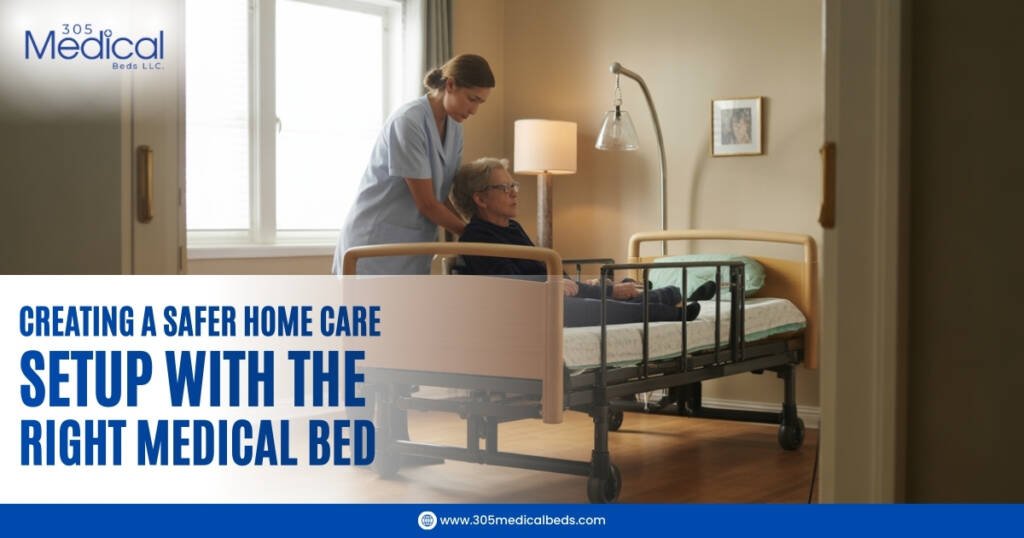
Creating a safe home care environment is one of the most important responsibilities when caring for a loved one at home. Whether the patient is recovering from surgery, managing a chronic condition, or aging in place, safety and comfort must come first. One of the most effective ways to achieve this is by creating a safer home care setup with the right medical bed.
Unlike standard beds, medical beds are designed specifically to support patient safety, improve mobility, and reduce caregiver strain. Choosing the right one can transform home care from stressful to manageable—while promoting dignity, comfort, and peace of mind.
Why a Safe Home Care Setup Is Essential
Home environments are not naturally designed for medical care. Without proper equipment, patients face higher risks of:
- Falls and injuries
- Poor sleep posture
- Difficulty breathing while lying down
- Pressure sores from limited movement
- Unsafe transfers in and out of bed
This is why creating a safer home care setup with the right medical bed is not a luxury—it is a necessity. A properly selected medical bed brings hospital-grade safety and functionality into the home.
What Makes a Medical Bed Ideal for Home Care?
A medical bed for home use is designed to support both patients and caregivers. These beds provide adjustable positioning, enhanced stability, and safety features that traditional beds cannot offer.
Key advantages include:
- Adjustable head, foot, and height positions
- Improved patient independence
- Reduced physical strain on caregivers
- Better long-term comfort and safety
When planning a home care environment, the medical bed should always be the foundation.
Essential Safety Features to Look for in a Medical Bed
Choosing the right bed starts with understanding which features directly improve safety.
Adjustable Height for Fall Prevention
Medical beds that lower closer to the floor help minimize injury risk if a patient attempts to exit the bed independently. Adjustable height also allows caregivers to work at a safe, comfortable level.
Side Rails for Support and Stability
Side rails provide added protection and help patients reposition safely. They also reduce the likelihood of accidental falls during sleep or movement.
Electric Controls for Smooth Positioning
Electric adjustments allow gradual changes in position, reducing sudden movements that can cause discomfort or dizziness.
Lockable Wheels for Bed Stability
Locking casters ensure the bed remains firmly in place during transfers, cleaning, or daily care routines.
All of these features are critical when creating a safer home care setup with the right medical bed.
How the Right Medical Bed Enhances Patient Comfort
Safety alone is not enough—comfort directly affects recovery and well-being. A medical bed improves comfort by allowing:
- Proper head elevation for easier breathing
- Leg elevation to reduce swelling
- Frequent repositioning to prevent stiffness
- Customized sleeping positions
Comfortable patients are calmer, sleep better, and move more safely—further reducing accident risks.
Reducing Caregiver Strain and Injury
Caregiving often involves repetitive lifting, bending, and repositioning, which can lead to chronic pain or injury. A medical bed significantly reduces caregiver strain by:
- Raising the bed to an ergonomic height
- Allowing easy repositioning without manual lifting
- Supporting safer transfers to wheelchairs or walkers
This makes creating a safer home care setup with the right medical bed beneficial for everyone involved—not just the patient.
Choosing the Right Mattress for Home Medical Beds
The mattress is just as important as the bed frame when it comes to safety and comfort.
Pressure-Relief Mattresses
These mattresses help prevent pressure ulcers for patients who spend extended time in bed.
Firm Edge Support
Firm edges make it easier and safer for patients to sit up or stand when exiting the bed.
Hygienic, Easy-to-Clean Materials
Water-resistant and antimicrobial covers improve cleanliness and reduce infection risks in home care settings.
Matching Medical Beds to Specific Home Care Needs
Different care situations require various features.
Elderly Home Care
Low-height beds with side rails help prevent falls while supporting independence.
Post-Surgery Recovery
Adjustable positioning aids circulation, pain management, and proper healing.
Long-Term or Chronic Care
Durable medical beds with advanced positioning features provide reliable, long-term safety and comfort.
Selecting the correct configuration ensures success when creating a safer home care setup with the right medical bed.
Proper Placement of the Medical Bed at Home
Where the bed is placed matters almost as much as the bed itself.
Best placement practices:
- Choose a room with enough space for caregivers
- Keep walkways clear of clutter
- Avoid loose rugs or cords near the bed
- Ensure access to power outlets
- Place near a bathroom if possible
A well-organized room supports safe movement and easier daily care.
Importance of Professional Setup and Maintenance
Proper installation ensures all safety features function correctly from day one.
Professional services help with:
- Correct assembly
- Testing electrical controls
- Ensuring rail locks and wheel brakes are secure
Routine maintenance keeps the medical bed safe, reliable, and functional over time.
Refurbished Medical Beds: Safe, Reliable, and Cost-Effective
High-quality refurbished medical beds offer the same safety features as new models at a significantly lower cost. When sourced from trusted providers, these beds are:
- Fully inspected and tested
- Sanitized to medical standards
- Mechanically reliable
For many families across the United States, refurbished options are a smart solution when creating a safer home care setup with the right medical bed.
Conclusion
Creating a safe, supportive home care environment starts with the right foundation. By creating a safer home care setup with the right medical bed, families can reduce risks, improve comfort, and ensure better daily care outcomes.
A well-chosen medical bed supports recovery, protects caregivers, and restores confidence in home care. With the right planning and equipment, a home can truly become a safe place for healing.
Frequently Asked Questions
- Is a medical bed necessary for home care?
Yes. Medical beds improve safety, comfort, and caregiver efficiency, especially for patients with mobility or health challenges. - Are refurbished medical beds safe?
When purchased from a reputable supplier, refurbished medical beds are thoroughly inspected and meet medical safety standards. - What mattress is best for a home medical bed?
Pressure-relief mattresses with firm edge support are ideal for long-term home care. - Can a medical bed fit in a normal bedroom?
Yes. Most home medical beds are designed to fit standard residential spaces. - Who benefits most from a home medical bed?
Elderly individuals, post-surgery patients, and those requiring long-term care benefit the most.