
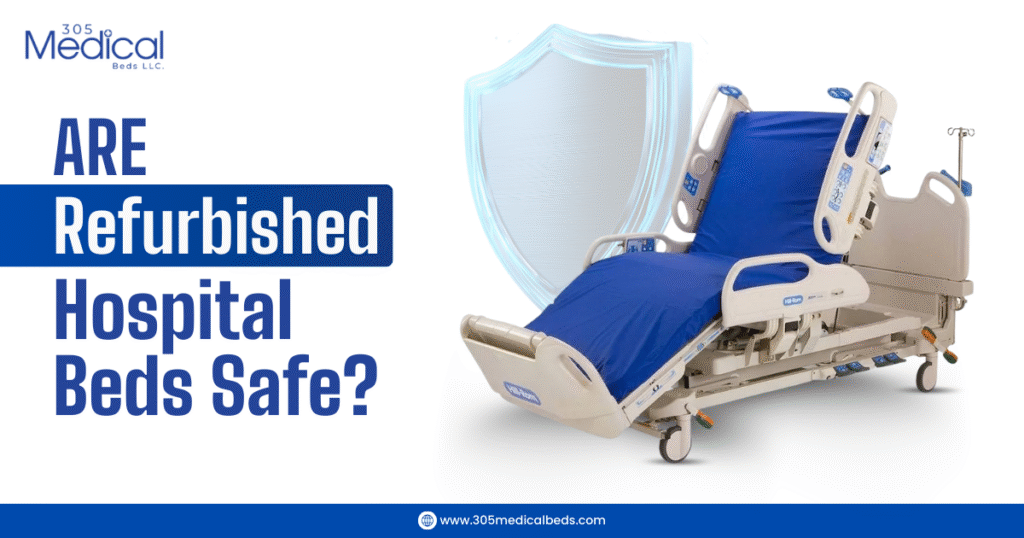
Are Refurbished Hospital Beds Safe?
Healthcare facilities, clinics, and care centers constantly look for ways to reduce equipment costs without compromising patient safety. One solution that has become increasingly popular is refurbished hospital beds. However, one question often arises: Are refurbished hospital beds safe for patient care? The short answer is yes — refurbished hospital beds are safe when they are professionally restored and certified. These beds go through a detailed refurbishment process that ensures they meet healthcare performance and safety standards. In fact, many hospitals, rehabilitation centers, and long-term care facilities rely on certified refurbished hospital beds because they provide reliability, functionality, and cost savings. In this guide, we’ll explain how refurbished hospital beds are restored, why they are safe, and how healthcare providers can confidently use them in medical environments. What Are Refurbished Hospital Beds? Refurbished hospital beds are previously used medical beds that have been professionally restored to working condition through a structured refurbishment process. Unlike second-hand beds sold without inspection, refurbished hospital beds are: The goal of refurbishment is to ensure the bed performs just as reliably as it did when it was first manufactured. Healthcare providers often choose refurbished beds because they deliver excellent performance at a significantly lower cost compared to brand-new hospital beds. Why Refurbished Hospital Beds Are Safe When properly restored, refurbished hospital beds meet the same operational standards expected in healthcare facilities. Here are the key reasons why refurbished hospital beds are safe for hospitals and care environments. 1. Comprehensive Inspection Process The first step in the refurbishment process is a detailed inspection. Technicians evaluate every part of the bed, including: Any component that does not meet performance standards is either repaired or replaced. This inspection ensures the bed is structurally sound and fully operational before it is restored for use. 2. Replacement of Worn Components Hospital beds experience frequent daily use, which means certain parts may wear out over time. During refurbishment, technicians replace worn components such as: Replacing these parts helps restore the bed’s full functionality and safety features. 3. Electrical and Mechanical Safety Testing Safety testing is a critical step before refurbished hospital beds are approved for medical environments. Testing procedures typically include: These tests ensure that the bed operates smoothly and safely for both patients and healthcare staff. 4. Cleaning and Sanitization Medical equipment must meet strict hygiene standards. As part of the refurbishment process, hospital beds undergo deep cleaning and sanitization to remove: This step ensures the bed is ready for safe use in healthcare environments. 5. Compliance with Healthcare Standards Certified refurbished hospital beds are restored according to industry safety and performance guidelines. Professional refurbishment providers follow strict protocols to ensure equipment meets healthcare expectations. This is why hospitals, clinics, and care facilities can confidently use refurbished medical beds. Cost Advantages Without Compromising Safety One of the biggest reasons healthcare providers choose refurbished hospital beds is cost efficiency. New hospital beds can be expensive, especially when facilities need to purchase them in large quantities. Refurbished beds can cost 30% to 70% less than new beds, allowing healthcare facilities to: Despite the lower price, refurbished beds still deliver reliable and safe performance when properly restored. Where Refurbished Hospital Beds Are Commonly Used Refurbished hospital beds are used in many types of healthcare facilities, including: These beds are especially valuable for facilities that need durable equipment without excessive investment. Environmental Benefits of Refurbished Hospital Beds Another important advantage of refurbished medical equipment is sustainability. Manufacturing new hospital beds requires: By refurbishing and reusing medical equipment, healthcare providers help reduce: This makes refurbished hospital beds a more environmentally responsible choice for healthcare facilities. How to Ensure You Buy Safe Refurbished Hospital Beds If you’re considering refurbished beds for your healthcare facility, it’s important to purchase from a reliable supplier. Here are some important things to look for. Choose a Specialized Medical Equipment Provider Work with suppliers who specialize in medical equipment refurbishment. Experienced providers understand healthcare safety standards and ensure beds are restored correctly. Ask About the Refurbishment Process Reliable suppliers should clearly explain their refurbishment procedures, including: Transparency indicates professionalism and quality. Look for Quality Assurance Many refurbishment companies perform quality control checks before selling equipment. These checks confirm the beds are fully functional and ready for medical use. Check Support Services Suppliers that offer maintenance support and replacement parts provide added reliability for healthcare facilities. Why Healthcare Facilities Trust Refurbished Hospital Beds Healthcare providers around the world trust refurbished hospital beds because they offer: With proper refurbishment and testing, these beds deliver safe and dependable patient care support. For many hospitals and clinics, refurbished beds are a practical solution for expanding capacity and improving medical infrastructure. Final Thoughts So, are refurbished hospital beds safe? Yes — when they are professionally refurbished, tested, and certified, refurbished hospital beds are a safe and reliable option for healthcare facilities. They provide the same essential functionality as new beds while helping hospitals and clinics reduce costs and expand patient care capacity. For healthcare providers looking for dependable medical equipment, refurbished hospital beds offer an effective combination of safety, performance, and affordability. Frequently Asked Questions