
Quick Review
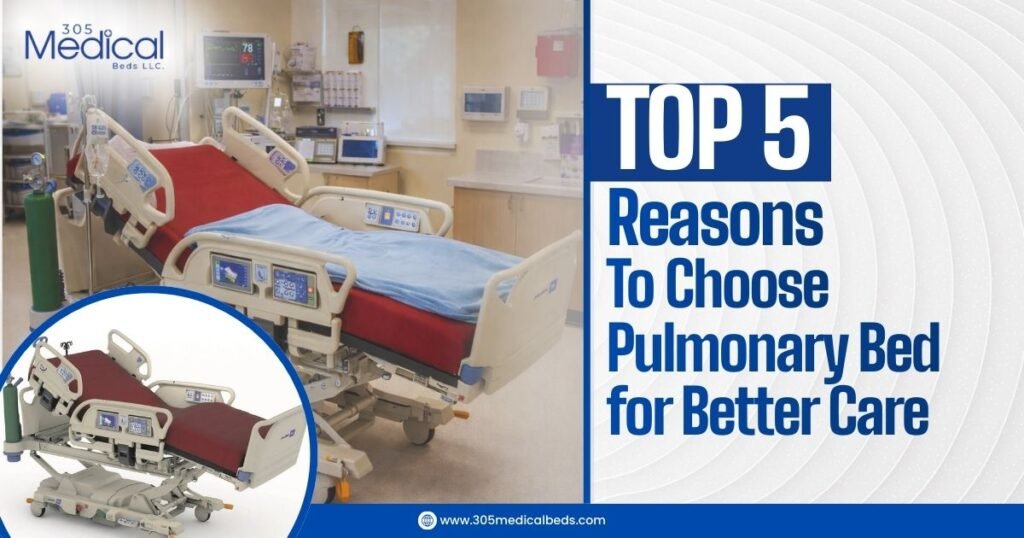
If you’re looking for a solution to improve respiratory care, comfort, and long-term recovery for patients with lung conditions, pulmonary bed is an essential investment. They are specifically designed to support breathing, prevent complications, and ensure safety for patients with COPD, asthma, or other respiratory challenges.
In this article, you’ll learn:
- Why pulmonary bed is essential for respiratory support
- How do they improve comfort and pain management
- Key adjustable features that make caregiving easier
- How do they maintain hygiene and prevent infections
- Tips for choosing the right pulmonary bed
This guide will help you make an informed decision and ensure your patients or loved ones receive the care they deserve.
Table of Contents
What Are Pulmonary Beds?
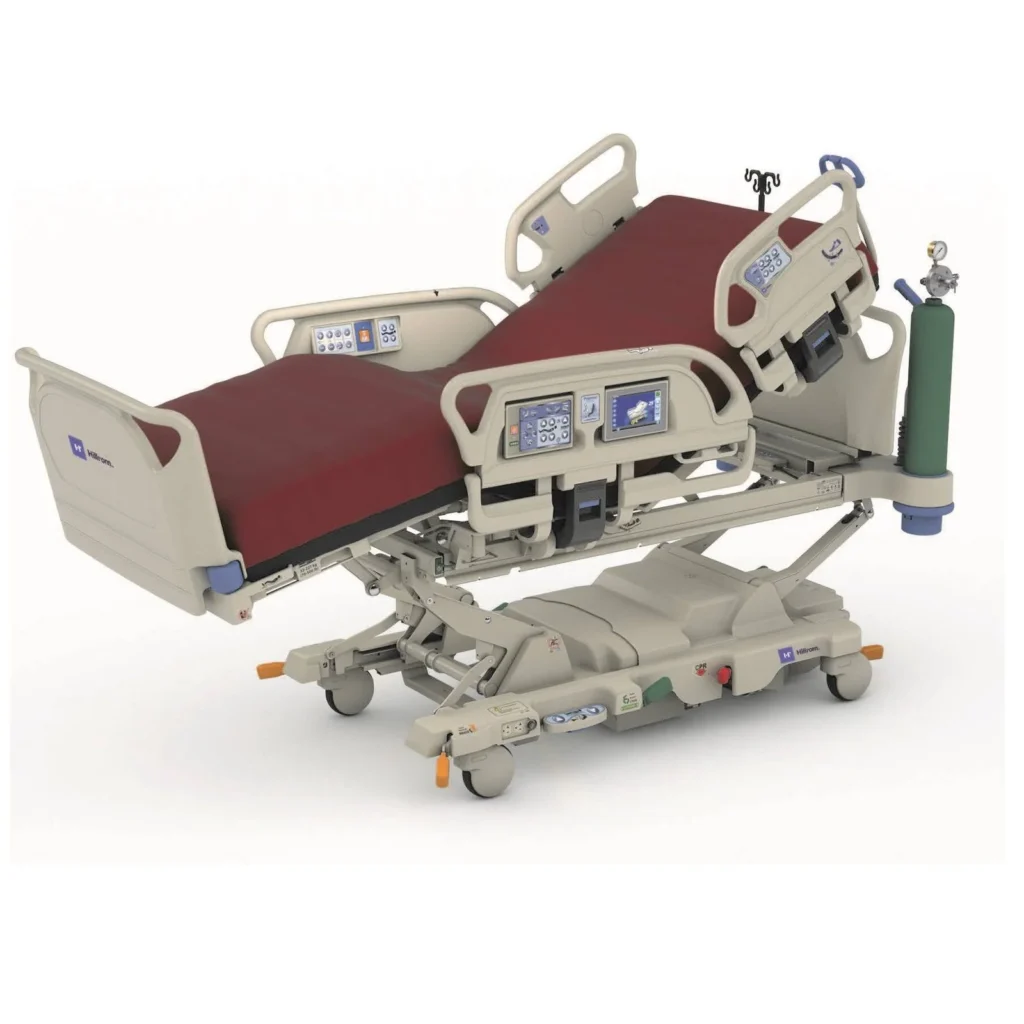
A pulmonary bed is a specialized medical bed designed for patients with respiratory conditions. Unlike standard hospital beds, pulmonary beds provide adjustable positions, enhanced lung support, and comfort features that help patients breathe more easily.
Key Features of Pulmonary Beds:
- Adjustable head and foot positions for optimal breathing
- Integrated support for oxygen therapy in some models
- Pressure-relief mattresses for comfort
- Safety rails and anti-slip features
Pulmonary beds are ideal for hospitals, home care, and long-term recovery situations where respiratory health is a priority.
1. Enhanced Respiratory Support
The primary benefit of pulmonary beds is enhanced respiratory support.
How it helps:
- Elevates the upper body to reduce strain on the lungs
- Supports semi-upright or inclined positions for easier breathing
- Some models allow ventilator or oxygen therapy integration
Why it matters:
Proper positioning reduces shortness of breath, prevents complications, and accelerates recovery.
2. Improved Comfort and Pain Management
Pulmonary beds are designed to maximize patient comfort and minimize pain.
Comfort Features Include:
- Memory foam or pressure-relief mattresses to prevent bedsores
- Adjustable head, back, and leg positions for joint and back pain relief
- Optional gentle rocking or vibration for calming effects
Why it matters:
Comfortable patients sleep better, experience less stress, and recover faster.
3. Advanced Adjustable Features
Modern pulmonary beds come with multiple adjustable features for both patients and caregivers.
Key Adjustable Features:
- Height adjustment: Reduces caregiver strain during patient care
- Tilt and incline: Supports breathing and circulation
- Safety rails and locking mechanisms: Prevent accidental falls
Why it matters:
Adjustable beds improve independence, safety, and ease of care, making them suitable for hospitals and home care settings.
4. Infection Control and Hygiene
Patients with lung conditions are highly vulnerable to infections. Pulmonary beds are designed for easy cleaning and hygiene maintenance.
Hygiene Features Include:
- Waterproof and antimicrobial mattress covers
- Smooth surfaces for quick disinfection
- Detachable components for deep cleaning
Why it matters:
Maintaining hygiene reduces infection risks, especially for patients with chronic respiratory diseases.
5. Support for Long-Term Recovery
Pulmonary beds are an investment in long-term patient health.
Long-Term Benefits:
- Designed for prolonged bed rest without causing strain
- Promotes circulation and prevents secondary complications like bedsores
- Customizable features to adapt as patient conditions change
Why it matters:
Consistent care with a pulmonary bed ensures a higher quality of life during recovery.
Choosing the Right Pulmonary Bed
Selecting the ideal pulmonary bed requires careful consideration. Here’s how to choose:
- Caregiver Feedback: Nurses and family caregivers can provide practical insights.
- Assess Patient Needs: Consider the lung condition, mobility, and additional medical requirements.
- Check Bed Features: Adjustable positions, mattress quality, safety rails, and infection-control options.
- Space and Budget: Ensure the bed fits your home or hospital setting and aligns with your budget.
- Trusted Brands: Look for reputable manufacturers that offer warranties and support.
Conclusion
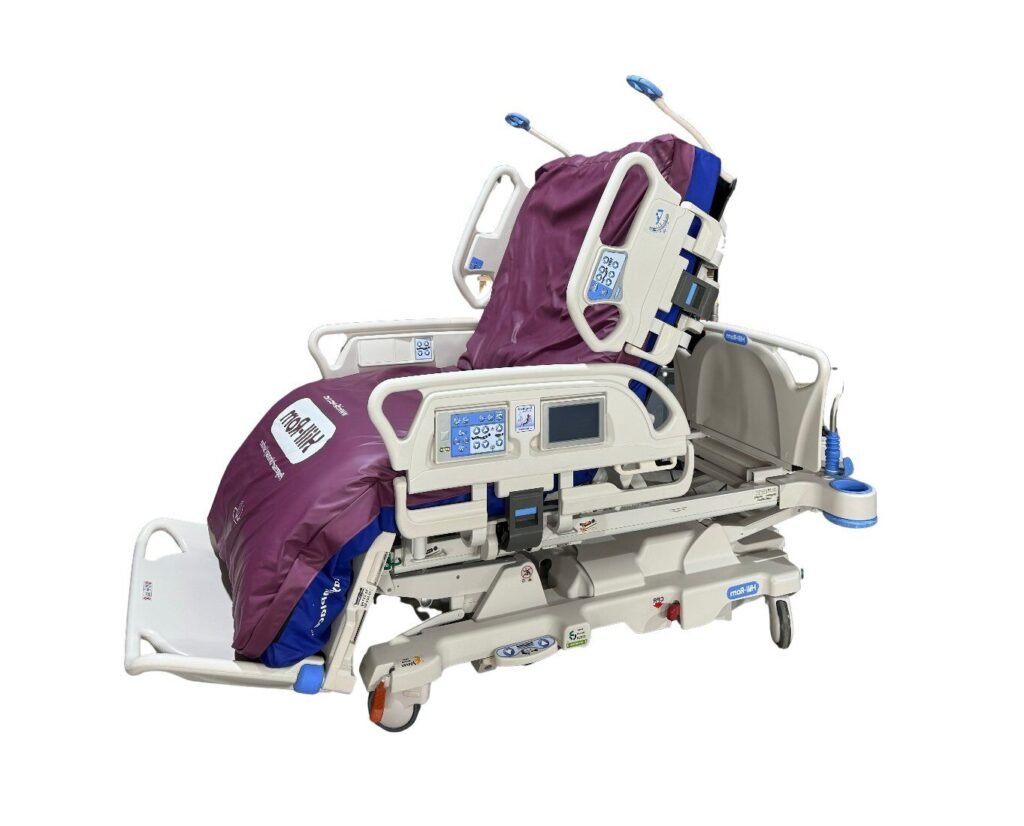
Investing in a pulmonary bed means investing in better respiratory health, comfort, and long-term recovery. From enhanced breathing support to adjustable features and infection control, these beds are essential for patients with lung conditions.
For high-quality pulmonary beds, check out 305 Medical Beds for trusted options designed for hospitals, home care, and long-term recovery.
FAQs
Q1: How does a pulmonary bed help COPD patients?
A: It supports semi-upright positions that improve lung expansion, reduce strain, and help manage shortness of breath.
Q2: Can pulmonary beds be used at home?
A: Yes, many models are designed for home care with adjustable positions, safety features, and ease of use.
Q3: What features should I look for in a pulmonary bed?
A: Key features include adjustable head and foot positions, pressure-relief mattress, safety rails, and infection-resistant surfaces.