
You or someone you care about needs a hospital bed — and suddenly the process feels overwhelming. Between the paperwork, the waiting, the medical staff moving fast, and the terminology flying around, it’s easy to feel lost before anything has even started.
Understanding the process for obtaining a bed in a hospital can take a lot of that stress away. Whether you’re heading to the emergency room, being admitted for a planned procedure, or helping a family member navigate the system, knowing what happens at each step puts you in control.
This guide walks you through the entire process — from the moment you arrive to the moment a bed is assigned and beyond.
Why Hospital Bed Assignment Is More Complex Than It Looks
Most people assume getting a hospital bed is straightforward — you show up, you need care, you get a bed. But hospitals operate like living systems. Beds are constantly being filled, vacated, cleaned, and reassigned. At any given moment, a hospital’s bed management team is balancing:
- Patient acuity (how critically ill each patient is)
- Infection control requirements (isolation rooms vs. general wards)
- Specialty unit availability (ICU, cardiac, orthopedic, maternity)
- Discharge timelines of current patients
- Incoming transfers from other facilities
This is why even in non-emergency situations, patients sometimes wait hours before a bed becomes available. It’s not disorganization — it’s a complex logistics operation happening in real time.
Step-by-Step: The Process for Obtaining a Bed in a Hospital
Step 1: Point of Entry — How You Arrive Matters
The first step in obtaining a hospital bed is how you enter the system. There are three main entry points, and each follows a slightly different path.
Emergency Department (ED) Admission This is the most common unplanned route. You arrive — either by ambulance or on your own — with an urgent medical need. The triage nurse assesses your condition and assigns a priority level. From there, you may be seen in the ED while waiting for an inpatient bed to become available, or admitted directly to a ward depending on bed availability.
Planned (Elective) Admission If your procedure or treatment is scheduled in advance, you’ll receive an admission date from your physician or hospital coordinator. You’ll typically be asked to arrive at a specific time, complete pre-admission paperwork, and wait in a designated area until your bed is prepared.
Transfer from Another Facility Patients transferred from another hospital, nursing home, or rehabilitation center go through a bed request process initiated by the sending facility. The receiving hospital’s bed management or transfer center coordinates the assignment before the patient arrives.
Step 2: Registration and Insurance Verification
Regardless of how you enter, the hospital’s admissions or registration team will collect:
- Personal identification (photo ID, insurance card)
- Insurance information and pre-authorization if required
- Emergency contact details
- Medical history and current medications
- Consent forms for treatment
For emergency admissions, this process may happen quickly or even after care has begun. For planned admissions, much of this is completed during a pre-admission appointment days before arrival.
Tip: If you’re helping a family member, bring all documents in a folder — insurance cards, medication lists, advance directives, and physician referral letters. It speeds up the process considerably.
Step 3: Medical Assessment and Triage
Once registered, a clinical assessment determines the level and type of care needed. This directly influences what kind of bed you’ll be assigned.
In the emergency department, triage nurses use a standardized severity scale to categorize patients. The most critical cases are seen immediately; lower-priority cases may wait longer.
For planned admissions, the physician’s pre-admission orders already define the care level required, so this step is largely administrative — confirming the bed type matches the clinical plan.
The assessment answers key questions for bed management:
- Does the patient need intensive care (ICU/HDU) or a general ward bed?
- Is isolation required due to infection risk?
- What specialty unit is appropriate (cardiac, surgical, neurological, orthopedic)?
- What equipment must be in place before the patient arrives in the room?
Step 4: Bed Request and Assignment
This is where the hospital’s bed management team takes over. Most mid-to-large hospitals have a dedicated bed coordinator or bed manager whose entire role is tracking bed availability across all units in real time.
When a bed request is submitted for your patient, the bed manager:
- Checks availability in the appropriate unit
- Confirms the room meets infection control requirements
- Ensures necessary equipment is in place (oxygen, monitoring, call systems)
- Coordinates with housekeeping for room turnover if the bed was recently vacated
- Notifies the nursing unit of the incoming patient
In a busy hospital, this process can take anywhere from 30 minutes to several hours depending on current occupancy levels and how many beds are turning over at the same time.
Step 5: Room Preparation and Patient Transport
Once a bed is confirmed, the room is prepared. This involves:
- Deep cleaning and disinfection of all surfaces
- Fresh linen and pillowcase changes
- Equipment checks (bed controls, call bell, monitoring devices)
- Nurse handoff briefing so the receiving nurse has full context on the incoming patient
The patient is then transported — by wheelchair or gurney — from the ED, waiting area, or recovery room to the assigned bed. A nurse or patient care technician typically handles the transfer and completes the initial nursing assessment upon arrival.
Step 6: Orientation and Care Plan Initiation
Once settled into the bed, the ward nurse completes an admission assessment that covers:
- Vital signs baseline
- Fall risk evaluation
- Pressure injury risk screening
- Pain assessment
- Nutritional needs
- Cognitive and communication status
This information forms the foundation of the patient’s individualized care plan — the document that guides every clinical decision during the stay.
At this point, the patient and family should feel comfortable asking questions, including:
- Who is the attending physician and how can they be reached?
- What is the expected length of stay?
- What does each piece of equipment in the room do?
- What are the visiting hours and policies?
Step 7: Ongoing Bed Management During the Stay
Obtaining the bed is just the beginning. Throughout the hospital stay, the bed continues to be actively managed:
- Daily rounds by physicians and nurses reassess the care plan and adjust treatment
- Specialty consultations may result in transfers to different units (e.g., from general ward to ICU if the condition worsens, or from ICU to step-down as it improves)
- Bed holds may be placed if the patient is temporarily moved for a procedure (surgery, imaging) to ensure they return to the same room
- Infection control reviews may require room changes if a communicable condition is identified
Patients and families are often unaware of how much coordination happens behind the scenes to keep care consistent.
Types of Hospital Beds You May Be Assigned
Not all hospital beds are the same. The type of bed assigned depends entirely on the patient’s clinical condition and care requirements.
General Ward Bed
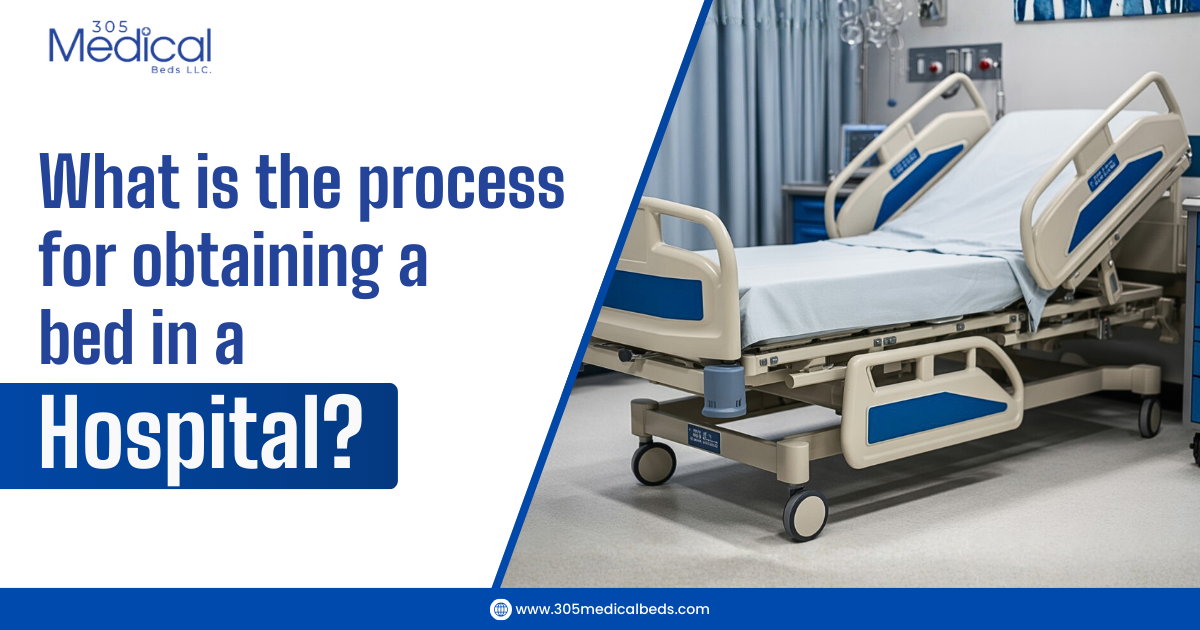
The most common type. Used for patients who need monitoring and treatment but are not in critical condition. Fully adjustable, with side rails, call systems, and basic monitoring capability.
Intensive Care Unit (ICU) Bed
Designed for critically ill patients requiring continuous monitoring and life support. ICU beds are equipped with advanced monitoring systems, ventilator compatibility, and specialized pressure redistribution surfaces. Nurse-to-patient ratios are significantly higher in the ICU.
High Dependency Unit (HDU) Bed
A step below ICU in intensity. For patients who need closer monitoring than a general ward but don’t require full intensive care. Often used as a step-down from ICU during recovery.
Surgical or Post-Operative Bed
Located in post-anesthesia care units (PACU) or surgical wards. These beds are equipped for patients recovering from procedures — with easy access for nurses, adjustable positioning, and compatibility with IV lines and drainage systems.
Isolation Room Bed
Assigned to patients with infectious conditions requiring containment. The room has controlled airflow, separate entry protocols, and dedicated equipment to prevent cross-contamination.
Maternity Bed
Specialized beds in labor and delivery units. Designed for obstetric positioning, delivery support, and postpartum care.
Pediatric Bed
Smaller frames with higher side rails, safety features for children, and configurations that accommodate parents staying in the room.
Bariatric Bed
Wider, reinforced beds designed for patients requiring higher weight capacity. Used in standard wards, ICUs, and surgical units depending on the patient’s needs.
What to Do If a Hospital Bed Is Not Available
In high-demand periods — flu season, public health emergencies, or simply a very busy day — hospitals can reach near or full capacity. If a bed isn’t immediately available, here’s what typically happens:
- ED boarding: The patient remains in the emergency department, receiving care there while waiting for an inpatient bed. This is common and does not mean care has stopped.
- Surge protocols: Hospitals activate surge capacity plans that may open overflow areas, convert procedure rooms, or discharge patients earlier to free beds.
- Transfer to another facility: If no appropriate bed is available, the hospital may arrange a transfer to a sister facility or another hospital with capacity.
If you’re ever in this situation, the most helpful thing to do is stay in communication with the nursing staff and ask for regular updates. Escalating to a patient advocate or hospital administrator is also an option if waits become unreasonably long.
Discharge Planning: Preparing to Leave the Hospital Bed
The process for obtaining a hospital bed doesn’t end with the stay — it ends with a safe, well-planned discharge. Discharge planning typically begins within the first 24–48 hours of admission and involves:
- Social workers assessing home environment and support systems
- Physical and occupational therapists evaluating mobility and daily living needs
- Physicians confirming when the patient is medically ready to leave
- Case managers coordinating any post-discharge services (home nursing, rehabilitation, medical equipment)
For patients who will need continued bed rest at home, a home hospital bed is often recommended as part of the discharge plan. This ensures the patient has a safe, adjustable sleeping surface that supports ongoing recovery — especially for those with limited mobility, wound care needs, or chronic conditions.
This is where planning ahead makes a real difference. Families who arrange a home hospital bed before discharge avoid delays and ensure their loved one returns to a properly equipped environment from day one.
Final Thoughts
The process for obtaining a bed in a hospital involves far more moving parts than most people realize — from triage and registration to bed management, room preparation, care planning, and eventual discharge. Understanding each step helps reduce anxiety and lets you focus on what matters most: recovery.
And when it’s time to come home, having the right setup ready makes all the difference. A proper home hospital bed ensures the transition from hospital to home is smooth, safe, and supportive — for both the patient and the caregiver.
At 305 Medical Beds, we specialize in helping families prepare for exactly that moment. Whether you need a bed before discharge or are setting up long-term home care, we’re ready to help.
Frequently Asked Questions
How long does it take to get a hospital bed assigned? It varies widely. For emergency cases, a bed may be assigned within minutes or may take several hours depending on hospital capacity. For planned admissions, beds are usually prepared before you arrive.
Can I request a specific type of room or bed? You can make a request, but bed assignment is based primarily on clinical need and availability. Private rooms may be available for an additional cost if not medically required.
What if I need a hospital bed at home after discharge? Your care team will include this in your discharge plan. A case manager or social worker can arrange a home hospital bed rental or purchase through a medical equipment supplier like 305 Medical Beds.
Does insurance cover a home hospital bed after discharge? In many cases, yes — especially if prescribed by a physician as medically necessary. Medicare Part B, Medicaid, and many private insurers cover durable medical equipment including hospital beds for home use. Always verify with your provider.
Can a family member stay in the hospital room? Most hospitals allow one family member or caregiver to stay, especially for pediatric patients or those requiring communication support. Policies vary by facility and ward type.