How Hospitals Can Expand Capacity with Refurbished Equipment
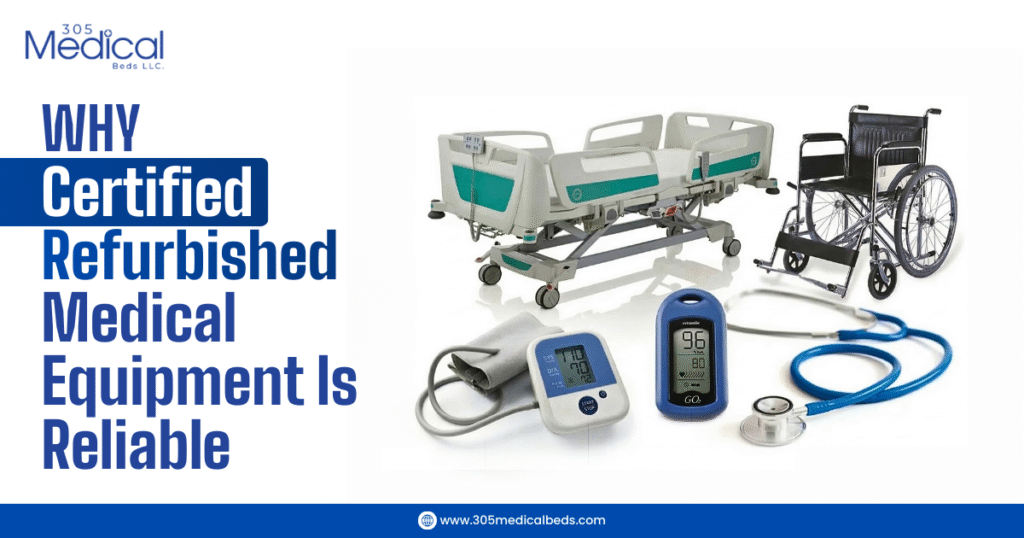
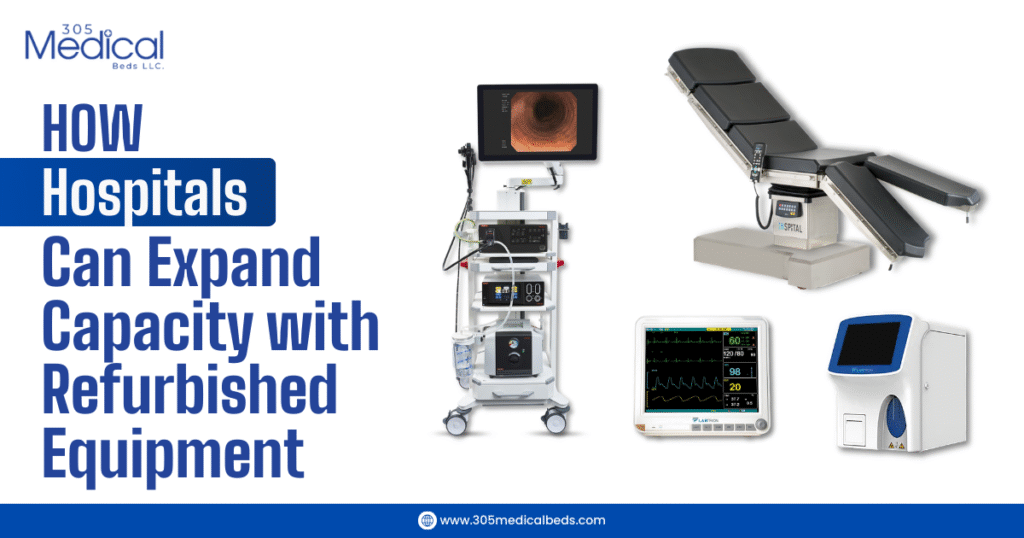
Hospitals everywhere face the same challenge: growing patient demand with limited budgets and resources. Expanding hospital capacity usually requires significant investment in medical infrastructure, equipment, and patient care facilities. However, there is a practical and cost-effective solution that many healthcare providers are now adopting — refurbished medical equipment. By choosing certified refurbished medical equipment, hospitals can expand capacity faster, reduce operational costs, and continue delivering high-quality patient care without the financial burden of purchasing entirely new equipment. In this article, we’ll explore how hospitals can expand capacity with refurbished equipment, why it’s reliable, and how healthcare facilities are using it to improve patient services. The Growing Need for Hospital Capacity Expansion Healthcare systems are under increasing pressure due to several factors: These factors require hospitals to increase patient care capacity quickly. Unfortunately, expanding hospital infrastructure or purchasing brand-new equipment can be extremely expensive and time-consuming. This is where refurbished medical equipment becomes a valuable solution. What Is Refurbished Medical Equipment? Refurbished medical equipment refers to previously used devices that are professionally restored, inspected, and tested to meet industry safety and performance standards. Unlike used equipment sold “as-is,” refurbished devices undergo a complete restoration process that may include: As a result, healthcare facilities receive high-quality equipment that performs reliably at a much lower cost. How Refurbished Equipment Helps Hospitals Expand Capacity Hospitals can increase their patient capacity in several ways by using refurbished medical equipment. 1. Adding More Patient Beds Quickly One of the simplest ways to expand hospital capacity is by increasing the number of patient beds. However, purchasing brand-new hospital beds can be costly, especially when hospitals need large quantities. Refurbished hospital beds allow healthcare facilities to: Because refurbished beds cost significantly less than new ones, hospitals can expand patient capacity without exceeding their budget. 2. Expanding Specialized Treatment Areas Hospitals often need to expand departments such as: Refurbished equipment such as patient monitors, medical beds, and diagnostic devices helps hospitals equip these departments faster. This allows facilities to serve more patients while maintaining proper medical standards. 3. Faster Equipment Availability Another major advantage of refurbished equipment is faster availability. New medical equipment can sometimes take months to manufacture and deliver. Refurbished devices, on the other hand, are often available immediately or within a short timeframe, allowing hospitals to respond quickly to patient demand. This makes refurbished equipment especially useful during: Cost Benefits of Refurbished Medical Equipment Budget limitations are one of the biggest barriers to hospital expansion. Refurbished medical equipment helps solve this problem by offering significant cost savings. Hospitals can typically save 30% to 70% compared to purchasing new equipment. These savings allow healthcare facilities to: By reducing equipment costs, hospitals can allocate funds toward improving overall healthcare services. Maintaining Quality and Safety Standards A common concern about refurbished equipment is safety. However, certified refurbished medical equipment undergoes strict testing and quality checks. These processes typically include: This ensures that the equipment meets healthcare industry safety standards and performs reliably in medical environments. Healthcare providers can confidently use refurbished equipment while maintaining high standards of patient care. Sustainability Benefits for Healthcare Facilities Beyond cost savings, refurbished medical equipment also supports environmentally sustainable healthcare practices. Medical equipment manufacturing requires significant resources, including: By refurbishing and reusing medical equipment, hospitals help reduce: This approach contributes to a more sustainable healthcare system while still meeting patient care demands. Practical Examples of Capacity Expansion Many hospitals use refurbished equipment to support different types of capacity expansion. Increasing Emergency Room Capacity Emergency departments often experience sudden increases in patient volume. Adding refurbished hospital beds and monitoring equipment helps hospitals handle higher patient loads efficiently. Expanding Rehabilitation Units Rehabilitation centers frequently require specialized beds and equipment for patient recovery. Refurbished equipment allows hospitals to expand rehabilitation services without excessive investment. Supporting Rural Healthcare Facilities Smaller hospitals and rural healthcare providers often operate with limited budgets. Refurbished medical equipment enables these facilities to offer better patient care without large capital expenditures. How Hospitals Can Choose Reliable Refurbished Equipment Selecting the right supplier is essential when purchasing refurbished medical equipment. Hospitals should consider the following factors: Work with Trusted Providers Choose suppliers that specialize in medical equipment refurbishment and restoration. Experienced providers ensure the equipment is tested and certified for safe operation. Understand the Refurbishment Process Reliable suppliers clearly explain their refurbishment procedures, including: Transparency is an important sign of a trustworthy provider. Look for Technical Support Hospitals should also consider suppliers that offer: These services help ensure the equipment continues functioning efficiently. The Future of Hospital Expansion As healthcare demand continues to grow, hospitals must find innovative ways to expand services while controlling costs. Refurbished medical equipment is becoming an increasingly popular solution because it provides: For many healthcare providers, refurbished equipment is no longer just a budget option — it is a strategic tool for improving healthcare access and expanding patient care capacity. Final Thoughts Expanding hospital capacity is essential for meeting the healthcare needs of growing populations. However, building new facilities and purchasing brand-new equipment can be financially challenging. By choosing refurbished medical equipment, hospitals can: With proper refurbishment and testing, these devices offer reliable performance while supporting efficient and sustainable healthcare operations. Frequently Asked Questions