
Hospital Beds Info

12 Best Hospital Beds in 2025
Hospital Beds, Hospital Beds Info, Uncategorized

12 Best Hospital Beds in 2025

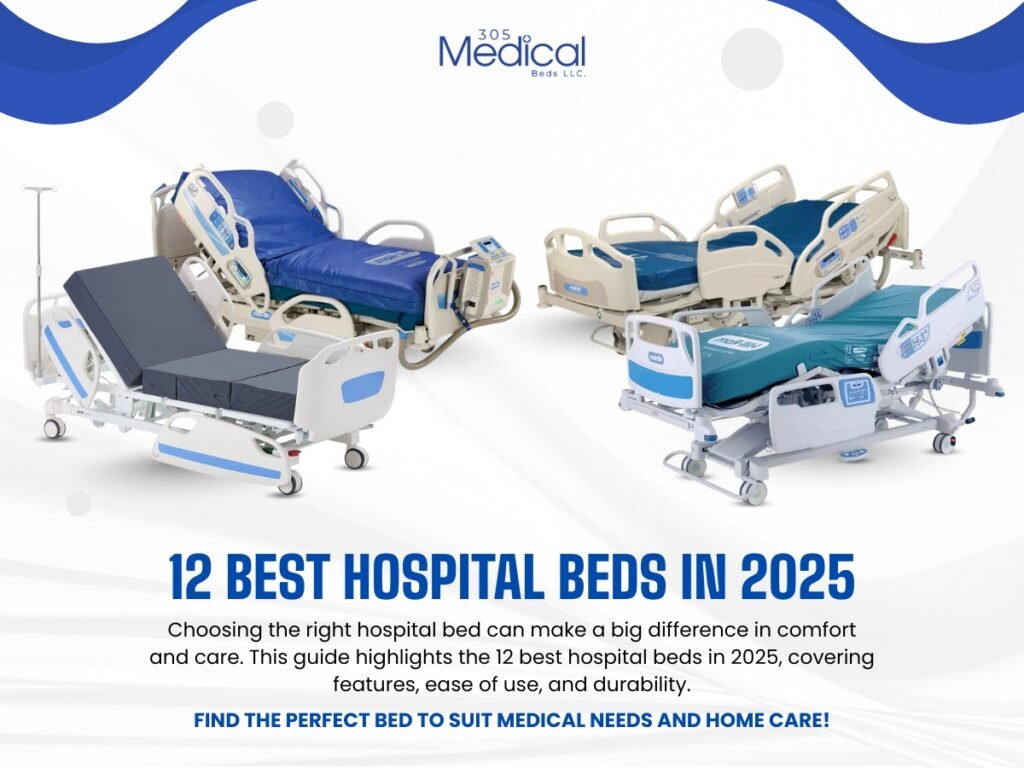
When it comes to patient care, the right hospital bed isn’t just furniture — it’s an essential part of healing and daily comfort. In 2025, hospital beds are no longer simple adjustable frames; they’ve become intelligent systems that help prevent injuries, improve recovery, and make life easier for both patients and caregivers. But with so many choices available, selecting the right one can feel overwhelming. That’s why we’ve created this guide to the 12 best hospital beds in 2025 — breaking down their features, benefits, and who they’re best suited for. Whether you’re setting up care at home or equipping a medical facility, you’ll find the right fit here. 1. Hill-Rom TotalCare P1900 ICU Bed The Hill-Rom TotalCare P1900 is a top choice for intensive care units because it combines advanced technology with patient safety. This bed automatically adjusts to reduce pressure injuries, a major concern for patients who spend long periods lying down. It also comes with bed-exit alarms, which alert caregivers if a patient tries to get up unassisted, reducing fall risks. Caregivers love its easy-to-use controls, while patients benefit from multiple comfort positions that support breathing and circulation. It’s a smart investment for facilities where patient safety is critical. Best for: High-risk ICU patients needing constant monitoring and repositioning. 2. Hill-Rom TotalCare Spo2rt ICU Bed The Spo2rt ICU Bed takes things a step further by integrating pulmonary therapies directly into the bed system. This means patients with lung conditions can receive therapies like vibration and percussion without being moved to another device, minimizing discomfort. It also helps patients begin early mobility, supporting recovery by allowing gradual sitting and standing transitions. Families and caregivers appreciate that it reduces the number of transfers, making care more efficient and less stressful. Best for: Patients with respiratory conditions or requiring pulmonary therapy support. 3. Hill-Rom TotalCare Bariatric Plus ICU Bed Caring for bariatric patients requires specialized equipment, and the TotalCare Bariatric Plus is built exactly for that. With its reinforced frame, wider sleeping surface, and high weight capacity, it ensures safety without compromising comfort. Beyond strength, it includes features to help caregivers reposition patients safely, reducing physical strain. The side rails are designed with easy access, which improves dignity and independence for patients. Best for: Bariatric patients needing ICU-level care and extra support. 4. Hill-Rom Progressa 7500 Pulmonary ICU Bed The Progressa 7500 bed is often described as “a therapy device disguised as a bed.” It’s loaded with features that help manage complex cases, especially for patients with respiratory illnesses. Its in-bed percussion and vibration therapies loosen secretions in the lungs, reducing the risk of pneumonia and ventilator-associated conditions. What makes it stand out is how it supports progressive mobility — moving patients safely from lying down to standing. This speeds up recovery and reduces long-term immobility risks. Best for: Pulmonary and ventilated patients in critical care units. 5. Hill-Rom VersaCare Bed The VersaCare Bed is designed for long-term use with patients who need pressure ulcer prevention. Its surface redistributes pressure evenly, reducing the risk of painful skin breakdown. It also includes intuitive controls for both patients and caregivers, so adjustments can be made easily. This bed works especially well for patients who may not be able to move independently. Families appreciate that it keeps loved ones comfortable for extended periods without constant manual repositioning. Best for: Long-term patients needing pressure relief and daily comfort. 6. Hill-Rom CareAssist ES Bed For general hospital settings, the CareAssist ES provides a reliable, cost-effective solution. It comes with essential features like bed exit alarms, smooth height adjustments, and safe side rails. Caregivers find it easy to operate, and patients benefit from its simplicity. It may not include advanced therapies, but it covers the basics beautifully, making it ideal for facilities managing a variety of patient needs. Best for: Hospitals needing dependable, budget-friendly beds. 7. Invacare Etude Plus Homecare Bed The Etude Plus is a favorite among families setting up care at home. It’s compact, stylish enough to blend into a home setting, yet sturdy enough for long-term use. With adjustable height and ergonomic controls, caregivers can work safely while patients stay comfortable. It’s also lightweight and easy to assemble, which means families don’t need complex installations. Patients gain dignity and comfort, while caregivers avoid back strain during daily care tasks. Best for: Home-based elderly care and long-term recovery at home. 8. Drive Medical Delta Ultra-Light Bed For those on a tighter budget, the Delta Ultra-Light offers great value without skipping core features. Its lightweight frame makes it easy to move around, and it adjusts to multiple positions for patient comfort. It’s designed for quick assembly and transport, which is helpful for temporary recovery needs or families who need portability. Patients still enjoy adjustable head and leg positions without the high price tag. Best for: Families needing affordable, practical hospital bed solutions. 9. Med-Mizer ActiveCare Bed The ActiveCare Bed is unique because it doubles as a chair-bed hybrid. This allows patients to safely sit upright, stand, or get out of bed with less assistance. For patients recovering from surgery or living with mobility limitations, this boosts independence and confidence. Caregivers appreciate how it minimizes lifting and repositioning, reducing strain and injury risk. It’s a win-win solution for both comfort and independence. Best for: Patients with mobility challenges who want independence. 10. Joerns UltraCare XT Bed The UltraCare XT is built for professional long-term care facilities. Its customizable deck options allow facilities to adjust it for different patient needs, from frailty to high-dependency care. It also emphasizes fall prevention, with features like low height adjustments and supportive rails. Facilities choose it for its durability, while patients benefit from its secure, stable design. Best for: Nursing homes and assisted living centers. 11. Invacare BAR750 Bariatric Bed The BAR750 is one of the strongest and most dependable bariatric beds available. With its heavy-duty frame and wide surface, it provides comfort and security for larger patients. Despite its strength, it still allows smooth head and foot adjustments. Families
how to pick the ideal hospital bed a breakdown of types and features
Hospital Beds, Hospital Beds Info, Uncategorized

How to Pick the Ideal Hospital Bed: A Breakdown of Types and Features

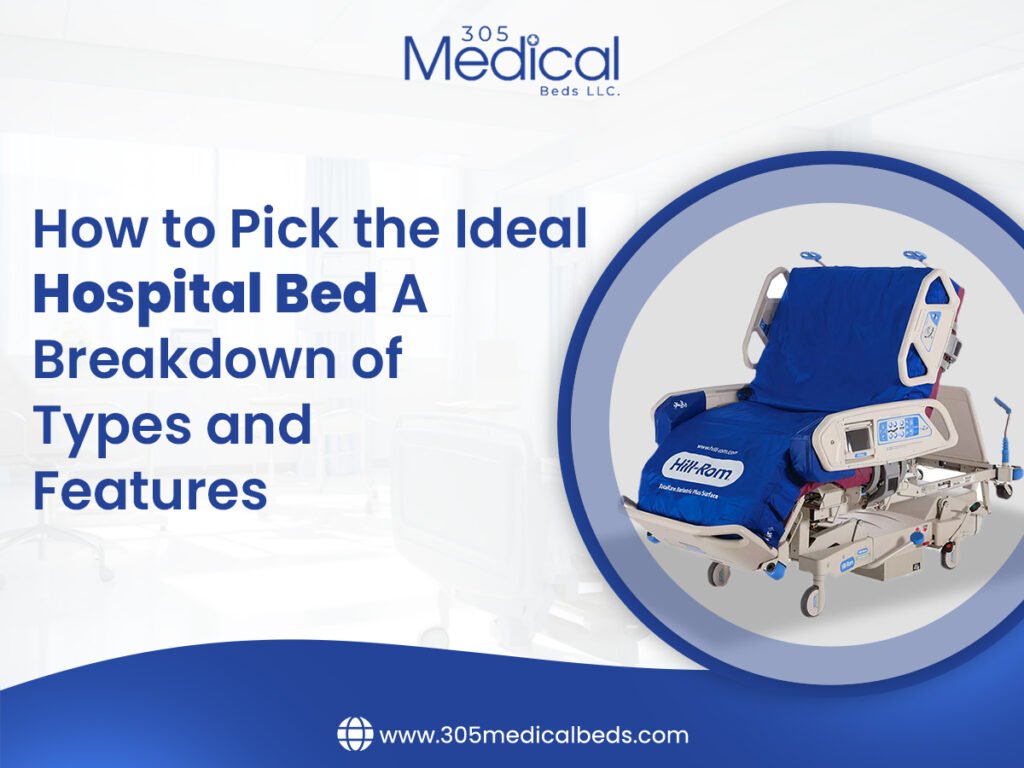
When it comes to providing care for someone bedridden or in need of long-term medical attention, selecting the right hospital bed is a critical decision. A hospital bed affects the patient’s comfort, safety, and recovery process. Choosing the right bed can significantly impact the patient and their caregivers. In this blog, we’ll break down the various types of hospital beds and the essential features you should consider to make an informed choice. We’ll also discuss some advanced models, including Hill-Rom TotalCare Spo2rt, Hill-Rom Progressa Pulmonary ICU Bed, and Hill-Rom Total Care, to help you choose the ideal bed. Why Choosing the Right Hospital Bed Matters Selecting the right hospital bed is about more than just comfort—ensuring the patient’s recovery is supported, improving their quality of life, and making caregiving more manageable. A good hospital bed is crucial to effective care, especially for those with chronic conditions or long-term medical needs. A comfortable and adjustable bed promotes better circulation, improves sleep, and reduces the risk of complications such as pressure sores for patients. An easy-to-use bed can also reduce strain and make it easier to manage care for caregivers. In cases of long-term home care, a bed can make a huge difference in daily life and overall care quality. Different Types of Hospital Beds When it comes to hospital beds, there’s no “one-size-fits-all” solution. Each bed type has its features and advantages, catering to different needs. Let’s explore the most common types of hospital beds: Manual Hospital Beds Manual hospital beds are operated by hand cranks that adjust the head, foot, and height. They are affordable and straightforward, making them a great option for basic care settings or home use where advanced features aren’t necessary. Electric Hospital Beds Electric beds are powered by an electric motor, which allows for easy adjustment of the bed’s height, head, and foot sections with the push of a button. These beds provide convenience and ease of use for the patient and caregiver. Semi-Electric Hospital Beds A semi-electric hospital bed combines elements of both manual and electric beds. While the head and foot of the bed can be adjusted electrically, the bed’s height is still manually adjusted. These beds provide a balance of convenience and cost-effectiveness. Bariatric Hospital Beds Bariatric hospital beds are designed specifically for larger patients. They offer increased weight capacity, wider dimensions, and sturdier construction. These beds provide extra space and support for individuals with obesity or other conditions requiring a reinforced bed. Low Hospital Beds Low hospital beds are designed to be lowered closer to the ground, making them ideal for patients at high risk of falling. These beds help prevent injury by minimizing the distance the patient might fall. Hill-Rom TotalCare Spo2rt The Hill-Rom TotalCare Spo2rt is an advanced hospital bed designed for patients who require a higher level of medical care. This bed offers integrated respiratory support, making it ideal for patients with pulmonary conditions. It also features dynamic weight distribution to help reduce the risk of pressure ulcers. Hill-Rom Progressa Pulmonary ICU Bed The Hill-Rom Progressa Pulmonary ICU Bed is specifically designed for critical care environments, particularly for patients with respiratory issues. It provides continuous care and features that help manage pulmonary conditions and improve overall patient outcomes. Hill-Rom Versacare The Hill-Rom Versacare bed is a top-of-the-line intensive care and recovery option. This bed features advanced technology for positioning, pressure relief, and respiratory support, making it suitable for patients who need comprehensive care. It is commonly used in hospitals and home healthcare settings for those with high-level care needs. Key Features to Consider When Selecting a Hospital Bed Several features should be considered when selecting a hospital bed to ensure that it meets the patient’s and caregiver’s needs. Adjustability Look for beds that adjust the head, foot, and overall height. Adjustability is essential for patient comfort, as it helps prevent pressure sores, allows for proper positioning during meals, and facilitates easier caregiving. Size and Weight Capacity Choosing the right size ensures that the patient has adequate space and support. Bariatric beds are essential for more prominent individuals, while regular beds may suffice for average weight. Mattress Compatibility Hospital beds often require specific mattresses that support pressure relief and comfort. Foam, air, and gel mattresses can all help reduce the risk of bedsores. Mobility and Portability If you plan on moving the bed, look for options with wheels and easy-to-use locking mechanisms. This is especially helpful for caregivers who need to reposition the bed for cleaning or patient care. Safety Features Safety rails, emergency brakes, and other features, such as anti-tipping mechanisms, provide extra protection to both patients and caregivers, ensuring safer use. Ease of Use A bed that’s easy to adjust and control reduces the burden on caregivers. Whether manual, semi-electric, or fully electric, choose one with simple controls that fit your needs. Additional Features and Accessories To further enhance the patient’s comfort and the caregiver’s experience, consider these additional features: Budget Considerations and Cost vs. Value Hospital beds are available at a range of prices. Manual beds are more budget-friendly, while advanced models like the Hill-Rom TotalCare Spo2rt or Hill-Rom Progressa Pulmonary ICU Bed are more expensive but offer specialized features for critical care. Consider the patient’s medical condition and the long-term costs when balancing your budget with the needed features. Maintenance and Durability Maintaining the bed is essential to ensure it remains in good working condition. Look for beds with durable frames and materials, and ensure that replacement parts are easy to find. Regular maintenance, including cleaning and inspecting moving parts, will prolong the bed’s lifespan. Where to Buy a Hospital Bed Reputable suppliers offer both online and in-person purchasing options. When choosing a seller, consider factors like warranties, customer support, and return policies. It’s also a good idea to consult healthcare professionals to ensure your purchasing bed meets the patient’s needs. Final Tips for Choosing the Best Hospital Bed Choosing the ideal hospital bed involves considering the patient’s comfort, medical needs, and safety. Work with

305 Medical Beds LLC |  2739 W 79 St, Unit 15, Hialeah, Florida 33016 |  Phone: 1.305.562.7960
© Copyright 2012 – 2024 | All Rights Reserved.

You have been successfully Subscribed! Ops! Something went wrong, please try again.

About Us

We are passionate about our customer service, assuring that our equipment is in appropriate conditions and operating correctly. We also offer guidance before purchasing any equipment, making sure that your purchase is the best choice for your needs.

305 Medical Beds LLC |  2739 W 79 St, Unit 15, Hialeah, Florida 33016 |  Phone: 1.305.562.7960
© Copyright 2012 – 2024 | All Rights Reserved.