
Table of Contents
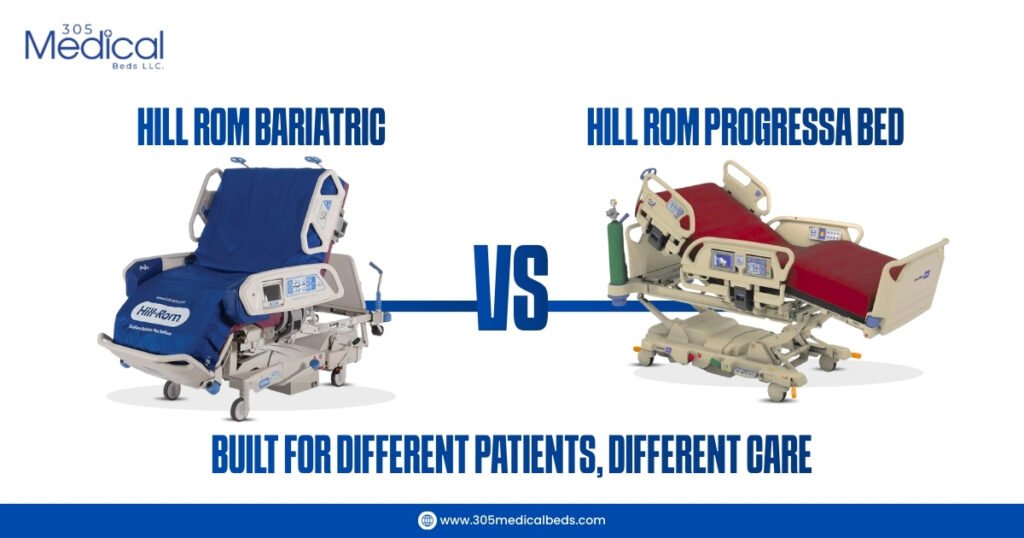
When it comes to providing exceptional care for patients in healthcare settings, choosing the right medical bed is crucial. Hospitals, nursing homes, and home care environments all require specific beds to meet the needs of their diverse patient populations. Two commonly used medical beds are the bariatric bed and the Progressa bed, both designed with patient comfort and care needs in mind. However, these beds cater to different patient groups with distinct requirements.
In this blog post, we’ll compare bariatric beds vs Progressa beds, examining their unique features, benefits, and the patients they are designed for. By understanding these differences, healthcare providers can make the best decision when it comes to patient care.
What is a Bariatric Bed?
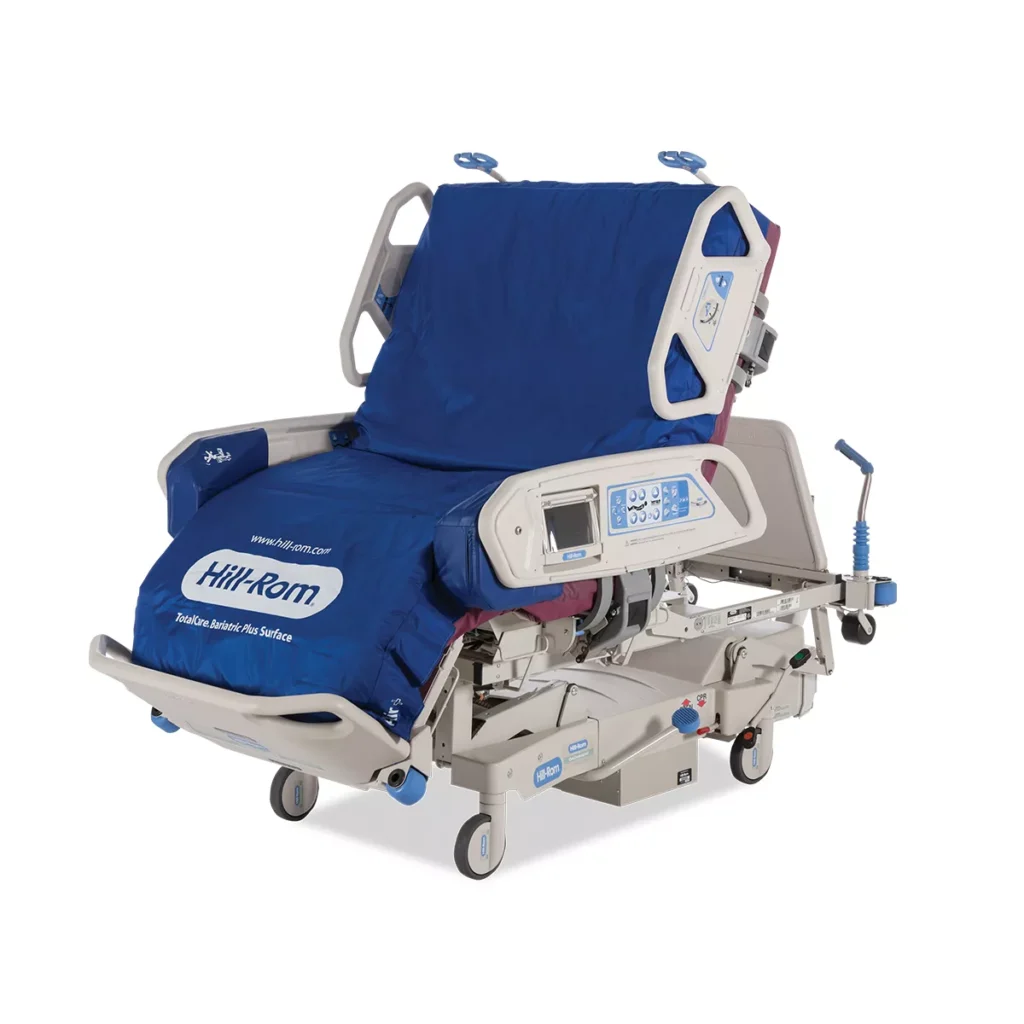
Bariatric beds are designed specifically for patients who are overweight or obese. The term “bariatric” refers to the field of medicine that deals with the prevention, diagnosis, and treatment of obesity. These beds offer specialised support for patients with higher weight capacities, ensuring that they are comfortable, safe, and well-supported during their stay.
Key Features of Bariatric Beds
- Easy Access for Caregivers: Many bariatric beds have features like adjustable height to allow caregivers to perform medical tasks with minimal physical strain.
- High Weight Capacity: Bariatric beds are typically designed to support patients weighing between 500 and 1,000 pounds. This high weight capacity ensures that these beds can accommodate heavier patients while providing safety and stability.
- Wider Mattress: Bariatric beds feature wider mattresses than traditional hospital beds to accommodate larger patients comfortably. The wider surface area helps reduce pressure points, providing a more comfortable sleeping experience.
- Adjustable Positions: Like other hospital beds, bariatric beds offer adjustable features, including head and foot sections, as well as height adjustments. This allows caregivers to reposition patients for optimal comfort, making it easier for both the patient and the caregiver.
- Reinforced Frame: To support the added weight, bariatric beds are built with reinforced frames, often made from high-quality steel. This ensures durability and strength, preventing bed malfunction during use.
Benefits of Bariatric Beds
- Enhanced Safety: Bariatric beds offer added safety by supporting heavier patients and reducing the risk of structural failure.
- Comfort and Durability: The beds are designed with the patient’s comfort in mind. The adjustable features and sturdy build ensure long-term use without compromising on comfort.
- Versatility: Bariatric beds can be used in various care settings, from hospitals to home care, making them versatile for any environment that requires specialised patient support.
What is a Progressa Bed?
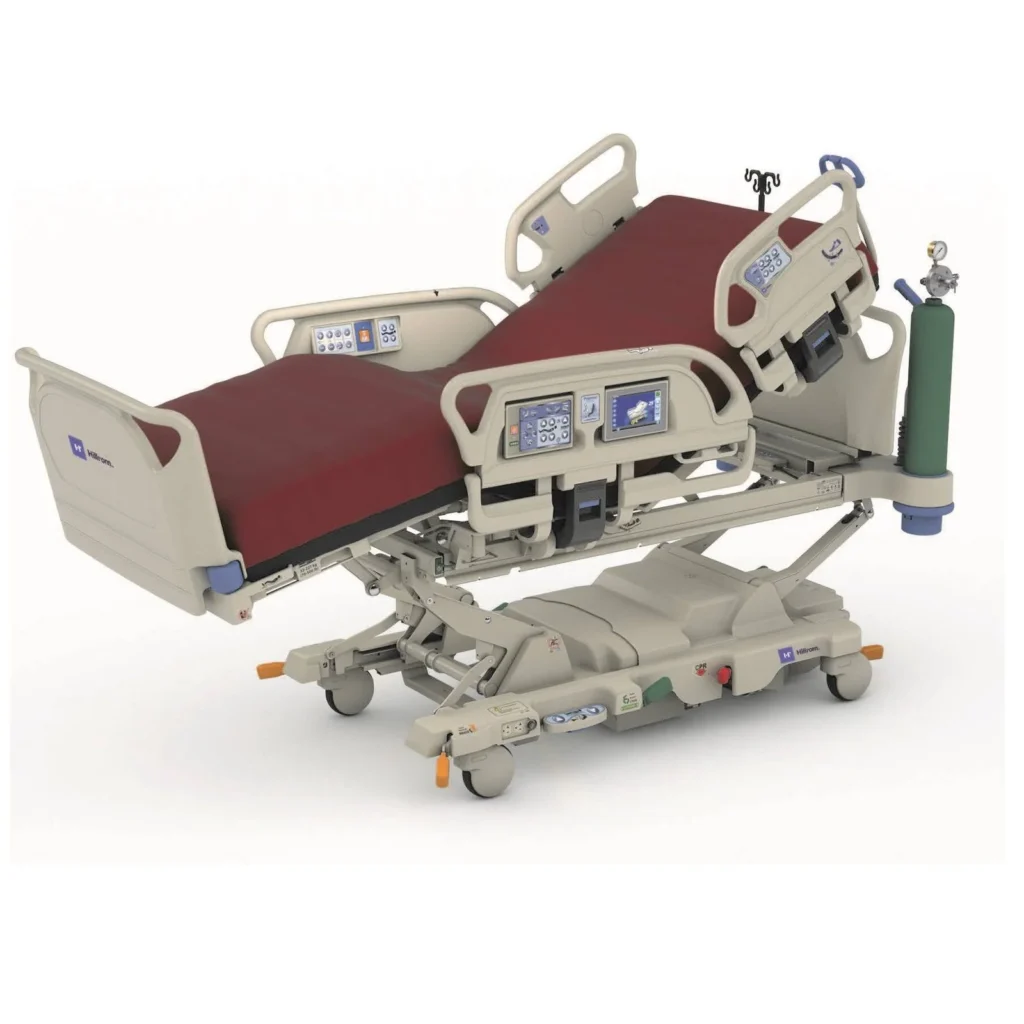
The Progressa bed is a type of medical bed used in critical care units (ICUs) or other specialized healthcare settings where patients need advanced therapeutic support and continuous repositioning. These beds are designed to meet the complex needs of critically ill patients, facilitating quicker recovery and improving overall patient outcomes.
Key Features of Progressa Beds
- Integrated Technology: Progressa beds come equipped with advanced technologies such as sensors to monitor patient position and comfort, ensuring that healthcare providers can offer better, personalized care.
- Advanced Positioning System: One of the standout features of Progressa beds is their advanced positioning system. The bed can automatically adjust its angle and positioning to provide optimal support for patients at different stages of recovery. This is especially helpful for post-surgery or immobilized patients.
- Automated Repositioning: Progressa beds are equipped with an automated movement system that can periodically shift the patient’s position. This reduces the risk of developing pressure ulcers (bedsores) and helps maintain the patient’s comfort by ensuring they are not in one position for too long.
- Therapeutic Surfaces: These beds often feature integrated therapeutic air mattresses or surfaces that offer additional support and pressure relief for patients who are prone to bedsores.
- Enhanced Mobility and Transfers: The Progressa bed is designed to make it easier for both patients and caregivers to move the patient in and out of bed. This is achieved with adjustable height and lateral tilt functions that enhance mobility.
Benefits of Progressa Beds
- Improved Recovery: The advanced positioning and automated movement system aid in the recovery process, promoting better circulation and faster healing for critical patients.
- Prevention of Pressure Ulcers: The integrated therapeutic surface technology helps in preventing bedsores, which are a common issue for bedridden patients.
- Patient-Centered Design: The Progressa bed provides a more patient-centered experience, focusing on patient comfort while allowing for continuous monitoring by caregivers.
Bariatric vs Progressa Bed: Key Differences
Although both bariatric beds and Progressa beds are designed with patient comfort and safety in mind, they cater to different patient groups and healthcare settings. Here’s a breakdown of their key differences:
| Feature | Bariatric Bed | Progressa Bed |
|---|---|---|
| Primary Use | Patients who are overweight or obese | Critical care, post-surgery, rehabilitation |
| Weight Capacity | 500 to 1,000 pounds | Up to 350 pounds |
| Adjustability | Adjustable head, foot, and height | Advanced positioning and automated repositioning |
| Therapeutic Features | Focus on comfort and safety | Focus on therapy, pressure relief, and mobility |
| Technology Integration | Basic manual adjustments | Automated features for repositioning, therapy surfaces |
| Target Audience | Overweight or obese patients | Critical, immobile, and post-surgery patients |
Key Takeaways
- Bariatric beds are essential for providing comfort and safety for patients with obesity, focusing on high weight capacity and stability.
- Progressa beds, on the other hand, are designed for critical care settings where advanced repositioning, therapy, and monitoring are crucial for patient recovery.
Which Bed is Right for Your Facility?
When it comes to selecting the right bed for your healthcare facility or home care setting, understanding the unique needs of your patient population is key. Bariatric beds are indispensable for accommodating larger patients who require specialized support and comfort. If your facility manages overweight or obese patients, bariatric beds are a necessity.
On the other hand, if your facility caters to patients in need of critical care, post-surgical recovery, or rehabilitation, the Progressa bed is a superior choice. The advanced features of Progressa beds ensure that critically ill patients receive continuous care and monitoring, accelerating recovery while preventing complications like pressure sores.
Conclusion
In summary, both bariatric beds and Progressa beds are essential tools in specialized patient care, offering distinct benefits depending on the patient’s specific needs. Bariatric beds provide the necessary support for larger patients, while Progressa beds ensure advanced care for critically ill and recovering patients.
By understanding the differences between these two types of beds, healthcare providers can make informed decisions that enhance patient comfort, safety, and recovery outcomes. Whether you need a bariatric bed to accommodate heavier patients or a Progressa bed to provide intensive care for critical patients, the right bed makes all the difference in improving patient care.
Frequently Asked Questions
- What is a Bariatric Bed?
A Bariatric Bed is a medical bed designed to support overweight or obese patients, providing enhanced weight capacity, wider frames, and extra comfort to ensure patient safety. - How is a Bariatric Bed different from a regular hospital bed?
Bariatric beds offer a higher weight capacity, wider mattresses, and reinforced frames to support patients who weigh more than standard hospital bed limits, ensuring safety and comfort. - Can a Progressa Bed help with critical care patients?
Yes, the Progressa Bed is designed for critical care patients, providing advanced positioning and therapy features to support recovery and reduce complications in ICU settings. - What are the benefits of using a Bariatric Bed?
Bariatric beds enhance patient comfort, reduce fall risk, and provide easy caregiver access while supporting patients with obesity or heavy weight. - Can the Progressa Bed assist with rehabilitation?
Yes, the Progressa Bed is ideal for rehabilitation patients, offering automated repositioning, comfort, and therapy surfaces to accelerate recovery and prevent complications. - Where can I purchase Bariatric and Progressa Beds for my healthcare facility?
Check out 305 Medical Beds for a wide selection of Bariatric and Progressa Beds, designed to meet the specific needs of your patients. Contact us for quotes or to make a purchase!