
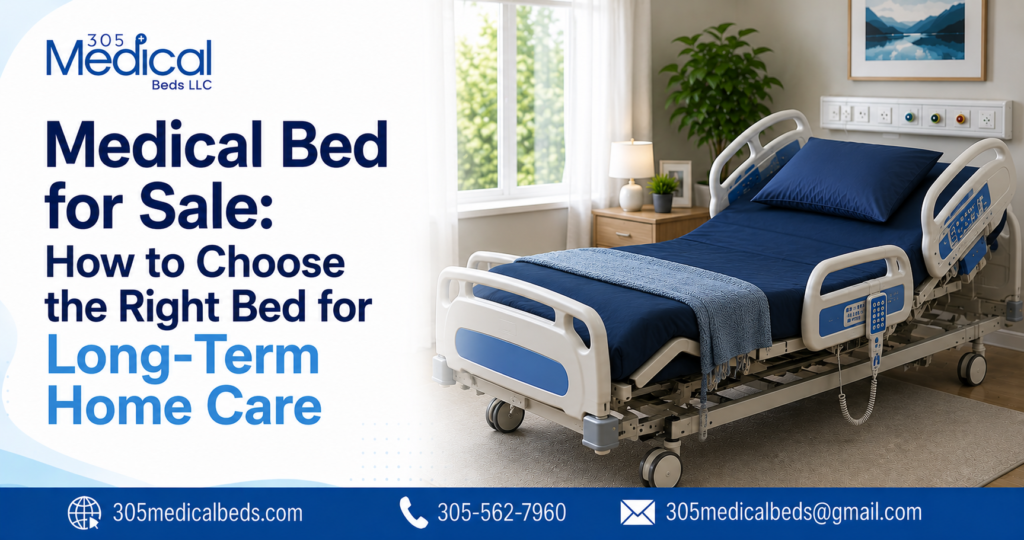
When caring for a loved one at home, having the right medical equipment can make everyday life safer, more comfortable, and less stressful. One of the most important investments is selecting a high-quality medical bed for sale that meets both the patient’s medical needs and the caregiver’s daily responsibilities.
Modern home medical beds are designed to provide hospital-level support while fitting comfortably into residential environments. Whether the bed is needed for recovery after surgery, elderly care, chronic illness, or long-term rehabilitation, choosing the right model can improve comfort, mobility, and overall quality of life.
This guide explains what to look for before purchasing a medical bed and why working with a trusted medical bed supplier is essential.
Why Invest in a Medical Bed for Home Care?
Unlike a standard bed, a medical bed is specifically engineered to support patients who spend extended periods resting or require assistance with mobility.
A quality hospital bed for home offers adjustable positioning, improved safety, and easier access for caregivers. These features can reduce physical strain while helping patients maintain greater independence.
Some of the key benefits include:
- Enhanced patient comfort
- Easier repositioning
- Better circulation
- Reduced risk of pressure ulcers
- Improved caregiver safety
- Greater independence for patients
Understanding Different Types of Medical Beds
Before purchasing a medical bed for sale, it’s important to understand the available options.
Manual Medical Beds
Manual beds use hand cranks to adjust the head and foot sections. They are typically the most affordable option and work well for patients who require only occasional adjustments.
Semi-Electric Medical Beds
Semi-electric models use electric motors for head and foot positioning while requiring manual adjustment for bed height. They provide a good balance between affordability and convenience.
Fully Electric Hospital Beds
Fully electric beds allow patients or caregivers to control every adjustment using a remote. These models are ideal for long-term home care because they improve comfort while minimizing physical effort.
Key Features to Consider
Choosing the right bed goes beyond selecting an electric or manual model. Consider these important features before making a purchase.
Adjustable Positioning
Multiple positioning options help patients sleep, rest, eat, and recover more comfortably. Raising the head can assist with breathing, while elevating the legs may improve circulation and reduce swelling.
Mattress Compatibility
A supportive mattress is essential for preventing discomfort and pressure injuries. Many medical beds are compatible with foam, gel, and alternating pressure mattresses designed specifically for long-term care.
Safety Rails
Integrated side rails provide stability during movement and help reduce the risk of accidental falls. Many beds include rails that can be folded down for easier patient transfers.
Weight Capacity
Always verify that the bed supports the patient’s weight comfortably. Bariatric models are available for individuals requiring additional support.
Quiet Electric Motors
High-quality electric motors provide smooth, quiet adjustments without disturbing the patient during rest.
Choosing the Right Size
Most home medical beds are available in standard and extended sizes.
A larger bed may provide greater comfort, while a standard size often fits better in residential bedrooms. Before ordering, measure the available space to ensure there is enough room for caregivers to move around safely.
Who Can Benefit from a Medical Bed?
A home medical bed is beneficial for many situations, including:
- Recovery after surgery
- Elderly home care
- Stroke rehabilitation
- Parkinson’s disease
- Multiple sclerosis
- Long-term disability
- Hospice care
- Chronic pain management
The right bed helps patients remain comfortable while making daily care much easier for family members and healthcare providers.
Why Work with a Trusted Medical Bed Supplier?
The supplier you choose is just as important as the bed itself.
A professional medical bed supplier should offer:
- Quality-certified medical beds
- Multiple product options
- Manufacturer warranties
- Professional customer support
- Fast delivery
- Replacement parts and accessories
- Expert product recommendations
Buying from an experienced supplier provides confidence that your investment will deliver reliable performance for years to come.
Questions to Ask Before Buying
Before selecting a medical bed for sale, ask yourself:
- Will the patient need the bed temporarily or long term?
- Is a fully electric model worth the added convenience?
- Does the mattress provide adequate pressure relief?
- Is the bed easy for caregivers to operate?
- Are replacement parts available if needed?
- Does the supplier provide after-sales support?
Answering these questions can help narrow your options and prevent costly mistakes.
Tips for Maintaining Your Medical Bed
Proper maintenance extends the lifespan of your investment.
Here are a few simple tips:
- Clean the frame regularly using approved disinfectants.
- Inspect electrical components periodically.
- Check caster wheels and locking mechanisms.
- Test remote controls and adjustment functions.
- Replace worn mattresses when necessary.
- Follow the manufacturer’s maintenance guidelines.
Routine care helps ensure reliable operation and patient safety.
Final Thoughts
Finding the right medical bed for sale is an important step toward creating a safer and more comfortable home care environment. By considering features such as adjustability, mattress compatibility, safety rails, durability, and ease of operation, you can choose a bed that supports both patient recovery and caregiver convenience.
Whether you’re purchasing a bed for short-term recovery or ongoing care, working with an experienced medical bed supplier ensures you receive dependable products, expert guidance, and long-term support. Investing in the right hospital bed for home can significantly improve comfort, independence, and peace of mind for everyone involved.