
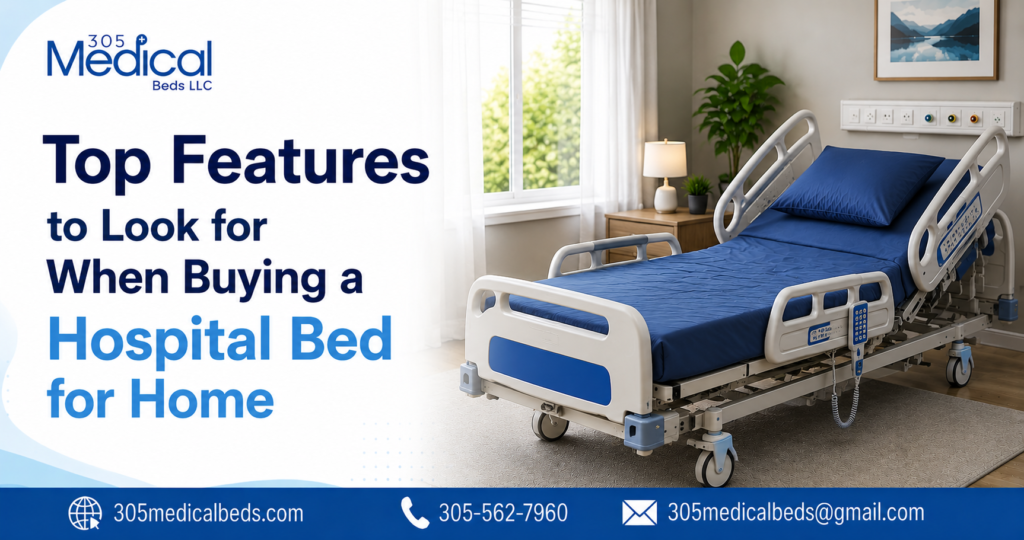
Finding the right hospital bed for home can make a significant difference in a patient’s comfort, recovery, and overall quality of life. Whether you’re caring for an aging parent, someone recovering from surgery, or a loved one with limited mobility, choosing the right bed is an important investment.
Today’s home hospital beds offer far more than basic functionality. Many include advanced positioning options, safety features, pressure-relieving mattresses, and caregiver-friendly controls that improve daily care. However, with so many models available, knowing which features truly matter can be overwhelming.
This guide explains the most important features to consider before purchasing a hospital bed for home, helping you make an informed decision while finding the best value from a trusted medical bed supplier.
Why Choosing the Right Hospital Bed Matters
A hospital bed is designed to provide proper support, improve mobility, and reduce the physical strain on both patients and caregivers. Unlike standard beds, medical beds allow users to adjust different sections of the frame, making it easier to sleep, sit, eat, recover, and receive medical care.
The right bed can help:
- Improve patient comfort
- Reduce the risk of pressure sores
- Support faster recovery
- Increase independence
- Make caregiving easier and safer
If you’re searching for a medical bed near me, focusing on quality features instead of price alone can provide better long-term value.
1. Adjustable Positioning
One of the most valuable features of any home hospital bed is adjustable positioning.
Modern beds allow users to raise or lower:
- The head section
- The foot section
- The entire bed height
These adjustments improve circulation, reduce swelling, make breathing easier, and provide greater comfort throughout the day.
Electric adjustment is especially beneficial for patients who spend extended periods in bed.
2. Electric vs. Manual Operation
Hospital beds generally come in three types:
Manual Hospital Beds
Manual beds require a hand crank to adjust the bed’s position. While they are more affordable, they require physical effort and may not be suitable for patients needing frequent adjustments.
Semi-Electric Hospital Beds
These models combine manual height adjustment with electric head and foot positioning. They offer a balance between convenience and affordability.
Fully Electric Hospital Beds
Fully electric beds provide effortless adjustments using a handheld remote. They are ideal for long-term home care and are among the most popular options offered by professional medical bed suppliers.
3. Comfortable Mattress Support
A hospital bed is only as comfortable as its mattress.
Look for mattresses designed specifically for medical use, including:
- Foam mattresses
- Gel mattresses
- Alternating pressure mattresses
- Low air loss mattresses
These specialized mattresses help reduce pressure points and minimize the risk of bed sores, especially for patients with limited mobility.
4. Bed Height Adjustment
Height adjustment improves safety for both patients and caregivers.
A lower bed reduces the risk of injury from falls, while raising the bed allows caregivers to provide treatment without excessive bending or lifting.
Many premium hospital beds for home include electric height adjustment for added convenience.
5. Side Rails for Safety
Side rails help prevent accidental falls while providing additional support when patients reposition themselves.
Depending on individual needs, you can choose:
- Full-length side rails
- Half-length side rails
- Foldable safety rails
These features are particularly beneficial for elderly patients and individuals recovering from surgery.
6. Weight Capacity
Not all hospital beds support the same weight.
Before purchasing, check the manufacturer’s recommended weight capacity to ensure safe and reliable performance.
Standard models typically support between 350 and 450 pounds, while bariatric hospital beds are designed for higher weight capacities.
Choosing the correct size ensures better comfort and extends the lifespan of the bed.
7. Ease of Mobility
Many medical beds include locking caster wheels that make moving the bed much easier when cleaning or rearranging a room.
Quality wheels should:
- Roll smoothly
- Lock securely
- Remain stable during use
This feature is especially useful for caregivers managing patient transfers.
8. Easy-to-Use Controls
Simple controls improve independence for patients and reduce caregiver workload.
Look for:
- Handheld remote controls
- Large, clearly labeled buttons
- Quiet motor operation
- Emergency backup systems
Easy operation allows patients to adjust their position without assistance whenever possible.
9. Durable Frame Construction
A durable frame ensures long-lasting performance.
Steel frames are commonly preferred because they provide:
- Better stability
- Higher weight capacity
- Longer lifespan
- Reduced maintenance
Buying from a reputable medical bed supplier also ensures the bed meets healthcare safety standards.
10. Accessories and Additional Features
Many home hospital beds can be customized with useful accessories, including:
- Overbed tables
- IV poles
- Bedside storage
- Trapeze bars
- Battery backup systems
- Bed extension kits
These additions improve convenience and enhance the overall caregiving experience.
Choosing the Right Medical Bed Supplier
Selecting the right supplier is just as important as selecting the bed itself.
A reliable medical bed supplier should provide:
- High-quality medical equipment
- Multiple hospital bed options
- Manufacturer warranties
- Professional customer support
- Fast delivery
- Replacement parts and accessories
- Product guidance after purchase
Working with an experienced supplier ensures you receive a safe, dependable product backed by expert support.
When Should You Buy a Hospital Bed for Home?
A hospital bed for home is often recommended for:
- Post-surgery recovery
- Senior home care
- Stroke recovery
- Long-term illness
- Disability support
- Hospice and palliative care
- Chronic medical conditions
- Limited mobility
Investing in the right bed can significantly improve both patient comfort and caregiver efficiency.
Tips Before Purchasing a Medical Bed for Sale
Before making a final decision, consider the following:
- Measure the available room space.
- Choose the appropriate mattress type.
- Verify weight capacity.
- Consider future mobility needs.
- Compare warranty coverage.
- Purchase from a trusted supplier with excellent customer service.
- Ensure replacement parts are readily available.
- Check whether installation assistance is offered.
Taking these factors into account helps you select a bed that provides long-term comfort, safety, and value.
Final Thoughts
Choosing the best hospital bed for home involves more than selecting the lowest-priced option. Features such as adjustable positioning, electric controls, safety rails, mattress quality, durability, and ease of use all contribute to a better experience for both patients and caregivers.
If you’re looking for a medical bed for sale, partnering with a trusted medical bed supplier ensures you receive a high-quality product that meets your healthcare needs. The right hospital bed can improve comfort, promote recovery, and provide peace of mind for families caring for loved ones at home.