
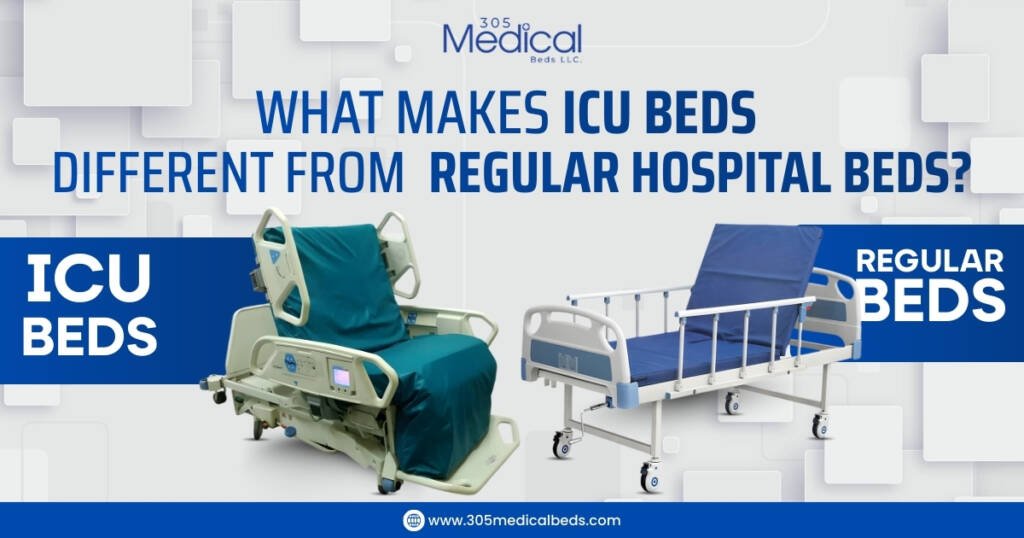
When it comes to hospital care, the type of bed a patient uses plays a crucial role in their recovery. ICU beds and regular hospital beds may seem similar at first glance, but they have significant differences that make ICU beds ideal for patients requiring critical care and constant monitoring.
In this blog, we’ll explore the key features that differentiate ICU beds from regular hospital beds, explaining why ICU beds are a vital part of intensive care units and critical care settings.
What is an ICU Bed?
An ICU bed (Intensive Care Unit bed) is a specialized bed designed for patients who are critically ill and require constant monitoring, frequent position changes, and advanced medical interventions. ICU beds are often equipped with advanced features that help healthcare providers closely monitor the patient’s condition and provide life-saving care. These beds are designed to provide maximum comfort and safety for patients who may be in a life-threatening situation.
ICU beds also come with unique features such as built-in monitoring systems, adjustable side rails, and pressure-relieving mattresses to provide the necessary care for patients who are often in need of intensive and long-term medical attention.
What is a Regular Hospital Bed?
A regular hospital bed, on the other hand, is designed for patients who are generally in less critical or stable conditions. While they also offer adjustability and comfort, regular hospital beds don’t have the same specialized features needed for intensive monitoring and medical care. These beds are suitable for recovery after surgery, childbirth, or treatment for non-life-threatening conditions.
Regular hospital beds are typically used for post-operative recovery or care for patients in need of basic medical attention or rehabilitation.
Key Differences Between ICU Beds and Regular Hospital Beds
Let’s dive into the main features that distinguish ICU beds from regular hospital beds. While both beds are designed with patient comfort in mind, ICU beds come with several unique features that cater to patients in critical care.
1. Adjustability and Positioning
- ICU Beds: ICU beds offer extreme adjustability, allowing healthcare providers to customize the bed’s position based on the patient’s needs. They can adjust not only the head and foot of the bed but also the height of the bed to facilitate procedures or make it easier for medical staff to work on the patient.
- Trendelenburg Position: The ability to tilt the bed so the patient’s head is lowered and feet are elevated can be useful in certain medical situations, such as during shock or for patients who need better circulation.
- Reverse Trendelenburg: The bed can also be tilted in reverse, elevating the patient’s head to improve breathing or alleviate pressure on the chest.
- Regular Hospital Beds: Regular hospital beds typically allow basic adjustments such as the head and foot sections. However, these beds are not as adjustable as ICU beds and do not offer features like the Trendelenburg or Reverse Trendelenburg positions that are critical in emergency or post-surgery care.
2. Advanced Monitoring and Support Features
- ICU Beds: One of the key differentiators of ICU beds is their advanced monitoring capabilities. These beds are equipped with built-in sensors to monitor vital signs such as heart rate, oxygen levels, and blood pressure. The bed’s frame often includes access points for equipment like ECG leads, oxygen delivery systems, and intravenous (IV) lines. This integration helps healthcare providers to constantly monitor the patient’s condition without needing to move the patient or disrupt their care.
- Pressure Ulcer Prevention: ICU beds often come with specialized mattresses that help prevent pressure ulcers (bedsores) by redistributing weight and relieving pressure points. Some beds feature air-filled cushions or alternating pressure systems that help maintain circulation and improve comfort during prolonged periods of immobility.
- Regular Hospital Beds: Regular hospital beds typically do not have these built-in monitoring features. While they do support basic IV lines and catheter placement, regular hospital beds lack integrated equipment for continuous monitoring, which is a crucial part of critical care.
3. Weight Capacity and Durability
- ICU Beds: ICU beds are built to support patients who are critically ill and may be in extremely weak or compromised physical states. They are designed to be more durable and able to support heavier weight capacities, including bariatric patients. ICU beds can typically support up to 500-600 pounds (depending on the model), and their frames are reinforced for intensive use and mobility.
- Regular Hospital Beds: Regular hospital beds are generally not designed to accommodate patients with extreme weight or those who require additional support. While they can handle the average patient, they typically have lower weight capacities (around 350-450 pounds).
4. Mobility and Ease of Use
- ICU Beds: These beds are designed to be easily moved and adjusted in response to patient needs, but they also have additional safety features like lockable wheels to prevent unintended movement. ICU beds are often equipped with automatic adjustments, such as tilting or rotating, to provide more comfortable positions for critically ill patients. The electronic controls allow healthcare providers to quickly change positions and settings as needed, minimizing the risk of injury to both staff and patients.
- Regular Hospital Beds: Regular hospital beds are also equipped with adjustable height and positioning features, but their manual controls may require more effort to adjust. They also may not offer the same level of flexibility in movement or the advanced electronic features found in ICU beds.
5. Infection Control and Hygiene
- ICU Beds: Due to the critical nature of ICU patients, hygiene and infection control are paramount. ICU beds are designed with non-porous surfaces that are easy to clean and disinfect. Many ICU beds are equipped with seamless upholstery or antimicrobial coatings to reduce the risk of infections, which is especially important for patients with weakened immune systems.
- Regular Hospital Beds: Regular hospital beds also feature easy-to-clean surfaces but are not equipped with the same level of infection-preventative features as ICU beds. While cleaning protocols are still stringent, regular hospital beds may not offer the same level of antimicrobial or infection-resistant materials.
6. Patient Access and Comfort
- ICU Beds: ICU beds are designed with patient comfort and care in mind, especially during long stays. ICU beds often have adjustable side rails that can be raised or lowered for patient safety. They also provide easy access to patients for medical staff during critical care procedures. Many ICU beds feature built-in lateral tilt capabilities, which help reposition patients automatically to relieve pressure and promote better comfort.
- Regular Hospital Beds: Regular hospital beds typically have standard side rails, but these are often manual rather than adjustable. They also do not have the same lateral tilt or automatic positioning systems as ICU beds. While comfort features are still considered, they are less advanced and may not be as effective in providing long-term support for critically ill patients.
Why Are ICU Beds Necessary for Critical Care?
ICU beds are crucial in providing the highest level of care for critically ill patients. The advanced monitoring systems, adjustability features, and durability make them indispensable for intensive care units where patients require constant supervision and advanced medical interventions. These beds are designed to enhance patient comfort, improve recovery, and make it easier for medical professionals to provide life-saving care.
Conclusion
While both ICU beds and regular hospital beds are essential in healthcare settings, ICU beds are specifically designed to cater to the needs of critically ill patients. With their advanced features for positioning, monitoring, and patient comfort, ICU beds play a pivotal role in critical care environments, making them far more specialized than regular hospital beds.
Understanding the differences between these two types of beds can help you make informed decisions, whether you’re a healthcare professional or a patient seeking care options for a loved one. ICU beds are engineered for intensive care, providing safety, monitoring, and comfort for patients in need of constant care.
FAQs:
1. What are the main features of an ICU bed?
ICU beds offer advanced adjustability, built-in monitoring, and pressure-relieving mattresses. These beds also come with higher weight capacities and more durable frames compared to regular hospital beds.
2. Can ICU beds be used in regular hospital rooms?
While ICU beds are designed for critical care settings, they can be used in regular hospital rooms if needed. However, they are typically more expensive and are primarily intended for use in intensive care units.
3. How do ICU beds help prevent pressure ulcers?
ICU beds are equipped with specialized mattresses that redistribute body weight to prevent pressure sores (bedsores). Some ICU beds feature alternating pressure systems or air-flow mattresses that help maintain circulation and comfort.
4. What is the weight capacity of an ICU bed?
ICU beds typically have a weight capacity of around 500-600 pounds, depending on the model. This is significantly higher than regular hospital beds, which usually have a weight capacity of 350-450 pounds.