
Table of Contents
When it comes to recovery, the type of bed you use can make a significant difference. Hospital beds are specifically designed to meet the needs of individuals who require additional support during their recovery process. But how exactly do these beds impact recovery, and why might you consider having a hospital bed at home? Let’s explore.
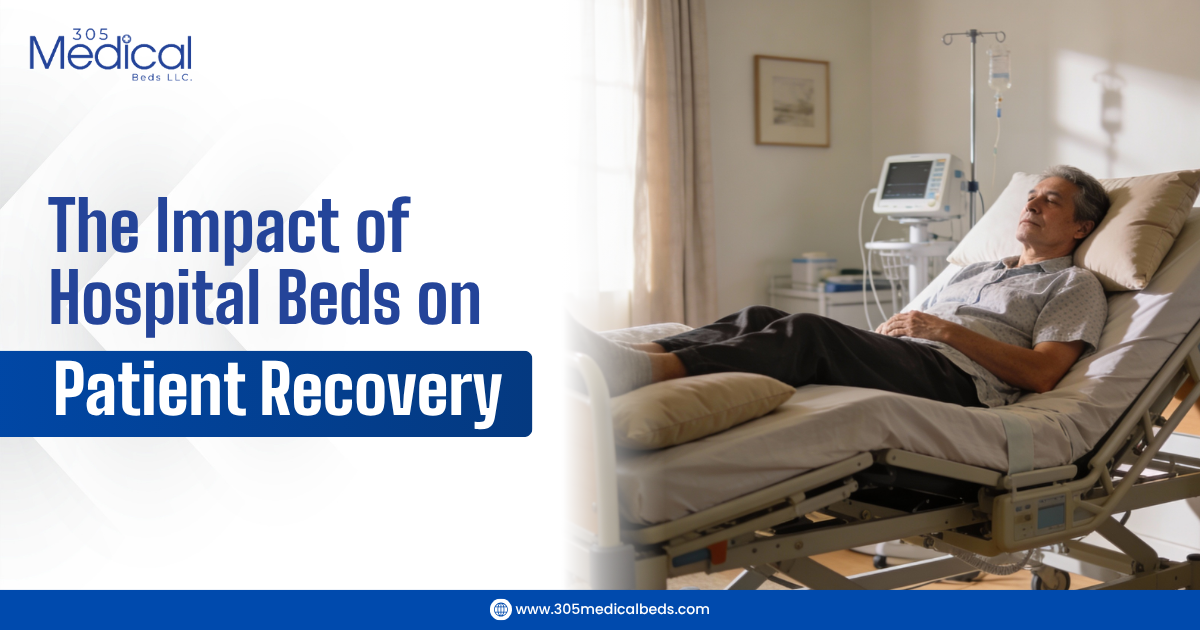
Hospital beds are not just any ordinary beds; they are equipped with features that cater to the specific needs of patients. Whether it’s an electric hospital bed or a semi-electric hospital bed, these beds are designed to provide comfort, safety, and support that standard beds simply cannot.
Features of Hospital Beds
- Adjustability: Hospital beds can be adjusted to various positions to ensure maximum comfort for the patient. Whether it’s raising the head or the foot of the bed, these adjustments help in minimizing discomfort and promoting better circulation.
- Safety Rails: The inclusion of side rails is crucial in preventing falls, especially for patients who may be disoriented or unsteady.
- Mattress Options: From standard mattresses to air mattresses for hospital beds, these options provide the necessary support and pressure relief to prevent bedsores.
- Mobility: Many hospital beds come with wheels, making it easier to move the bed around, which is particularly useful in a home setting for cleaning or repositioning.
The Role of Hospital Beds in Recovery
Hospital beds play a vital role in the recovery process by providing the necessary support and comfort that patients need. Here’s how:
Enhancing Comfort and Reducing Pain
One of the main advantages of hospital beds is their ability to enhance comfort. With adjustable features, patients can find the most comfortable position for resting or sleeping, which is crucial in reducing pain and discomfort.
Promoting Mobility and Independence
Hospital beds encourage patients to be more mobile and independent. For example, an adjustable hospital bed allows patients to sit up or get out of bed with minimal assistance, which can significantly boost their morale and speed up recovery.
Supporting Medical Needs
Hospital beds are designed to support various medical needs. For patients who require frequent repositioning or those at risk of pressure ulcers, a hospital bed with an air mattress can provide significant relief.
Facilitating Caregiver Assistance
For caregivers, hospital beds make it easier to assist patients. The adjustability and mobility of these beds mean that caregivers can easily reposition or transfer patients, reducing the risk of injury to both the patient and the caregiver.
Choosing the Right Hospital Bed for Home Use
When considering a hospital bed for home use, there are several factors to consider to ensure you select the right one for your needs.
Types of Hospital Beds
- Electric Hospital Beds: These beds come with a remote control that allows patients to adjust the bed’s position with ease. They are ideal for patients who require frequent position changes.
- Semi-Electric Hospital Beds: These beds offer a combination of electric and manual controls, making them a more affordable option while still providing some level of adjustability.
- Bariatric Hospital Beds: Designed for heavier patients, these beds offer extra width and strength to accommodate increased weight.
Mattress Options
Choosing the right mattress for a hospital bed is crucial. Options include:
- Standard Foam Mattresses: Offer basic support and comfort.
- Air Mattresses: Provide pressure relief and are beneficial for patients at risk of pressure sores.
Additional Features
Consider additional features such as:
- Fitted Sheets: Opt for fitted sheets specifically designed for hospital beds to ensure a snug fit.
- Overbed Tables: These tables can be useful for patients who need to eat or perform activities while in bed.
Purchasing or Renting a Hospital Bed
When it comes to acquiring a hospital bed, you have the option to purchase or rent. Here’s what you need to know:
Purchasing a Hospital Bed
Purchasing a hospital bed is a good option for long term use. There are many medical beds for sale, including refurbished hospital beds, which can be a cost-effective choice.
Renting a Hospital Bed
For short-term needs, renting a hospital bed might be more practical. There are many services offering renting hospital beds near you, providing flexibility and convenience.
Considerations for Cost
When considering costs, it’s important to evaluate your insurance options. Many insurance plans cover part or all of the cost of a hospital bed if it’s deemed medically necessary.
Conclusion
Hospital beds are an integral part of the recovery process for many individuals. Their specialized features support both physical and emotional recovery, promoting comfort, independence, and safety. Whether you’re considering a hospital bed for home use or in a medical setting, understanding their impact on recovery can help you make an informed decision.
By choosing the right hospital bed and accessories, you can provide yourself or your loved ones with the best possible environment for a speedy and comfortable recovery.